
The 2013 cinematic masterpiece Prisoners, directed by Denis Villeneuve, concludes on one of the most agonizingly suspenseful notes in modern film history. As Detective Loki (Jake Gyllenhaal) stands in the snow-covered driveway of the residence where a harrowing abduction plot unfolded, he hears a faint, rhythmic whistling coming from beneath the earth. The film cuts to black, leaving the audience to wonder: Does he find Keller Dover (Hugh Jackman) trapped in the hidden pit? While the narrative intent was to leave the viewer in a state of moral and emotional suspension, the modern technological landscape offers a different perspective.
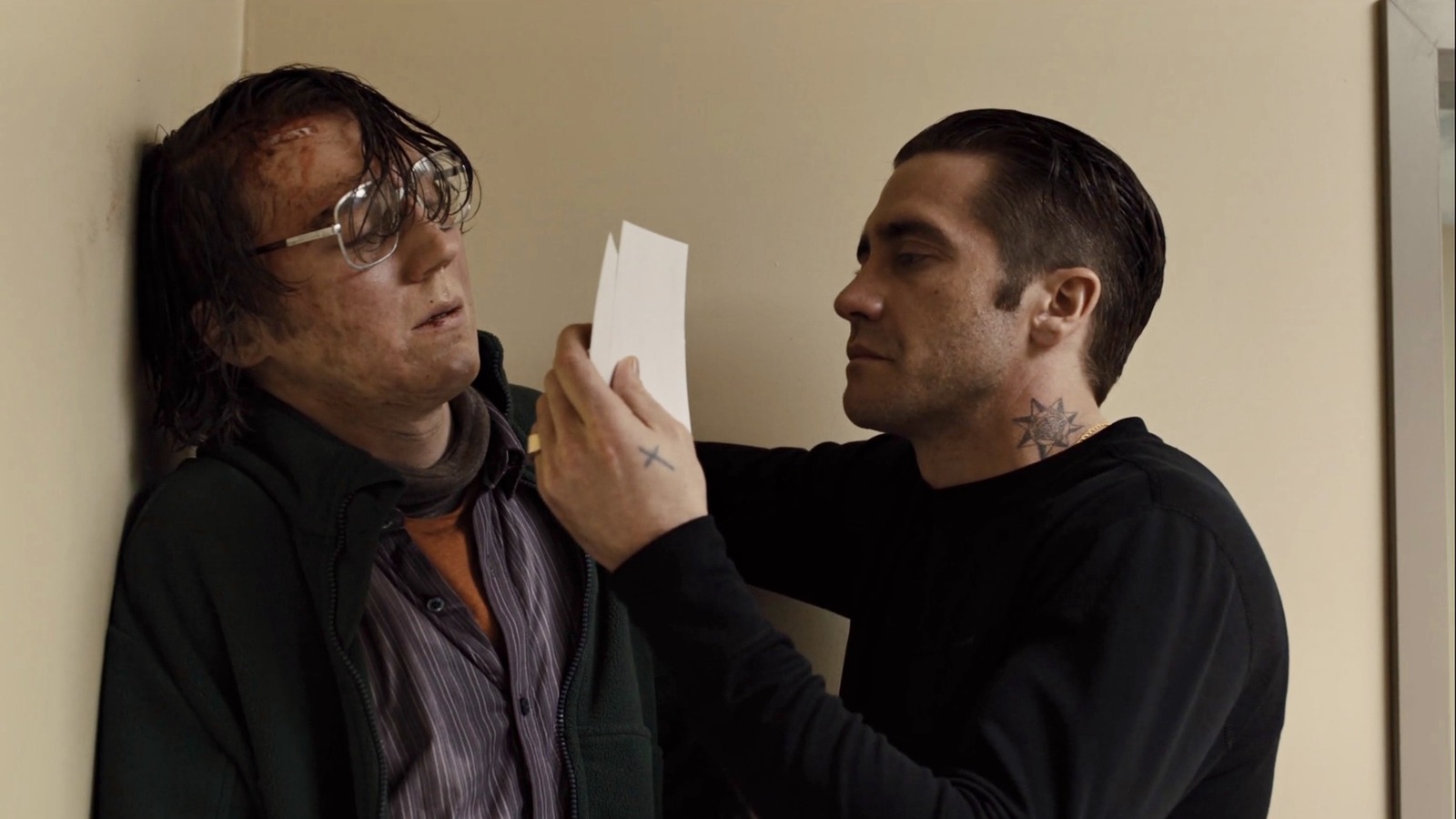
In today’s era of hyper-connectivity, digital forensics, and advanced surveillance, the ambiguity of such an ending is becoming a relic of the past. From a technological standpoint, the “end” of such a crisis is no longer dictated by chance or a sharp ear, but by data points, signal processing, and automated recovery systems.
The Evolution of Digital Forensics in Missing Persons Investigations
At the heart of Prisoners is a failure of information—the inability to track movements and locate individuals in real-time. In the decade since the film’s release, technology has fundamentally altered the “search and rescue” vertical. If the events of the film were transposed to the current year, the ending would likely be resolved long before a detective had to rely on a faint whistle in the wind.
From Whistles to Wearables: Real-time Location Tracking
The primary conflict in the film stems from the physical disappearance of the children and later, Keller Dover himself. Modern IoT (Internet of Things) devices have introduced a layer of “digital visibility” that makes such disappearances increasingly difficult to maintain. Smartwatches and mobile devices now utilize Multi-GNSS (Global Navigation Satellite System) technology, which combines GPS, GLONASS, and Galileo satellites to provide location accuracy within centimeters.
Furthermore, “Passive Geofencing” would have played a critical role. Law enforcement now utilizes technology that allows them to “cordon off” a digital area. If Keller Dover’s smartphone had entered the vicinity of the antagonist’s property, an automated alert or a retrospective digital breadcrumb trail would have led Detective Loki to the exact coordinates of the pit. Even if the device were powered down, many modern smartphones retain a “Find My” capability that utilizes low-energy Bluetooth mesh networks from surrounding devices to report a location.
The Role of AI in Pattern Recognition and Behavioral Analysis
One of the most complex aspects of the film is the cryptic “maze” motif used by the kidnapper. In a modern technological context, Artificial Intelligence (AI) and Machine Learning (ML) are being used to decode such criminal signatures. AI-driven behavioral analysis tools can now ingest vast amounts of cold case data, psychological profiles, and geographical patterns to predict where a victim might be held.
By processing the “maze” drawings and the psychological profile of the suspects through neural networks, modern investigators can identify anomalies in property records or historical land usage. In Prisoners, the pit was a hidden fallout shelter. Today’s AI-powered property tech (PropTech) and satellite imagery analysis can detect topographical inconsistencies—unnatural depressions in the ground or heat signatures—that indicate underground structures, effectively stripping the kidnapper of their environmental advantage.
Surveillance Tech: Why the Labyrinth Would Be Impossible Today
The antagonist in Prisoners relied on the invisibility of their actions within a quiet suburban neighborhood. However, the proliferation of the “Smart City” and the “Connected Home” has created a surveillance net that is nearly impossible to bypass without leaving a digital footprint.
Facial Recognition and Smart Doorbells
The widespread adoption of smart doorbell cameras (such as Ring or Nest) and private CCTV networks has transformed suburban streets into high-definition data streams. In the film, the suspicious RV parked near the children’s home was a key clue that was only partially captured by memory.
Today, automated license plate recognition (ALPR) and AI-powered facial recognition software would have flagged the vehicle the moment it entered the neighborhood. These systems don’t just record video; they categorize metadata. An investigator could search for “White RV” across a city-wide database and track its movements in real-time. The “end” of the movie would not be a mystery because the vehicle’s trajectory would have been logged by dozens of private and public nodes, leading police directly to the kidnapper’s door within hours of the initial report.
Digital Breadcrumbs: Analyzing Smart Device Metadata
The ambiguity of the ending also rests on Keller Dover’s choice to take the law into his own hands. In the modern tech landscape, Keller’s movements would have been a matter of public record for the police. Even if he attempted to go “off the grid,” his digital shadow—biometric data from his vehicle, pings to local Wi-Fi hotspots, or even the accelerometers in his phone—would provide a high-fidelity map of his kidnapping of Alex Jones.
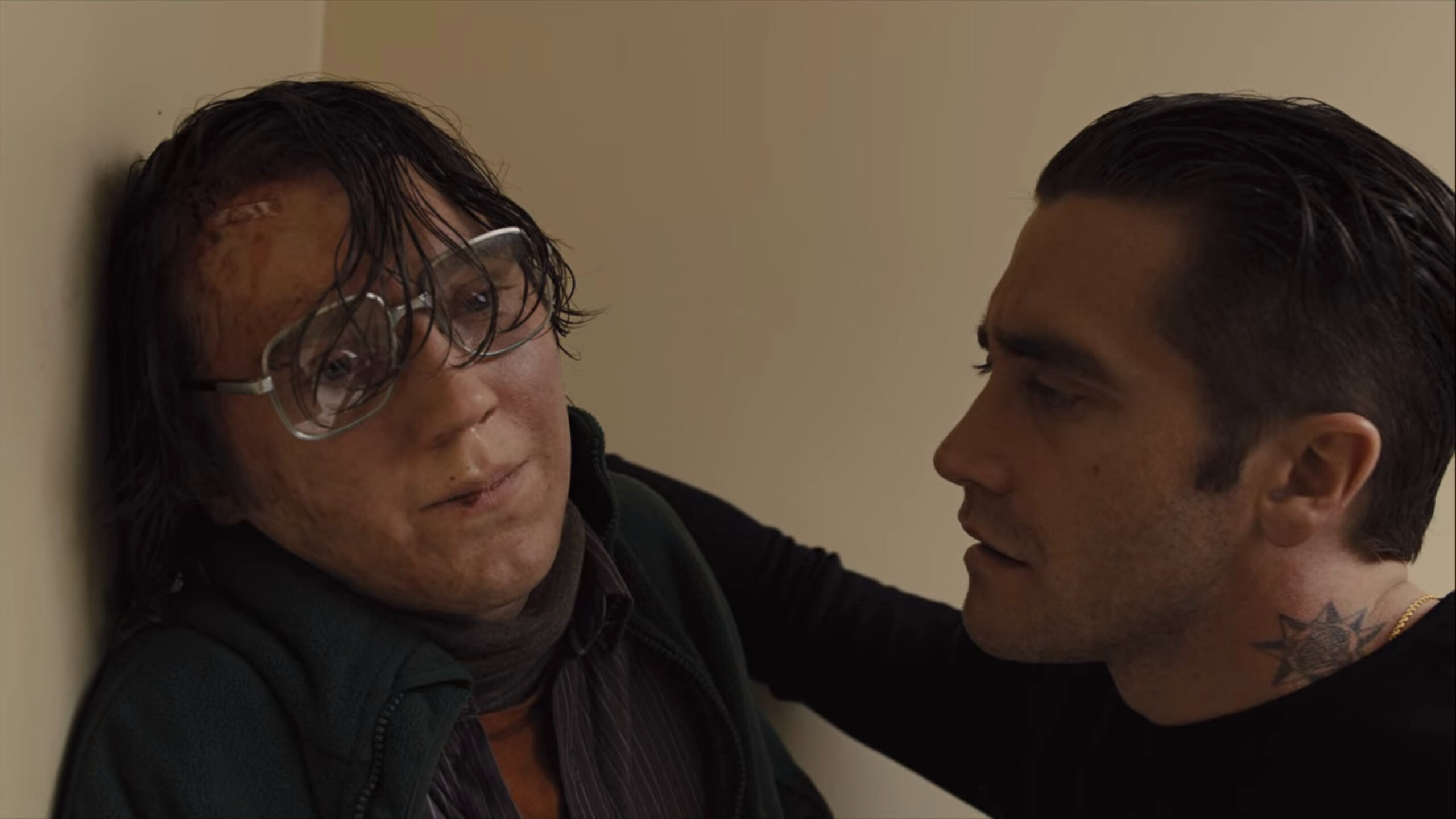
From a technological perspective, the detective wouldn’t be standing in the driveway by chance; he would be there because a “Digital Twin” of the crime scene, reconstructed through metadata, showed a temporal gap in Keller’s movement at that specific GPS coordinate.
Cybersecurity and Privacy in High-Stakes Investigations
While technology provides the tools to solve mysteries, it also introduces significant hurdles regarding cybersecurity and the ethics of digital intrusion. The tension in Prisoners between what is legal and what is “right” finds a modern parallel in the debate over data privacy during criminal investigations.
The Ethics of Digital Intrusion for Personal Safety
Had Detective Loki used modern “GrayKey” or “Cellebrite” technology—tools used by law enforcement to bypass encryption on mobile devices—he would have had access to every deleted message, photo, and location tag on the suspects’ phones. However, this brings up the “Going Dark” challenge. As encryption becomes more sophisticated, the race between digital security and investigative accessibility intensifies.
In the context of the film’s ending, the question of whether Loki should have access to private data becomes moot when a life is on the line. Yet, the tech industry is constantly balancing the need for end-to-end encryption to protect citizen privacy against the requirements of law enforcement to intervene in kidnappings. The ending of the film represents the ultimate “dead zone” of information—a gap that modern cybersecurity seeks to close, for better or worse.
Signal Processing and Acoustic Forensics
The final scene involves a whistle—a low-frequency acoustic signal. In a modern forensic setting, Detective Loki wouldn’t have to rely on his own ears. Acoustic gunshot detection systems and advanced audio forensic software can now isolate and triangulate sounds in noisy environments.
Through spectral analysis, investigators can differentiate between environmental noise (wind, traffic) and a distress signal (a whistle). If Loki were equipped with standard modern body-worn cameras, the integrated microphones would have captured the audio frequency, and real-time AI filtering could have confirmed the source and distance of the sound with mathematical certainty. The “uncertainty” of the ending is technologically solvable through high-gain signal processing.
AI-Powered Predictive Modeling for Narrative Outcomes
Beyond the internal logic of the plot, technology is now being used to analyze the structure of narratives like Prisoners themselves. Film studios and tech companies use Natural Language Processing (NLP) to understand how audiences react to certain endings and to predict the “success” of ambiguity.
Natural Language Processing and Script Sentiment Analysis
Using NLP, developers can analyze thousands of screenplays to identify the “emotional arc” of a story. In the case of Prisoners, the sentiment analysis shows a sharp drop in resolution at the end, which is a calculated move to increase “social engagement” and “word-of-mouth” marketing. From a data science perspective, the “unresolved” ending is a feature, not a bug. It creates a “Zeigarnik Effect”—the psychological tendency to remember uncompleted or interrupted tasks better than completed ones. Tech firms use this data to advise streaming platforms on which types of content will drive the most post-viewing discussion.
Future Tech: Using VR to Reconstruct Crime Scenes
Looking forward, the way we perceive the ending of films like Prisoners may change through Virtual Reality (VR) and Augmented Reality (AR). Forensic VR allows investigators to recreate a crime scene in a 3D digital space. If we were to apply this to the film, a VR reconstruction would allow us to “walk” through the antagonist’s house and see the spatial relationship between the driveway and the hidden pit.
This technology is already being used in courtrooms to provide juries with a better understanding of spatial dynamics. In the world of Prisoners, this would mean that the “mystery” of whether the whistle could be heard is no longer a subjective debate, but a verifiable simulation based on the physics of sound and architectural modeling.
Conclusion: The Closing Window of Ambiguity
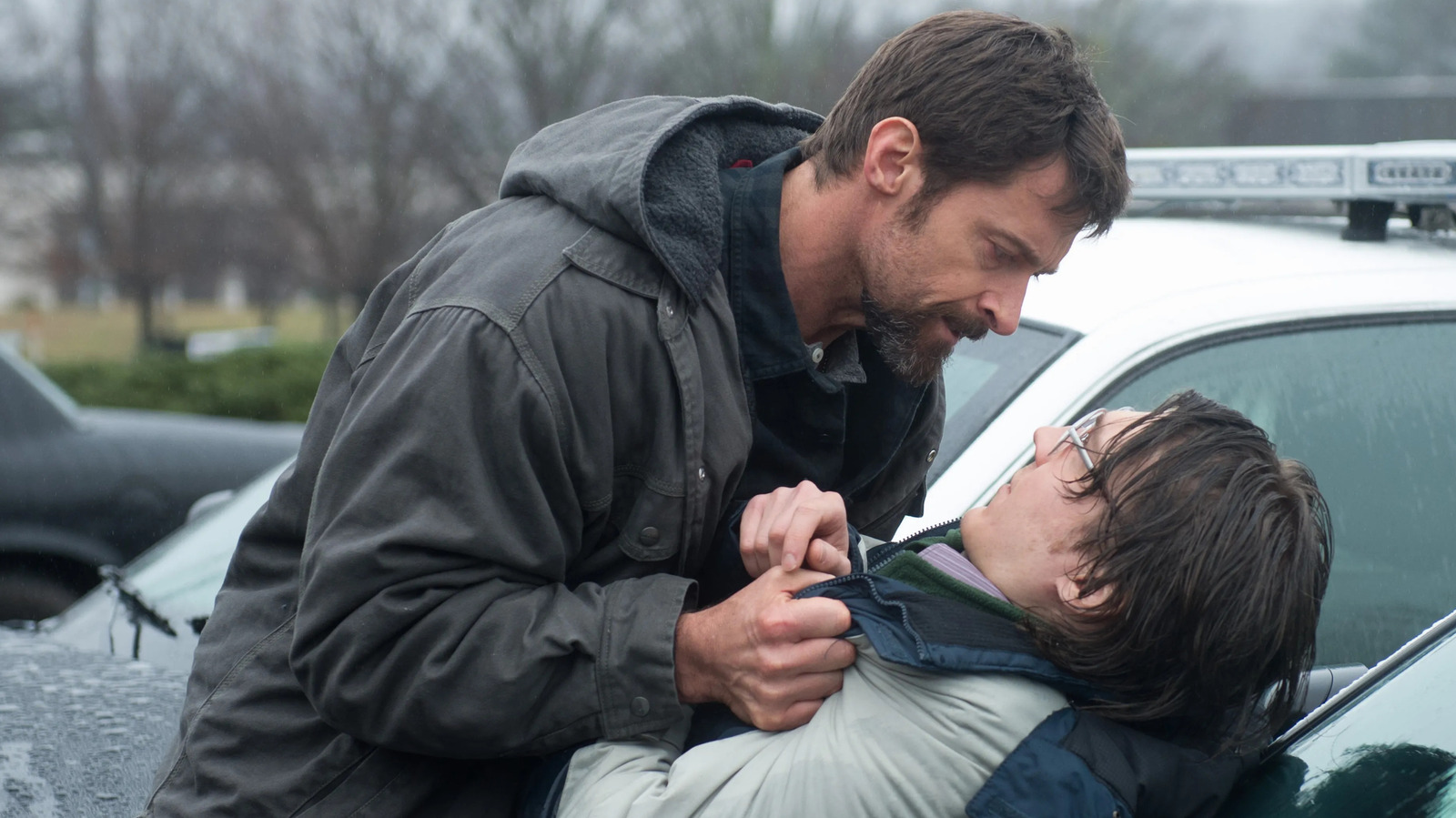
The end of Prisoners remains one of the most discussed finales in cinema because it pits human intuition against a bleak, uncaring environment. However, as we have explored, the march of technology is rapidly closing the window for such mysteries to exist in the real world.
Between the ubiquity of GPS tracking, the power of AI-driven behavioral analysis, and the precision of acoustic forensics, the “hidden pit” is becoming an impossible hiding place. While this shift may strip some of the tension from our cinematic thrillers, it represents a monumental leap in the efficiency of public safety and digital security. In the modern version of Prisoners, the whistle doesn’t just signal a possibility; it triggers a digital sequence that ensures the victim is found, the data is logged, and the mystery is solved before the screen ever fades to black.
aViewFromTheCave is a participant in the Amazon Services LLC Associates Program, an affiliate advertising program designed to provide a means for sites to earn advertising fees by advertising and linking to Amazon.com. Amazon, the Amazon logo, AmazonSupply, and the AmazonSupply logo are trademarks of Amazon.com, Inc. or its affiliates. As an Amazon Associate we earn affiliate commissions from qualifying purchases.