
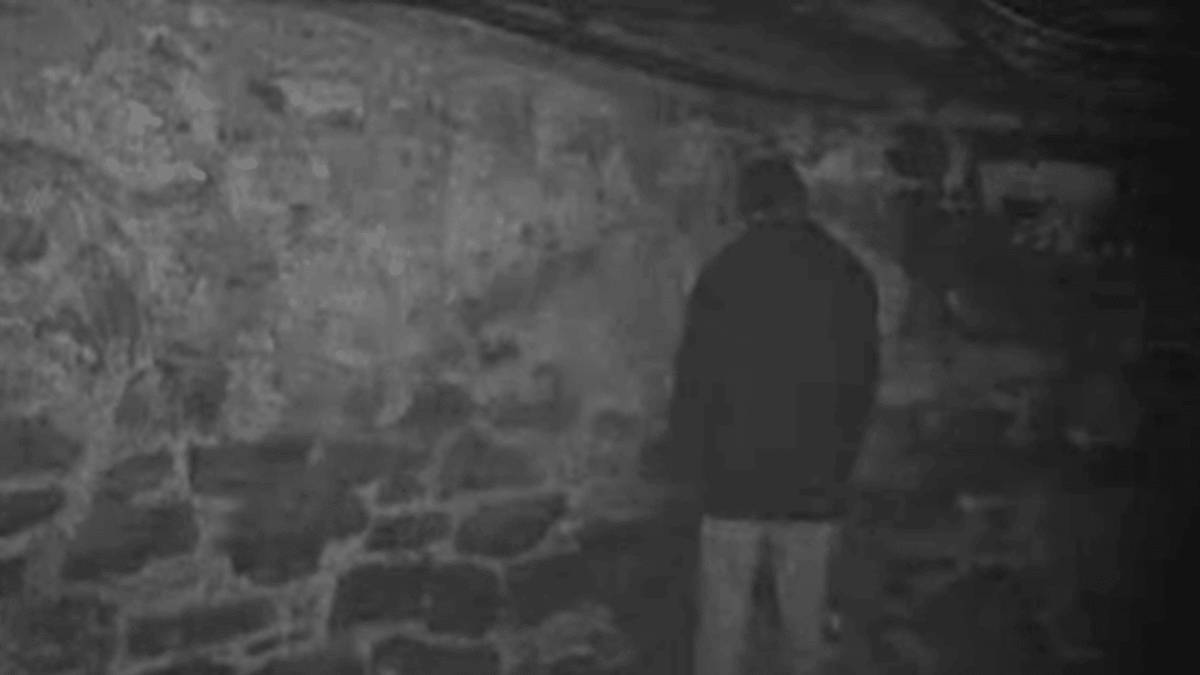
When audiences first sat in darkened theaters in 1999 to witness the final moments of The Blair Witch Project, they weren’t just watching a movie; they were participating in a revolutionary branding experiment. The image of Mike standing silently in the corner of a basement, followed by Heather’s camera dropping to the floor, remains one of the most debated finales in cinematic history. However, from a brand strategy perspective, what happens at the end of the Blair Witch Project is much more than a narrative cliffhanger. It is the culmination of a masterclass in psychological marketing, brand positioning, and the strategic use of ambiguity to create a lasting corporate identity.

The Architecture of Mystery: Why the Ending Defined the Brand Identity
The ending of The Blair Witch Project is the ultimate expression of the brand’s core value proposition: “What you don’t see is scarier than what you do.” In the world of brand strategy, this is known as the “Zeigarnik Effect”—the psychological phenomenon where people remember uncompleted or interrupted tasks better than completed ones. By refusing to show the “witch” and ending on an unresolved note, the filmmakers ensured that the brand lived on in the minds of the consumers long after the credits rolled.
Subverting Expectations to Create Lasting Impact
Most horror brands of the 1990s relied on the “monster reveal” to satisfy the audience. Films like Scream or A Nightmare on Elm Street built their brand equity on the visual identity of their antagonists. The Blair Witch Project took the opposite approach. By having Mike stand in the corner—a direct callback to the folklore established earlier in the film—the brand signaled that it trusted the consumer’s imagination more than its own special effects budget. This subversion of expectations established the movie as an “intellectual” horror brand, separating it from the slasher tropes of the era and positioning it as a sophisticated psychological experience.
The “Found Footage” Aesthetic as a Brand Signature
The ending’s chaotic, low-fidelity visual style was not a limitation; it was a deliberate brand signature. In branding, consistency is key to recognition. The shaky cam, the heavy breathing, and the abrupt cut to black became the visual language of the Blair Witch brand. This aesthetic communicated “authenticity”—the most valuable currency in modern marketing. Because the ending looked like something a real person would capture, it reinforced the brand’s promise that this story could, perhaps, be true.
Viral Marketing: The First Digital Brand Campaign
To understand why the ending of The Blair Witch Project resonated so deeply, one must analyze the digital ecosystem the creators built around it. Long before “going viral” was a standard marketing objective, the Blair Witch team executed the first true digital brand campaign. They didn’t just market a movie; they marketed a legend.
Leveraging the Early Internet for Narrative Expansion
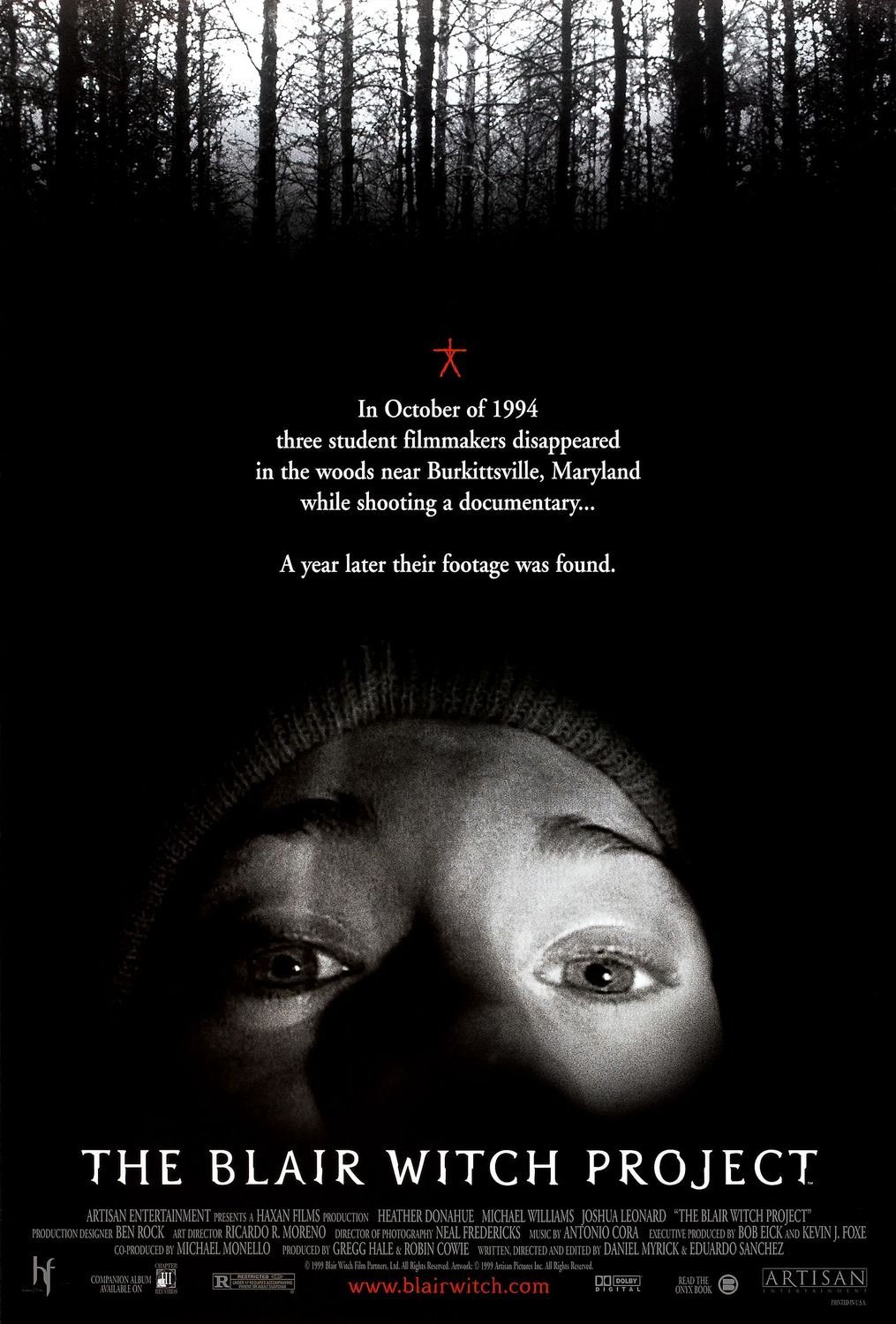
The brand didn’t begin in the theater; it began on a website. In 1998 and 1999, the creators populated a dedicated site with police reports, interviews, and “missing persons” posters. By the time audiences reached the final scene in the basement, they weren’t just watching characters; they were looking for “evidence” of a mystery they had been tracking online for months. This transmedia approach ensured that the brand had a high level of engagement. The ending served as the “final piece of the puzzle” for a community of online investigators, turning passive viewers into brand advocates.
Building Authenticity through Intentional Ambiguity
The genius of the brand strategy lay in its refusal to break character. The marketing materials never referred to the actors by their real names, and the ending didn’t include a traditional “The End” title card. By maintaining this ambiguity, the brand successfully blurred the lines between fiction and reality. In terms of corporate identity, The Blair Witch Project became synonymous with the “urban legend.” This is a powerful position for any brand to hold, as it allows the product to transcend its medium and become a part of the cultural zeitgeist.
Sustaining the Mythos: Brand Equity Beyond the Final Frame
A brand is only as strong as its ability to generate long-term value. While many films are forgotten weeks after their release, the ending of The Blair Witch Project created a “mystery box” that sustained the brand’s equity for decades. The ending invited speculation, and speculation is the engine of sustained audience engagement.
The Power of Transmedia Storytelling
Because the ending left so many questions unanswered—Who put Mike in the corner? Was it the witch or a human accomplice?—it created a vacuum that needed to be filled with more content. This allowed the brand to expand into comic books, video games, and documentaries like Curse of the Blair Witch. Each piece of collateral served to deepen the brand’s mythology, using the ending as a springboard. From a business perspective, this is a perfect example of a “tentpole” strategy, where one central mystery supports a wide array of secondary revenue streams.
Lessons in Brand Longevity and Audience Engagement
The Blair Witch brand taught the industry that you don’t need a massive budget if you have a compelling narrative hook. The ending was essentially free to film—no CGI, no expensive stunts—yet it generated more “earned media” (word-of-mouth and press coverage) than films with ten times the budget. For modern brand strategists, the lesson is clear: engagement is driven by what you leave out. By giving the audience space to participate in the story, you create a sense of ownership that leads to fierce brand loyalty.
The Business of Fear: Converting Low-Budget Assets into Global Recognition
Ultimately, the ending of The Blair Witch Project is a testament to the power of high-yield branding. On a production budget of roughly $60,000, the film grossed nearly $250 million. This staggering Return on Investment (ROI) was made possible because the brand focused on psychological impact rather than physical assets.
High-Yield Branding on a Minimalist Budget
In the corporate world, we often see brands overspend on “flash”—expensive logos, celebrity endorsements, and high-gloss advertising. The Blair Witch Project proved that a minimalist brand, if executed with precision, can outperform bloated competitors. The ending in the basement is the epitome of this minimalism. It used a single corner of a room to create a billion-dollar legacy. This “lean” approach to branding allows for maximum flexibility and massive profit margins, proving that the strength of a brand lies in its core concept, not its production value.
Creating a Category of One
By the time the screen went black, The Blair Witch Project had successfully created its own category. It wasn’t just a horror movie; it was a “found footage” pioneer. In branding, being the first or the best in a new category is the holy grail of strategy. The ending cemented the film’s place as the gold standard for this new genre. Every found footage film that followed—from Paranormal Activity to Cloverfield—is inherently compared to the Blair Witch brand. This “category of one” status ensures that the original brand remains relevant and authoritative, even as imitators enter the market.
Conclusion: The Legacy of the Final Frame
What happens at the end of The Blair Witch Project? Mechanically, a character stands in a corner and a camera falls. Strategically, however, a brand was born. The ending was the final seal on a contract between the creators and the audience—a contract based on mystery, authenticity, and the power of the unknown.
By prioritizing brand identity over narrative closure, the filmmakers created a cultural artifact that continues to be studied by marketers and brand strategists today. They proved that the most powerful brands are those that live in the consumer’s mind, fueled by the questions they ask rather than the answers they are given. In the high-stakes world of global branding, the Blair Witch ending remains the ultimate proof that sometimes, the best way to make a lasting impression is to simply walk into the corner and leave the rest to the imagination.
aViewFromTheCave is a participant in the Amazon Services LLC Associates Program, an affiliate advertising program designed to provide a means for sites to earn advertising fees by advertising and linking to Amazon.com. Amazon, the Amazon logo, AmazonSupply, and the AmazonSupply logo are trademarks of Amazon.com, Inc. or its affiliates. As an Amazon Associate we earn affiliate commissions from qualifying purchases.