
In the landscape of modern media, few intellectual properties have achieved the meteoric rise and sustained cultural relevance of Five Nights at Freddy’s (FNAF). At the dark heart of this multi-million dollar empire lies a singular, malevolent figure: William Afton. While casual observers might see him merely as a pixelated antagonist or a horror movie villain, brand strategists see a masterclass in narrative architecture. What happened to William Afton is not just a story of a fictional serial killer; it is a case study in how a brand can be built, sustained, and evolved through the strategic use of mystery, transmedia storytelling, and community-driven engagement.
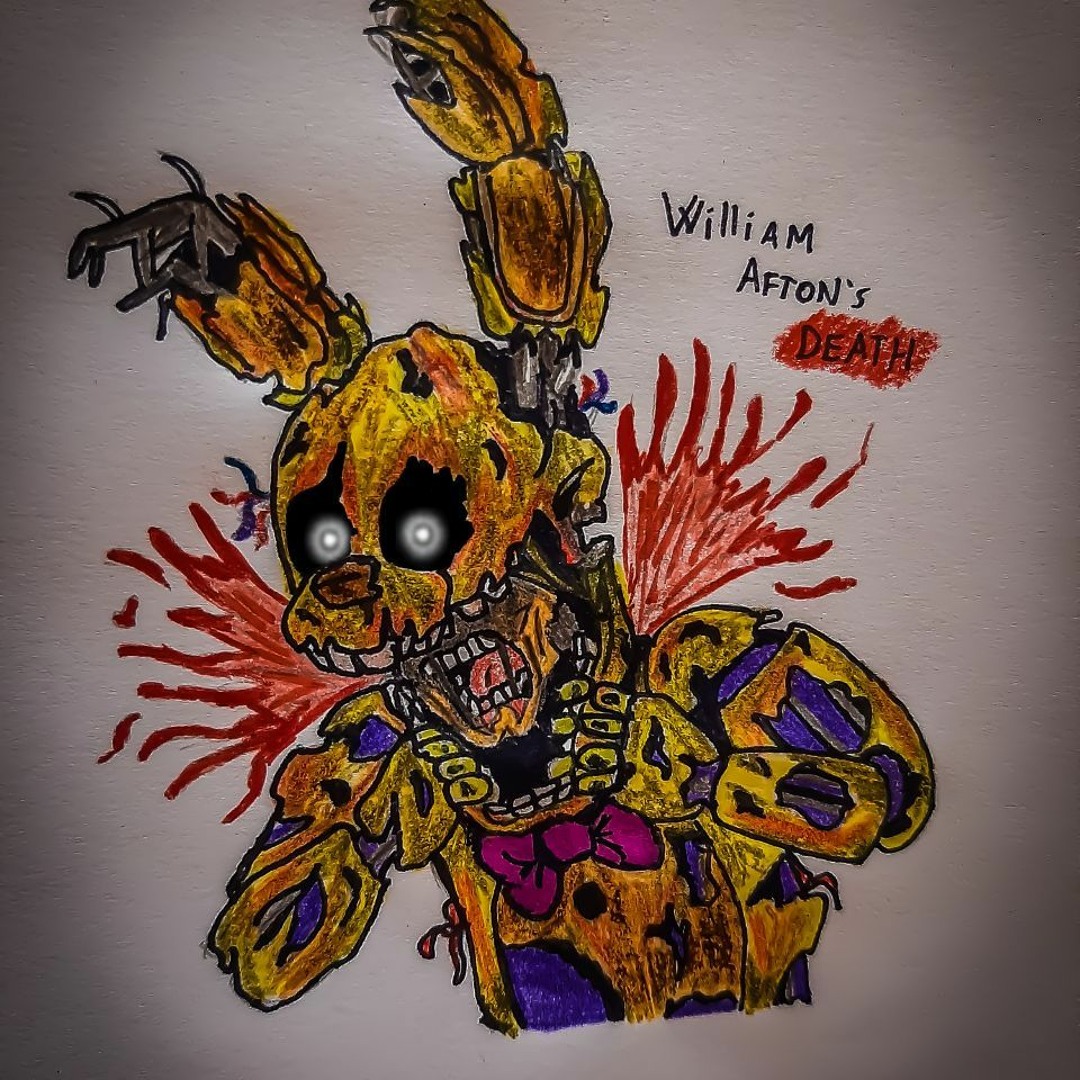
The Evolution of a Digital Antagonist: From Pixelated Mystery to Global Icon
The branding journey of William Afton began with an absence of information. In the early iterations of the FNAF series, the character was known only as the “Purple Guy.” This lack of identity was not a narrative failure; it was a deliberate branding choice that leveraged the “mystery box” technique. By providing the audience with a silhouette rather than a fully realized character, the developer, Scott Cawthon, invited the consumer to participate in the creation of the brand’s lore.
Strategic Ambiguity as a Marketing Tool
In traditional brand strategy, clarity is often king. However, in the realm of entertainment and horror branding, strategic ambiguity can be far more powerful. William Afton’s early “brand identity” was defined by what he wasn’t. He wasn’t a standard monster; he was a human element within a mechanical world. This ambiguity sparked a decade-long cycle of consumer engagement. When a brand leaves gaps, the community fills them, creating a sense of psychological ownership over the product. For FNAF, this meant that every fan-made theory and YouTube breakdown served as free, high-engagement marketing.
The Viral Power of Fan Theory and Lore-Driven Branding
The “What happened to William Afton” phenomenon became a viral engine. By drip-feeding details through cryptic mini-games and hidden easter eggs, the brand incentivized a level of scrutiny rarely seen in indie gaming. This lore-driven branding transformed the consumer from a passive player into an active investigator. From a strategic perspective, this created an incredibly high “stickiness” for the brand. Consumers weren’t just buying a game; they were investing in a puzzle, with Afton as the central piece.
Transmedia Storytelling: Building the Afton Brand Across Mediums
One of the most impressive feats in the evolution of William Afton is the character’s successful transition across different media formats. A brand’s strength is often measured by its elasticity—its ability to move into new markets without losing its core identity. Afton’s transition from 8-bit sprites to novelizations and eventually to a blockbuster film demonstrates the robustness of the character’s brand equity.
From Indie Games to NYT Bestselling Novels
The expansion into literature was a pivotal moment for the Afton brand. In The Silver Eyes trilogy, William Afton was given a name, a backstory, and a chillingly charismatic persona. This was a calculated risk in brand expansion. By defining the character more clearly, the brand risked alienating fans who preferred the mystery. However, the execution reinforced the brand’s core values: psychological horror and the uncanny valley. The novels allowed for a deeper exploration of Afton’s “corporate” identity as the co-founder of Fazbear Entertainment, adding a layer of corporate intrigue that resonated with an older demographic.
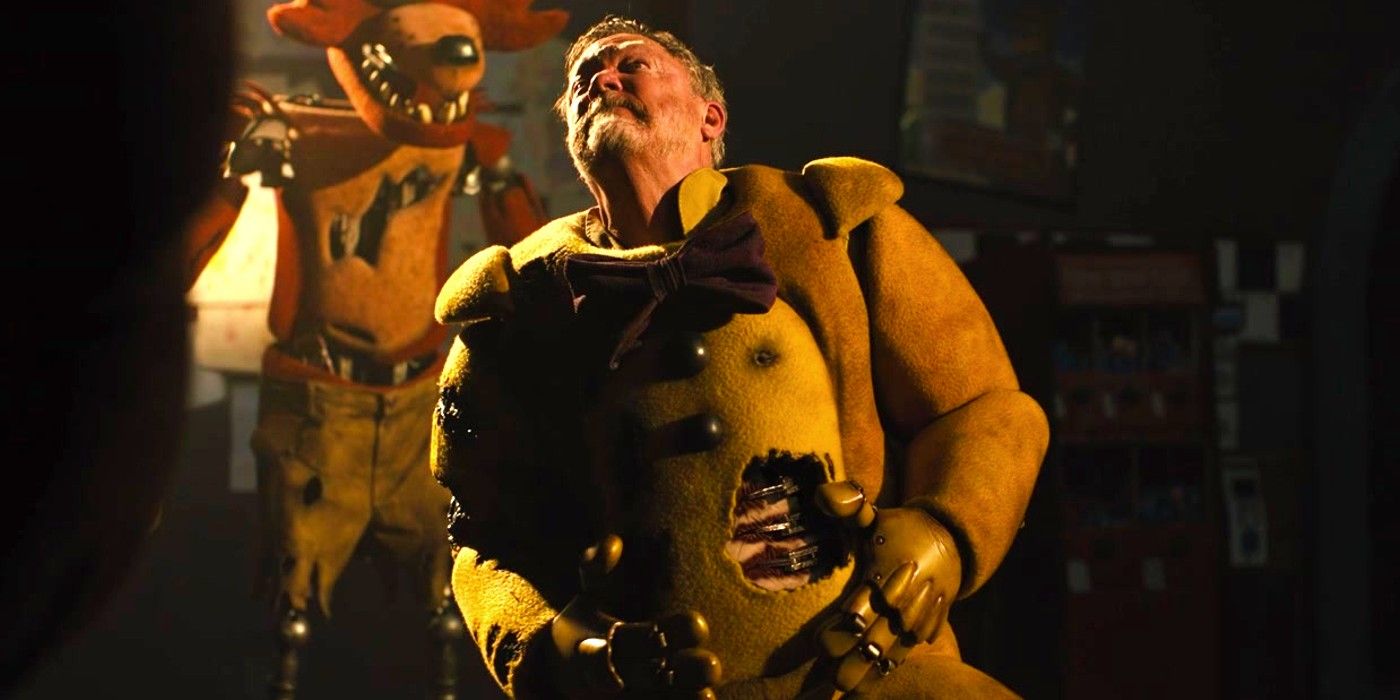
The Silver Screen Transition: Scaling the Identity
The 2023 Five Nights at Freddy’s film represented the ultimate scaling of the Afton brand. Casting Matthew Lillard—an actor with significant “genre equity”—to play Afton was a strategic masterstroke. It bridged the gap between the nostalgic “90s horror” aesthetic and the modern digital-native fan base. The film didn’t just tell Afton’s story; it solidified his status as a cinematic icon on par with Freddy Krueger or Michael Myers. This transition moved the brand from a niche digital subculture into the mainstream global consciousness, proving that a well-constructed antagonist can carry an entire franchise into the multi-hundred-million-dollar box office territory.
The Anatomy of an Intellectual Property: Why Afton Endures
To understand what happened to William Afton in a brand context, one must analyze the visual and psychological elements that make him an enduring IP. Afton is not just a character; he is a visual “system” that includes the Spring Bonnie suit, the Purple Guy sprite, and the “Springtrap” animatronic.
Psychological Branding and the Horror Archetype
Afton taps into the “mad scientist” and “corrupt creator” archetypes. In branding, archetypes provide a shorthand for consumers to understand a character’s role and emotional resonance. Afton represents the ultimate betrayal of the brand promise: Fazbear Entertainment promised “fun and games,” but Afton delivered “horror and tragedy.” This subversion of brand expectations is exactly what makes the FNAF IP so compelling. It creates a tension that keeps the audience engaged, waiting to see how the brand will continue to subvert its own cheerful facade.
Longevity Through Iterative Design
The brand’s resilience is also due to its iterative nature. William Afton is constantly rebranded within the games. He starts as a silhouette, becomes Springtrap (a decayed version of a brand mascot), then Scraptrap, and later digital manifestations like Glitchtrap and Burntrap. For a brand manager, this is akin to a “brand refresh.” Each iteration maintains the core DNA of the character while providing a new “look” that can be used for merchandising, promotional material, and new gameplay mechanics. This prevents brand fatigue and ensures that the character remains relevant to new generations of fans.
Case Study: Lessons for Modern Brand Architects
The trajectory of William Afton provides several key lessons for anyone looking to build a resilient brand in the digital age. It demonstrates that a brand is not just what you tell the consumer; it is the relationship between the creator, the content, and the community.
Community Engagement and the “Lore-First” Strategy
Modern brands often struggle with authenticity. The FNAF brand solved this by making the community an integral part of the narrative process. By acknowledging fan theories and sometimes even incorporating them into the brand’s canon, the creators fostered a level of loyalty that is rare in the entertainment industry. The lesson here is clear: successful modern brands are dialogues, not monologues. When the community asks “What happened to William Afton?”, the brand doesn’t just give an answer—it gives them the tools to find the answer themselves.

Managing Brand Consistency in a Non-Linear Narrative
Maintaining brand consistency across games, books, and movies is a monumental task, especially when the narrative is as fragmented as FNAF’s. However, the core attributes of William Afton—his purple color palette, his association with the rabbits, and his “I always come back” catchphrase—serve as brand anchors. These “distinctive brand assets” (DBAs) ensure that no matter how complex the story becomes, the character remains instantly recognizable. This is a vital lesson for corporate branding: identify your core assets and protect them fiercely, even as you innovate in other areas.
In conclusion, “what happened to William Afton” is a story of strategic brand evolution. From a nameless purple pixel to a multi-media titan, Afton represents the power of mystery-driven marketing and transmedia elasticity. He is a reminder that in the modern economy, the most valuable brands are those that can capture the imagination of a community and invite them to become part of the story. William Afton didn’t just survive the fires of his own narrative; he became the cornerstone of a global branding phenomenon that continues to redefine the boundaries of indie success.
aViewFromTheCave is a participant in the Amazon Services LLC Associates Program, an affiliate advertising program designed to provide a means for sites to earn advertising fees by advertising and linking to Amazon.com. Amazon, the Amazon logo, AmazonSupply, and the AmazonSupply logo are trademarks of Amazon.com, Inc. or its affiliates. As an Amazon Associate we earn affiliate commissions from qualifying purchases.