
In the landscape of global entertainment, few entities have managed to transition from a musical group to a permanent fixture of corporate and personal branding as successfully as the Village People. What began in 1977 as a targeted concept in the New York disco scene has evolved into a masterclass in brand strategy, visual identity, and intellectual property management. To understand “what happened to the Village People” is to look beyond the discography and analyze the mechanics of a brand that has survived shifting cultural tides, legal ownership battles, and the digital revolution.
The Architecture of Character Branding
The success of the Village People was never accidental. It was a calculated effort in “character branding”—a strategy that involves creating distinct, recognizable personas that the audience can immediately identify and relate to. Unlike other bands of the late 70s that relied on individual personalities or musical virtuosity, the Village People were built on archetypes.
Identifying the Archetypes
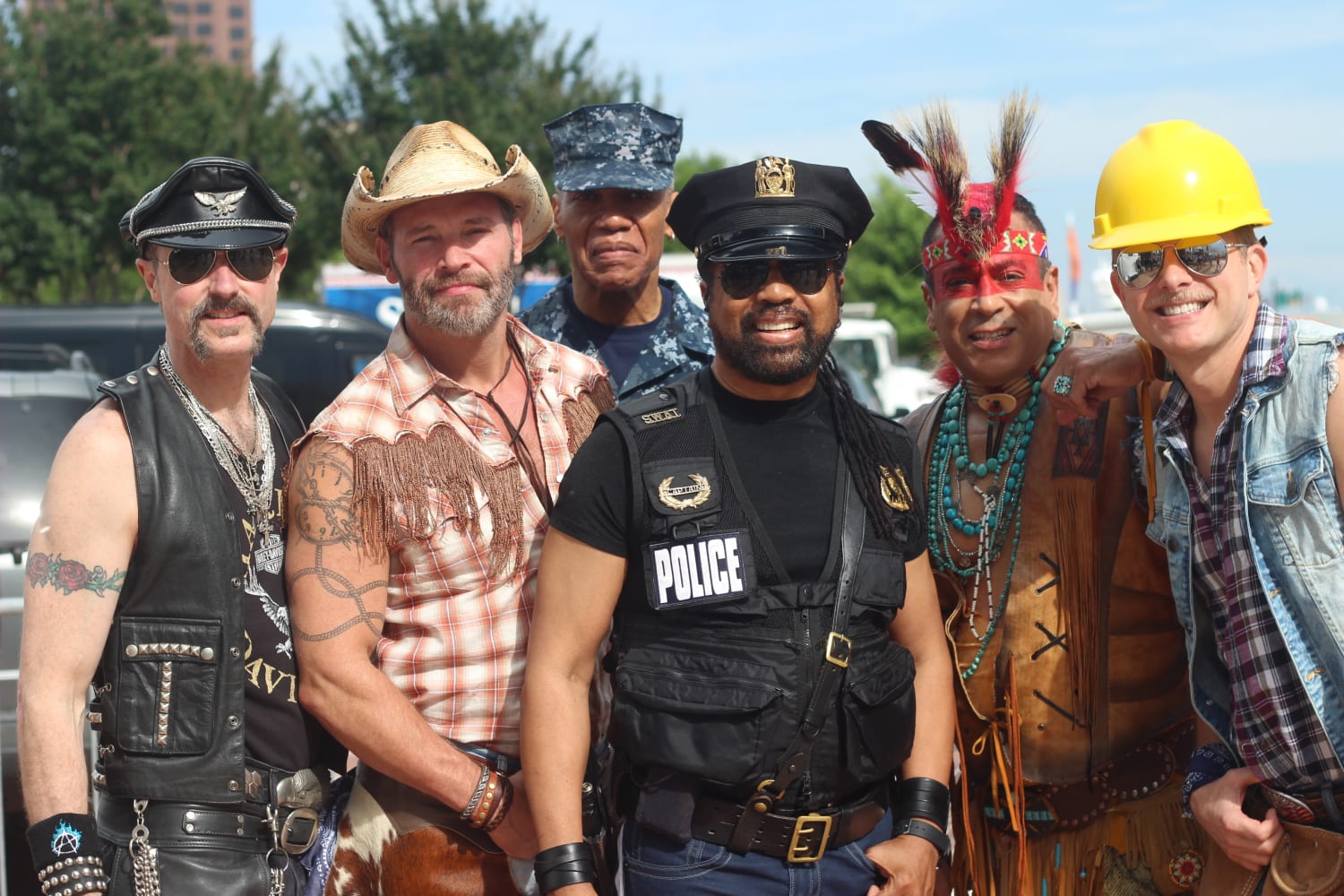
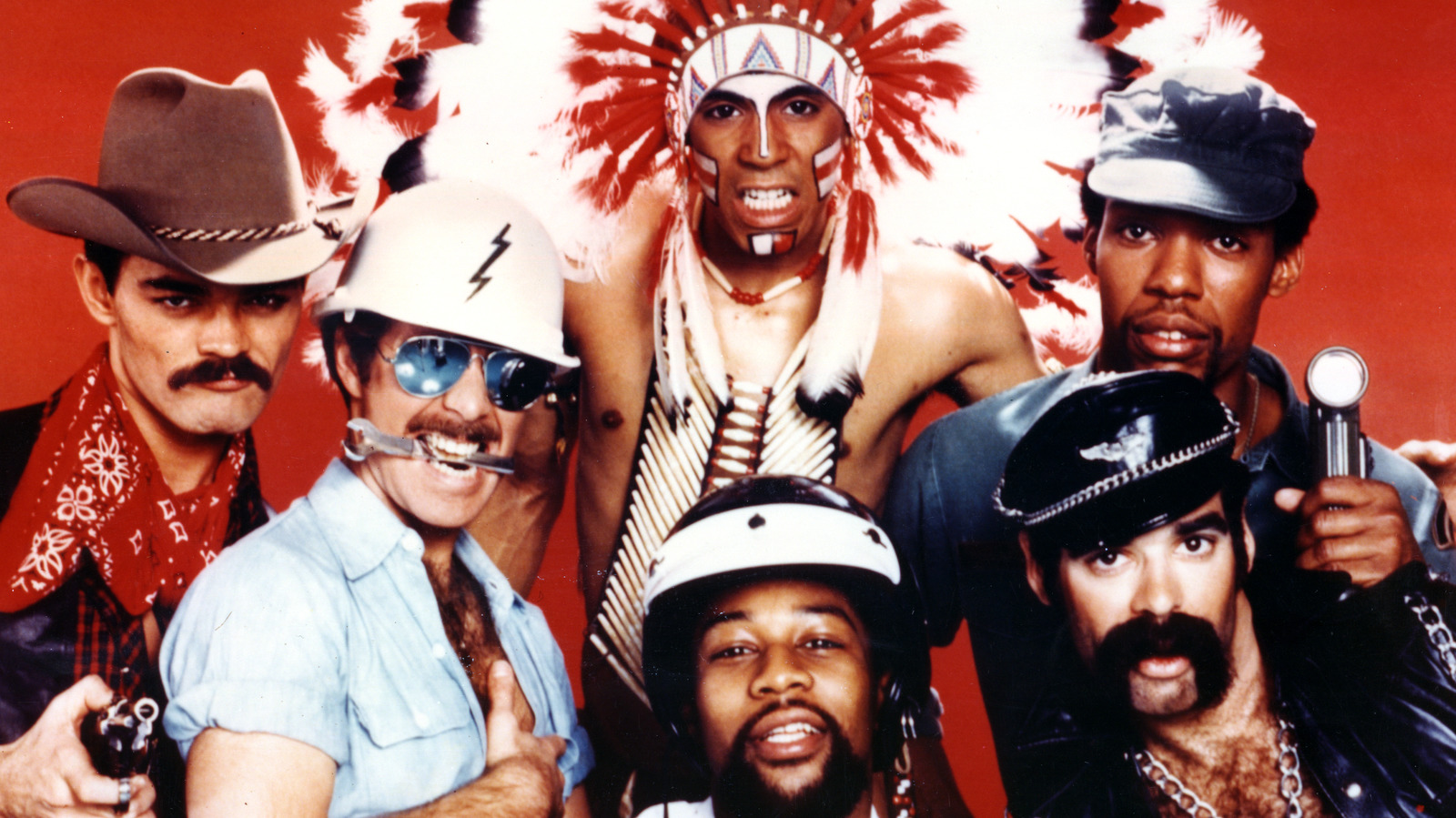
The brand was founded by French producers Jacques Morali and Henri Belolo, who recognized the power of visual shorthand. By selecting archetypes—the Police Officer, the Native American, the Cowboy, the Construction Worker, the Leatherman, and the G.I.—the group bypassed the need for traditional celebrity building. Each member represented a specific segment of the American “macho” mythos. From a branding perspective, this allowed the group to appeal to diverse demographics simultaneously: the LGBTQ+ community recognized the camp and subculture references, while the mainstream public saw a high-energy, costume-driven performance group.
Constructing a Visual Identity
Consistency is the cornerstone of any strong brand, and the Village People maintained a visual identity that was ironclad. Their costumes were not merely stage outfits; they were a uniform. In marketing terms, this created an “instant recall” effect. Whether it was a silhouette on an album cover or a brief appearance in a television commercial, the brand was unmistakable. This commitment to visual consistency ensured that even as individual members changed over the decades, the “Village People” brand remained intact and recognizable to a global audience.
Intellectual Property and the Battle for the Brand Name
One of the most significant chapters in the story of what happened to the Village People involves the high-stakes world of intellectual property (IP) and brand ownership. As the group transitioned from a contemporary act to a legacy brand, the question of who owned the rights to the name and the hits became a landmark case in the music industry.
The Victor Willis Legal Precedents
Victor Willis, the original lead singer and “Police Officer,” was the lyrical co-writer of many of the group’s biggest hits, including “Y.M.C.A.,” “Macho Man,” and “In the Navy.” In the 2010s, Willis became a central figure in a legal battle regarding “termination rights” under the U.S. Copyright Act of 1976. This act allows creators to reclaim ownership of their works after 35 years.
Willis’s successful pursuit of these rights was a watershed moment for brand strategy in the arts. It demonstrated that a brand is not just a logo or a name, but a collection of intellectual assets. By regaining control of his songs, Willis essentially reclaimed the “voice” of the brand. This legal maneuver forced a restructuring of how the Village People brand operated, eventually leading to Willis returning as the lead of the official touring entity.
Brand Continuity Amidst Personnel Changes
A perennial challenge for any brand built on human representatives is “succession planning.” How does a brand survive when the original faces retire or move on? The Village People handled this by treating their roles like franchise positions. Just as a corporation might replace a CEO while keeping the corporate identity the same, the Village People replaced “The Cowboy” or “The Construction Worker” as needed.
However, this led to a “split-brand” scenario for many years, where different iterations of the group were touring simultaneously. This fragmentation is a cautionary tale in brand management; without a central authority or trademark clarity, a brand’s value can be diluted. The eventual consolidation of the brand under Victor Willis’s leadership served to re-establish the “Official” brand identity, proving that in the long run, authenticity and legal clarity are essential for brand equity.
Cultural Ubiquity and the “Y.M.C.A.” Marketing Effect
The Village People did not just survive; they achieved a level of “cultural ubiquity” that most brands only dream of. Their primary product—the song “Y.M.C.A.”—ceased to be just a track and became a participatory event. This is the ultimate goal of experiential marketing: turning a product into an experience that the consumer feels a part of.
Cultural Ubiquity as a Marketing Strategy
When a brand becomes part of the “public square,” its marketing budget can effectively drop to zero because the public does the work for them. “Y.M.C.A.” is played at nearly every wedding, sporting event, and corporate party globally. The associated arm movements are a form of “kinetic branding”—a physical action that reinforces brand recognition.
This level of saturation ensured that the Village People remained relevant even during decades when they weren’t producing new music. They became a “safe” brand for family-friendly events while maintaining their cult status in adult-oriented spaces. This dual-market positioning is a rare feat in brand strategy, allowing for maximum reach across all age and social brackets.
Monetizing Nostalgia Through Sync Licensing
The financial longevity of the Village People is heavily tied to “Sync Licensing”—the process of licensing music for use in films, commercials, and video games. From Pepsi commercials to blockbuster movies like Despicable Me 2, the brand has leveraged nostalgia to remain financially robust.
Nostalgia is a powerful marketing tool because it bypasses critical filters and taps directly into the consumer’s emotional history. By licensing their image and music to brands that want to evoke a “fun, high-energy, and inclusive” atmosphere, the Village People have maintained a steady stream of revenue that far exceeds their original record sales. They have effectively transitioned from being “musicians” to being a “licensed asset.”
Brand Pivot: Navigating Modern Sensibilities and the Digital Era
In the modern era, “what happened” to the brand involves a delicate balance of preservation and adaptation. As cultural conversations around identity and representation have evolved, the Village People brand has had to navigate its legacy with care.
Maintaining Authenticity in a Post-Disco World
The “Disco Sucks” movement of the late 70s destroyed many brands in the genre. The Village People survived because they weren’t just a disco band; they were a parody, a celebration, and a visual spectacle. In the 21st century, they have leaned into the “retro-chic” trend. Rather than trying to modernize their sound with EDM or hip-hop influences, they have doubled down on their classic 70s aesthetic.
In branding, this is known as “Heritage Positioning.” By refusing to change, they have become an “authentic” artifact of their era. This makes them more valuable to festivals (like Glastonbury or Riot Fest) that want to provide a specific, nostalgic experience for their attendees.
Adapting to the Digital Era and Social Media
The digital age requires brands to be interactive. The current iteration of the Village People uses social media not just to announce tour dates, but to engage with the “meme-ification” of their brand. They understand that their costumes and songs are perfect for short-form video platforms like TikTok and Instagram Reels.
By encouraging fans to recreate the dances and wear the costumes, they are effectively crowdsourcing their marketing. The brand has moved from a “one-to-many” broadcast model (TV and Radio) to a “many-to-many” social model. This ensures that a new generation—Gen Z and Alpha—is introduced to the brand characters, not as dusty figures from their parents’ record collection, but as vibrant, “remixable” icons.
Conclusion: The Immortal Brand
What happened to the Village People is a success story of brand endurance. Through the clever use of archetypes, aggressive protection of intellectual property, and a mastery of experiential marketing, they have transcended the limitations of the music industry. They are no longer just a group of men in costumes; they are a global trademark that represents a specific type of joy, inclusivity, and Americana.
As long as there are celebrations that require a “unifying” anthem and as long as the visual shorthand of the Cowboy or the Police Officer remains part of the cultural lexicon, the Village People brand will continue to thrive. They serve as a definitive case study for any brand strategist: when you build a brand on universal archetypes and protect your core assets, you don’t just create a product—you create a legacy.
aViewFromTheCave is a participant in the Amazon Services LLC Associates Program, an affiliate advertising program designed to provide a means for sites to earn advertising fees by advertising and linking to Amazon.com. Amazon, the Amazon logo, AmazonSupply, and the AmazonSupply logo are trademarks of Amazon.com, Inc. or its affiliates. As an Amazon Associate we earn affiliate commissions from qualifying purchases.