
In the world of professional sports, few names carry the same weight, prestige, and marketability as Tiger Woods. While much of the world focuses on his 15 major championships and his unprecedented dominance on the PGA Tour, brand strategists and personal branding experts often look deeper into the foundation of this multi-billion dollar empire. At the heart of that foundation is Kultida “Tida” Woods.
When people ask “what happened to Tiger Woods’ mom,” they are often searching for her current whereabouts or her public presence. However, from a brand strategy perspective, the more pertinent question is: how did she architect the most resilient personal brand in sports history? Kultida Woods was not merely a supportive parent; she was the primary guardian of the Tiger Woods “Corporate Identity” long before he turned professional.

The Cultural Fusion: Crafting a Global Brand Identity
A personal brand is often defined by its origin story. For Tiger Woods, that story is inextricably linked to Kultida’s background. Born in Thailand, Kultida met Earl Woods during the Vietnam War, and her influence introduced a level of cultural depth to Tiger’s brand that was revolutionary for the late 1990s.
The “Tida” Influence: Discipline as a Brand Value
In brand management, consistency and discipline are the hallmarks of a premium product. Kultida famously instilled a “military-grade” discipline in Tiger. While Earl provided the tactical golf training, Kultida provided the mental fortitude. She was the one who enforced the “Tiger” persona—a brand built on focus, intimidation, and an unbreakable will.
This discipline became a core brand value. When fans bought Tiger-branded Nike gear or TaylorMade clubs, they weren’t just buying golf equipment; they were buying into a philosophy of uncompromising excellence. Kultida’s role was to ensure that the “Tiger” brand remained a symbol of perfectionism, which allowed it to command premium pricing in the endorsement market.
Diversity as a Market Differentiator
Long before “Diversity, Equity, and Inclusion” (DEI) became standard corporate terminology, Kultida’s heritage helped Tiger Woods occupy a unique space in the market. He famously referred to himself as “Cablinasian” (Caucasian, Black, American Indian, and Asian). This multi-ethnic identity, heavily anchored by Kultida’s Thai roots, allowed the Tiger Woods brand to transcend the traditional demographics of golf.
By embracing both sides of his heritage, Tiger’s brand became globally accessible. In Asia, particularly in Thailand, he was viewed as a local hero, which opened up massive sponsorship opportunities in the Eastern hemisphere. Kultida was the bridge that allowed the brand to scale globally, proving that a well-positioned personal brand can break through cultural and geographic barriers.
Crisis Management and the Resilience of the Woods Brand
The true test of any brand is how it handles a crisis. In 2009, Tiger Woods faced a public relations disaster that threatened to dismantle his entire corporate identity. During this period, the world watched to see who would stay and who would go. Kultida Woods’ role during this era provides a masterclass in brand loyalty and reputation management.
The Silent Pillar Strategy
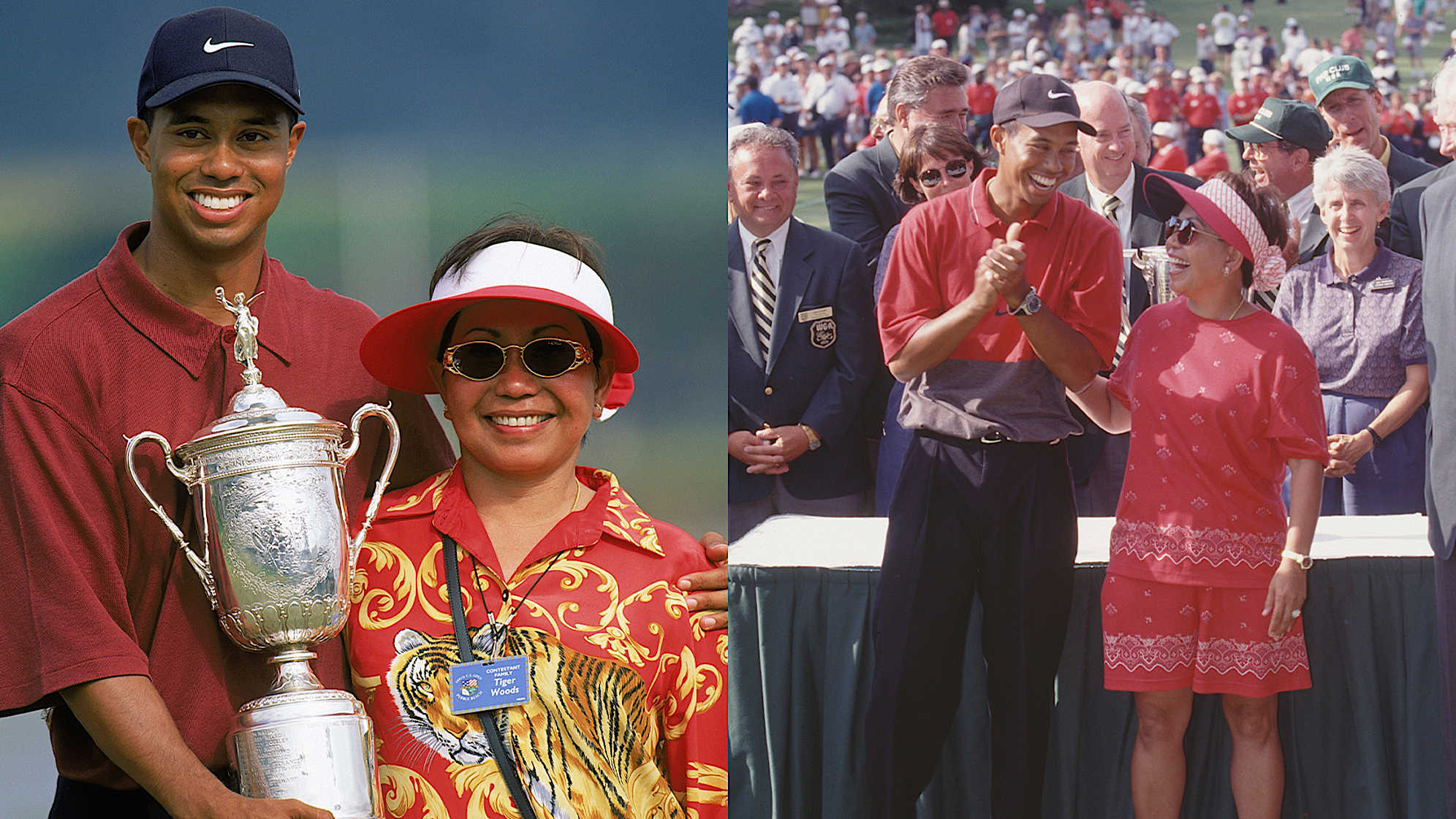
In crisis communication, sometimes the most powerful message is the one that isn’t spoken. While Tiger was undergoing a public “rebranding” through televised apologies and a hiatus from the sport, Kultida remained a silent, constant presence. Her visibility at his side during his first public statement in February 2010 was a strategic visual cue.
By standing by her son, she provided a “moral anchor” for the brand. In the eyes of the public and sponsors, her presence suggested that the core of the man—and by extension, the brand—was still salvageable. She wasn’t a PR spokesperson; she was a brand validator. Her silent support communicated that while the brand had suffered a “product defect” (the scandal), the factory (the family values) was still intact.
Navigating Public Perception and Forgiveness
Kultida Woods’ presence during Tiger’s 2019 Masters comeback was another pivotal moment in brand history. The image of Tiger hugging his mother behind the 18th green, 22 years after they shared a similar hug at his first Masters victory, completed one of the greatest “Brand Redemption” arcs in history.
From a marketing standpoint, this moment humanized a brand that had become synonymous with robotic precision and, later, tabloid scandal. It reminded the consumer of the brand’s longevity and its ability to overcome adversity. Kultida wasn’t just “Tiger’s mom” in that moment; she was the symbol of the brand’s enduring legacy.
The Legacy Phase: From Active Management to Philanthropic Icon
As Tiger Woods enters the twilight of his competitive career, the brand has shifted from “Active Dominance” to “Legacy and Philanthropy.” The question of “what happened to Kultida” is answered by her continued involvement in the TGR Foundation, which serves as the brand’s corporate social responsibility (CSR) arm.
The TGR Foundation: Branding Through Impact
Modern consumers demand that brands stand for more than just profit. The TGR Foundation, which Kultida has supported since its inception in 1996, is a key component of the Tiger Woods brand architecture. By focusing on education and underserved youth, the foundation shifts the narrative from “Tiger the Golfer” to “Tiger the Philanthropist.”
Kultida’s influence is woven into the foundation’s DNA. Her belief in the power of education—a value she brought from her upbringing in Thailand—is a cornerstone of the foundation’s mission. This transition into philanthropy ensures that the brand remains relevant even after Tiger stops winning tournaments. It creates a “brand halo” that protects his legacy for decades to come.
Passing the Torch to Charlie and Sam
The evolution of a personal brand often involves succession planning. We are currently seeing the “Tiger Woods” brand expand to include his children, Sam and Charlie. Kultida’s role has shifted to that of the matriarch, overseeing the third generation of this brand dynasty.
By stepping out of the spotlight and allowing the focus to shift to Charlie’s burgeoning golf career and Sam’s public appearances, Kultida is facilitating a seamless brand transition. She remains the “Brand Custodian,” ensuring that the values of hard work and privacy—which she instilled in Tiger—are passed down to the next generation of the Woods family identity.
Strategic Branding Lessons from the Life of Kultida Woods
The story of Kultida Woods offers several high-level lessons for entrepreneurs, executives, and personal brand managers. Her “disappearance” from the tabloid headlines is not a sign of absence, but a strategic choice to maintain the dignity of the family brand.
The Importance of a Supportive Inner Circle
A brand is only as strong as the people who manage it behind the scenes. Kultida represents the “Inner Circle” strategy—a small, highly trusted group of advisors who protect the brand’s core interests. In an era of social media overexposure, her ability to remain private while exerting massive influence is a lesson in “Quiet Branding.” She proves that you don’t need to be the loudest person in the room to be the most influential person in the strategy meeting.

Consistency and the Long Game in Personal Branding
Most personal brands fail because they chase short-term trends. Kultida Woods taught Tiger to play the “Long Game.” Whether it was refusing to let him play golf if his grades weren’t perfect or standing by him during his lowest points, her focus was always on the decades-long trajectory, not the weekend headline.
In conclusion, when we analyze what happened to Tiger Woods’ mom, we find a woman who has successfully transitioned from the “Brand Architect” of a young prodigy to the “Matriarch” of a global institution. She remains a vital, albeit more private, part of the Woods empire. Her legacy is not just in the trophies her son won, but in the enduring, resilient, and multi-faceted brand that continues to lead the sports world today. For any brand looking to build a legacy that lasts for 25+ years, the Kultida Woods model of discipline, cultural integration, and silent resilience is the ultimate blueprint.
aViewFromTheCave is a participant in the Amazon Services LLC Associates Program, an affiliate advertising program designed to provide a means for sites to earn advertising fees by advertising and linking to Amazon.com. Amazon, the Amazon logo, AmazonSupply, and the AmazonSupply logo are trademarks of Amazon.com, Inc. or its affiliates. As an Amazon Associate we earn affiliate commissions from qualifying purchases.