
The trajectory of Surge soda is not merely a story of a discontinued beverage; it is a foundational case study in brand strategy, the power of challenger positioning, and the evolving relationship between corporate giants and cult fanbases. Launched by The Coca-Cola Company in the late 1990s, Surge was designed with a singular, aggressive purpose: to decapitate the market dominance of PepsiCo’s Mountain Dew.
What followed was a decade-long roller coaster that saw the brand reach the heights of cultural ubiquity, vanish into the abyss of discontinuation, and eventually return through the sheer force of digital consumer advocacy. To understand what happened to Surge is to understand the shifting paradigms of brand identity and the potency of nostalgia as a marketing tool.
The Birth of a Challenger Brand: Coca-Cola’s War on Mountain Dew
In the mid-1990s, the “soda wars” were at a fever pitch. While Coca-Cola dominated the cola segment, they were significantly lagging in the “heavy citrus” category. PepsiCo’s Mountain Dew had successfully captured the youth demographic, aligning itself with the burgeoning “extreme sports” culture. Coca-Cola needed a counter-strike. That strike was Surge.
Identifying the Market Gap: The “Extreme” 90s Aesthetic
The brand strategy behind Surge was meticulously crafted to appeal to Gen X and early Millennials. During this era, “extreme” was the operative word in marketing. From the X-Games to grunge music, the youth culture was defined by high energy and a rejection of traditional corporate polish.
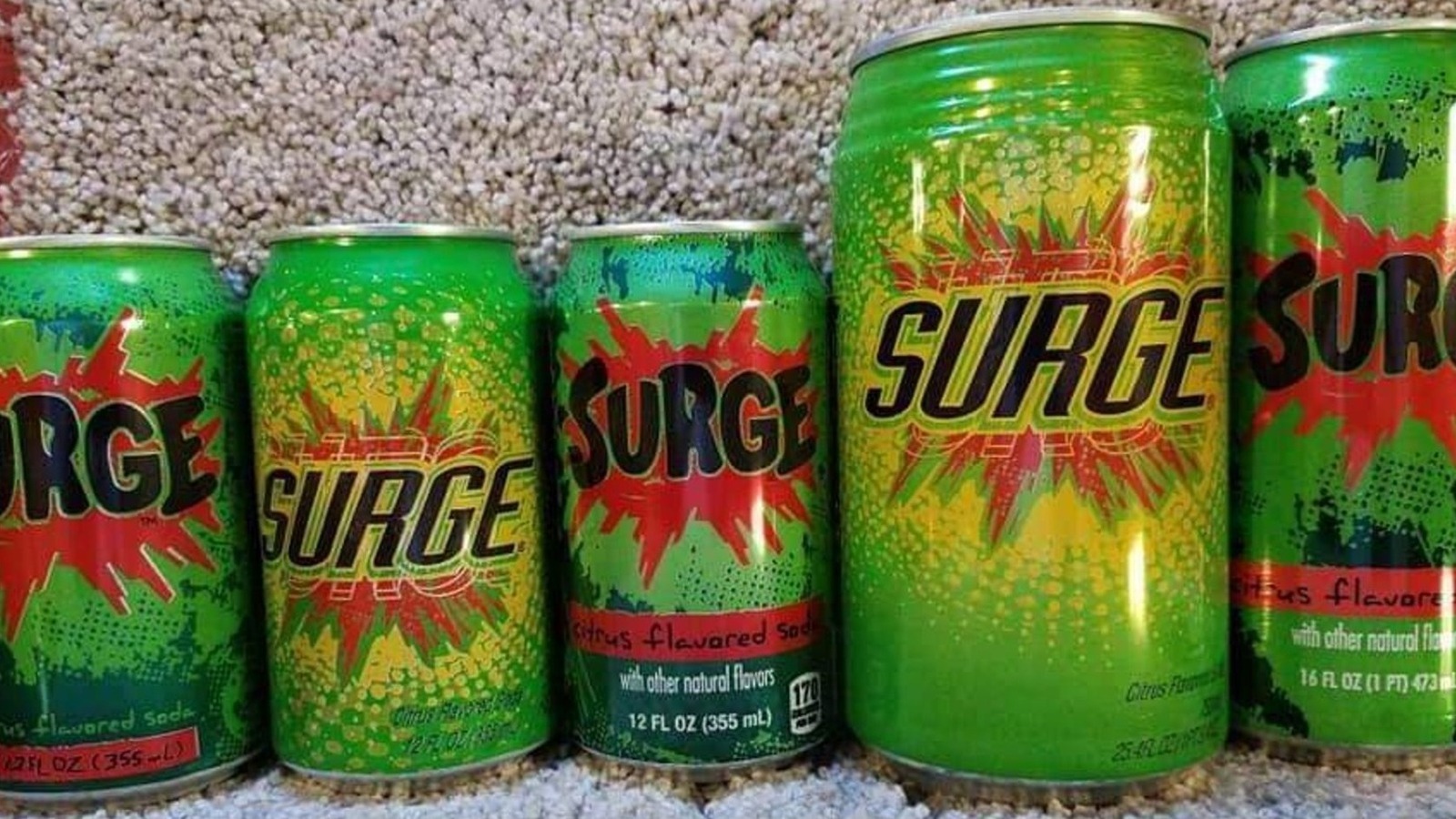
Surge’s brand identity reflected this perfectly. The logo featured jagged, “slashed” typography; the color palette was a neon “uranium” green and bright orange; and the messaging centered on “The Urge to Surge.” By positioning the drink as a high-caffeine, high-carb fuel for an active, rebellious lifestyle, Coca-Cola created a brand that felt less like a product from a century-old conglomerate and more like a badge of subcultural identity.
Brand Identity: Visuals, Caffeine, and “Maltodextrin”
Surge didn’t just compete on flavor; it competed on intensity. The brand emphasized its inclusion of maltodextrin (a complex carbohydrate) and its high caffeine content. In terms of brand architecture, Surge was designed to be the antithesis of the refined, family-friendly Coca-Cola Classic. It was loud, chaotic, and unapologetically bold. This “challenger brand” mindset allowed it to gain significant market share rapidly, as it successfully siphoned off younger consumers who felt Mountain Dew had become too mainstream.
Strategic Missteps and the Disappearance from Shelves
Despite a massive $50 million launch and a high-profile Super Bowl commercial in 1997, the momentum of Surge began to stall by the early 2000s. The decline was not due to a failure of the product itself, but rather a shift in the external environment and a loss of internal strategic focus.
The Difficulty of Dislodging an Established Category Leader
In brand strategy, the “First-Mover Advantage” is a powerful force. Mountain Dew had decades to cement its identity as the definitive citrus soda. While Surge was a formidable challenger, it struggled to maintain its “cool” factor once the novelty wore off. Maintaining a challenger brand requires constant reinvention to stay ahead of the curve. As the “extreme” trend began to fade into the more polished, digital-focused aesthetic of the early 2000s, Surge’s brand identity began to feel like a relic of a passing fad rather than a timeless icon.
Shifts in Consumer Health Consciousness and Corporate Consolidation
The early 2000s marked the beginning of a significant cultural shift toward health and wellness. High-sugar, high-caffeine sodas faced increasing scrutiny from parents and school boards. Across the United States, school districts began removing soda machines, which were a primary distribution channel for Surge’s target demographic.
Simultaneously, Coca-Cola began to diversify its portfolio, investing more heavily in water, juices, and sports drinks like Powerade. In the cold calculus of corporate brand management, Surge began to look like an underperformer that required too much marketing spend to maintain. By 2003, production was officially ceased, and Surge disappeared from the market, leaving behind only a fading memory—or so the corporation thought.
The “Surge Movement”: Cult Branding and Digital Advocacy
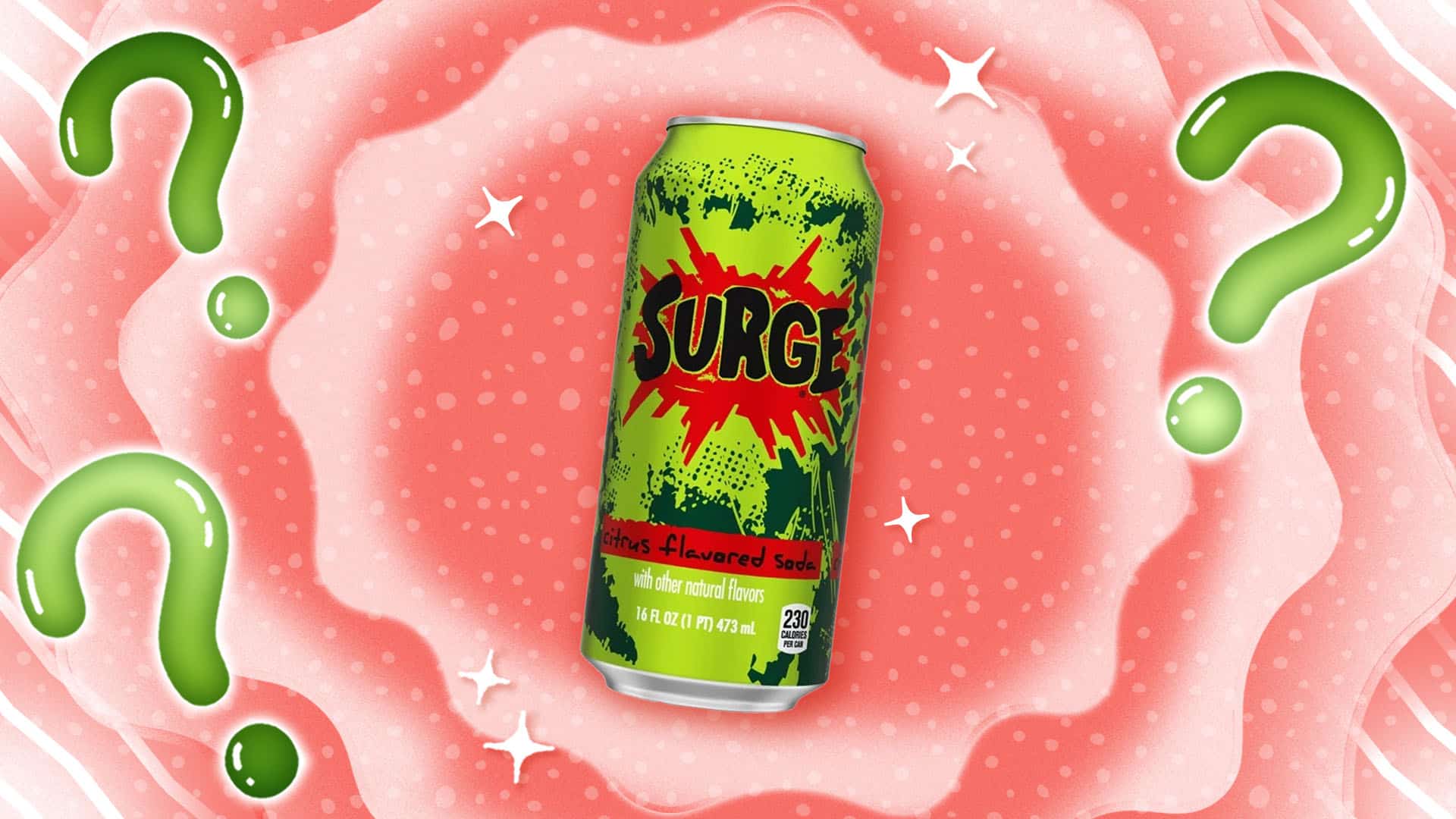
The disappearance of Surge created a vacuum that allowed for the birth of one of the most significant consumer-led brand revivals in history. This phase of the Surge story is a masterclass in “Cult Branding,” where the brand is no longer owned by the company, but by the community that loves it.
Leveraging Early Social Media for Brand Revival
In the years following Surge’s discontinuation, a small but dedicated group of fans organized online. This culminated in the formation of “The Surge Movement” on Facebook. Unlike typical fan pages, this group operated with the strategic precision of a marketing firm. They didn’t just post memes; they organized “buy-ins,” where thousands of fans would call Coca-Cola’s consumer hotline on a specific day to request the drink’s return.
The movement famously raised thousands of dollars through crowdfunding to purchase a billboard just a few miles from Coca-Cola’s headquarters in Atlanta. The message was simple: “Dear Coke, we couldn’t buy Surge, so we bought this billboard instead.” This was a pivotal moment in brand strategy—it demonstrated that the brand still possessed immense “emotional equity,” a metric that is often more valuable than immediate sales figures.
The Power of the Super-Fan in Modern Branding
The Surge Movement proved a vital lesson for brand managers: a brand is a promise made to a consumer. When that promise is retracted, the most loyal consumers feel a sense of loss. By ignoring this niche but passionate audience, Coca-Cola was leaving money on the table. The movement served as a massive, free market-research project, proving to the parent company that there was a guaranteed “bottom-up” demand for the product, significantly lowering the risk of a relaunch.
The Relaunch Strategy: Scarcity, Exclusivity, and the Amazon Experiment
In 2014, Coca-Cola did the unthinkable: they brought Surge back. However, the relaunch was not a traditional mass-market rollout. It was a sophisticated, digitally-led strategy that utilized modern distribution channels to mitigate risk.
Direct-to-Consumer (DTC) as a Testing Ground
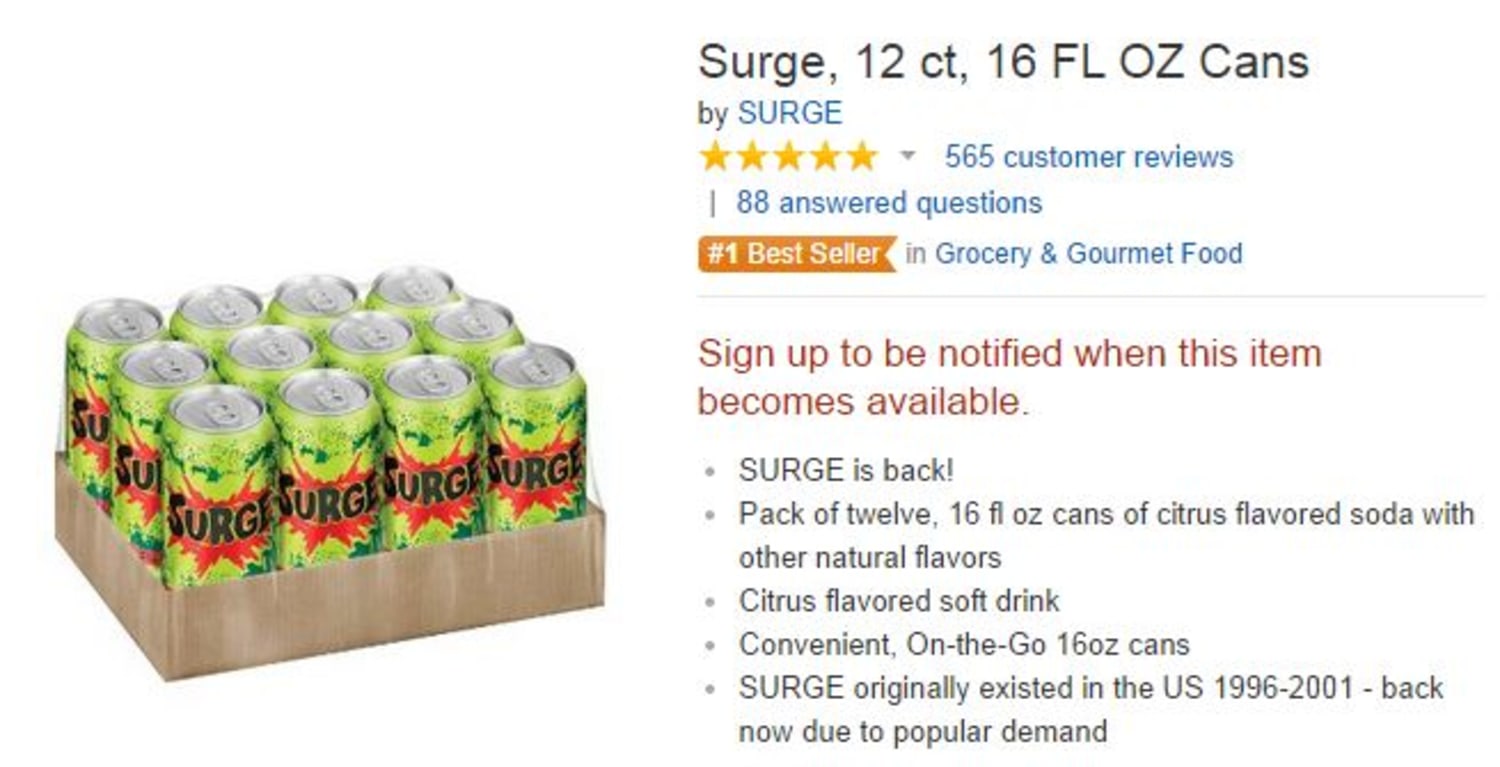
Instead of immediately fighting for shelf space in grocery stores—a costly and competitive endeavor—Coca-Cola partnered with Amazon for an exclusive online-only release. This was a stroke of strategic genius. By selling Surge in 12-packs via e-commerce, they bypassed the traditional bottling and distribution hurdles.
The launch was a phenomenal success; the product sold out within hours, crashing the Amazon grocery pages. This “scarcity model” served two purposes: it generated massive PR buzz and it allowed Coca-Cola to collect precise data on where their customers were located, which would eventually inform their physical retail strategy.
The Halo Effect on the Parent Brand
The return of Surge wasn’t just about selling soda; it was about brand perception. By listening to the fans and bringing back a “dead” product, Coca-Cola humanized its corporate image. It showed that a massive conglomerate could be responsive to its community. This created a “halo effect,” where the positive sentiment surrounding the Surge relaunch improved the overall brand health of Coca-Cola’s broader portfolio.
Following the Amazon success, Surge was gradually reintroduced to physical retail in select regions and added to “Coca-Cola Freestyle” machines. The brand was repositioned not as a Mountain Dew killer, but as a “legacy brand” fueled by nostalgia.
Conclusion: Lessons for Modern Brand Managers
The story of Surge provides several timeless lessons for brand strategy and corporate identity. First, it highlights the importance of niche loyalty. A brand doesn’t need to appeal to everyone if it has a “tribe” of advocates who are willing to fight for its existence.
Second, it illustrates the Power of Nostalgia. In an increasingly fast-paced and digital world, brands that can authentically tap into a consumer’s past have a massive competitive advantage. Surge isn’t just a citrus soda to its fans; it is a portal to the late 90s, a symbol of youth and rebellion.
Finally, the Surge case study proves that distribution is as much a branding tool as the logo itself. By utilizing DTC channels and exclusive partnerships, Coca-Cola managed to revive a dead brand with minimal overhead, proving that in the modern era, the path to market is as flexible as the brand’s identity itself. What happened to Surge wasn’t an ending—it was a blueprint for how brands can evolve, disappear, and return stronger by simply listening to the voices of those who refuse to let them go.
aViewFromTheCave is a participant in the Amazon Services LLC Associates Program, an affiliate advertising program designed to provide a means for sites to earn advertising fees by advertising and linking to Amazon.com. Amazon, the Amazon logo, AmazonSupply, and the AmazonSupply logo are trademarks of Amazon.com, Inc. or its affiliates. As an Amazon Associate we earn affiliate commissions from qualifying purchases.