
The question of “what happened to Sha’Carri Richardson” is one that transcends the boundaries of track and field. While sports commentators might focus on her 100-meter dash times or her blocks starts, brand strategists look at Richardson as a seminal case study in modern identity construction. Her journey from a disqualified Olympic hopeful to a world-champion icon is not merely a sports story; it is a masterclass in how a personal brand can survive a catastrophic crisis, pivot through authenticity, and ultimately achieve a level of market dominance that few athletes ever reach.
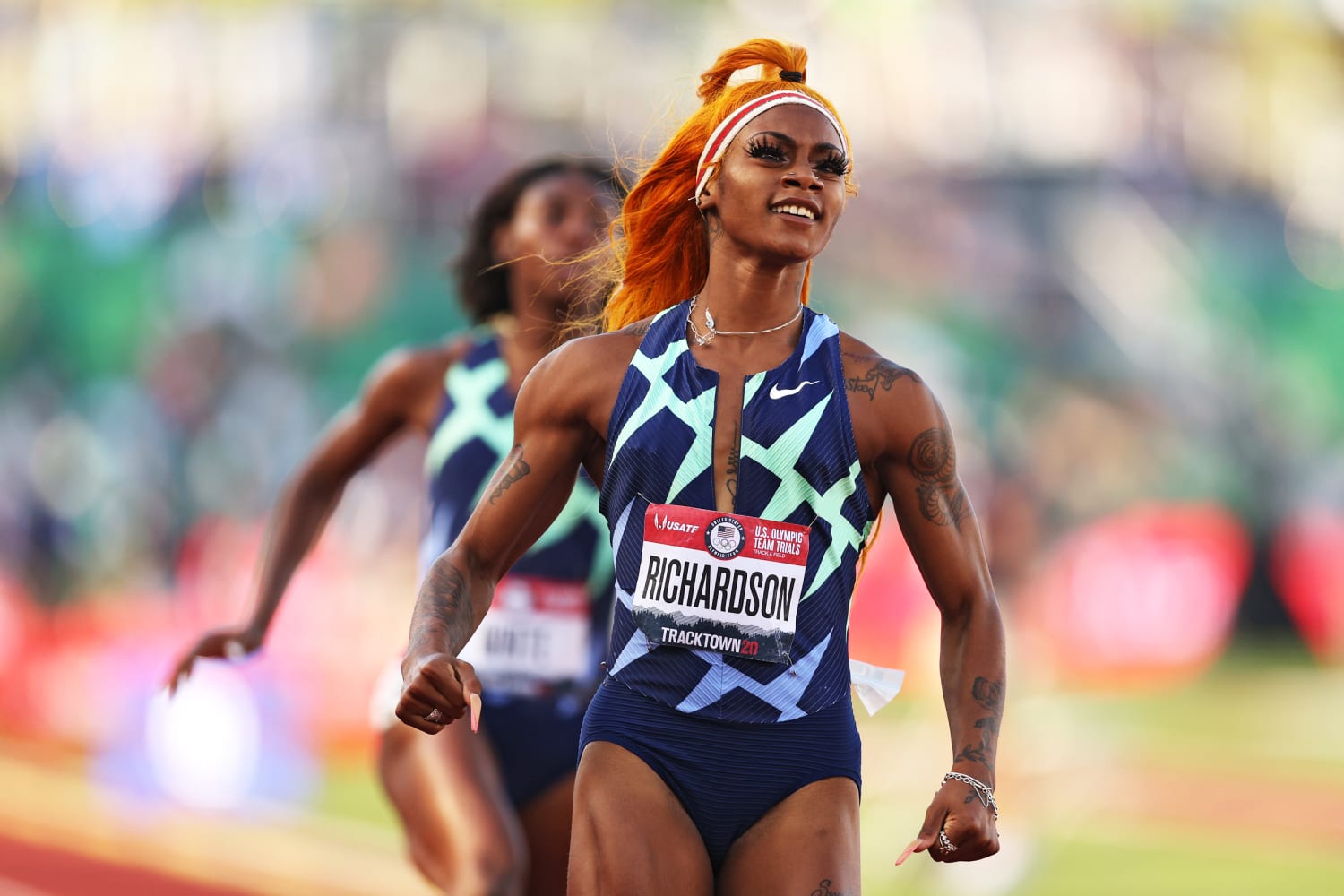
In the world of brand strategy, Richardson represents the “Challenger” archetype—a figure who disrupts established norms and forces the audience to reconsider their values. To understand what happened to her is to understand the evolution of the athlete-as-a-brand in the digital age.
1. The Architecture of an Unapologetic Brand Identity
The foundation of Sha’Carri Richardson’s brand was laid long before she became a household name. Unlike many athletes who opt for a sterilized, “safe” corporate image, Richardson leaned into a visual and personality-driven narrative that was visceral, colorful, and defiant.
The Power of Visual Signifiers
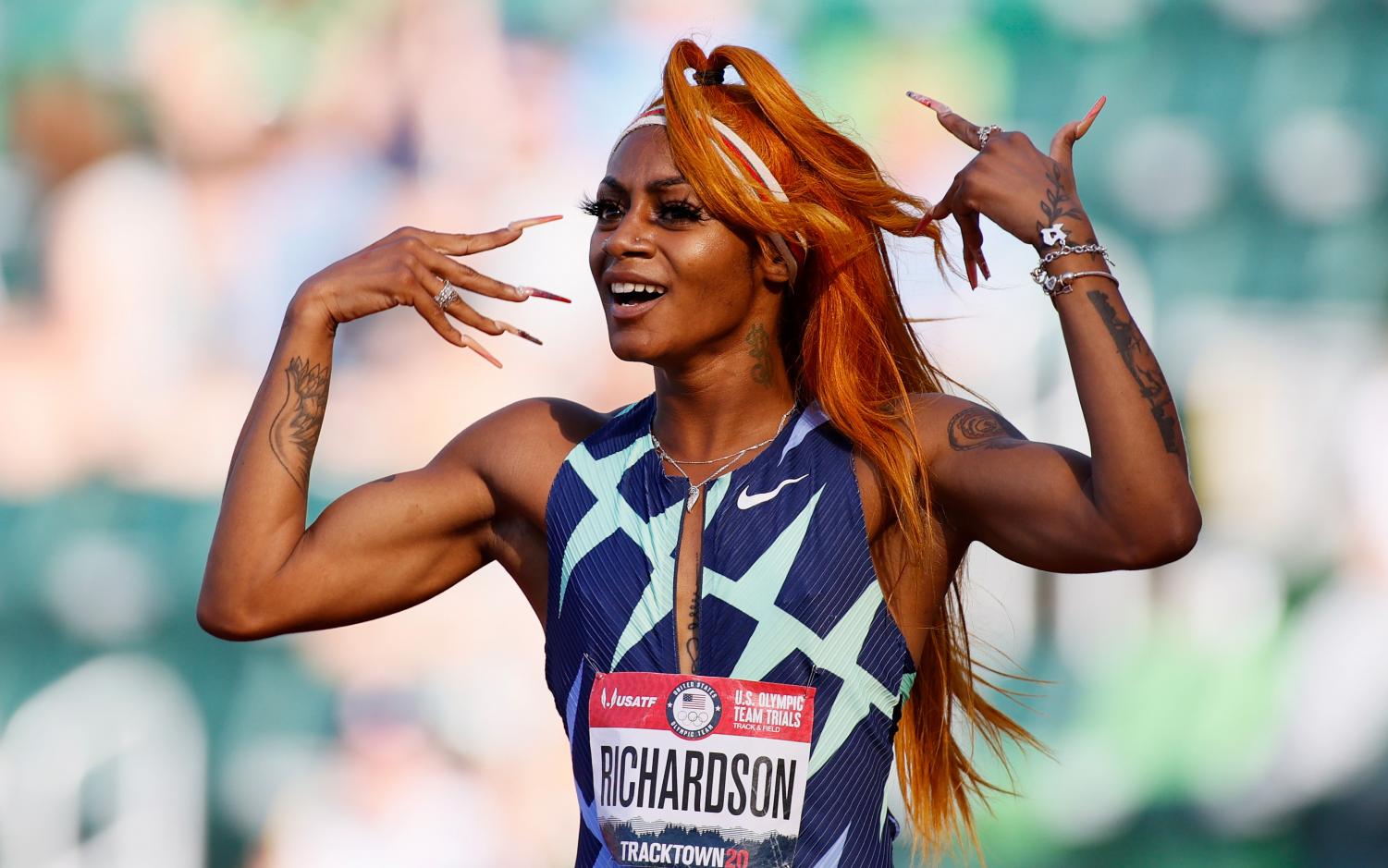
From a brand strategy perspective, Richardson utilized visual “hooks” that made her instantly recognizable. Her signature long, ornate nails and ever-changing hair colors served as more than just personal expression; they were brand assets. Similar to how the Nike “Swoosh” or Apple’s minimalist aesthetic creates instant recognition, Richardson’s aesthetic signaled a bridge between the legendary style of Florence Griffith Joyner (Flo-Jo) and the modern “baddie” culture of Gen Z. This visual consistency ensured that even when she wasn’t on the track, her image remained burned into the public consciousness.
Authenticity as a Market Differentiator
In the early stages of her career, the brand was built on the “I’m That Girl” persona—a high-confidence, high-performance identity. This was not a manufactured corporate mask but a raw display of talent and ego. In branding, “perceived authenticity” is the highest currency. By refusing to dim her personality to fit the traditional mold of a track athlete, she occupied a “Blue Ocean” in the market—a space where she had no direct competition for attention.
2. Crisis Management: Turning Adversity into Brand Equity
The true test of any brand is how it handles a crisis. In 2021, when Richardson was suspended from the Tokyo Olympics following a positive test for THC, the question “what happened to Sha’Carri Richardson” took on a somber tone. For most brands, a public fall from grace leads to a permanent loss of value. For Richardson, it became the catalyst for a brand evolution.
The “Humanity First” Pivot
Instead of hiding behind PR statements or legal jargon, Richardson took the rare step of total transparency. Her appearance on the Today show, where she uttered the now-famous line, “I’m human,” was a pivotal moment in crisis communications. By taking accountability while explaining the context (coping with the death of her biological mother), she shifted the narrative from “disgraced athlete” to “vulnerable human.” In brand strategy, this is known as “humanizing the brand,” which fosters a deeper emotional connection with the audience.
The Role of Advocacy and Social Narrative
The suspension sparked a global conversation about outdated rules and the mental health of Black athletes. Richardson’s brand became synonymous with a larger movement for systemic change. This transitioned her from a solo performer to a symbol. When a brand becomes a symbol for a cause, its longevity is no longer tied solely to its primary product (in this case, running). It gains a “halo effect” that protects it during periods of underperformance.
3. The Partnership Paradox: Why Nike and Beats Stayed
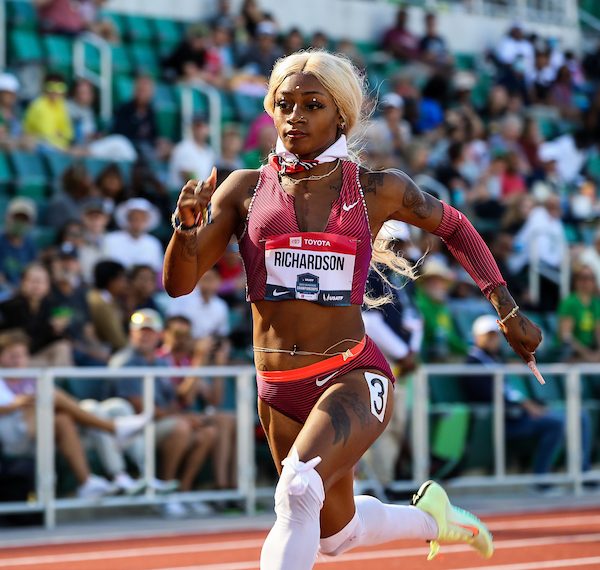
A critical element of what happened to Richardson involves the corporate entities that backed her. Usually, a scandal triggers “morality clauses” in endorsement contracts, leading to terminated deals. However, Richardson’s primary sponsors, most notably Nike, chose to double down.
Strategic Alignment with Brand Archetypes
Nike’s brand strategy has long been rooted in the “Rebel” and “Hero” archetypes. From Colin Kaepernick to Serena Williams, Nike bets on athletes who stand for something larger than sport. By staying with Richardson, Nike reinforced its own brand identity as a supporter of the bold and the misunderstood. This was a calculated risk that paid off: they weren’t just sponsoring a runner; they were sponsoring a cultural narrative.
The Value of the “Comeback” Storyline
From a marketing perspective, the “Comeback” is the most profitable narrative arc in history. By sticking with Richardson during her 2022 slump—a period where she struggled to find her form and faced intense public scrutiny—sponsors were investing in the eventual payoff of her return. The “What happened to her?” mystery created a “pending” status that kept the audience engaged, waiting for the final act of the trilogy.
4. Digital Narrative Control and the Athlete-Influencer Model
Part of Richardson’s brand survival can be attributed to her mastery of digital platforms. In previous decades, the media controlled the “What happened to…” story. Today, the athlete owns the printing press.
Direct-to-Consumer Engagement
Richardson utilized Instagram and Twitter to bypass traditional media gatekeepers. She used these platforms to share her training, her fashion, and her mental state, effectively acting as her own media house. This direct line to her millions of followers ensured that her side of the story was always the loudest. In branding, this is called “narrative sovereignty.”
Leveraging Controversy for Reach
In the digital economy, attention is the primary commodity. Even the negative press Richardson received during her periods of struggle served to keep her “Share of Voice” (SOV) higher than athletes who were actually winning races. Brand strategists recognize that a polarized audience is often more engaged than a neutral one. By leaning into the “love me or hate me” energy, she maintained a high market value even when she wasn’t on the podium.
5. The 2023 Redemption: Performance as Brand Validation
The ultimate answer to “what happened to Sha’Carri Richardson” arrived in 2023 at the World Athletics Championships in Budapest. Her victory in the 100-meter dash, coming from the outside lane to beat the world’s best, provided the one thing every brand needs to survive long-term: performance.
Closing the Loop
A brand built entirely on personality without a quality product eventually collapses. For an athlete, the “product” is winning. Richardson’s 2023 gold medal validated the years of branding that preceded it. It transformed her from a “cautionary tale” into a “legend in the making.” It proved that her brand’s defiance was backed by elite-level competence.
“I’m Not Back, I’m Better”
The slogan “I’m not back, I’m better” became the new brand tagline. This was a strategic masterstroke. It acknowledged the past while positioning the current version of the brand as an upgrade (Version 2.0). It signaled maturity, focus, and a refined competitive edge. In business terms, this was a successful “re-launch” that captured both the existing fan base and a new demographic of casual observers.
Conclusion: The Future of the Richardson Brand
So, what happened to Sha’Carri Richardson? She underwent a total brand transformation. She evolved from a viral sensation into a resilient corporate powerhouse. Her story teaches us that in the modern economy, a brand is not defined by its setbacks, but by its ability to integrate those setbacks into a larger, more compelling narrative.
Today, Richardson stands as one of the most marketable athletes in the world. She has successfully navigated the transition from a niche sports figure to a mainstream cultural icon. For brand strategists, her journey offers three vital lessons:
- Visual identity is a shortcut to memory.
- Accountability is the best form of crisis management.
- Consistency of character, even in failure, builds long-term loyalty.
As we look toward the future, the Richardson brand is no longer just about track and field. It is a brand about the American spirit of the “second act,” a narrative that will continue to yield high dividends in endorsements, influence, and legacy for decades to come. Sha’Carri Richardson didn’t just survive the question of “what happened”; she redefined the answer.
aViewFromTheCave is a participant in the Amazon Services LLC Associates Program, an affiliate advertising program designed to provide a means for sites to earn advertising fees by advertising and linking to Amazon.com. Amazon, the Amazon logo, AmazonSupply, and the AmazonSupply logo are trademarks of Amazon.com, Inc. or its affiliates. As an Amazon Associate we earn affiliate commissions from qualifying purchases.