
In the annals of global marketing, few case studies are as complex or as polarizing as the personal brand of Michael Jackson. While the public often asks “what happened to Michael Jackson’s face” from a biological or medical perspective, the more profound question for brand strategists, designers, and public relations experts is: How did these visual changes impact the most recognizable personal brand in human history?
Michael Jackson was not merely a performer; he was a multi-billion dollar enterprise. His face was the logo of that enterprise. When a brand’s logo undergoes a radical, decades-long redesign—whether intentionally or through circumstance—it offers a unique masterclass in brand equity, visual identity, and the limits of public perception.
The Visual Identity of the King of Pop: Why Appearance Matters in Global Branding
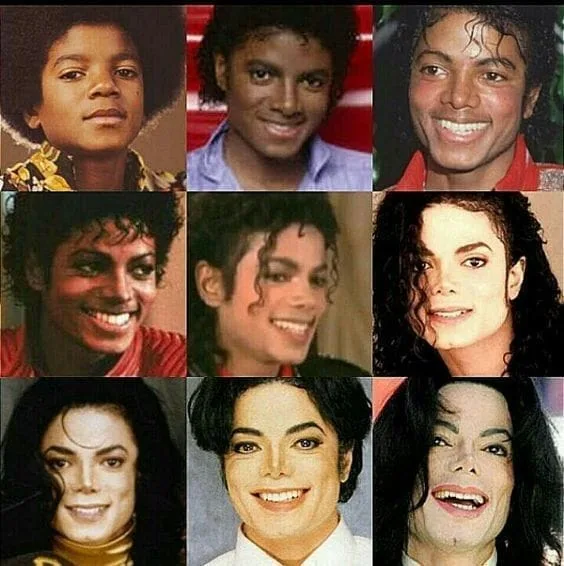
A brand is a promise, and for a global superstar, that promise is delivered through visual cues. In the early stages of his career, Michael Jackson’s visual identity was built on “Brand Sincerity.” As the lead singer of the Jackson 5, his face represented youth, joy, and the soulful roots of Motown.
The Power of the “Thriller” Era Image
By the early 1980s, with the release of Thriller, Jackson’s brand reached its “Golden Ratio.” He possessed a look that was universally appealing—crossing racial, geographic, and generational lines. From a branding standpoint, this was the “Original Logo.” It was symmetry, charisma, and relatability. This visual consistency allowed him to secure unprecedented endorsement deals with companies like Pepsi, where his face was literally the vehicle for selling a lifestyle.
The Iconography of Change
As the 1980s progressed into the Bad era, the first significant “rebrand” occurred. The sharpening of his features—a more defined chin, a narrower nose—coincided with a shift in musical tone. The brand moved from “wholesome” to “edgy.” In brand strategy, this is often called a “Pivot.” While the changes were noticeable, they initially served to enhance his “Superhuman” status. He was no longer just a man; he was becoming a stylized character, a living piece of art.
Crisis Management and Brand Pivot: Navigating Public Perception
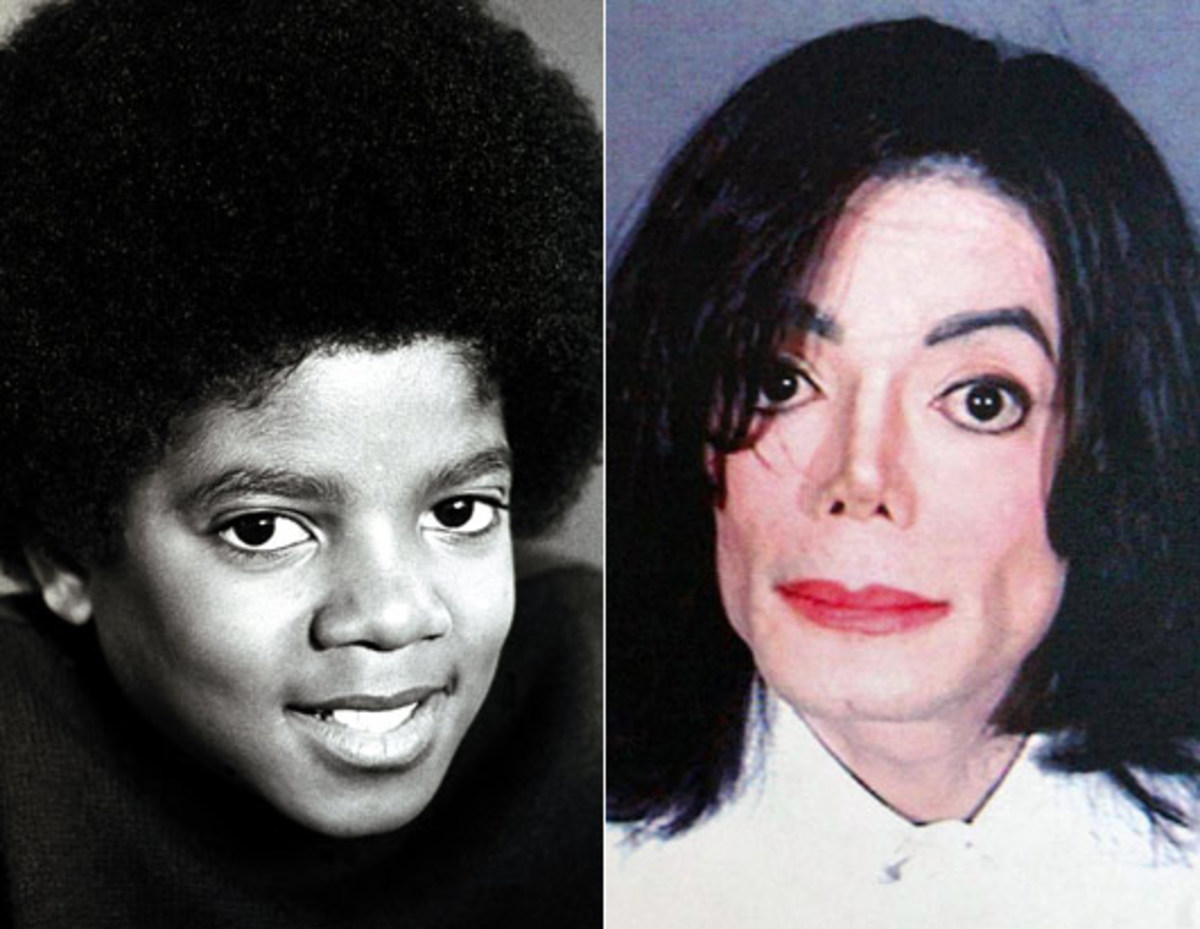
In the mid-90s, the narrative surrounding Michael Jackson’s face shifted from “aesthetic refinement” to “disturbing transformation.” For any corporate brand, such a radical departure from the original identity would be seen as a catastrophic loss of brand heritage. However, Jackson’s strategy—whether conscious or subconscious—was to lean into the “Mythos.”
Shifting from Human to Myth
When a brand can no longer rely on “relatability,” it often moves toward “exclusivity” or “otherworldliness.” As Jackson’s face changed due to a combination of Vitiligo (which he confirmed in his 1993 Oprah interview) and subsequent surgeries, the brand shifted. He stopped being a person and became a “Symbol.” By distancing himself from a standard human appearance, he created a brand that was immune to the traditional effects of aging, albeit at the cost of public empathy.
The Risks of Drastic Rebranding
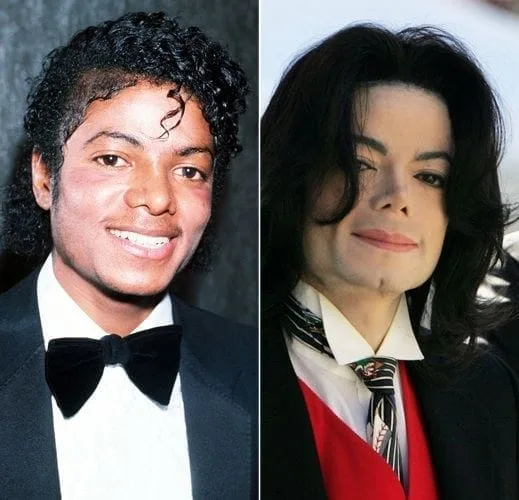
In the world of corporate identity, if Coca-Cola were to change its red-and-white logo to neon green, it would face an immediate existential crisis. Jackson faced a similar “Brand Rejection” from segments of the public. The visual dissonance between the “Old Michael” and the “New Michael” created a vacuum that the media filled with tabloid speculation. From a PR perspective, this represents the danger of losing control over your own visual narrative. When the “Why” behind a brand change is not communicated effectively, the audience creates their own, often damaging, story.
The Commercial Impact of Altered Identity
Despite the controversy surrounding his appearance, Michael Jackson remained one of the highest-earning entities in the entertainment industry. This suggests that while his personal brand faced scrutiny, his product brand (the music and the catalog) remained robust.
Maintaining Endorsement Value Amidst Physical Change
The challenge for Michael Jackson’s brand managers was to decouple his “physical face” from his “artistic face.” By the 2000s, the brand relied heavily on silhouettes and iconography. The white glove, the fedora, the aviator sunglasses, and the specific profile of his nose became the “Simplified Logo.” Even if his actual face was in flux, these static brand assets ensured that his commercial value remained high. This is a common tactic in branding: when the core product changes, emphasize the peripheral assets that consumers still recognize and trust.
Creating a Timeless “Mask”
In his later years, Jackson often appeared in public with masks or heavy makeup. In a strategic sense, this was the ultimate move in personal branding. He effectively moved his brand behind a veil, creating a “Mask Strategy.” This allowed the public to project whatever version of Michael Jackson they preferred—the Thriller star or the Invincible icon—onto the artist. By hiding the face that had become a source of contention, he protected the “Legacy Brand” from further damage.
Lessons in Personal Branding: The Legacy of MJ’s Visual Narrative
The story of Michael Jackson’s face is more than a story of surgery or health; it is a case study in the resilience of a global brand. Even today, the “MJ Brand” earns hundreds of millions of dollars annually, proving that a strong enough brand identity can survive even the most radical visual transformations.
Authenticity vs. Artifice in Modern Branding
Today’s influencers and celebrities often use “FaceTuning” and cosmetic procedures to curate an image. Michael Jackson was the pioneer of this visual curation, albeit in an era before digital filters. The lesson for modern personal brands is the balance between “Aspiration” and “Authenticity.” While Jackson’s brand leaned heavily into the former, the lack of the latter in his later years created a disconnect that required immense musical talent to overcome.
Protecting the Intellectual Property of a Face
Since his passing, the Michael Jackson Estate has masterfully managed his visual brand. They often use imagery from the 1982-1988 era—the “Peak Brand” period. This suggests a strategic decision to “revert the logo” to its most successful version. In brand management, this is known as “Heritage Marketing.” By focusing on the era of his highest marketability, the estate has successfully preserved the brand’s value for a new generation that never witnessed the real-time changes to his appearance.
Conclusion: The Enduring Power of the Symbol
When we look back at what happened to Michael Jackson’s face, we are looking at the evolution of a brand that sought to transcend the limitations of the human form. Jackson transformed himself from a talented boy into a global icon, and finally, into a stylized symbol that exists beyond time and biology.
His visual journey highlights a critical truth in brand strategy: a brand is not what you see in the mirror; it is what exists in the minds of the consumers. Despite the radical changes to his physical features, the “King of Pop” brand remained intact because its core pillars—rhythm, innovation, and mystery—were stronger than any surgical intervention. In the end, Michael Jackson didn’t just change his face; he created a permanent, indelible mark on the global cultural landscape that continues to generate value and fascination long after the man himself has gone.
The lesson for any brand is clear: your visual identity is a powerful tool for storytelling, but it must be managed with a deep understanding of public perception, brand equity, and the long-term legacy you wish to leave behind. Michael Jackson’s face was the most scrutinized canvas in history, and the resulting brand is one that continues to define the very concept of global superstardom.
aViewFromTheCave is a participant in the Amazon Services LLC Associates Program, an affiliate advertising program designed to provide a means for sites to earn advertising fees by advertising and linking to Amazon.com. Amazon, the Amazon logo, AmazonSupply, and the AmazonSupply logo are trademarks of Amazon.com, Inc. or its affiliates. As an Amazon Associate we earn affiliate commissions from qualifying purchases.