
The trajectory of a child prodigy in the digital age often follows a predictable, sometimes tragic, arc. We see the meteoric rise on a televised talent show, the brief period of viral fame, and the eventual fade into obscurity as the industry’s “newest thing” takes center stage. However, when examining the question of “what happened to Lucy Thomas,” we find a narrative that defies the standard industry tropes.
Lucy Thomas, the English singer who first captured public attention on The Voice Kids UK in 2018, has not disappeared. Instead, she has executed one of the most successful and disciplined personal branding strategies in the modern music era. By bypassing the traditional major-label system and focusing on a niche-driven, high-quality digital presence, Thomas has built a brand that is both sustainable and highly profitable.
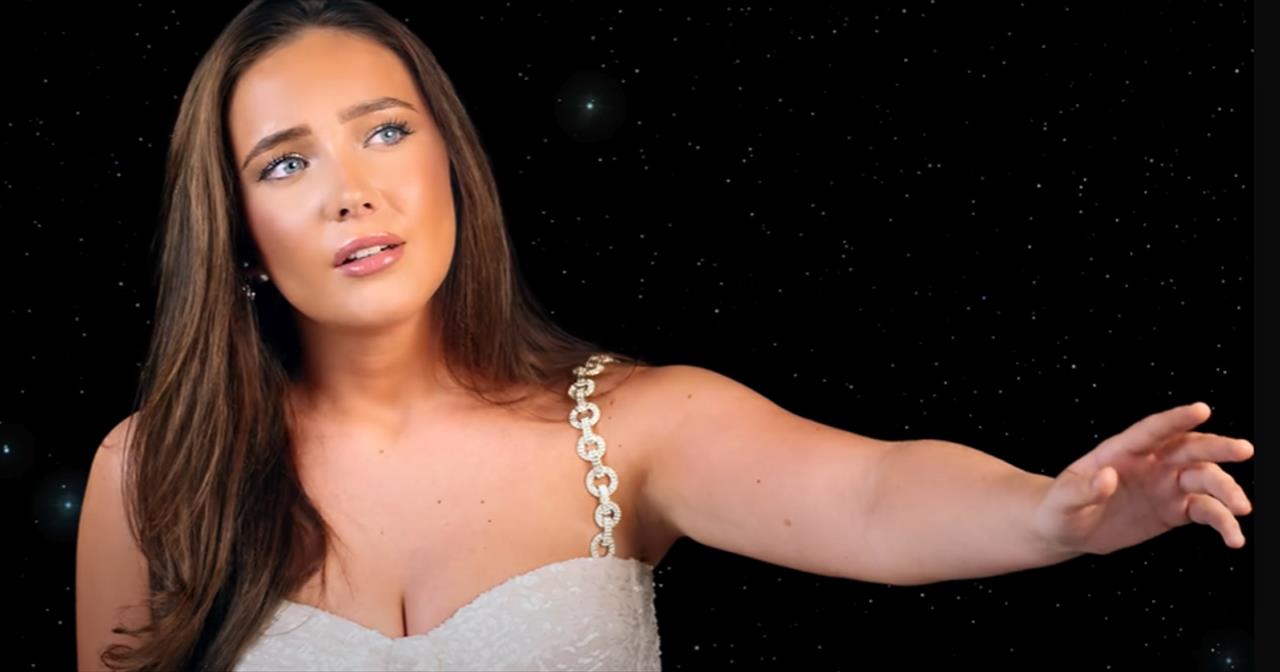
This article analyzes the brand evolution of Lucy Thomas, exploring how she transitioned from a reality TV contestant to a global independent powerhouse, and the strategic lessons any brand can learn from her journey.
1. Navigating the Post-Reality TV Brand Vacuum
For many artists, appearing on a show like The Voice is the pinnacle of their career. The “Reality TV Trap” is a well-documented phenomenon where the brand of the show (the platform) overshadows the brand of the individual (the product). Once the cameras stop rolling, the individual often loses their identity because it was tied to the show’s narrative arc.
The Springboard Strategy
Lucy Thomas utilized her time on The Voice Kids not as an endgame, but as a springboard. While she didn’t win the competition—reaching the semi-finals—she succeeded in something more important: brand awareness. She established a “Minimum Viable Product” (MVP)—her voice—and identified an audience that resonated with her specific vocal purity and emotional delivery.
Avoiding the “Generic Pop” Pitfall
The most common mistake young artists make after a talent show is attempting to pivot immediately into mainstream, highly produced pop music to chase radio play. This often results in a diluted brand identity. Thomas, along with her management team at Cavendish Records, made the strategic decision to lean into “Classical Crossover” and “Musical Theater.” This choice was pivotal. By selecting a specific niche, she avoided competing with the oversaturated pop market and instead focused on a demographic that values vocal excellence and timeless arrangements.
Establishing Brand Autonomy
The most significant “event” in Lucy Thomas’s career wasn’t a television appearance, but the decision to remain independent. By signing with the independent label Cavendish Records—a boutique label focused on her development—she maintained total control over her creative output and brand image. This autonomy allowed her to grow at a pace that suited her development as an artist, rather than being forced into a “fast-fashion” music model.
2. The Power of Niche Consistency: Building Digital Equity
In the world of personal branding, consistency is the currency of trust. One of the primary reasons people ask “what happened to Lucy Thomas” is that she doesn’t dominate the tabloid headlines or the Top 40 charts. Instead, she has built a massive, loyal empire on YouTube and streaming platforms through a disciplined content strategy.
The “Golden Age” Aesthetic
Lucy’s brand is built on a specific aesthetic: “The Golden Age of Song.” Whether she is covering Adele, Leonard Cohen, or songs from Les Misérables, her branding remains consistent. The videos are professionally shot but minimalist, focusing entirely on the performance. This lack of “visual noise” reinforces the brand’s core value proposition: pure, unadulterated talent. In an era of high-octane, TikTok-style editing, her brand offers a “premium” and “calm” alternative, which has allowed her to capture an older, more affluent demographic that remains underserved by modern music marketing.
Content Frequency and the Compound Interest of Content
Since 2018, Thomas has maintained a rigorous upload schedule. Each cover version acts as a new entry point for different fanbases. For example, her cover of “Hallelujah” attracts a different audience segment than her renditions of The Greatest Showman tracks. Over time, these individual “content nodes” have compounded, resulting in hundreds of millions of views. From a brand perspective, she is not just a singer; she is a content engine that generates organic reach without the need for multi-million-dollar advertising budgets.
The Role of High-Fidelity Production
A key component of the Lucy Thomas brand is quality control. Many independent creators sacrifice quality for quantity. Thomas did the opposite. Every recording released under her brand features world-class mixing and orchestral arrangements. This high “production value” elevates her brand from “talented YouTuber” to “international recording artist.” It creates a barrier to entry; others can cover the same songs, but few can match the brand’s sonic signature.

3. Managing the Identity Shift: From Prodigy to Professional
One of the most difficult branding challenges is the transition from “child star” to “adult artist.” Many brands fail here because the audience is emotionally attached to the “cute” or “prodigy” version of the persona and resists the evolution.
Subtle Maturation
Lucy Thomas has managed this transition with remarkable subtlety. Her branding has evolved from the 14-year-old girl on The Voice to a sophisticated young woman without any “rebellious” or “shock-value” pivots that often alienate core audiences. By keeping the focus on her vocal development and the sophistication of her song choices, she has allowed her audience to grow with her.
Vocal Development as Brand Enhancement
As Lucy’s voice has matured, she has incorporated more complex technical elements into her performances. For her brand, this acts as a “product upgrade.” Fans are not just listening to a singer; they are following a journey of mastery. This narrative of “continuous improvement” is a powerful psychological hook that keeps an audience engaged over a multi-year period.
Diversification of Product Offerings
To solidify her brand as a professional artist, Thomas moved beyond digital covers to original albums. Titles like Premiere, Encore, and Destiny serve as milestones in her brand history. Each album release is an opportunity to refine the brand’s visual identity—through sophisticated album art and professional photography—moving her further away from the “contestant” label and into the “icon” category within her niche.
4. The Economics of the Independent Brand Model
To understand what happened to Lucy Thomas, one must look at the business model behind the brand. In the traditional music industry, a major label takes the lion’s share of profits in exchange for “exposure.” Thomas’s brand operates on a “Direct-to-Consumer” (D2C) model.
Owning the Relationship
By leveraging YouTube and social media, Thomas owns the relationship with her audience. She does not need a middleman to tell her what her fans want. This direct feedback loop allows her to tailor her “product” (song selections) to the market’s demand. In terms of brand strategy, this is “lean manufacturing” applied to the arts.
Revenue Diversification
The Lucy Thomas brand is not reliant on a single revenue stream. Her financial ecosystem includes:
- Streaming Royalties: Massive numbers on Spotify and Apple Music.
- AdSense: High-CPM revenue from a global YouTube audience.
- Physical Sales: A significant portion of her audience still values CDs and physical media, which offers higher margins than streaming.
- Digital Downloads: Direct sales through her website and iTunes.
This diversified portfolio makes her brand resilient. Even if one platform changes its algorithm, the brand has enough touchpoints to remain stable.
Global Localization
Despite being based in the UK, the Lucy Thomas brand is global. Her team has effectively used digital tools to track where her audience is—be it the US, Asia, or Europe—and tailored the brand’s digital presence to accommodate these markets. The “What Happened to Lucy Thomas” question is often asked by fans worldwide who see her viral videos and wonder why she isn’t on their local radio. The answer is that she doesn’t need to be. Her brand lives in a borderless digital space that is far more lucrative than localized terrestrial radio.

Conclusion: The Blueprint for Modern Personal Branding
So, what happened to Lucy Thomas? She became a textbook example of how to build a 21st-century brand. She didn’t “disappear”; she went “independent and deep.”
By focusing on a clear niche, maintaining relentless quality, and prioritizing direct audience engagement over fleeting mainstream fame, Thomas has built a brand with incredible longevity. Her story serves as a vital lesson for entrepreneurs, creators, and marketers: you do not need the approval of traditional gatekeepers to build a global powerhouse.
The Lucy Thomas brand proves that in the modern economy, “quiet” success—built on the pillars of consistency, quality, and niche authority—is often far more sustainable than the “loud,” fragile fame of the traditional celebrity model. As she continues to release music and grow her digital footprint, her brand stands as a beacon for anyone looking to navigate the complexities of personal identity and digital strategy in the modern age.
aViewFromTheCave is a participant in the Amazon Services LLC Associates Program, an affiliate advertising program designed to provide a means for sites to earn advertising fees by advertising and linking to Amazon.com. Amazon, the Amazon logo, AmazonSupply, and the AmazonSupply logo are trademarks of Amazon.com, Inc. or its affiliates. As an Amazon Associate we earn affiliate commissions from qualifying purchases.