
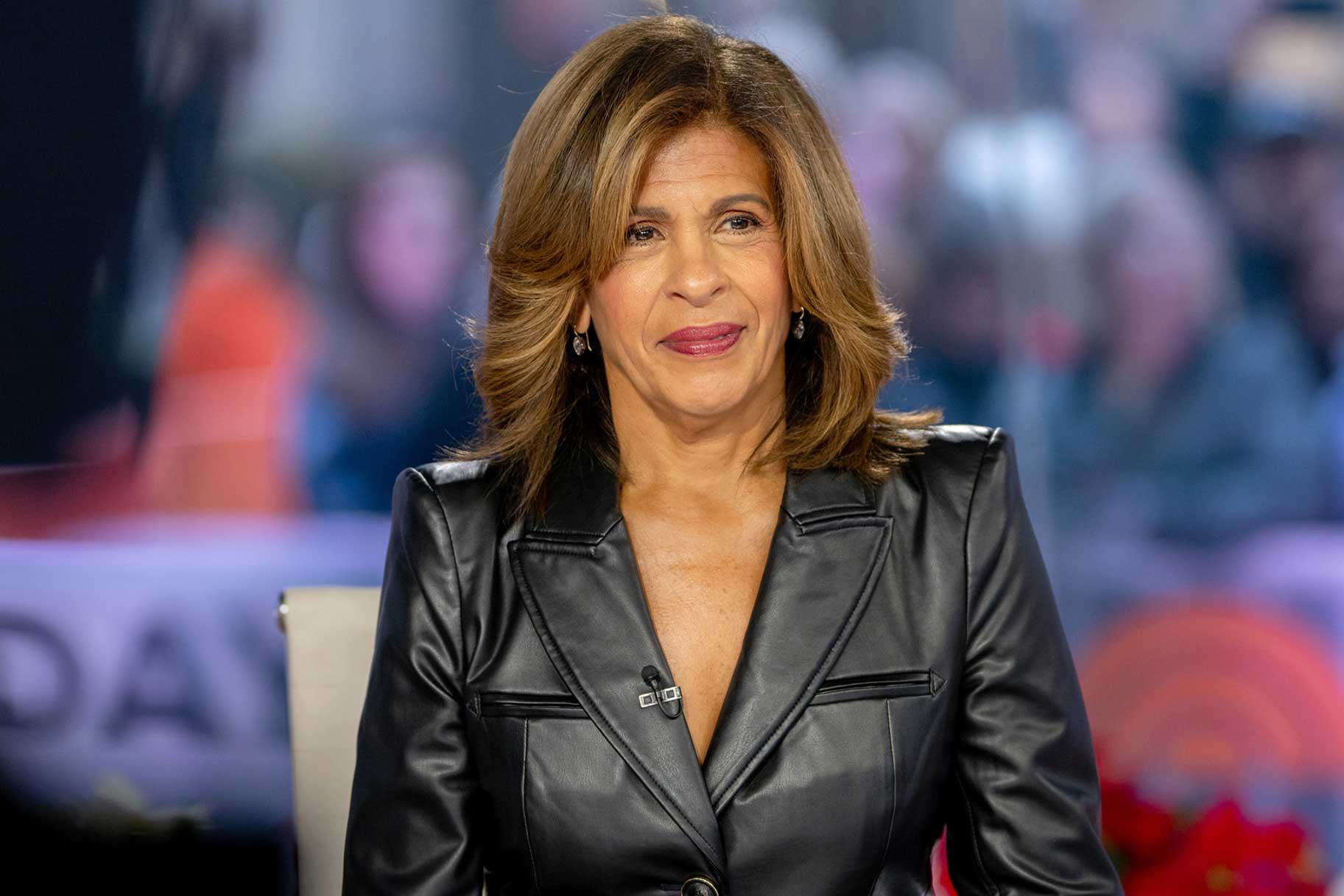
When news broke that Hoda Kotb would be stepping away from her anchor chair on The Today Show in early 2025, the reaction was more than just a momentary blip in the news cycle. It was a seismic shift in the landscape of broadcast media. For nearly two decades, Kotb has been a cornerstone of NBC’s morning identity. However, viewing her departure through the lens of brand strategy reveals a sophisticated narrative about personal equity, the evolution of modern leadership, and the strategic timing of a career pivot.

What happened to Hoda on The Today Show is not merely a retirement; it is a calculated transition that highlights the power of personal branding in an era where individuals often hold more leverage than the institutions that employ them.
Decoding the Hoda Kotb Brand: Why Her Departure Matters
To understand the impact of Kotb’s departure, one must first deconstruct the brand she spent 26 years building at NBC. In the world of corporate identity, a brand is a promise of a specific experience. For The Today Show, Hoda Kotb was the architect of “emotional resonance.”
The Power of Authenticity in a Corporate Framework
In the early days of broadcast journalism, anchors were expected to be stoic, objective, and somewhat detached. Kotb disrupted this corporate mold by leaning into vulnerability and radical authenticity. Her brand was built on the “laugh-until-you-cry” moments, her public journey through health challenges, and her openness about motherhood later in life.
From a branding perspective, this created a “High-Trust” equity. While the network provided the platform, Hoda provided the soul. When a personal brand becomes this synonymous with a corporate entity, the departure of the individual creates a “brand vacuum” that is incredibly difficult to fill.
Building “The Hoda Effect”
“The Hoda Effect” refers to her ability to convert casual viewers into loyal advocates. In marketing terms, this is the transition from “customer” to “fan.” By the time she announced her exit, she had moved beyond being a “news reader” to becoming a “lifestyle curator.” Whether it was her “Morning Boost” segments or her podcast Making Space, she diversified her touchpoints. This diversification ensured that her brand was not tethered solely to the 7:00 AM time slot, making her eventual exit a strategic move toward independence rather than a decline in relevance.
Strategic Transitions: How to Reshape a Personal Brand Mid-Career
The decision to leave a high-profile, multi-million dollar role at the height of one’s influence is rarely accidental. It is a masterclass in “Brand Repositioning.” Kotb’s departure reveals how high-level professionals can reclaim their narrative before the market—or the employer—does it for them.
Prioritizing Values Over Title
A critical component of personal branding is “Alignment.” For years, Kotb’s brand was about joy and connection. However, as she entered a new phase of life as a mother to two young daughters, the grueling schedule of morning television began to create “Brand Friction”—a disconnect between her public persona (promoting wellness and presence) and her private reality (pre-dawn wake-up calls and missed school mornings).
By choosing to exit now, she is reinforcing her brand’s core value: authenticity. She is practicing what she preaches by prioritizing family, which ironically strengthens her brand’s integrity in the eyes of her audience. In the world of brand strategy, this is known as “Value-Based Positioning,” where the brand’s actions perfectly mirror its stated mission.
Managing the “Grand Exit” vs. the “Quiet Quit”
The way an executive or public figure leaves an organization defines their legacy brand. Kotb’s exit was handled with transparency and grace, a “Grand Exit” that allows for a long goodbye. This strategic lead time (announcing in September for a January departure) serves two purposes. First, it allows the corporate brand (NBC) to stabilize and plan a succession. Second, it allows the personal brand (Hoda) to embark on a “Farewell Tour,” maximizing engagement and sentiment before she transitions to her next venture.
The Corporate Identity Crisis: How NBC Rebrands Post-Hoda
When a flagship personality leaves, the parent company faces a significant challenge in “Brand Dilution.” For NBC, The Today Show is not just a program; it is a multi-billion dollar revenue engine. Losing Hoda Kotb is akin to a luxury fashion house losing its creative director.
Filling the Engagement Vacuum
The challenge for NBC is that Kotb’s brand was “Relatability.” Relatability cannot be manufactured by a committee or assigned to a new anchor via a press release. The network must now decide whether to attempt to find a “Hoda-lite” replacement—which risks appearing inauthentic—or to pivot the show’s brand identity toward something entirely different, such as a more hard-news focus or a multi-anchor ensemble.
From a strategic standpoint, NBC is currently in a “Risk Mitigation” phase. They are leveraging the remaining equity of Savannah Guthrie and Al Roker to anchor the ship while testing new “Brand Ambassadors” in the 10:00 AM hour.
The Risks of Brand Dilution in Morning Television
Morning television thrives on habit. Viewers incorporate these personalities into their daily rituals. When a key element of that ritual is removed, the “switching cost” for the consumer drops to nearly zero. This is the ultimate danger for the NBC brand: that the audience’s loyalty was to Hoda, not the peacock logo. If the transition is not handled with extreme care toward the audience’s emotional journey, the network faces a permanent decline in market share.
Lessons for Modern Professionals: Applying the Hoda Strategy
The “what happened to Hoda” narrative offers several high-value lessons for anyone looking to build a resilient personal brand in any industry, from tech to finance.
Investing in Your Independent Equity
The most successful professionals are those who build a brand that is “Portable.” Hoda Kotb is a prime example of someone who used a corporate platform to build an independent audience. Through her books, her SiriusXM show, and her social media presence, she ensured that her value was not entirely dependent on NBC’s payroll.
In your own career, the lesson is clear: Build your “Platform” while you have your “Position.” Do not wait until you leave a company to start networking, speaking, or sharing your expertise. By the time you are ready to pivot, your independent equity should be strong enough to sustain the transition.
Timing Your Pivot for Maximum Impact
There is an old adage in branding: “Leave them wanting more.” By exiting while her ratings are strong and her public image is untarnished, Kotb ensures that her brand remains at a “Premium” valuation.
Many professionals make the mistake of staying in a role until they are burnt out or until the industry shifts beneath them. Strategic brand management requires the foresight to recognize the “Peak” and the courage to jump while you still have the momentum. Kotb’s exit wasn’t a reaction to a crisis; it was a proactive choice to enter a “Growth Phase” on her own terms.

The Future of the “Hoda” Brand
While she may be leaving the anchor desk, the “Hoda” brand is far from over. By stepping back from the daily grind, she is creating the “Scarcity” necessary to increase her value for future projects. Whether it is a dedicated media network, a series of wellness retreats, or high-level consulting, her next chapter will likely focus on “High-Impact, Low-Volume” engagements.
In conclusion, what happened to Hoda on The Today Show is a textbook study in the evolution of a personal brand. She successfully navigated the transition from a corporate asset to an independent powerhouse, proving that in the modern economy, the person is the brand. For NBC, the challenge is to survive the loss of its brightest star. For the rest of us, the lesson is to build a brand so authentic and robust that our next chapter is always our choice.
aViewFromTheCave is a participant in the Amazon Services LLC Associates Program, an affiliate advertising program designed to provide a means for sites to earn advertising fees by advertising and linking to Amazon.com. Amazon, the Amazon logo, AmazonSupply, and the AmazonSupply logo are trademarks of Amazon.com, Inc. or its affiliates. As an Amazon Associate we earn affiliate commissions from qualifying purchases.