
The departure of a central figure in a long-running media franchise is rarely just a creative hurdle; it is a significant brand challenge. For The Simpsons, a multi-billion dollar intellectual property (IP), the character of Edna Krabappel was more than just Bart Simpson’s fourth-grade teacher. She was a foundational pillar of the show’s brand identity—representing the cynical yet hopeful reality of the American public education system.
When Marcia Wallace, the voice actress behind Edna, passed away in 2013, the producers of The Simpsons faced a critical decision that would resonate through the world of brand strategy: How does a global brand manage the permanent loss of a key asset without devaluing the product or alienating its loyal consumer base?

The Legacy of Edna Krabappel: Defining a Character Brand Identity
In branding, consistency is the bedrock of trust. For a character like Edna Krabappel, her “brand identity” was built over decades through specific vocal inflections, recurring catchphrases, and a distinct emotional arc. Edna was the cynical foil to the town’s absurdity, providing a grounded, relatable perspective that resonated with adult viewers.
The Iconic Laugh and the “Ha!” Factor
Every successful brand has a “sonic logo”—a sound that immediately triggers brand recognition. For Edna, it was her world-weary, raspy “Ha!” This sound bite was more than just a laugh; it was a trademark. It signaled her personality: exhausted, skeptical, but still present. From a brand management perspective, this sonic identity was inseparable from Marcia Wallace. The producers recognized that attempting to replicate this specific audio asset with a different performer would be perceived as “off-brand” by the audience, potentially damaging the authenticity of the show.
Relatability as a Core Brand Value
Edna Krabappel represented “The Simpsons” brand’s commitment to social satire. Her character was a strategic tool used to critique the underfunding of schools and the burnout of the working class. By maintaining Edna’s integrity as a weary but dedicated educator, the show solidified its position as a brand that understood the struggles of its middle-class audience. When a brand loses a component that provides such high levels of emotional “buy-in,” the replacement strategy must be handled with extreme care to avoid a “brand-decline” perception.
Navigating the Crisis: Brand Management After the Loss of Marcia Wallace
When a key contributor to a brand dies, the immediate instinct of many corporate entities is to “keep the show going” at any cost, often through recasting. However, The Simpsons opted for a strategy of retirement rather than replacement. This decision serves as a masterclass in maintaining brand prestige over short-term continuity.
The Ethical Dilemma of Recasting
In the world of animation, characters are often viewed as corporate property that can be voiced by anyone who can mimic the tone. However, The Simpsons has cultivated a brand image rooted in the “creator-actor bond.” By choosing not to recast Edna, the show’s leadership sent a powerful message about their brand values: the actors are not cogs in a machine, but the soul of the characters. This move bolstered the brand’s reputation for loyalty and artistic integrity, which is vital for a show that has been on the air for over thirty years.
Protecting the Creator-Actor Bond
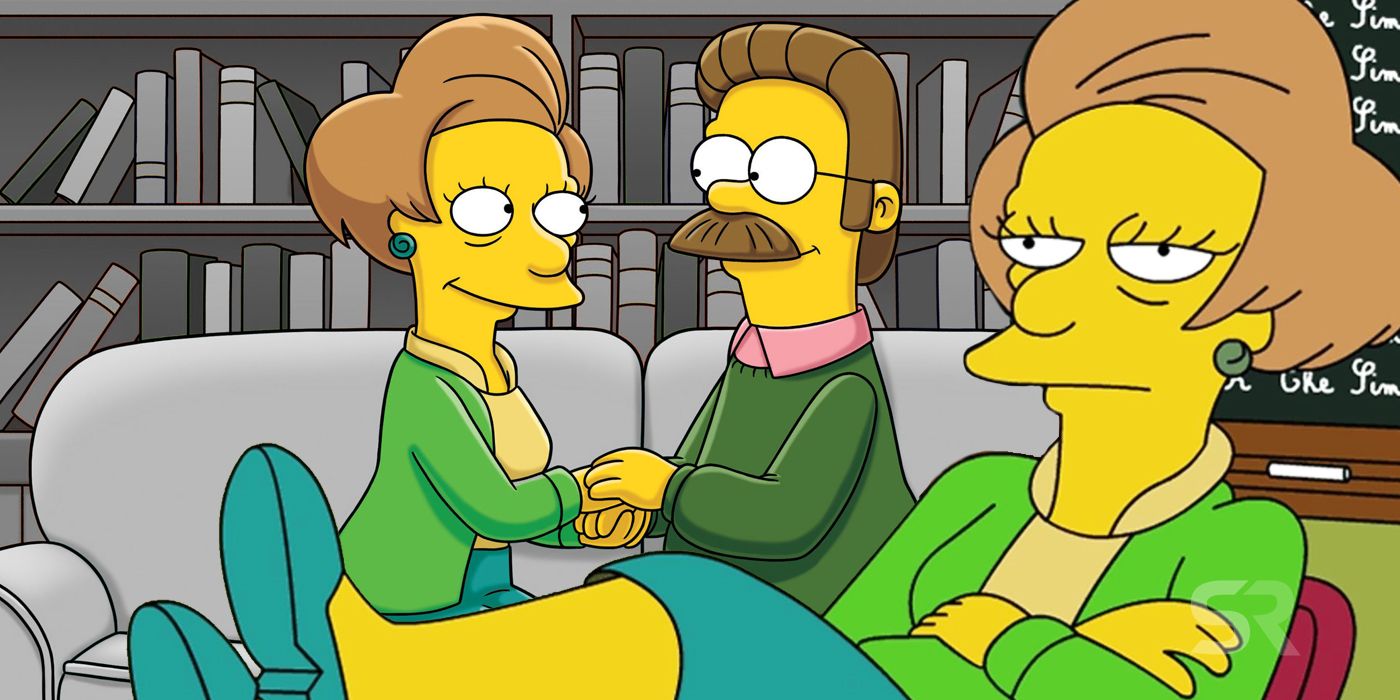
The decision to retire Edna Krabappel was a strategic move to protect the “legacy value” of the character. If the producers had hired a voice double, every subsequent Edna line would have been scrutinized and compared to the original. This would have created “brand noise”—distractions that pull the viewer out of the experience. By retiring her, they preserved the “pristine” version of the character in the minds of the audience, ensuring that the Edna Krabappel brand remains untarnished by inferior imitations.
The Strategic Retirement: How The Simpsons Preserved Its Corporate Image
The actual “exit strategy” for the Edna character was handled with a level of subtlety rarely seen in corporate storytelling. Rather than a “very special episode” focusing on death, the character simply stopped appearing in new speaking roles, followed by a poignant, understated acknowledgment of her passing.
Transitioning from Screen to Memory
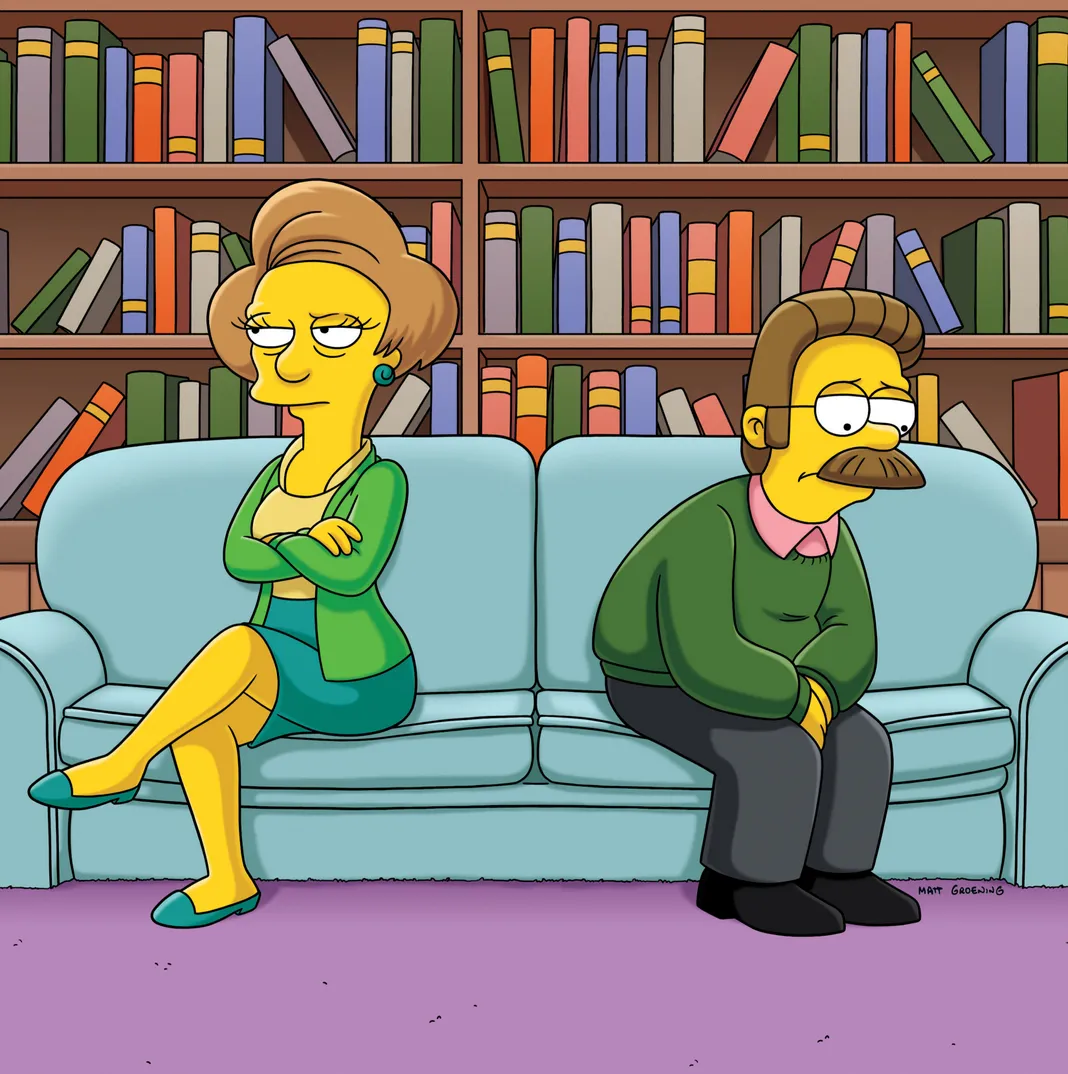
From a marketing perspective, the show handled Edna’s departure through “gradual withdrawal.” This allowed the audience to mourn and adjust without a jarring shift in the show’s daily operations. The brand transitioned Edna from an “active asset” to a “legacy icon.” In the Season 25 episode “The Man Who Grew Too Much,” a brief scene showed Ned Flanders (her husband at the time) wearing a black armband and remembering a dance with her. This was a low-risk, high-reward brand move that provided closure without requiring a complex narrative overhaul.
The Ned Flanders Sub-Brand Evolution
Edna’s departure also necessitated a shift in the “Ned Flanders” sub-brand. Having recently married Edna (a move that was itself a fan-driven “brand engagement” event), Ned was once again a widower. This allowed the writers to pivot Ned’s character back to his “struggling single father” roots, a move that refreshed his storyline. In branding terms, this is known as “re-pivoting a legacy asset.” By using the loss of one character to deepen the emotional complexity of another, the producers managed to extract narrative value from a tragic real-world event.
Lessons in Intellectual Property and Longevity for Modern Media Brands
The handling of Edna Krabappel offers several key takeaways for brand managers and IP owners in the digital age. As we move into an era where AI and digital resurrection are possible, the “Simpsons Approach” stands as a testament to the value of human-centric branding.
Maintaining Continuity in Long-Term Storytelling
Long-term brand success requires a balance between evolution and tradition. The Simpsons has survived for decades because it knows when to change and when to stand still. The retirement of Edna was a moment of standing still—honoring the past to ensure the brand’s future. For businesses, this translates to the idea that sometimes, the best way to move forward is to acknowledge a loss rather than trying to fill the void with a placeholder.
The Future of Digital Legacy and AI in Branding
Today, technology exists to recreate Marcia Wallace’s voice using AI. Many brands would find this tempting as a way to “immortalize” their IP. However, The Simpsons has, thus far, resisted this path for its retired characters (such as Edna and Troy McClure). This highlights a burgeoning divide in brand strategy: “Authentic Branding” vs. “Synthetic Continuity.” By choosing authenticity, The Simpsons positions itself as a premium, human-driven brand, which may ultimately be more valuable than the convenience of AI-generated content.
Conclusion: The Enduring Brand of Edna Krabappel
What happened to Edna in The Simpsons was not just a plot point; it was a defining moment for the show’s corporate identity. Through the strategic retirement of the character, the show’s producers successfully navigated a potential PR and creative crisis. They chose to honor the performer, protect the character’s integrity, and maintain the emotional bond with their audience.
In the world of branding, we often talk about “customer loyalty,” but the story of Edna Krabappel reminds us that “brand loyalty” works both ways. By being loyal to the people who built the brand, The Simpsons ensured that its legacy remains intact, proving that even in a world of endless sequels and reboots, there is profound brand power in saying goodbye. Edna Krabappel remains a permanent part of the Springfield universe, not as a hollowed-out imitation, but as a cherished brand icon whose “Ha!” will echo in the halls of television history forever.
aViewFromTheCave is a participant in the Amazon Services LLC Associates Program, an affiliate advertising program designed to provide a means for sites to earn advertising fees by advertising and linking to Amazon.com. Amazon, the Amazon logo, AmazonSupply, and the AmazonSupply logo are trademarks of Amazon.com, Inc. or its affiliates. As an Amazon Associate we earn affiliate commissions from qualifying purchases.