
In the landscape of 20th-century music, few names carry the immediate brand recognition of Creedence Clearwater Revival (CCR). Between 1968 and 1972, the group achieved a level of market saturation that rivaled The Beatles, producing a string of hits that remain staples of global advertising, cinema, and radio. However, the story of what happened to the CCR band is not merely a tale of musical evolution; it is a profound case study in brand strategy, corporate mismanagement, and the volatile nature of intellectual property (IP).

To understand the trajectory of CCR is to understand how a premier global brand can be dismantled by internal friction and external legal entanglements, offering vital lessons for modern businesses and personal brands alike.
The Architecture of an Iconic American Brand
Successful branding relies on a Unique Selling Proposition (USP). For Creedence Clearwater Revival, that USP was “Swamp Rock”—a meticulously crafted aesthetic that blended blues, country, and rock with a Southern Gothic atmosphere. What made this brand strategy particularly effective was that the band members were actually from El Cerrito, California, not the Louisiana bayou. Their success was a triumph of consistent brand positioning.
Defining the “Bayou Rock” Aesthetic
The CCR brand was built on consistency. While their contemporaries in San Francisco were experimenting with sprawling psychedelic jams, CCR focused on “tightness.” From a brand perspective, they offered a reliable product: three-minute singles with high “stickiness” (memorability). They utilized specific visual cues—flannel shirts, denim, and roots-oriented imagery—to create an authentic, working-class persona that resonated with a massive demographic across the United States and abroad.
John Fogerty as the Chief Creative Officer
In any high-performing brand, there is usually a central visionary. John Fogerty acted as the de facto CEO and Chief Creative Officer of CCR. He wrote the songs, produced the records, and managed the arrangements. This centralized control ensured a high level of quality control, leading to an unprecedented run of nine Top 10 singles in just three years. However, this “top-down” management style, while effective for rapid scaling and market entry, created a single point of failure within the organizational structure.
Brand Implosion: The Risks of Centralized Creative Control
The very leadership style that built the CCR brand eventually led to its catastrophic dissolution. In the world of corporate identity, a brand is only as strong as the team supporting it. When the “internal stakeholders”—in this case, Tom Fogerty, Stu Cook, and Doug Clifford—felt their contributions were being marginalized, the brand’s foundation began to crack.
Internal Friction and Vision Misalignment
By 1970, the internal culture of the CCR brand had turned toxic. Tom Fogerty, the rhythm guitarist and John’s brother, resigned in 1971, citing a lack of creative input. This was a significant blow to the brand’s stability. When a founding partner leaves, it signals to the market (and the fans) that the brand is in distress.
In an attempt to salvage the relationship with the remaining members, John Fogerty implemented a drastic change in brand strategy for their final album, Mardi Gras. He insisted that Cook and Clifford write and sing their own songs. This move, while egalitarian, was a disaster for brand consistency. The “product” no longer met the consumer’s expectations, leading to poor reviews and declining sales. This serves as a cautionary tale: forced brand pivots that compromise the core USP often lead to market rejection.
The 1972 Dissolution and the Loss of Momentum
The band officially disbanded in October 1972. In the business world, this is equivalent to a company undergoing a messy liquidation where the assets are scattered. Because the band members did not have a robust “partnership agreement” regarding the future use of the name or their creative output, the CCR brand entered a period of dormant chaos that would last for decades.
Intellectual Property Battles: Who Owns the CCR Name?
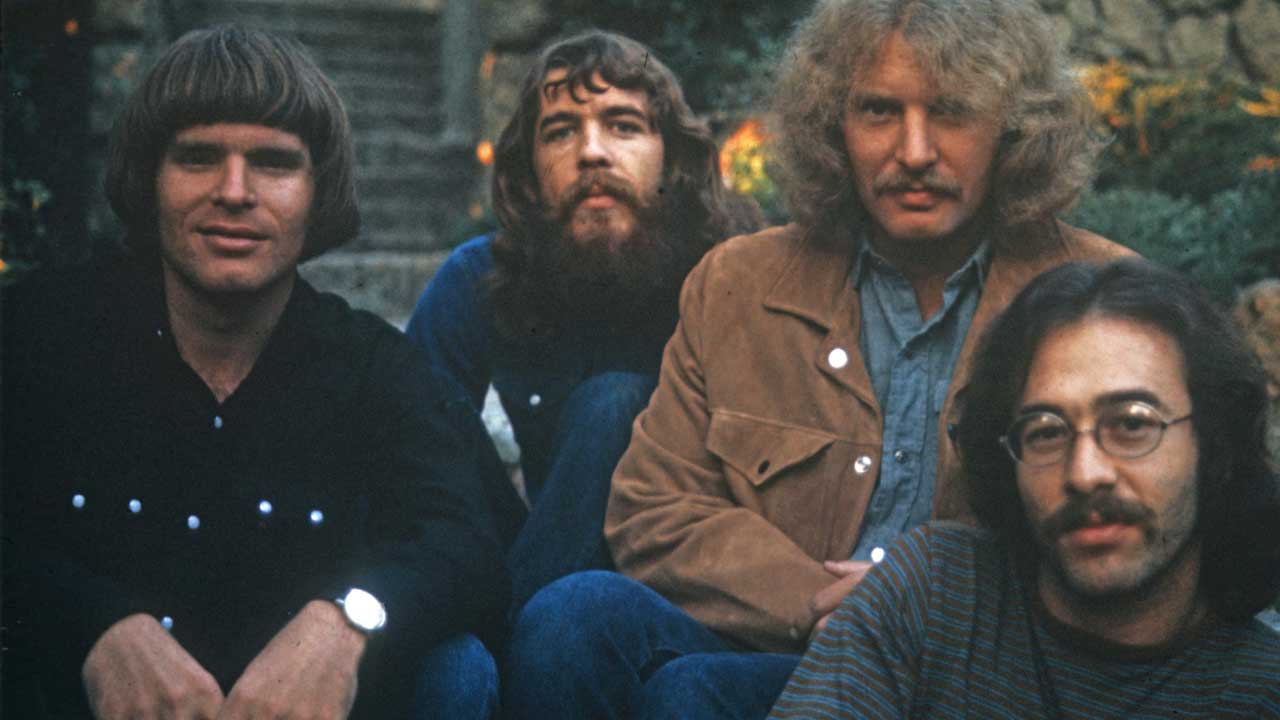
The most significant chapter in the “what happened to CCR” saga involves the ownership of their intellectual property. The dispute between John Fogerty and Saul Zaentz, the owner of Fantasy Records, is one of the most famous legal battles in the history of the music industry, highlighting the dangers of unfavorable licensing and copyright agreements.
Fantasy Records and the Saul Zaentz Legal War
When CCR signed their initial contracts, they effectively traded the long-term equity of their IP for short-term distribution and promotion. John Fogerty eventually realized that he did not own the copyrights to his own songs or the trademark for the name “Creedence Clearwater Revival.”
This led to a decades-long boycott by Fogerty of his own material. From a brand management perspective, this was a “scorched earth” policy. Fogerty refused to play his hits for years to prevent Zaentz from earning royalties. The most absurd moment in this legal saga occurred when Zaentz sued Fogerty for “self-plagiarism,” claiming that Fogerty’s solo song “The Old Man Down the Road” sounded too much like the CCR song “Run Through the Jungle” (which Fantasy Records owned). Fogerty eventually won the case in the Supreme Court, but the damage to the brand’s cohesion was irreparable.
The “Creedence Clearwater Revisited” Controversy
In the 1990s, the brand faced further dilution. Remaining members Stu Cook and Doug Clifford formed a new touring entity called “Creedence Clearwater Revisited.” John Fogerty sued to prevent them from using the name, arguing it confused the marketplace and devalued the original brand.
The legal system eventually allowed the “Revisited” name to stand, creating a fractured brand identity. Consumers were faced with two versions of the legacy: the primary creative visionary (Fogerty) performing as a solo artist, and the rhythm section performing under a derivative of the original brand name. This fragmentation is a classic example of brand dilution, where the “parent brand” loses its prestige because multiple entities are competing for the same historical space.
Lessons in Brand Longevity and Modern Reputation Management
Despite the internal lawsuits, the “CCR” brand has proven remarkably resilient. This longevity is a testament to the power of high-quality “core products”—the songs themselves—which continue to generate massive revenue through sync licensing and digital streaming.
Navigating the Digital Renaissance of Classic Brands
In the era of Spotify and TikTok, the CCR brand has undergone a digital transformation. Songs like “Fortunate Son” have become ubiquitous “audio memes,” often used to signify 1960s counter-culture or military themes. This shows that a brand can evolve even without the active participation of the original founders.
Modern brand managers can learn from how CCR’s catalog has been curated in the 21st century. By licensing their music to high-profile films and commercials, the holders of the IP (now Concord Music Group, which purchased Fantasy Records) have kept the brand relevant for a generation that wasn’t alive when the band split. They have focused on “Brand Heritage,” leveraging the nostalgia and “authenticity” of the 60s to maintain a premium market position.
Why the CCR Brand Endures Despite the Conflict
In 2023, John Fogerty finally achieved a lifelong goal: he acquired the majority interest in the worldwide publishing rights to his CCR song catalog. This was a landmark victory for “personal branding” and IP reclamation. After 50 years, the “CEO” finally regained control of his company’s most valuable assets.
The endurance of CCR proves that while internal management and legal structures can fail, a brand built on a solid, authentic USP can survive almost anything. The “Creedence” name still signifies a specific quality of American craftsmanship.
Key Takeaways for Brand Strategy:
- Equity Matters: Always prioritize the ownership of your intellectual property. Short-term gains from predatory contracts can lead to a lifetime of brand paralysis.
- Consistency is King: The “Swamp Rock” identity was a successful niche strategy because it was applied consistently across every touchpoint of the brand.
- Plan for Succession: The lack of a clear dissolution strategy or partnership agreement led to decades of litigation. Every brand should have a “pre-nuptial” agreement for its founders.
- The Product Outlasts the People: Ultimately, the consumer’s relationship is with the product (the music), not necessarily the corporate structure behind it. If the product is superior, the brand can survive even the most public of failures.
In conclusion, “what happened to the CCR band” is a story of how a lack of strategic alignment and poor IP management can overshadow creative genius. However, through the lens of modern brand strategy, it serves as an enduring example of how powerful a well-defined identity can be, maintaining its market value long after the original organization has ceased to function.
aViewFromTheCave is a participant in the Amazon Services LLC Associates Program, an affiliate advertising program designed to provide a means for sites to earn advertising fees by advertising and linking to Amazon.com. Amazon, the Amazon logo, AmazonSupply, and the AmazonSupply logo are trademarks of Amazon.com, Inc. or its affiliates. As an Amazon Associate we earn affiliate commissions from qualifying purchases.