
The transformation of Candlestick Park from a world-renowned sports cathedral to a massive urban redevelopment site is one of the most significant narratives in modern American real estate. For decades, “The Stick” was the epicenter of San Francisco’s athletic identity, housing the Giants and the 49ers. However, the story of its demise and the subsequent evolution of the land it occupied is not a sports story; it is a financial one. It represents a complex intersection of municipal finance, institutional investment, and the volatile economics of Bay Area real estate.
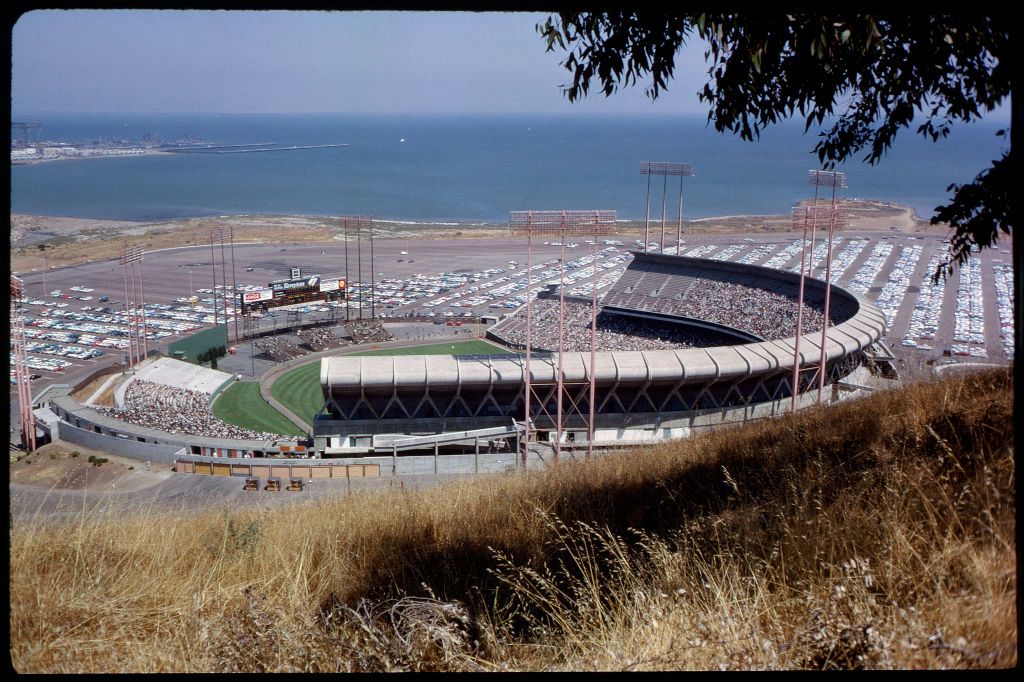
Understanding what happened to Candlestick Park requires looking beyond the final whistle blown in 2013. It requires an analysis of how aging infrastructure becomes a liability, the fiscal incentives that drive professional franchises to relocate, and the multi-billion-dollar gamble of turning a parking lot into a “city within a city.”
The Financial Obsolescence of a Multi-Purpose Icon
The primary driver behind the abandonment of Candlestick Park was the harsh reality of financial obsolescence. By the late 1990s and early 2000s, the stadium had become a drain on municipal resources and a bottleneck for the revenue potential of its primary tenants.
Maintenance Costs and the Diminishing Returns of Aging Infrastructure
From a business finance perspective, Candlestick Park had reached the end of its useful life. The cost of maintaining a concrete structure built in 1960—subjected to the corrosive salt air of the San Francisco Bay—was skyrocketing. For the City of San Francisco, which owned the stadium, the annual operating expenses were increasingly difficult to justify against the revenue generated.
In commercial real estate, there is a concept known as “highest and best use.” By the turn of the millennium, a 1960s-era multi-purpose stadium was no longer the highest and best use for 70+ acres of prime waterfront property. The facility lacked the modern premium seating, luxury suites, and integrated digital advertising infrastructure that drive the high margins required in modern professional sports.
The Economic Logic Behind the Move to Levi’s Stadium
The San Francisco 49ers’ decision to move to Santa Clara in 2014 was a calculated capital allocation move. Levi’s Stadium, costing approximately $1.3 billion, was financed through a public-private partnership that promised significantly higher returns through tech-focused sponsorships and a more affluent demographic in Silicon Valley.
From an investment standpoint, the 49ers moved from a location where they were tenants with limited control over the “fan experience” and ancillary revenue to a tech-forward hub where they could maximize their corporate brand equity. This left Candlestick Park as a “stranded asset”—a property with high historical value but zero future cash flow.
The Billion-Dollar Demolition and the Business of Deconstruction
Once the stadium was vacated, the financial challenge shifted from maintenance to demolition. Destroying a structure of that magnitude in a densely populated, environmentally sensitive area like the San Francisco coastline is a massive capital undertaking.
From Explosives to Recyclables: The Business of Deconstruction
Originally, the city planned a dramatic implosion for Candlestick Park, which would have been a televised event. However, the financial and regulatory risks—including environmental concerns regarding dust and debris in the bay—led to a change in strategy. The project shifted to a mechanical deconstruction process.
This was a strategic decision rooted in cost-recovery. Mechanical deconstruction allowed the developers to salvage and sell thousands of tons of steel and crushed concrete. In the world of industrial real estate, the ability to recycle materials on-site reduces the “sunk cost” of demolition. By processing the concrete into base material for future roads and foundations on the same site, the developers saved millions in transportation and disposal fees, illustrating a sophisticated approach to project budget management.
Navigating San Francisco’s Complex Regulatory and Financial Environment
The demolition was also a lesson in the “carry costs” of large-scale development. Every month that the vacant stadium stood was a month of taxes, security costs, and insurance premiums for the developers. In San Francisco, where the regulatory environment is notoriously stringent, the “soft costs” (permits, environmental impact reports, and legal fees) often rival the “hard costs” of physical labor. The financial success of the Candlestick project depended on the developer’s ability to navigate these hurdles without exhausting their liquidity.
Candlestick Point: The Future of Urban Investment in the Bay Area
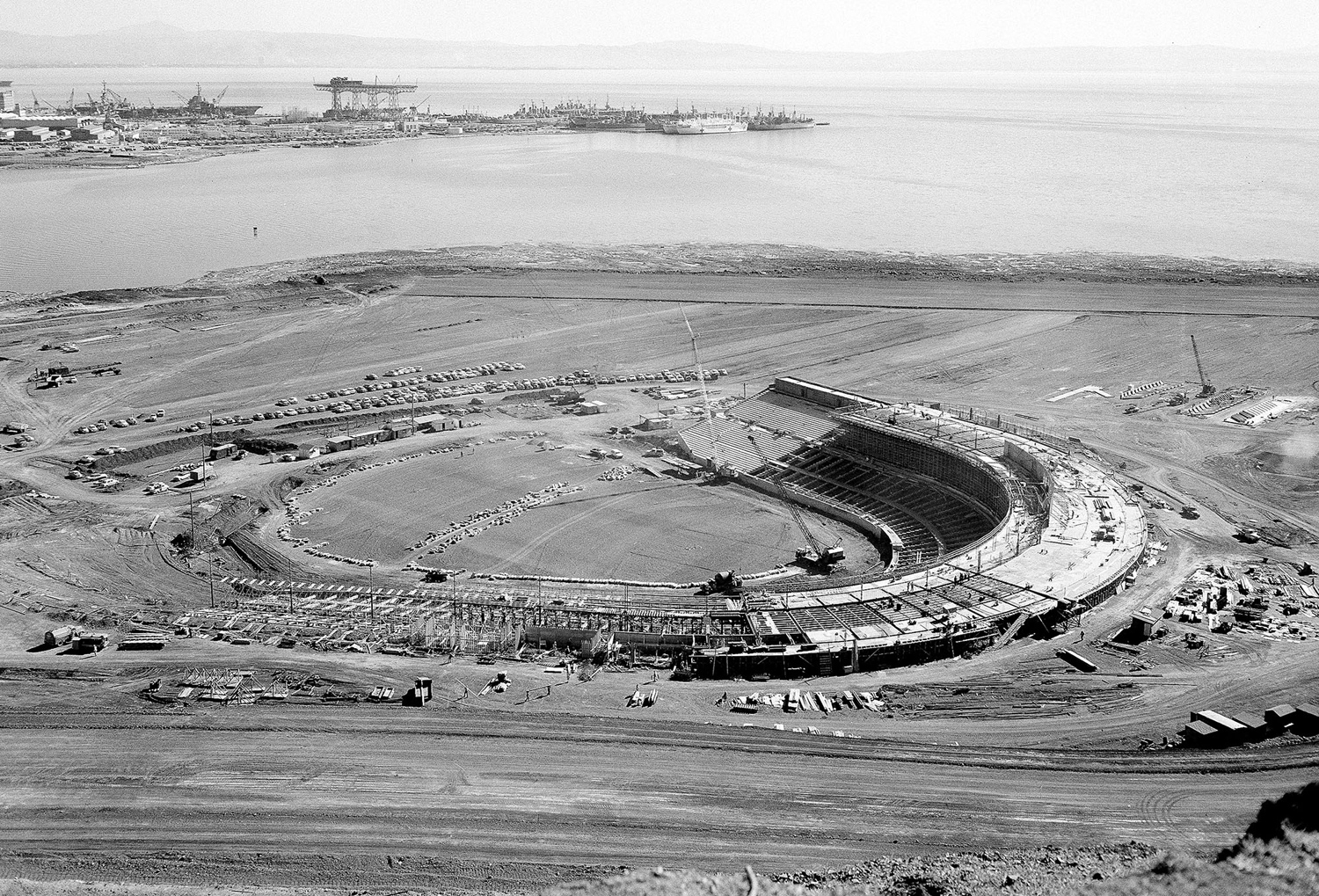
With the stadium cleared, the site became part of one of the largest urban renewal projects in United States history: the San Francisco Shipyard and Candlestick Point redevelopment. This is a multi-billion-dollar venture led by Five Point Holdings (originally a spin-off of Lennar Corporation).
The Five Point Development: A Multi-Billion Dollar Vision
The master plan for the site is an exercise in institutional-grade real estate investing. The vision includes over 6,000 residential units, hundreds of thousands of square feet of research and development space, and a massive regional retail center.
The financial logic here is diversification. By creating a mixed-use environment, the developers are not reliant on a single market segment. If the retail market dips, the residential rental market or the demand for biotech R&D space might remain strong. This project represents a shift from “sports-anchored” real estate to “lifestyle-anchored” real estate, which generally offers a more stable long-term yield for institutional investors like pension funds and REITS (Real Estate Investment Trusts).
Mixed-Use Developments as the New Gold Standard for Institutional Investors
Investors today prefer “placemaking”—the creation of entire ecosystems where people live, work, and play. The Candlestick Point project is designed to be a “15-minute city” model. From a business perspective, this increases the value of the land exponentially compared to a stadium that sits empty 300 days a year. The tax increment financing (TIF) generated by this new neighborhood is expected to provide a massive windfall for the City of San Francisco, helping to pay down municipal debt and fund public infrastructure.
Risk Management and Market Volatility in Large-Scale Projects
Despite the grand vision, the story of what happened to Candlestick Park is also a cautionary tale about market volatility and the risks inherent in long-term capital projects. As of the early 2020s, the site remains largely a construction zone, far from the finished “urban oasis” promised a decade ago.
Macroeconomic Headwinds and Construction Delays
Several financial factors have slowed the progress at Candlestick Point. First, the rising cost of capital—driven by interest rate hikes—has changed the math for large-scale construction loans. When a developer is borrowing hundreds of millions of dollars, a 2% or 3% increase in interest rates can make a project move from “profitable” to “unfeasible” overnight.
Furthermore, the COVID-19 pandemic drastically altered the demand for commercial office space and traditional retail. The shift toward remote work forced the developers to re-evaluate their financial projections for the R&D and office components of the site. This demonstrates the “market risk” associated with projects that have a 20-year development horizon; the world can change significantly between the time the land is cleared and the time the first building is occupied.
Lessons in Capital Allocation for Commercial Real Estate Investors
The delay at Candlestick also highlights the “opportunity cost” of capital. For the primary developers, the billions tied up in this project are funds that cannot be deployed elsewhere. In the business of real estate development, “velocity” is key—getting in, building, and exiting or refinancing as quickly as possible. When a project stalls due to environmental lawsuits or shifting market demands, it puts a significant strain on the developer’s balance sheet.
However, the intrinsic value of the land remains high. In a supply-constrained market like San Francisco, waterfront property is a “finite asset.” From a long-term investment perspective, the site is a “land bank”—an asset held with the expectation that its value will eventually catch up to the massive costs of preparation and remediation.
Conclusion: The Legacy of the Stick in Dollars and Cents
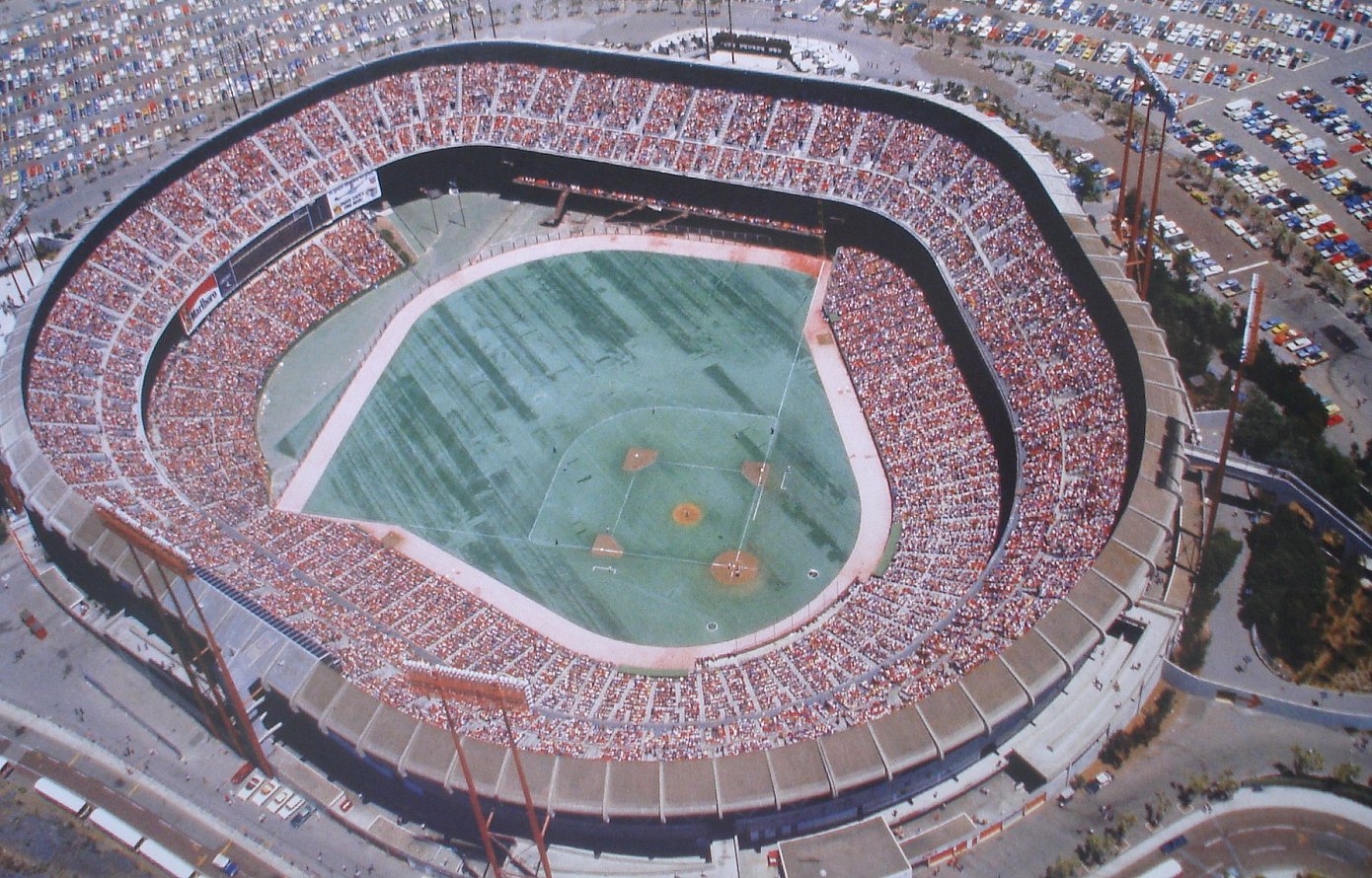
What happened to Candlestick Park is a reflection of the modern economic reality of the Bay Area. The stadium was a relic of a different financial era, one where public subsidies for sports were less scrutinized and urban land was less precious.
Today, the site is a testament to the complexities of 21st-century finance. It showcases the transition from the “industrial/entertainment” age to the “information/residential” age. While the roar of the crowd is gone, it has been replaced by the quiet, high-stakes calculations of real estate developers, urban planners, and global investors. The land where Willie Mays once hit home runs and Joe Montana threw touchdowns is now a massive ledger, waiting for the right combination of market stability and capital infusion to finally realize its multi-billion-dollar potential. For those watching the “Money” side of the story, Candlestick Point remains one of the most important real estate case studies to watch in the coming decade.
aViewFromTheCave is a participant in the Amazon Services LLC Associates Program, an affiliate advertising program designed to provide a means for sites to earn advertising fees by advertising and linking to Amazon.com. Amazon, the Amazon logo, AmazonSupply, and the AmazonSupply logo are trademarks of Amazon.com, Inc. or its affiliates. As an Amazon Associate we earn affiliate commissions from qualifying purchases.