
For decades, the feline purr was regarded as a charming biological quirk—a simple sign of a contented pet. However, as our mastery of bio-acoustics and digital signal processing has evolved, we have discovered that the purr is a sophisticated physiological mechanism. Operating at a consistent frequency range between 25 and 150 Hertz (Hz), the purr is an evolutionary masterpiece of low-frequency sound. Today, this specific frequency range is no longer just a subject for veterinarians; it has become a focal point for software developers, hardware engineers, and medical tech innovators who are looking to harness the power of “vibration therapy” and interspecies communication via artificial intelligence.

The Physics of 25–150 Hz: Bio-Acoustics and Digital Mapping
To understand why the feline purr is a marvel of biological engineering, one must first look at the technical specifications of the sound. Unlike vocalizations produced solely by the vocal cords, a purr is generated by a neural oscillator in the cat’s brain that sends signals to the laryngeal muscles. This creates a rhythmic, repetitive cycle during both inhalation and exhalation.
Measuring the Waveform: Oscilloscopes and Spectral Analysis
Modern tech has allowed us to move beyond the human ear to quantify this phenomenon. Using high-sensitivity piezoelectric sensors and digital oscilloscopes, researchers can map the purr’s waveform. What they find is a remarkably consistent low-frequency signature. While different cats have individual “voices,” the fundamental frequency almost always sits between 25 Hz and 150 Hz.
By applying a Fast Fourier Transform (FFT) to these audio recordings, tech experts can decompose the sound into its constituent frequencies. This spectral analysis reveals that the “meat” of the purr—the part that carries the most energy—often peaks at exactly 25 Hz and 50 Hz. These specific numbers are significant in the world of physics and material science because they correspond to the frequencies known to improve bone density and facilitate wound healing.
The Neural Trigger: Signal Processing in the Feline Brain
From a technological standpoint, the “trigger” for a purr is a fascinating example of biological signal processing. The feline brain utilizes a “solid-state” approach to sound production. A continuous signaling pathway from the central nervous system maintains the vibration without requiring conscious effort from the animal. In the realm of robotics and biomimicry, engineers are studying this “always-on” low-energy oscillation to develop more efficient haptic feedback systems for mobile devices and wearables.
AI and Machine Learning in Interspecies Communication
The most exciting development in feline acoustics is the application of Artificial Intelligence (AI). We are no longer satisfied with knowing what frequency a cat purrs at; we want to know what those frequencies mean. By using machine learning (ML) algorithms, developers are beginning to decode the subtle variations within the 25–150 Hz range.
Pattern Recognition: How Algorithms Distinguish Content
Not all purrs are created equal. Through supervised learning, AI models are trained on thousands of hours of feline audio data. These models can identify “solicitation purrs”—which often include a high-frequency “cry” or “chirp” embedded within the low-frequency drone—versus “contentment purrs.”
The solicitation purr typically mimics the frequency of a human infant’s cry (around 300–600 Hz) overlaid on the 25 Hz base. AI software can isolate these frequencies, allowing pet-tech companies to develop “translator” apps that provide owners with real-time data on their pet’s emotional and physiological state.
Sentiment Analysis: From Purrs to Actionable Data
By applying sentiment analysis—a tool usually reserved for processing human language—to feline purrs, tech firms are creating sophisticated health-monitoring platforms. A change in the fundamental frequency of a cat’s purr can indicate respiratory distress, cardiac issues, or chronic pain long before physical symptoms appear. By digitizing the purr, we turn a biological sound into actionable data, integrated into the broader ecosystem of pet-tech health diagnostics.
The Tech of Healing: Mimicking Feline Frequencies in Modern Medicine

The realization that cats purr at frequencies between 25 and 150 Hz has sparked a revolution in MedTech. This specific range is known as “anabolic” in therapeutic circles, meaning it promotes growth and repair. Technology is now being developed to replicate these biological vibrations to treat human ailments.
Low-Frequency Vibrational Therapy (LFVT) and Bone Density
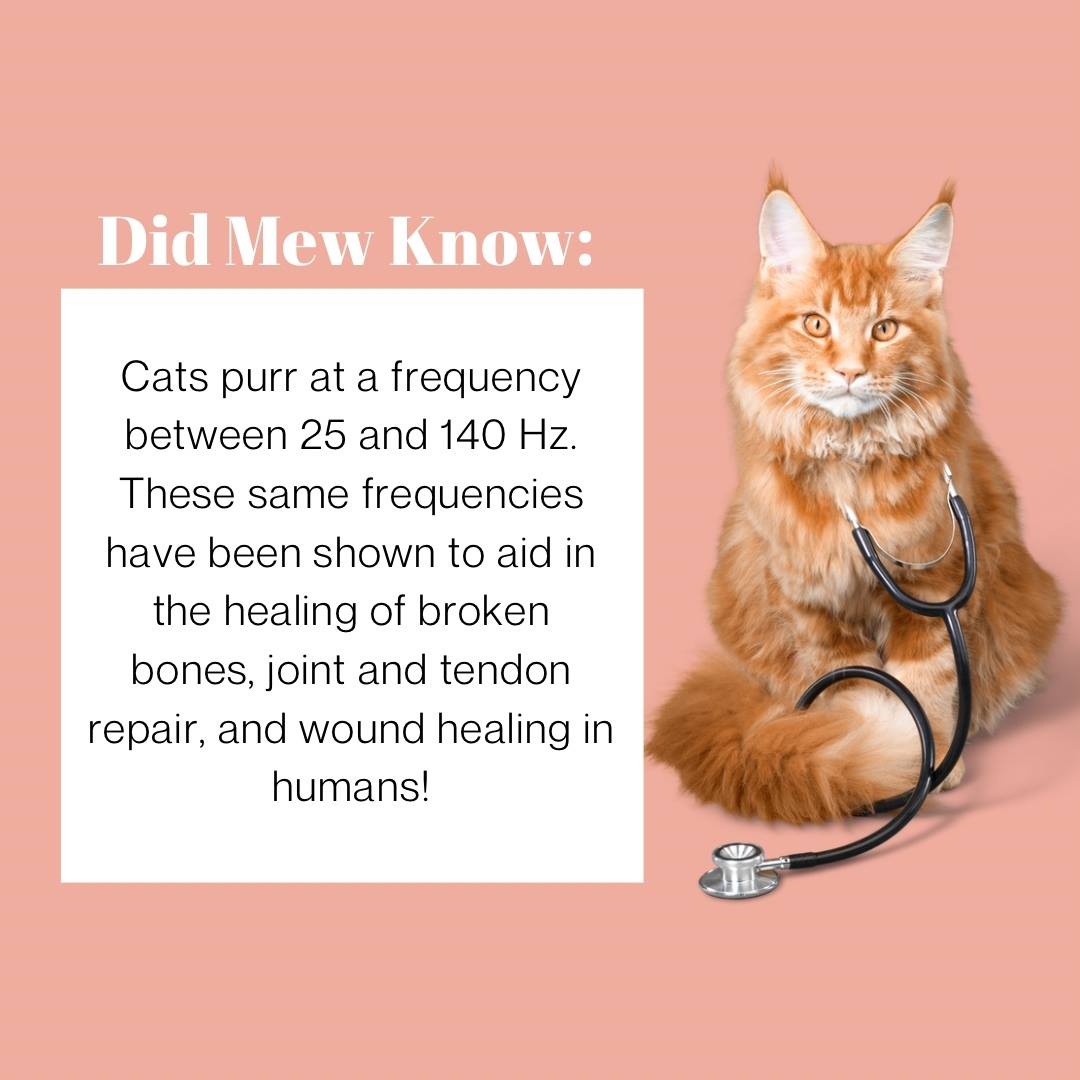
One of the most profound technological applications inspired by the feline purr is Low-Frequency Vibrational Therapy (LFVT). Research has shown that exposure to frequencies in the 25–50 Hz range can increase bone density and promote the healing of fractures. This is a “bio-hack” that cats have used for millennia to keep their skeletons strong during long periods of rest.
Hardware startups are now engineering vibrational plates and wearable “healing pads” for humans. These devices use precision motors to emit a steady 25 Hz pulse, mimicking the purr’s restorative properties. This technology is particularly relevant for astronauts in microgravity environments who face rapid bone density loss, as well as for elderly patients suffering from osteoporosis.
Consumer Gadgets: Haptic Feedback and Stress Management
The tech industry is also integrating “purr-tech” into consumer wellness gadgets. We are seeing a rise in “calming wearables” and smart pillows that utilize haptic motors to recreate the 100–120 Hz vibration of a purring cat.
In the software space, developers of meditation and sleep apps are moving away from simple white noise to high-fidelity, synthetically generated purr loops. These aren’t just recordings; they are “generative audio” tracks that fluctuate slightly in frequency to prevent the brain from habituating to the sound, thereby maximizing the parasympathetic nervous system’s relaxation response.
Smart Pet Devices: Integrating Purr Monitoring into the IoT Ecosystem
As the Internet of Things (IoT) expands to include our pets—often referred to as the Internet of Pets (IoP)—the frequency of the purr is becoming a key metric in the smart home environment.
Wearable Bio-Sensors for Early Diagnosis
New generations of smart collars are equipped with sophisticated acoustic sensors and accelerometers designed specifically to detect the “vibrational signature” of a purr. This data is uploaded to the cloud, where it is compared against a baseline established for that specific cat.
If the frequency shifts or the duration of purring decreases, the system can send an automated alert to the owner’s smartphone or directly to a veterinarian’s dashboard. This integration of hardware and software represents a shift toward preventative pet care, driven entirely by frequency analysis.
The Future of Smart Home Integration for Pet Wellness
Imagine a smart home that responds to your pet’s bio-feedback. In the near future, an IoT-enabled home could detect a cat’s purr frequency and adjust the environment accordingly. If the frequency indicates a “solicitation” state (hunger or stress), the smart home could adjust the lighting to a warmer hue, play calming low-frequency music, or even activate an automated feeder.
This level of automation relies on the precise digital identification of the purr’s 25–150 Hz range. By treating the purr as a digital command signal, tech developers are creating a more seamless integration between our domestic environments and the biological needs of the animals that inhabit them.
Conclusion: The Convergence of Biology and Bitrate
The question “what frequency do cats purr” has led us down a path of significant technological discovery. What was once dismissed as a simple sound is now understood as a complex, multi-modal signal with profound implications for AI, medicine, and the IoT. By capturing the 25–150 Hz range and translating it into digital data, we are bridging the gap between species and unlocking new ways to heal the human body.
As we continue to refine our sensors and improve our machine learning models, the “frequency of the purr” will likely become a standard metric in both pet and human wellness tech. We are entering an era where the soothing vibration of a cat is no longer just a comfort—it is a calibrated, technological tool for health and communication. In the intersection of biology and technology, the cat’s purr remains one of the most efficient and effective “apps” ever designed.
aViewFromTheCave is a participant in the Amazon Services LLC Associates Program, an affiliate advertising program designed to provide a means for sites to earn advertising fees by advertising and linking to Amazon.com. Amazon, the Amazon logo, AmazonSupply, and the AmazonSupply logo are trademarks of Amazon.com, Inc. or its affiliates. As an Amazon Associate we earn affiliate commissions from qualifying purchases.