
Snoring has long been a subject of caricature, often unfairly associated almost exclusively with men. However, data-driven insights from the burgeoning SleepTech industry reveal a much more complex reality. For women, snoring is not merely a nocturnal nuisance but a significant health indicator that technology is finally beginning to decode. As we move into an era of personalized medicine and advanced wearables, the question of “what causes a woman to snore” is being answered through the lens of sophisticated sensors, AI-driven sound analysis, and biometric data mapping.
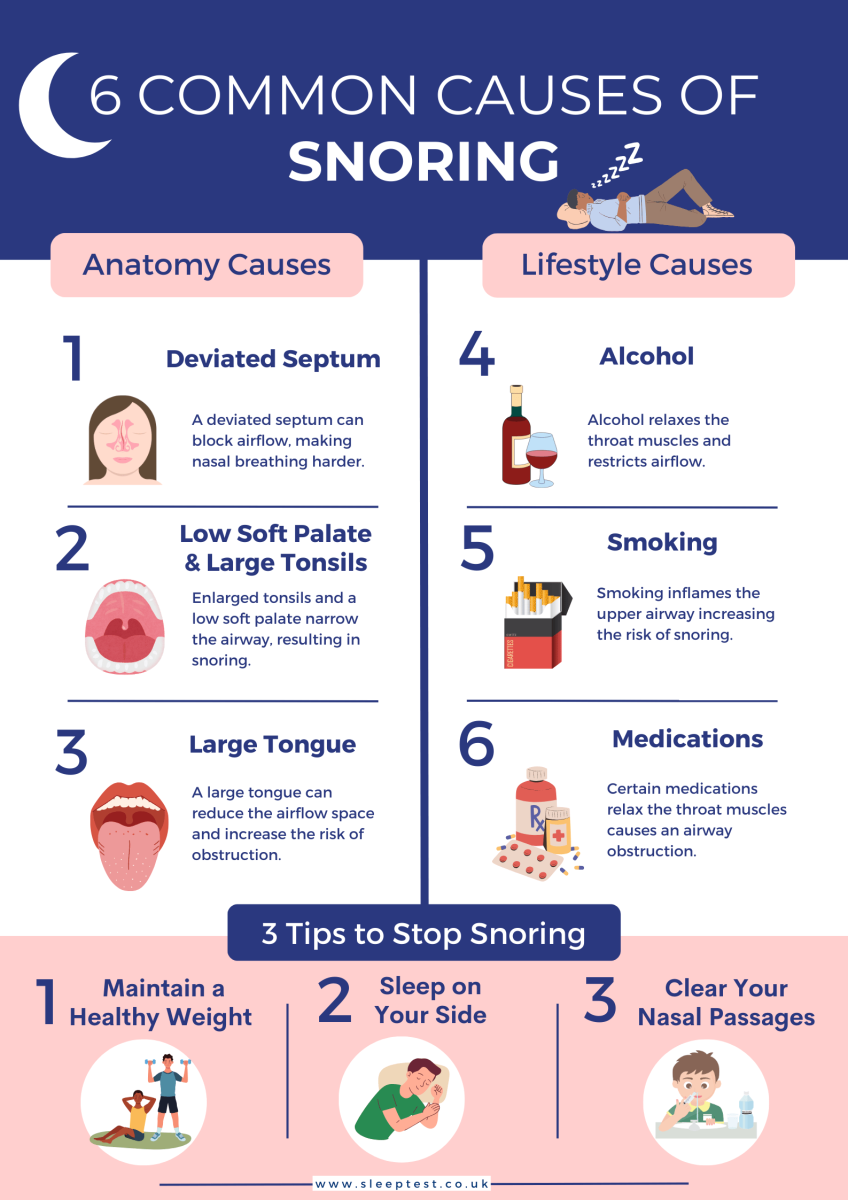
Understanding these causes requires a departure from traditional clinical observations and an embrace of the digital health ecosystem. From hormonal fluctuations tracked via smart rings to upper-airway monitoring via bedside AI, technology is bridging the gap between silent suffering and actionable health data.
The Diagnostic Revolution: Wearables and AI-Driven Analysis
The first step in understanding snoring is accurate detection and classification. For decades, the gold standard was the Polysomnography (PSG) study, conducted in a clinical setting. Today, the “hospital-at-home” trend has decentralized this process, allowing women to use consumer-grade technology to identify the root causes of their snoring in their natural environment.
AI-Powered Sound Analysis and Acoustic Mapping
One of the most accessible entry points into understanding female snoring is smartphone-based sound analysis. Applications like SnoreLab and SleepScore use advanced machine learning algorithms to distinguish between different types of snoring sounds. For women, this is crucial because snoring often presents differently than in men—it may be higher-pitched or more rhythmic, often related to partial airway obstruction rather than full collapse.
These AI tools analyze the “Snore Score” by measuring intensity, frequency, and duration. By correlating these sounds with lifestyle inputs—such as caffeine intake, stress levels, or menstrual cycle phases—these apps provide a digital footprint of what is happening physically. This data is the first line of defense in identifying whether the cause is simple nasal congestion or a more serious condition like Obstructive Sleep Apnea (OSA).
Smart Rings and the Rise of Peripheral Oxygen Monitoring
While sound analysis tracks the symptom, wearables like the Oura Ring, Circular, and the latest Apple Watch track the physiological impact. For women, snoring is frequently linked to drops in blood oxygen saturation (SpO2).
Traditional wearables were often calibrated for male physiology, but the latest generation of SleepTech uses refined algorithms to account for thinner skin and different circulation patterns in women. By monitoring overnight SpO2 levels and heart rate variability (HRV), these devices can pinpoint when a woman’s snoring is causing systemic stress. If the technology detects a pattern of oxygen desaturation coinciding with snoring sounds, it indicates that the “cause” is an anatomical narrowing of the airway that requires mechanical or digital intervention.
The Digital Health Perspective on Physiological Causes
Technology doesn’t just track snoring; it helps explain the biological “why.” For women, the causes of snoring are often deeply integrated with endocrine health, a factor that was historically difficult to monitor outside of a lab.
Data Mapping Hormonal Shifts and Respiratory Drive
One of the most significant causes of snoring in women is the fluctuation of estrogen and progesterone. Progesterone acts as a respiratory stimulant; when levels drop—during the luteal phase of the menstrual cycle, during pregnancy, or most notably during menopause—the muscles in the throat become more prone to collapse.
FemTech (Female Technology) integrations now allow women to overlay their sleep data with their menstrual or menopausal tracking data. By using temperature sensors in wearables to track ovulation and hormonal shifts, women can see a direct correlation between their hormonal troughs and their peak snoring periods. This “Big Data” approach to personal health helps move the conversation away from “bad habits” and toward “biological cycles,” allowing for more targeted technological solutions.

Digital Twins and Airway Modeling
Innovation in imaging tech and “Digital Twins” (virtual models of a patient’s anatomy) is also playing a role. Using 3D scanning and high-resolution imaging, specialists can now create a digital model of a woman’s upper airway. This technology reveals how female anatomy—which typically features a shorter soft palate and a different neck circumference than men—contributes to snoring. These models allow engineers to design devices that are specifically contoured for the female frame, rather than the “one-size-fits-all” approach of the past.
Smart Interventions: Tech-Enabled Anti-Snoring Solutions
Once the cause is identified—be it positional, anatomical, or hormonal—the next frontier is the intervention. The tech market has moved far beyond the simple “nose strip,” introducing active devices that respond in real-time to the user’s snoring.
Smart Pillows and Position-Adjusting Beds
A common cause of snoring in women is “positional snoring,” where sleeping on the back causes the tongue to relax into the airway. Modern SleepTech addresses this through haptic feedback and automation. Smart pillows, equipped with integrated microphones and air chambers, can detect the specific frequency of a snore.
When a snore is detected, the pillow gently inflates a section to turn the sleeper’s head to the side without waking them. Similarly, smart beds like those from Sleep Number or Eight Sleep can automatically adjust the “incline” of the mattress. By elevating the head by just a few degrees—an adjustment triggered by AI detection—the technology uses gravity to keep the airway open, effectively neutralizing the physical cause of the snore.
Next-Gen CPAP and EPAP Micro-Devices
For women whose snoring is a symptom of Sleep Apnea, traditional CPAP (Continuous Positive Airway Pressure) machines have historically seen low compliance due to bulky designs and masks that don’t fit smaller faces.
The tech industry has responded with “Micro-CPAP” and EPAP (Expiratory Positive Airway Pressure) technology. Devices like the AirMini or the OptiPillows use miniaturized turbines and specialized nasal seals designed for female ergonomics. Furthermore, these devices are now “connected,” sending nightly data to a cloud-based dashboard where AI identifies leaks or pressure needs. This ensures that the intervention is as dynamic as the user’s breathing patterns, providing a tech-first solution to a physical obstruction.
The Future of Sleep Wellness: Biometric Data and Personalized Care
As we look toward the future, the resolution of female snoring lies in the integration of biometric data into the broader healthcare ecosystem. We are moving away from reactive gadgets and toward proactive, ecosystem-based wellness.
Integrating Sleep Data into the Health Stack
The future of understanding what causes a woman to snore lies in “interoperability.” This means your sleep tracker, your diet app, and your electronic health record (EHR) all talking to each other. If an AI analyzes your data and finds that your snoring peaks when your digital scale shows a 2% increase in water retention (common in certain cycle phases), the system can suggest specific interventions—like a slight change in sleeping position or a reduction in sodium—before the snoring even starts.
This predictive modeling is the pinnacle of SleepTech. It moves the focus from “why did I snore last night?” to “how can I prevent snoring tonight based on my current biological data?”

The Democratization of Sleep Science
Perhaps the most significant impact of technology on this niche is the democratization of information. For years, women’s snoring was ignored or dismissed by the medical establishment. Today, the transparency of data allows women to walk into a doctor’s office with three months of acoustic recordings, oxygen saturation charts, and hormonal correlation maps.
This shift in the power dynamic is fueled entirely by tech. It forces a more rigorous investigation into the causes—be it the narrowing of the pharyngeal space, the loss of muscle tone due to aging, or pregnancy-induced rhinitis. Technology is not just providing the tools to stop the noise; it is providing the evidence to demand better healthcare.
In conclusion, what causes a woman to snore is a multifaceted intersection of biology and lifestyle, but technology is the key that unlocks the mystery. Through AI analysis, wearable monitoring, and smart interventions, the SleepTech industry is ensuring that women no longer have to wonder why they snore. Instead, they can use data to reclaim their sleep, their health, and their silence.
aViewFromTheCave is a participant in the Amazon Services LLC Associates Program, an affiliate advertising program designed to provide a means for sites to earn advertising fees by advertising and linking to Amazon.com. Amazon, the Amazon logo, AmazonSupply, and the AmazonSupply logo are trademarks of Amazon.com, Inc. or its affiliates. As an Amazon Associate we earn affiliate commissions from qualifying purchases.