
For decades, urinalysis was a procedure confined to sterile laboratories and clinical environments. A “high urine pH”—indicating alkalinity—was a data point buried in a paper report, often only discussed during annual check-ups. However, the rapid advancement of Health-Tech has transformed this biological marker into a real-time digital stream. In the modern era of personalized medicine, understanding what causes a high urine pH is no longer just a medical inquiry; it is a technological challenge involving advanced sensors, AI-driven diagnostics, and the Internet of Medical Things (IoMT).
The shift from reactive healthcare to proactive monitoring has placed urine pH at the center of the “smart bathroom” revolution. As we move toward a future of continuous health monitoring, technology is playing a dual role: it is the primary tool for detecting pH fluctuations, and in some cases, the technical infrastructure itself can influence how these readings are captured and interpreted.
The Evolution of Bio-Sensing: From Dipsticks to AI Algorithms
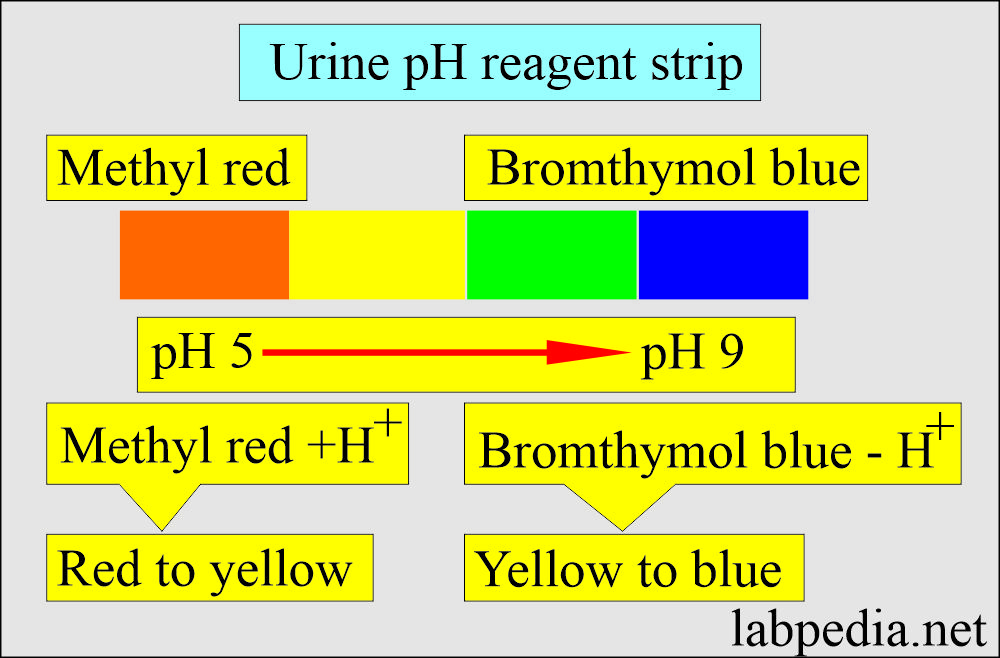
Traditionally, measuring urine pH involved manual dipsticks that relied on visual color comparison—a method prone to human error and low resolution. Today, the tech industry has replaced these analog methods with sophisticated bio-sensors capable of providing granular data.
The Digitization of Urinalysis
The emergence of smartphone-connected diagnostic kits has changed the landscape. These systems use optical recognition software to analyze test strips under varying light conditions. By utilizing a phone’s camera and a dedicated app, algorithms can correct for ambient lighting and shadows, providing a far more accurate reading of high pH levels than the naked eye. This digitization allows for longitudinal tracking, where a user can see how their pH trends over weeks or months, rather than looking at a single, isolated snapshot.
Machine Learning in Predictive Health Monitoring
What makes modern tech truly powerful is not just the ability to measure pH, but the ability to contextualize it. Machine learning (ML) models are now being trained to identify the underlying causes of high urine pH by correlating it with other data points. For instance, an AI tool might cross-reference an alkaline pH reading with a user’s smartwatch data showing intense physical activity or an integrated nutrition app showing a shift toward a plant-based diet. This “data fusion” creates a comprehensive picture of metabolic health that was previously impossible without a team of specialists.
Technical Factors Influencing High pH Data Accuracy
In the realm of digital health, a high urine pH reading isn’t always a biological certainty; it can sometimes be a byproduct of technical variables. Understanding the technology behind the measurement is crucial for interpreting the results.
Sensor Degradation and Environmental Interference
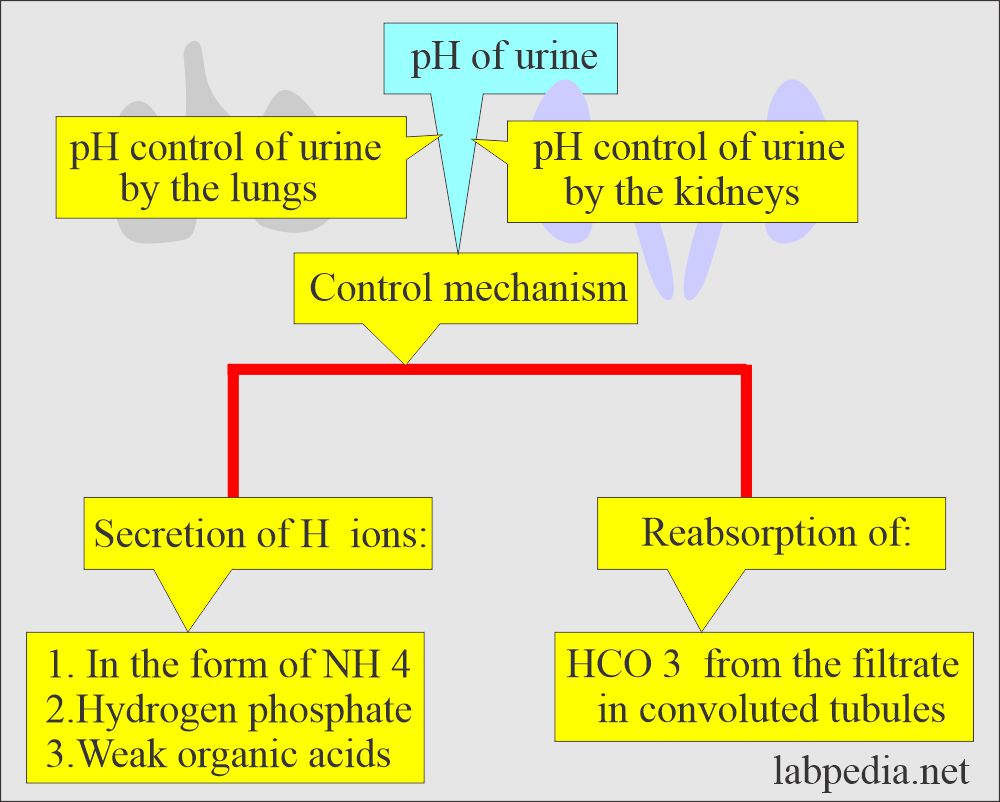
Electronic pH sensors, particularly those integrated into smart toilets or continuous monitoring devices, rely on ion-selective electrodes. Over time, these sensors can suffer from “drift” or “poisoning,” where the chemical sensitivity of the electrode diminishes. In such cases, a sensor might report a high pH (alkalinity) simply because the calibration has failed. Tech developers are currently working on “self-calibrating” sensors that use reference solutions to ensure that a reading of 8.0 is actually 8.0, and not a technical glitch caused by mineral buildup on the lens.
Cloud Connectivity and Real-Time Data Processing
The architecture of health apps also plays a role in how high pH is reported. Data latency and processing errors in the cloud can lead to misinterpretations. For example, if a device captures a reading but fails to sync immediately, the sample might sit (in a reservoir) and undergo chemical changes—such as the breakdown of urea into ammonia by bacteria—which naturally raises the pH. The “tech cause” here is a delay in data ingestion, highlighting the need for edge computing where the analysis happens on the device itself to ensure the freshest, most accurate data.
Innovations in Smart Home Medical Hardware
The “Gadgetization” of health monitoring has led to the development of hardware specifically designed to monitor metabolic fluctuations. If you are seeing high pH readings, the hardware you use to track it is often as important as the biology itself.
The Rise of the Smart Toilet
The most significant trend in this niche is the smart toilet. Companies like Withings and various startups in the Silicon Valley ecosystem are developing “hands-free” urinalysis labs that sit inside the toilet bowl. These gadgets use microfluidics—the manipulation of tiny amounts of fluid—to move urine into a sensing chamber. By automating the process, these devices eliminate the “user error” cause of high pH readings (such as improper timing or contamination) and provide a controlled environment for high-fidelity testing.
Wearable Bio-Sensors and Integrated Health Ecosystems
While we haven’t yet reached a “wearable” urine sensor in the traditional sense, the integration of different tech ecosystems allows for a proxy-style monitoring. For example, a user might use a Bluetooth-enabled urine analyzer that syncs with their Apple Health or Google Fit profile. When a high pH is detected, the ecosystem looks for “tech-derived causes.” Did the user’s connected water bottle report low intake (dehydration)? Did their smart scale show a sudden change in body composition? The tech ecosystem acts as a detective, using various gadgets to find the “why” behind the “high.”
Data Interpretation: How Software Identifies High pH Trends
In the tech world, “raw data is noise; interpreted data is signal.” When a high urine pH is recorded, software must determine if this is an acute spike or a chronic trend, and what that means for the user.
Algorithmic Thresholds and Patient Baselines
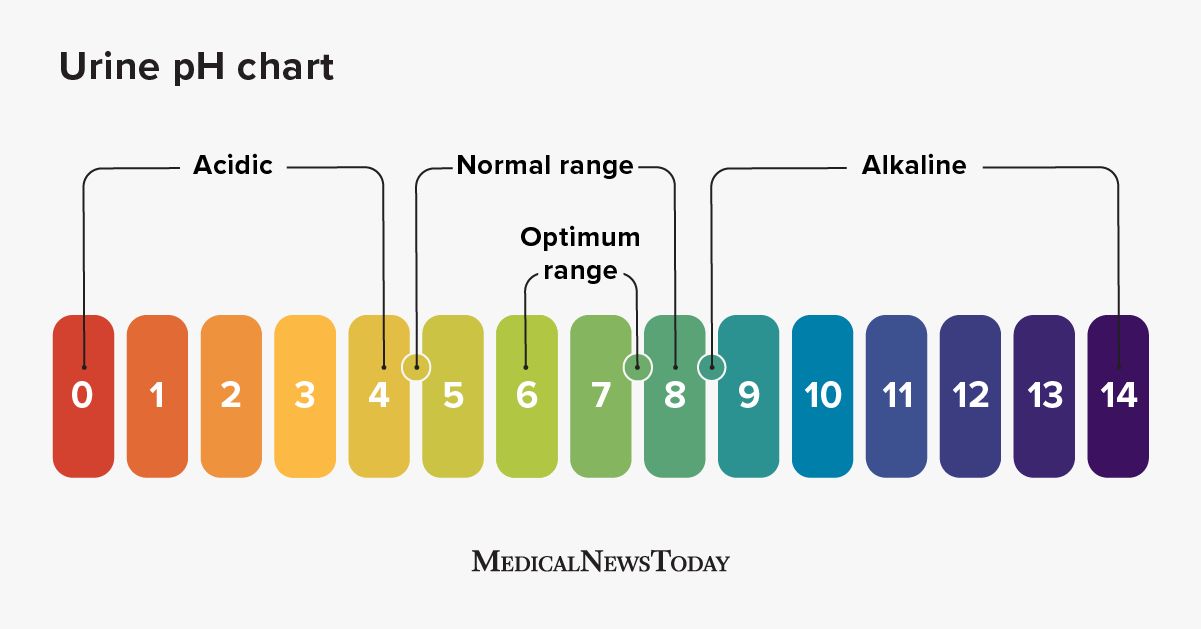
One of the primary causes of a “high pH alert” in a health app is the crossing of a pre-set algorithmic threshold. However, “high” is relative. Advanced software now uses personalized baselines. While the standard medical “high” might be above 7.0, an AI-driven app might learn that a specific user’s baseline is 7.2 due to their specific lifestyle. Therefore, the app won’t trigger an alert until the pH hits 8.0. This reduction in “false positives” is a major focus for UI/UX designers in the health-tech space who want to prevent “notification fatigue.”
Integrating pH Data with Diet-Tracking Apps
Diet is a primary driver of urine pH (alkaline diets vs. acidic diets). The most sophisticated health software now uses API integrations to pull data from nutrition apps like MyFitnessPal. If a user logs a significant amount of green leafy vegetables or citrus fruits, the software automatically contextualizes the resulting high urine pH. This prevents unnecessary concern and demonstrates the power of software interoperability in modern health management.
Security and Ethical Considerations in Bio-Data Tracking
As we collect more granular data on things like urine pH, the technological infrastructure must be robust enough to protect it. The cause of a high pH reading might be biological, but the consequences of that data being leaked are purely technical and legal.
Privacy Standards for Metabolic Data
Urine pH data is a form of Protected Health Information (PHI). Tech companies operating in this space must adhere to HIPAA in the US or GDPR in Europe. The “tech cause” for concern here is the vulnerability of the databases where this information is stored. If a company’s digital security is weak, a user’s metabolic history—including fluctuations in pH that could indicate underlying conditions—could be exposed. This has led to the implementation of end-to-end encryption for all data moving from the smart sensor to the cloud.
The Future of Decentralized Health Records
Looking forward, many in the tech industry are advocating for the use of blockchain to store metabolic data like urine pH. By using a decentralized ledger, the “cause” of data integrity becomes the protocol itself. A user would have a private key to their health data, ensuring that their pH trends are only accessible to authorized AI diagnostic tools or healthcare providers. This shift from centralized servers to decentralized tech marks the next frontier in how we handle the highly personal data generated by our own bodies.
In conclusion, a high urine pH is no longer just a symptom to be addressed in a doctor’s office; it is a complex data point at the heart of the health-tech revolution. From the sensors that detect it to the AI that interprets it and the security protocols that protect it, technology is the lens through which we now view our internal chemistry. As these tools become more integrated into our homes and lives, the “cause” of a high reading will increasingly be found at the intersection of our biological choices and the digital tools we use to track them.
aViewFromTheCave is a participant in the Amazon Services LLC Associates Program, an affiliate advertising program designed to provide a means for sites to earn advertising fees by advertising and linking to Amazon.com. Amazon, the Amazon logo, AmazonSupply, and the AmazonSupply logo are trademarks of Amazon.com, Inc. or its affiliates. As an Amazon Associate we earn affiliate commissions from qualifying purchases.