
In the world of modern marketing, a brand is far more than a logo or a catchy slogan; it is a holistic experience that a company serves to its audience. Just as a fine dining experience is meticulously structured into distinct phases to ensure satisfaction and memorability, a world-class brand strategy follows a logical progression. We can view the architecture of a successful brand through the lens of a “3-course meal”: the Appetizer (Discovery and Research), the Main Course (Identity and Strategy), and the Dessert (Activation and Experience).
When businesses attempt to “snack” on branding by only focusing on a logo or a social media post, they often find their market presence lacks substance. To build a brand that resonates, sustains, and grows, one must understand how these three courses work in harmony to satisfy the consumer’s appetite for authenticity and value.
The Appetizer: Market Research and Brand Discovery
The first course of any great meal sets the stage. In branding, the “appetizer” is the discovery phase. This is where the foundation is laid, and the “flavor profile” of the market is analyzed. Without a successful discovery phase, the brand risks serving something the audience doesn’t want or, worse, something they find unpalatable.
Understanding Your Audience’s Palate
Before a chef decides on a menu, they must know who is sitting at the table. In the branding niche, this equates to deep-dive audience segmentation. You aren’t just looking at demographics like age and location; you are looking at psychographics—the values, fears, and aspirations of your potential customers. What keeps them up at night? What are their “taste preferences” regarding communication styles? A brand that understands its audience’s palate can tailor its messaging to be instantly appetizing.
Competitive Analysis: What’s on the Competitor’s Plate?
A brand does not exist in a vacuum. To stand out, you must understand what others are serving. Competitive analysis involves auditing the visual identities, messaging, and market positioning of your rivals. The goal isn’t to mimic their menu but to find the “gaps” in the service. If everyone in your industry is serving “fast-food” style branding—quick, cheap, and impersonal—there may be a significant opportunity for you to offer a “farm-to-table” brand experience that emphasizes quality and transparency.
Defining the Brand Core: The Essential Seasoning
Every great dish has a base of essential seasonings that define its character. In branding, these are your Core Values, Mission, and Vision. This sub-section of the discovery phase identifies why the brand exists beyond making a profit. Is the brand’s core centered on innovation, reliability, or perhaps rebellion? Defining these elements early ensures that every subsequent “course” of the strategy remains consistent and flavorful.
The Main Course: Crafting the Brand Identity and Strategy
If the discovery phase is the preparation, the identity and strategy phase is the “Main Course.” This is the most substantial part of the branding process—the “meat” of how the brand presents itself to the world and how it plans to win. It is the phase where abstract ideas are transformed into tangible assets and strategic directions.
Visual Identity: The Presentation of the Plate
We eat with our eyes first. In branding, the visual identity is the “plating” of your brand. This includes the logo, color palette, typography, and imagery style. Each element must be chosen with psychological intent. For instance, blue often evokes trust and stability (common in finance), while red can signal energy and passion (common in food and beverage). The visual identity must be cohesive; if the “appetizer” promised a luxury experience, the “main course” visual identity cannot look budget or unrefined.
Brand Voice: The Flavor Profile of Communication
The way a brand speaks is just as important as how it looks. This is the brand voice—the consistent personality and rhythm of your communication. Is your brand the “expert mentor” that speaks with authority and clarity? Or is it the “witty friend” that uses humor and irreverence? Developing a Brand Voice Chart ensures that whether a customer is reading an email, a white paper, or a tweet, the “flavor” of the brand remains unmistakable.
Value Proposition: The Heart of the Meal
The value proposition is the specific benefit that a brand promises to deliver. It is the reason a customer chooses your “meal” over any other. A strong value proposition is clear, concise, and focuses on the transformation the customer will experience. It answers the fundamental question: “How does this brand make my life better?” In the main course of branding, the value proposition is the centerpiece that holds the entire strategy together.
The Dessert: Brand Activation and Customer Experience
The final course of a meal is the “Dessert”—the sweet note that leaves a lasting impression and encourages the guest to return. In branding, this is Activation and Experience. This is where the strategy moves off the blueprint and into the real world, creating the emotional “aftertaste” that defines brand loyalty.
Touchpoints: Serving the Experience
Brand activation is the process of bringing the brand to life across various touchpoints. A touchpoint is any point of interaction between the brand and the customer, from the unboxing experience of a product to the navigation of a website or the tone of a customer service call. For a brand to be successful, these touchpoints must be seamless. If the “Main Course” promised premium quality, but the “Dessert” (the actual customer service experience) is poor, the entire meal is ruined.
Building Community: The Sweet Aftertaste of Loyalty
Modern branding has moved beyond mere transactions; it is about building a community. The “dessert” phase involves engaging with your audience in a way that makes them feel like part of something larger. This can be achieved through social media engagement, exclusive memberships, or brand storytelling that invites the customer to be the hero. When a brand successfully builds a community, customers transition from being “diners” to being “advocates,” sharing their positive experiences with others.
Measuring Success: The Critique and Refinement
Just as a chef listens to reviews to improve their craft, a brand must constantly measure its impact. This involves tracking Brand Equity, Net Promoter Scores (NPS), and sentiment analysis. Branding is not a “one-and-done” event; it is an iterative process. By analyzing how the “meal” was received, brand managers can refine their recipes, adjusting the seasonings of their strategy to better suit the evolving tastes of the market.
Why a Holistic “Meal” Approach Outperforms Al La Carte Branding
Many businesses make the mistake of “al la carte” branding—picking and choosing elements without a cohesive plan. They might buy a logo (the plating) without having a target audience (the guests) or a value proposition (the main course). This leads to a disjointed brand that confuses the market.
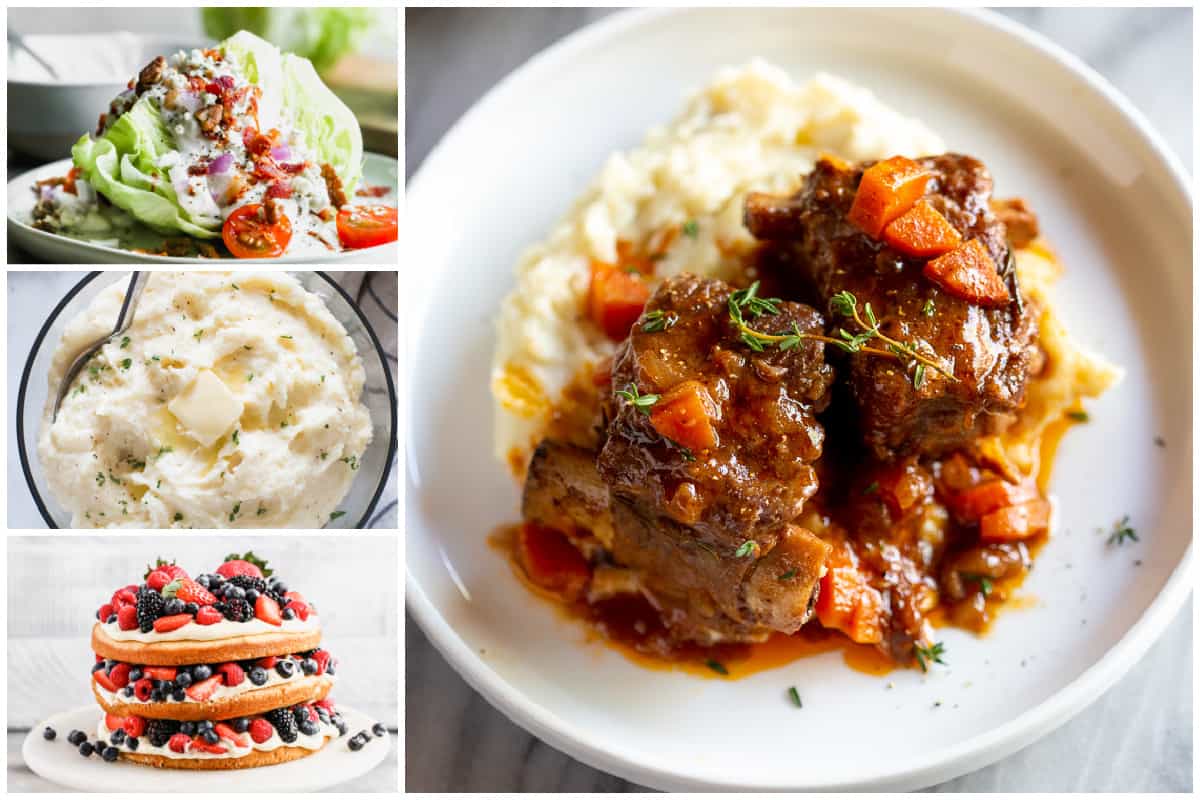
A 3-course meal approach ensures harmony. The insights gained in the discovery phase (Appetizer) directly inform the visual and verbal identity (Main Course), which in turn dictates how the brand is experienced in the real world (Dessert). This holistic strategy builds “Brand Resonance”—the point at which a customer feels a deep, psychological bond with the brand.
In an era of infinite choice and digital noise, brands that serve a complete, well-thought-out “3-course meal” are the ones that stand out. They provide more than just a product; they provide a consistent, satisfying, and memorable experience that keeps customers coming back to the table time and time again. By following this structured recipe, businesses can move beyond being a mere commodity and become an essential part of their customers’ lives.
aViewFromTheCave is a participant in the Amazon Services LLC Associates Program, an affiliate advertising program designed to provide a means for sites to earn advertising fees by advertising and linking to Amazon.com. Amazon, the Amazon logo, AmazonSupply, and the AmazonSupply logo are trademarks of Amazon.com, Inc. or its affiliates. As an Amazon Associate we earn affiliate commissions from qualifying purchases.