
Manhattan is an island defined by its connectivity. While history books often focus on the architectural grandeur of the 21 bridges that link this borough to the Bronx, Brooklyn, Queens, and New Jersey, a modern perspective reveals a different story. Today, these bridges are no longer just static feats of civil engineering; they are sophisticated technological hubs. From the iconic Brooklyn Bridge to the heavy-lifting George Washington Bridge, the “21 bridges” represent a massive, interconnected network of Internet of Things (IoT) sensors, structural health monitoring (SHM) software, and advanced traffic management systems.
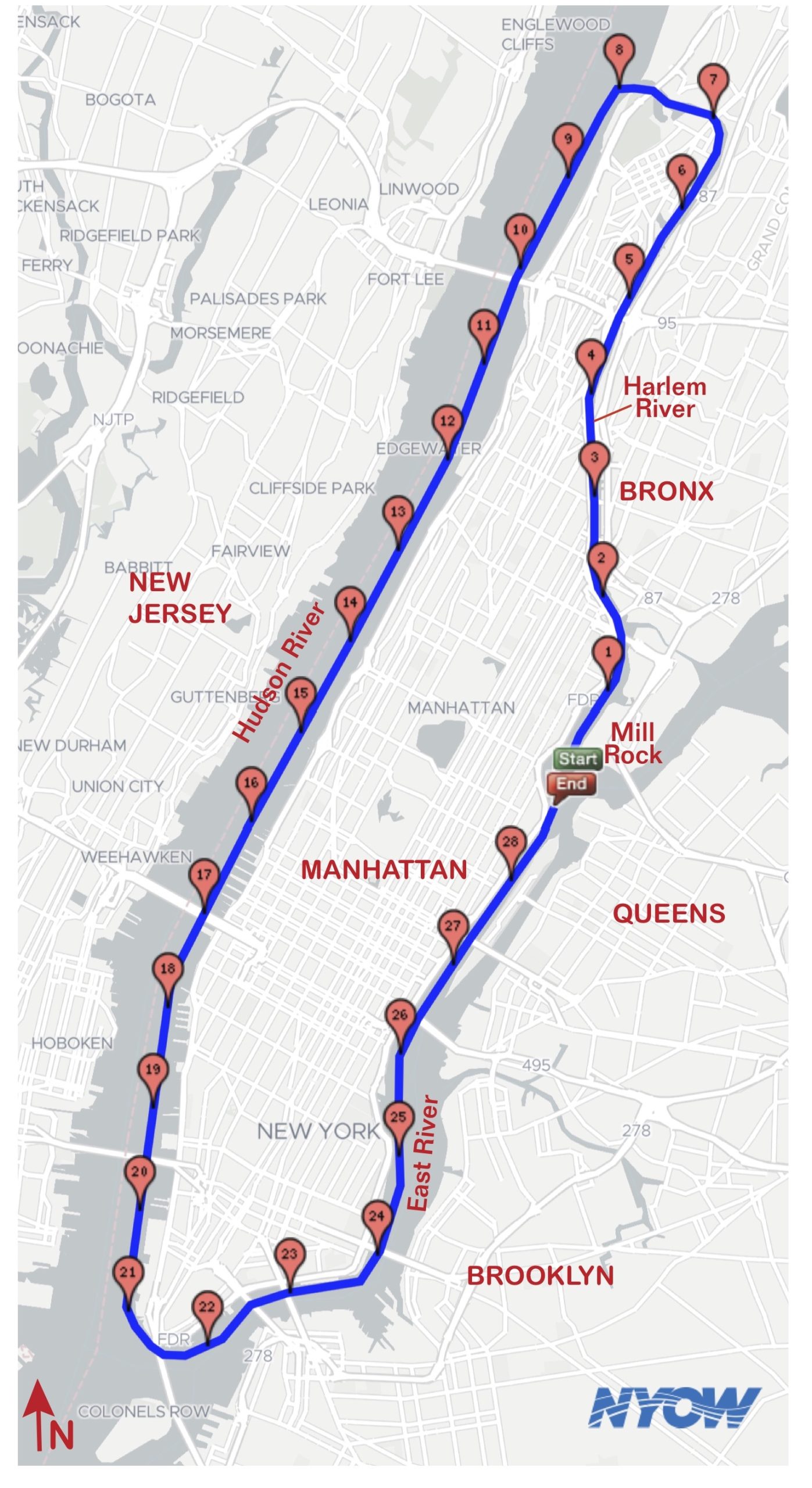
In this analysis, we explore the digital transformation of Manhattan’s physical lifelines, examining how technology ensures the safety, efficiency, and longevity of these critical infrastructure assets.
Smart Infrastructure and the IoT Ecosystem of the East River
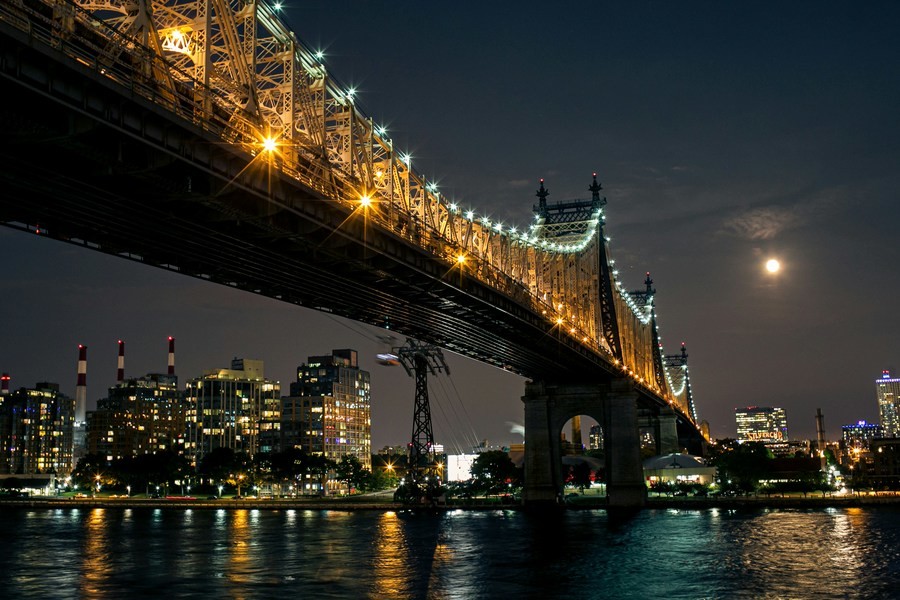
The bridges connecting Manhattan to Brooklyn and Queens—most notably the Brooklyn, Manhattan, Williamsburg, and Queensboro bridges—serve as the testing ground for smart city integration. Because these structures handle millions of crossings weekly, the manual inspection methods of the 20th century are being replaced by high-frequency digital monitoring.
Sensor Integration and Real-Time Data Acquisition
Every bridge in the Manhattan network is increasingly being outfitted with a variety of IoT sensors. These include accelerometers to measure vibration, strain gauges to monitor the tension in suspension cables, and inclinometers to detect even the slightest shift in the bridge’s piers. On the Manhattan Bridge, for example, sensors collect data on how the structure reacts to the rhythmic loading of subway trains compared to vehicular traffic. This data is transmitted via fiber-optic networks to a central command center, allowing engineers to visualize the bridge’s “pulse” in real-time.
Connectivity and 5G Expansion Across Waterways
Beyond their structural utility, the 21 bridges serve as vital conduits for New York’s telecommunications. Carrying more than just cars, bridges like the Williamsburg Bridge house massive bundles of fiber-optic cables that provide the high-speed backbone for the city’s internet. Recently, the integration of 5G small cell technology onto bridge lamp posts and towers has become a priority. This ensures that the “dead zones” traditionally found over the water are eliminated, providing seamless handoffs for mobile devices and preparing the city for the next generation of connected hardware.
Structural Health Monitoring (SHM) Through AI and Machine Learning
The most significant tech shift in the management of Manhattan’s bridges is the move from reactive maintenance to predictive maintenance. By utilizing Artificial Intelligence (AI), the New York City Department of Transportation (DOT) and the MTA can predict a failure before it occurs.
Predictive Maintenance Algorithms
With 21 bridges of varying ages—ranging from the 1883 Brooklyn Bridge to the modern replacements in the Harlem River—the wear and tear patterns are diverse. AI algorithms analyze historical weather data, traffic loads, and sensor inputs to identify anomalies. For instance, if a specific joint on the Alexander Hamilton Bridge begins to vibrate outside of its normal frequency, the system flags it for immediate inspection. This “predictive” approach saves millions in emergency repair costs and prevents the catastrophic “cascading failures” that can occur in aging steel structures.
Digital Twins: Modeling the Steel and Concrete
A “Digital Twin” is a virtual replica of a physical asset that is updated in real-time with sensor data. Engineers have developed digital twins for several of the key bridges, including the George Washington Bridge. These 3D models allow tech teams to run simulations: “What happens to the suspension cables if we experience 100 mph winds combined with a 20% increase in heavy-truck traffic?” By testing these scenarios in a virtual environment, the city can implement software-driven reinforcements and optimize the lifespan of the physical structure without disrupting daily commutes.
Security Technology and Automated Traffic Management
In a post-digital age, the security of Manhattan’s entry points is managed by a sophisticated layer of “Invisible Tech.” The 21 bridges are protected by a multi-agency technological shield involving computer vision and automated detection systems.
Advanced Surveillance and Computer Vision
The bridges are equipped with high-definition cameras utilizing computer vision (CV). Unlike standard CCTV, these systems are programmed to detect “anomalous behavior.” This includes identifying stalled vehicles in seconds, detecting debris on the roadway, or spotting unauthorized pedestrian movement in restricted cable areas. On the Robert F. Kennedy (Triborough) Bridge, these systems integrate with License Plate Recognition (LPR) software to streamline law enforcement efforts and monitor the flow of commercial goods entering the borough.
Smart Tolls and Electronic Toll Collection (ETC)
The transition to Open Road Tolling (ORT) is perhaps the most visible tech upgrade for New Yorkers. The physical toll booths on bridges like the Henry Hudson have been replaced by gantries equipped with RFID readers and high-speed cameras. These systems process transactions at highway speeds, utilizing edge computing to verify E-ZPass accounts and bill non-users through image-to-text processing of license plates. This tech significantly reduces carbon emissions by eliminating the “stop-and-go” traffic associated with traditional tolling.
The Future of Urban Mobility: Autonomous Compatibility and Green Tech
As we look toward the next decade, the 21 bridges of Manhattan are being prepared for a shift in how vehicles interact with the road. The focus is shifting toward V2I (Vehicle-to-Infrastructure) communication and sustainable engineering.
Autonomous Vehicle (AV) Compatibility
For autonomous vehicles to navigate Manhattan safely, they require more than just onboard sensors; they need “smart” roads. The bridges are being mapped with high-definition LIDAR to ensure that AV software has a precise understanding of lane widths, expansion joints, and overhead clearances. Future upgrades to the George Washington and Verrazzano-Narrows (connecting to the broader NYC network) will likely include dedicated DSRC (Dedicated Short-Range Communications) units that tell self-driving cars about upcoming lane closures or icy deck conditions before the car’s own sensors can even see them.
Sustainable Engineering and Green Tech Upgrades
Technology is also being used to reduce the environmental footprint of these massive structures. The “21 bridges” are gradually being outfitted with LED lighting systems that are managed by smart grids, adjusting brightness based on ambient light and traffic density to save energy. Furthermore, new material science tech is being applied to the “painting” of bridges. Modern coatings are now engineered at the molecular level to be more resistant to the corrosive salt air of the Atlantic, utilizing “self-healing” polymers that can seal micro-cracks in the paint, preventing the underlying steel from rusting.
Conclusion: The Bridge as a Digital Platform
The 21 bridges of Manhattan—from the massive spans across the Hudson to the smaller swing bridges over the Harlem River—are no longer merely “infrastructure.” They have evolved into complex digital platforms. By integrating IoT, AI-driven predictive maintenance, and advanced security software, New York City is ensuring that its 19th and 20th-century monuments can survive and thrive in a 21st-century digital economy.
As we move forward, the “What are the 21 bridges?” question will be answered not just by a list of names like the Macombs Dam or the University Heights Bridge, but by the petabytes of data they generate, the 5G signals they carry, and the AI systems that keep them standing. In the world of tech, Manhattan’s bridges are the ultimate hardware, and the software running them is becoming more impressive every day.

Appendix: The 21 Bridges of Manhattan
For reference, the 21 bridges monitored by these technological systems include:
- Brooklyn Bridge (East River)
- Manhattan Bridge (East River)
- Williamsburg Bridge (East River)
- Queensboro Bridge (East River)
- George Washington Bridge (Hudson River)
- Spuyten Duyvil Bridge (Harlem River – Rail)
- Henry Hudson Bridge (Harlem River)
- Broadway Bridge (Harlem River)
- University Heights Bridge (Harlem River)
- Washington Bridge (Harlem River)
- Alexander Hamilton Bridge (Harlem River)
- High Bridge (Harlem River – Pedestrian/Aqueduct)
- Macombs Dam Bridge (Harlem River)
- 145th Street Bridge (Harlem River)
- Madison Avenue Bridge (Harlem River)
- Park Avenue Bridge (Harlem River – Rail)
- Lexington Avenue Bridge (Harlem River – Third Ave Bridge)
- Willis Avenue Bridge (Harlem River)
- Triborough Bridge (RFK) (Harlem River/East River connection)
- Wards Island Bridge (East River – Pedestrian)
- Willis Avenue Bridge (Harlem River – often paired with the Third Ave Bridge in management systems)
Note: While some lists vary based on whether they include pedestrian-only or rail-only spans, these 21 constitute the primary technological and transit grid of Manhattan Island.
aViewFromTheCave is a participant in the Amazon Services LLC Associates Program, an affiliate advertising program designed to provide a means for sites to earn advertising fees by advertising and linking to Amazon.com. Amazon, the Amazon logo, AmazonSupply, and the AmazonSupply logo are trademarks of Amazon.com, Inc. or its affiliates. As an Amazon Associate we earn affiliate commissions from qualifying purchases.