
In the rapidly evolving landscape of digital distribution, Steam stands as the undisputed titan of PC gaming. Developed by Valve Corporation, the platform has transformed from a simple matchmaking service into a massive social network, storefront, and cloud-based library. Central to the transactional fluidity of this ecosystem are Steam Cards. However, for those new to the platform or those looking to deepen their technical understanding of digital assets, the term “Steam Card” often requires clarification.
Primarily, there are two distinct types of “cards” within the Steam environment: Steam Gift Cards (used for financial transactions) and Steam Trading Cards (used for gamification and profile customization). Understanding what these cards are used for requires a deep dive into the software architecture, the digital economy of the Valve ecosystem, and the security protocols that govern modern digital commerce.

Understanding the Steam Gift Card Ecosystem
At its most fundamental level, a Steam Gift Card is a digital or physical voucher that contains a unique activation code. When redeemed, the value of the card is transferred directly into the user’s Steam Wallet. This digital wallet serves as the primary financial instrument for all transactions within the software client.
Physical vs. Digital Steam Cards
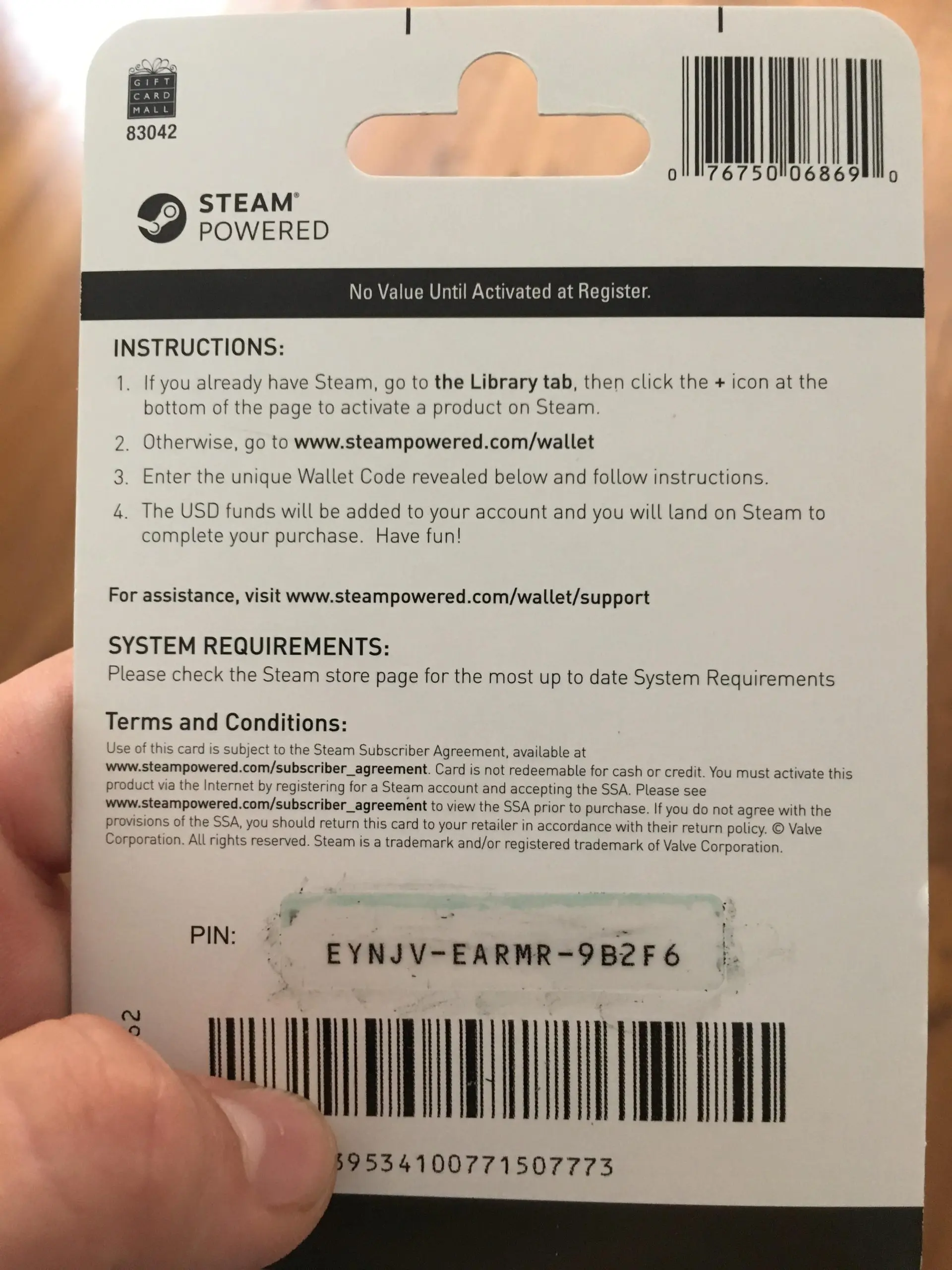
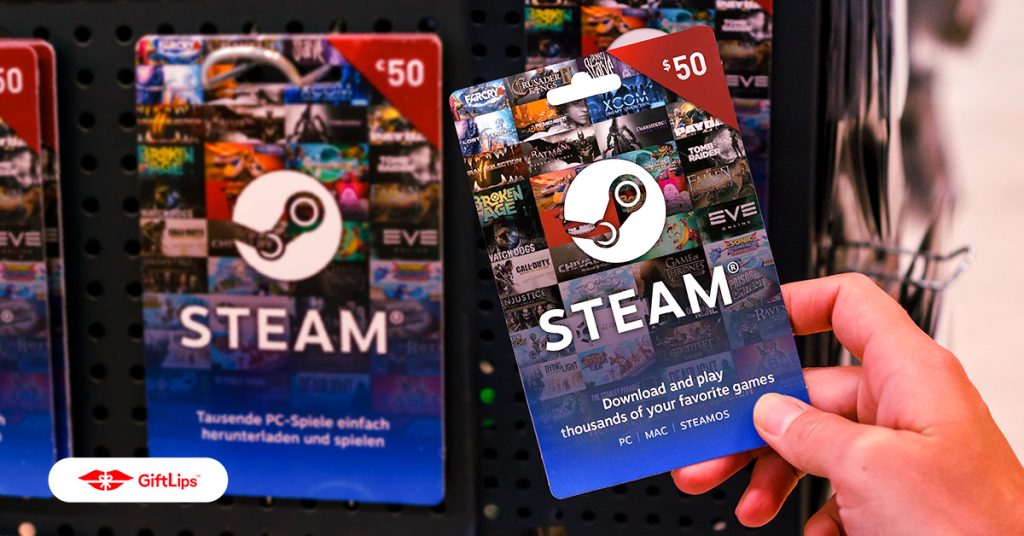
The technology behind Steam cards bridges the gap between physical retail and digital consumption. Physical cards, typically found in brick-and-mortar stores, utilize a scratch-off layer to protect a 15-digit alphanumeric code. Digital Steam cards, on the other hand, are purchased through the Steam interface or authorized third-party vendors and are delivered via email or direct account credit.
From a technical standpoint, both versions serve as a secure gateway for injecting liquidity into a closed-loop financial system. By using these cards, users can bypass the need for linking a credit card or PayPal account directly to the Steam client, providing an extra layer of digital security and privacy.
How the Steam Wallet Integration Works
The Steam Wallet is a server-side database entry associated with a user’s unique SteamID. When a card is redeemed, the Steam API validates the code against Valve’s central database to ensure it has been activated by a retailer and has not been previously used. Once verified, the funds are instantly reflected in the user’s UI. This system allows for instantaneous transactions across the global marketplace, handling complex tasks like real-time currency conversion for users living in different economic regions.
Practical Applications: From Games to In-Game Assets
Once funds are loaded via a Steam Card, the utility of the Steam Wallet becomes apparent. It is not merely a tool for buying games; it is the fuel for a multi-faceted digital economy.
Purchasing Software and DLCs
The most common use for Steam cards is the acquisition of software. This includes “AAA” titles, indie games, and even non-gaming software like video editing suites, 3D modeling tools, and game development engines. Beyond the base software, Steam cards are frequently used to purchase Downloadable Content (DLCs) and Season Passes. Because Steam frequently hosts massive seasonal sales, users often use Steam cards to “stockpile” wallet credit in anticipation of deep discounts, allowing them to maximize their purchasing power within the software ecosystem.
Microtransactions and the Community Market
The modern gaming tech landscape relies heavily on microtransactions. Steam cards allow users to purchase in-game currency (like “Mann Co. Supply Crate Keys” in Team Fortress 2 or “Skins” in Counter-Strike 2) without needing to re-enter payment information for every small purchase.
Furthermore, the Steam Community Market is a high-tech peer-to-peer trading hub. Here, users can use their wallet funds to buy virtual items directly from other players. The backend of this market functions similarly to a stock exchange, with fluctuating prices, buy/sell orders, and transaction histories. Steam cards provide the capital necessary to participate in this complex virtual economy.
Social and Economic Mechanics: Steam Trading Cards
While Gift Cards are about currency, Steam Trading Cards are about the gamification of the platform itself. These are virtual items earned by playing games on Steam. They represent a sophisticated use of metadata and digital collectibles to drive user engagement and platform loyalty.
Gamification of the Steam Library
When a user plays a participating game, the Steam client tracks “playtime” through its internal API. After a certain threshold, “card drops” are triggered. These digital assets are added to the user’s inventory. This system is designed to encourage users to engage more deeply with their purchased software. Each card features unique artwork and lore related to the game, turning a simple software license into a collectible experience.
Crafting Badges and Profile Customization
The primary technical use for Trading Cards is the “Crafting” mechanic. When a user collects a full set of cards for a specific game, they can “craft” them into a Badge. This process is more than just cosmetic; it grants the user “XP” (Experience Points) for their Steam Profile.
As a profile levels up through the accumulation of XP, the user unlocks technical upgrades for their account, such as:
- Increased Friend List Capacity: Expanding the social database limits for the account.
- Profile Showcases: High-tech widgets that allow users to display their rarest achievements, screenshots, or items.
- Emoticons and Backgrounds: Digital assets that can be used in the Steam chat interface or to skin the user’s profile page.
By using cards in this way, Valve has turned the Steam interface into a meta-game, where the “use” of the card is to improve the user’s digital standing and social visibility within the tech community.
Security and Regionality: The Tech Behind the Transaction
A significant part of “what Steam cards are used for” involves managing the risks associated with digital commerce. Valve has implemented rigorous technical safeguards to ensure that the use of these cards remains secure and localized.
Preventing Scams and Fraudulent Use
Steam cards are often the target of “social engineering” scams. To combat this, Valve has integrated several security features into the redemption process. For instance, codes cannot be guessed via brute-force attacks due to rate-limiting on the Steam servers. Additionally, Steam provides clear warnings during the redemption process, reminding users that Steam cards should never be used to pay for utilities, taxes, or bail money—common tactics used by scammers.
From a technical perspective, the “closed-loop” nature of the Steam Wallet means that once a card is redeemed, the funds cannot be withdrawn as cash. This serves as a powerful deterrent against money laundering and other illicit financial activities, ensuring that the cards are used solely for their intended purpose: consuming digital content.
Regional Locking and Currency Conversion
One of the most complex technical aspects of Steam cards is how they handle regionality. To prevent users from exploiting economic disparities (e.g., buying a card in a low-cost region to use in a high-cost region), Steam has implemented “Region Locking.”
The Steam backend detects the IP address and account settings of the user. If a user attempts to redeem a card that was purchased in a different currency or region than their own, the system may block the transaction. This ensures that the digital distribution model remains sustainable for developers across various global markets.
The Future of Digital Credit in Gaming Infrastructure
As we look toward the future, the role of Steam cards is likely to expand alongside advancements in cloud computing and virtual reality. With the launch of the Steam Deck—a handheld gaming PC—Steam cards have become a way to fund hardware-adjacent ecosystems. Users are no longer just buying “games”; they are investing in a portable software environment.
Furthermore, as Valve continues to refine its “Steam Point Shop,” the economy of the platform is becoming even more integrated. While you cannot buy Steam Points directly with a Steam card, every dollar spent via a Steam card earns you points. These points are used to purchase high-fidelity animated avatars, borders, and startup movies for the Steam Deck. This creates a continuous loop where the “use” of a Steam card extends from the initial purchase to the long-term aesthetic and functional customization of the user’s technical interface.
Conclusion
In summary, Steam cards are much more than simple gift certificates. They are a multifaceted tool within a sophisticated digital ecosystem. Whether they are being used to secure a user’s financial privacy, provide the capital for a peer-to-peer trade in the Community Market, or serve as the raw materials for leveling up a digital profile, these cards are central to the Steam experience.
By understanding the technical distinctions between Gift Cards and Trading Cards, users can better navigate the platform, protect themselves from fraud, and fully engage with the social and economic features that make Steam the premier destination for digital software. As gaming technology continues to merge with social networking and digital finance, the utility of the Steam card will only continue to grow, remaining a foundational element of the modern digital library.
aViewFromTheCave is a participant in the Amazon Services LLC Associates Program, an affiliate advertising program designed to provide a means for sites to earn advertising fees by advertising and linking to Amazon.com. Amazon, the Amazon logo, AmazonSupply, and the AmazonSupply logo are trademarks of Amazon.com, Inc. or its affiliates. As an Amazon Associate we earn affiliate commissions from qualifying purchases.