
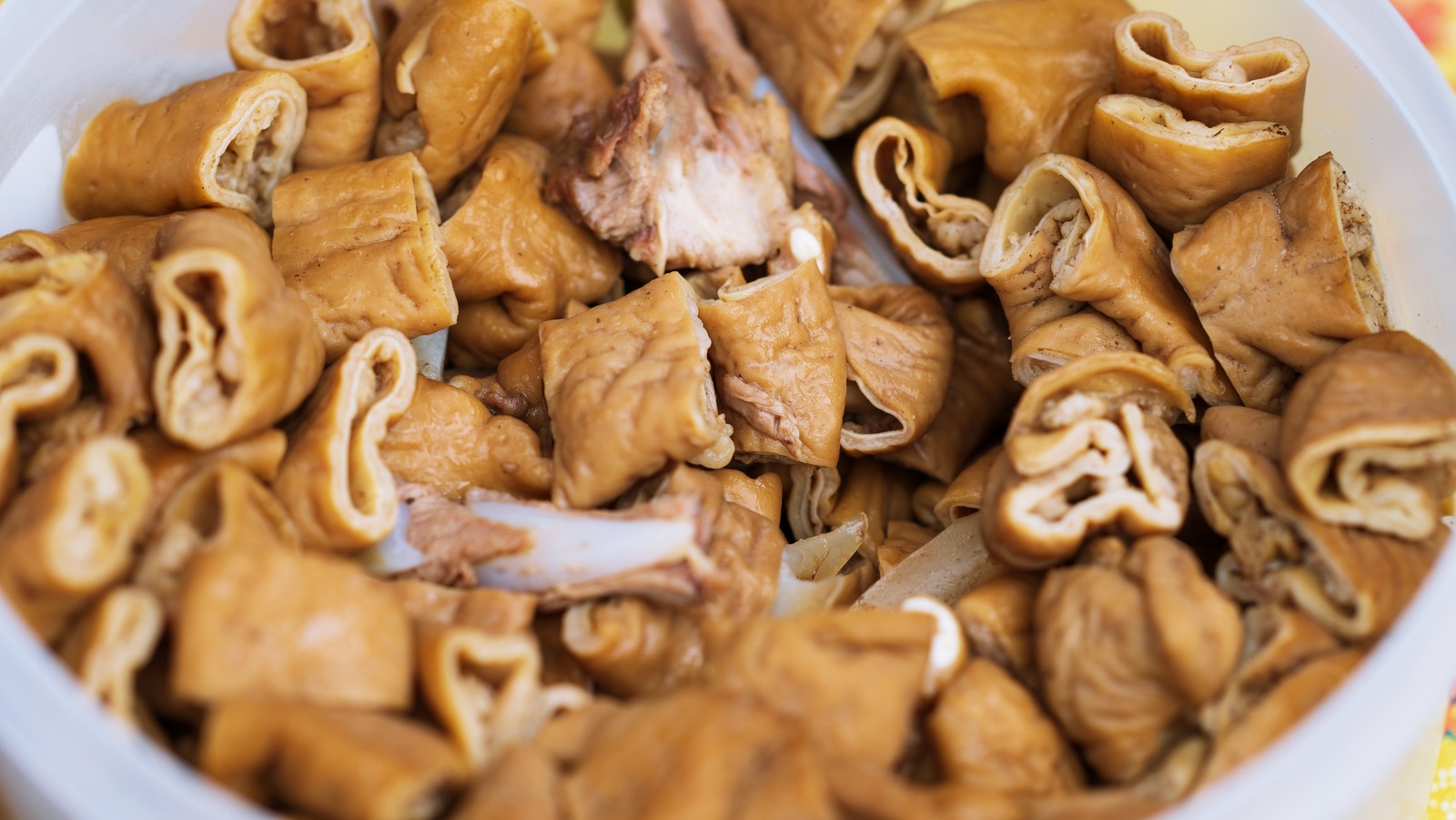
In the complex ecosystem of global trade, some of the most lucrative commodities are those that the average consumer rarely considers. While the financial headlines often focus on tech stocks, gold, or crude oil, a quiet but high-margin sector thrives in the underbelly of the agricultural industry: meat by-products. Among these, “pork bungs”—the industry term for the large intestine or rectum of the pig—represent a fascinating case study in supply chain efficiency, international trade dynamics, and niche market profitability. To understand what pork bungs are is to understand the “nose-to-tail” financial philosophy that sustains the trillion-dollar global meat processing industry.
The Global Supply Chain and Commodity Valuation
In the world of business finance, efficiency is the primary driver of profit. For a meat processor, the cost of a hog is fixed at the point of slaughter. Therefore, profitability is determined by how much value can be extracted from every gram of that animal. This is where the pork bung enters the financial ledger.
From Waste to Wealth: The Industrial Transformation
Historically, many internal organs were treated as “rendering” material—waste products to be ground into fertilizer or animal feed. However, through sophisticated supply chain management, what was once waste has been transformed into a high-value export. Pork bungs are meticulously cleaned, processed, and graded according to size and quality. In a professional processing facility, this transformation is a textbook example of value-added manufacturing. By investing in the labor and technology to sanitize and freeze these components, companies can sell them at a significant premium compared to their value as mere rendering.
Pricing Mechanics and Export Dynamics
The valuation of pork bungs is not determined by domestic grocery store demand in the West, but by international commodity markets. Because demand is localized primarily in East Asian markets, the price of pork bungs often fluctuates based on shipping container availability, export tariffs, and trade agreements. For a financial analyst looking at the agricultural sector, the “spread” between the cost of processing and the export price of offal is a key indicator of a meat packer’s operational health.
Market Drivers: The Asian Demand and Trade Policy
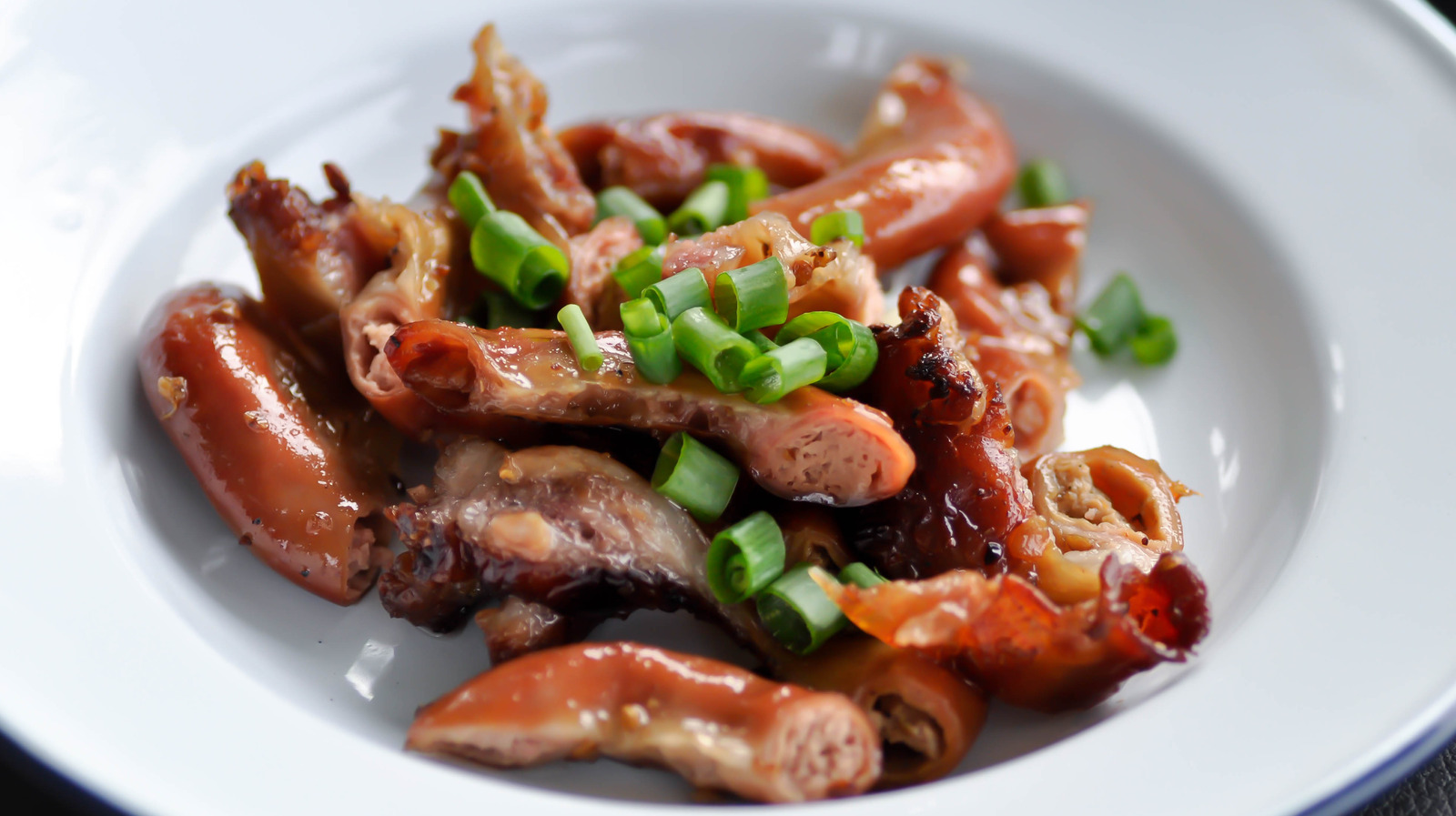
The primary economic engine behind the pork bung market is the massive demand in Asia, particularly in China, South Korea, and the Philippines. In these markets, pork bungs are not seen as a byproduct but as a sought-after culinary staple used in hot pots, stews, and sausages.
China’s Role as a Primary Importer
China is the world’s largest consumer of pork, and its appetite for offal is a critical component of the American and European agricultural trade balance. For a U.S.-based pork producer, selling bungs to China can often yield higher margins than selling loin or shoulder cuts domestically. When China imposes or lifts tariffs—as seen during various trade disputes—the financial impact on Western meat processors is immediate. A shift in Chinese import policy can lead to a surplus of product in Western warehouses, driving down prices and hurting the bottom line of major agricultural firms.
Geopolitical Impacts on Offal Trading
Investing in the meat industry requires an understanding of how geopolitics affects specific product lines. The pork bung market is highly sensitive to biosecurity issues, such as outbreaks of African Swine Fever (ASF). When a major producer’s domestic herd is impacted by disease, the global supply of by-products shrinks, causing prices to spike. Savvy investors monitor these biological and political trends to predict the quarterly earnings of major food conglomerates, as these “hidden” commodities often provide the margin cushion when prime cut prices are low.
Profitability and the “Nose-to-Tail” Business Model
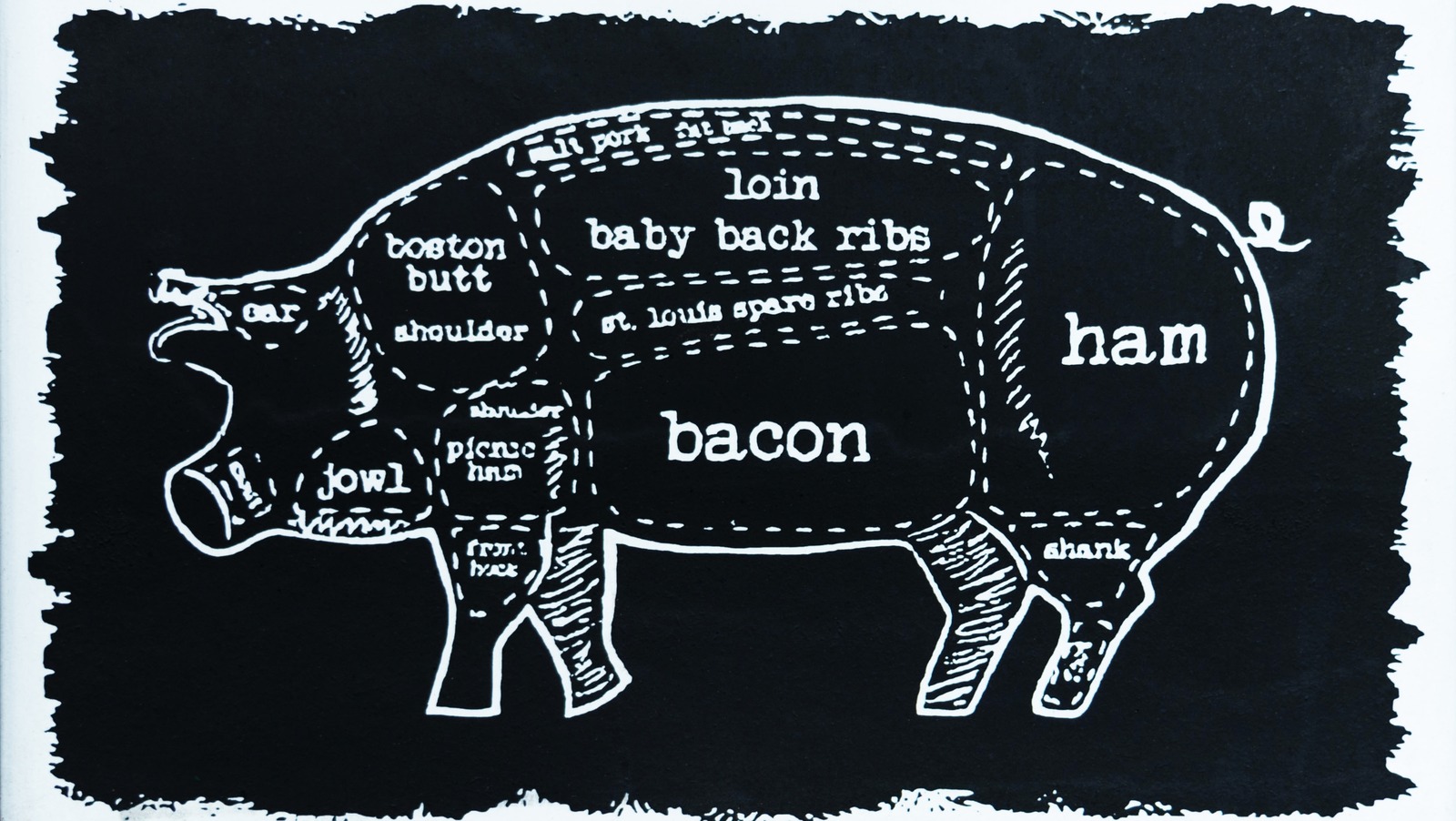
In business finance, “nose-to-tail” is more than a culinary trend; it is a strategy for maximizing the Return on Assets (ROA). Every part of the animal that is not sold represents a lost opportunity for revenue.
Maximizing Carcass Value in Meat Processing
The “drop value” of a hog—the total value of all by-products—can represent up to 15% to 20% of the total revenue per animal. Pork bungs are a significant contributor to this drop value. In an industry where margins on prime cuts like bacon or ham might be as thin as 2% or 3%, the high-margin nature of specialty offal can be the difference between a profitable quarter and a loss. Companies that master the processing of “variety meats” (the industry term for offal) are generally more resilient to market volatility.
The Cost-Benefit of Specialty Processing
While the revenue potential of pork bungs is high, the operational costs are also significant. Processing bungs requires specialized machinery and rigorous adherence to food safety standards to prevent contamination. From a business management perspective, the decision to invest in a “bung line” involves a complex cost-benefit analysis. A facility must have enough volume to justify the capital expenditure of the cleaning and chilling equipment. This creates a “moat” for larger players like Smithfield or Tyson, who have the scale to process these components efficiently, leaving smaller processors at a competitive disadvantage.
Investment Opportunities and Risks in the Meat By-product Niche
For those looking at the agricultural sector from an investment or business finance perspective, the by-product market offers unique insights into company valuations.
Identifying Key Players in the Sector
When evaluating the stock of large-scale protein producers, it is essential to look beyond the consumer-facing brands. The real financial strength often lies in their industrial divisions that handle rendering and variety meats. Companies that have diversified their export portfolios to include a wide range of by-products are better positioned to handle shifts in domestic consumer preferences. If domestic bacon consumption drops, a company might offset that loss through increased offal exports to emerging markets.
Regulatory Risks and ESG Considerations
The trade of pork bungs is subject to intense regulatory scrutiny. Changes in USDA or EFSA (European Food Safety Authority) regulations regarding the processing of intestines can require sudden and expensive changes to production lines. Furthermore, from an ESG (Environmental, Social, and Governance) perspective, the efficient use of by-products is increasingly framed as a sustainability win. By utilizing the whole animal, companies reduce biological waste and improve their resource efficiency metrics—factors that are becoming increasingly important to institutional investors.
Future Outlook: Innovation in By-product Utilization
As we look toward the future of the food and business landscape, the role of pork bungs and similar offal is evolving. Innovation is moving beyond the dinner plate and into the laboratory.
Biotech and Pharmaceutical Applications
The financial future of pork bungs may not just be in food, but in biotechnology. Porcine intestines are a primary source of heparin, a widely used blood thinner. As the pharmaceutical industry grows, the demand for high-quality, traceable porcine by-products increases. For a meat processing company, the ability to pivot from selling bungs as a food commodity to selling them as a pharmaceutical raw material represents a significant opportunity for margin expansion. This crossover between agriculture and biotech is a burgeoning field for venture capital and private equity.
Sustainable Investing in Food Systems
As global populations grow, the economic pressure to reduce food waste will intensify. The “upcycling” of offal into high-value products is a trend that aligns with the principles of the circular economy. Investors are increasingly looking for companies that can demonstrate “total utilization” of raw materials. The pork bung, once an overlooked part of the animal, is now a symbol of this drive toward efficiency. In the coming decade, we can expect to see further investment in the automation of offal processing, using AI and robotics to increase yield and reduce labor costs, further cementing the status of these by-products as essential components of the global financial engine.
In conclusion, pork bungs are far more than a niche food item; they are a vital commodity in the global agricultural economy. For the business-minded individual, they represent the importance of supply chain optimization, the power of international trade, and the constant search for value in unexpected places. Whether as a culinary staple in Asia or a raw material for life-saving medicine, the “bung” is a testament to the industrial ingenuity that turns every part of the pig into profit.
aViewFromTheCave is a participant in the Amazon Services LLC Associates Program, an affiliate advertising program designed to provide a means for sites to earn advertising fees by advertising and linking to Amazon.com. Amazon, the Amazon logo, AmazonSupply, and the AmazonSupply logo are trademarks of Amazon.com, Inc. or its affiliates. As an Amazon Associate we earn affiliate commissions from qualifying purchases.