
In the rapidly evolving landscape of modern technology, the intersection of biology and silicon has birthed a new frontier: Bio-Tech. When we ask, “What are blastocysts?” in a traditional sense, we are discussing a stage of embryonic development occurring about five to six days after fertilization. However, through the lens of technology, blastocysts represent the “Alpha Build” of biological systems. They are the ultimate data-rich structures that are currently being decoded, simulated, and even synthesized using cutting-edge AI tools, microfluidic gadgets, and sophisticated software.
Today, the study of blastocysts is no longer confined to the petri dishes of fertility clinics. It has moved into the realm of computational biology and high-performance computing. By understanding these cellular architectures, tech innovators are unlocking secrets to regenerative medicine, longevity, and synthetic life.
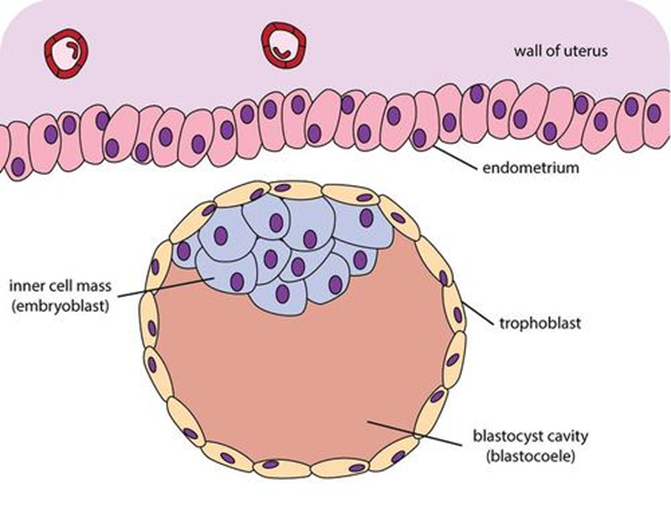
The Computational Embryo: How AI is Revolutionizing Early-Stage Development
The most significant tech trend impacting our understanding of blastocysts is the integration of Artificial Intelligence and Machine Learning (ML). In the past, identifying a “high-quality” blastocyst was a subjective task performed by embryologists looking through microscopes. Today, it is a data-driven science.
Deep Learning and Image Recognition in Embryology
Advanced AI tools are now utilized to monitor the development of blastocysts in real-time. Using Time-Lapse Imaging (TLI) hardware, cameras capture thousands of frames as a single cell divides into a blastocyst. Deep learning algorithms then analyze these images to identify patterns invisible to the human eye. These AI models can predict the success rate of a blastocyst with higher accuracy than human experts, identifying subtle kinetic markers like the exact timing of the first cleavage or the rate of expansion.
Predictive Analytics for Genetic Viability
Software platforms are being developed to integrate non-invasive metabolic profiling with AI. Instead of performing a biopsy—which involves removing cells from the blastocyst—tech tools analyze the chemical composition of the culture medium. By applying predictive analytics to this “big data,” researchers can determine the chromosomal health of the blastocyst. This transition from invasive procedures to data-driven, non-invasive software analysis marks a pivotal shift in reproductive technology.
Synthetic Biology: Engineering the “Blastoid” and Lab-Grown Blueprints
Perhaps the most fascinating technological leap is the creation of “blastoids”—synthetic structures that mimic the blastocyst. This is where software engineering meets cellular architecture.
The Rise of Synthetic Morphogenesis
Synthetic biology utilizes CRISPR-Cas9 gene-editing software and automated liquid-handling robots to “program” stem cells. By using specific chemical signals and physical environments, tech companies are able to induce stem cells to self-organize into blastocyst-like structures. These are not intended for reproduction but serve as “biological testbeds.” In this niche, a blastoid is essentially a biological prototype that allows developers to test how new drugs or environmental factors affect early human development without the ethical complexities of using natural embryos.
3D Bio-Printing and Scaffolding Tech
The hardware side of this revolution involves high-precision 3D bio-printers. These gadgets can deposit cells and hydrogels with micron-level precision to create the scaffolding necessary for a blastocyst to grow. This tech is a precursor to “organ-on-a-chip” developments, where the goal is to use the blueprint of a blastocyst to eventually grow complex tissues and organs, effectively treating the human body as a modular system that can be upgraded or repaired through bio-technical intervention.
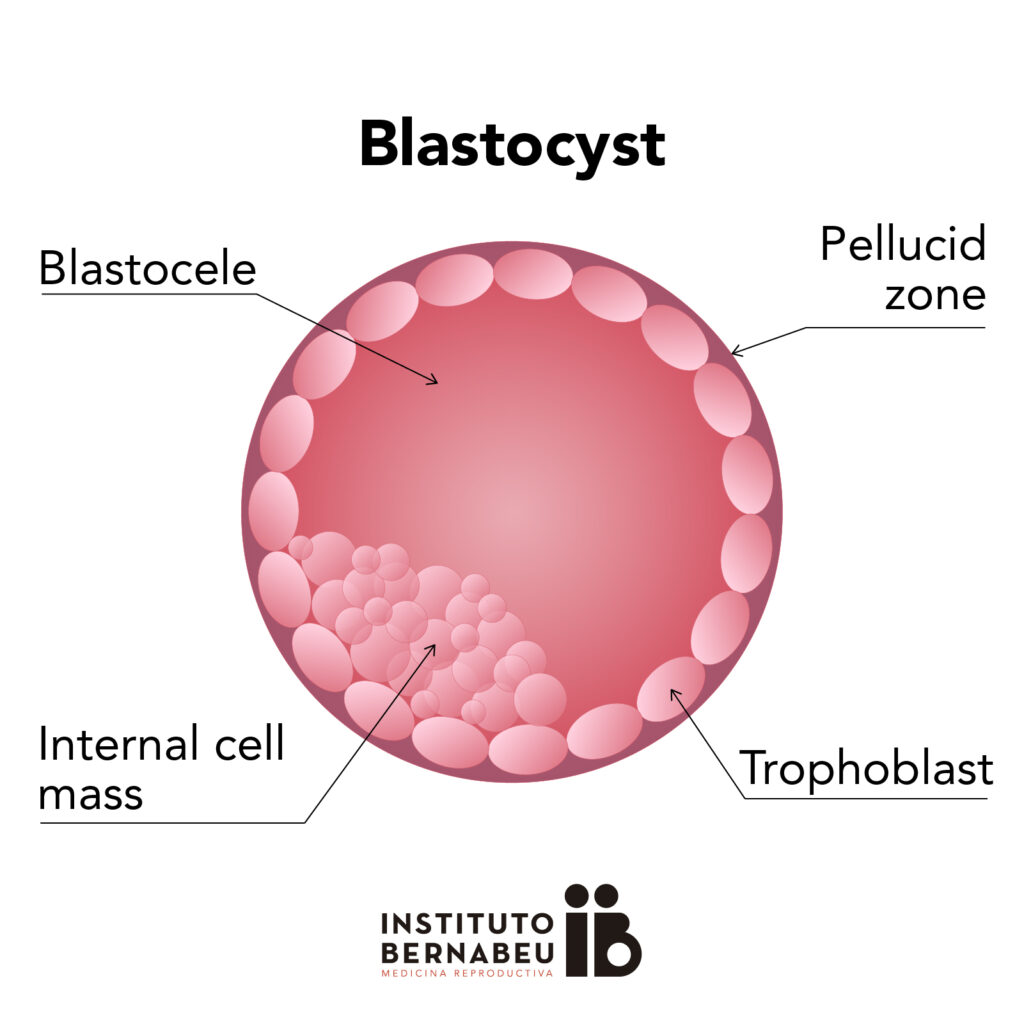
The Lab-on-a-Chip Revolution: Microfluidics and Hardware Innovation
To understand what blastocysts are in a modern tech context, one must look at the hardware used to sustain them. The shift from large, clunky incubators to “Lab-on-a-Chip” (LoC) technology is transforming the field.
Microfluidic Environments
A blastocyst in the womb exists in a dynamic environment, not a static drop of liquid. Microfluidic chips are specialized gadgets that use tiny channels to move fluids at a microscopic scale. These chips can simulate the natural flow, pressure, and nutrient cycling of the human body. By integrating sensors into these chips, tech developers can monitor pH levels, oxygen tension, and glucose consumption in real-time, feeding that data directly into a cloud-based monitoring app.
Automation and Remote Monitoring Apps
The “Internet of Things” (IoT) has reached the bio-tech lab. Modern incubation systems are now connected devices. Researchers and clinicians can monitor the growth of a blastocyst via secure mobile apps, receiving push notifications if the environment deviates by even a fraction of a degree. This level of automation reduces human error and ensures that the biological “data” (the cells) remains uncorrupted by environmental fluctuations.
The Ethics of Bio-Data: Digital Security and the Genetic Blockchain
As we turn the blastocyst into a source of immense digital data, we face new challenges in digital security and data privacy. A single blastocyst contains the entire genetic roadmap of a potential human being, making its genomic data the most sensitive “password” in existence.
Securing Genomic Data
When we sequence the DNA of cells from a blastocyst, we generate terabytes of data. Tech firms are now looking at blockchain technology as a way to secure this genetic information. By using a decentralized ledger, a person’s biological blueprint could be encrypted and owned solely by the individual, preventing unauthorized access by insurance companies or third-party actors. This “Genetic Blockchain” ensures that as we move toward a future of personalized medicine, the data derived from the blastocyst stage remains private and secure.
The Algorithmic Bias in Bio-Tech
As we rely more on AI tools to select or “score” blastocysts, a new tech-ethical concern arises: algorithmic bias. If the training data for these AI models is not diverse, the software might inadvertently favor certain genetic traits over others. Tech developers are currently working on “Explainable AI” (XAI) to ensure that the decisions made by embryology software are transparent, ethical, and free from encoded prejudices, ensuring that the technology serves all of humanity equally.

Conclusion: The Biological Frontier of Technology
So, what are blastocysts in the context of the 21st century? They are the intersection of life and logic. They are no longer just biological entities; they are complex systems that we are learning to interface with through software, analyze with AI, and mimic with synthetic engineering.
From the AI tools that predict their viability to the microfluidic gadgets that sustain them, the blastocyst is at the heart of a technological revolution. As we continue to refine these digital and hardware tools, we aren’t just observing the beginning of life—we are learning to decode the very language of creation. The future of tech isn’t just in our pockets or on our desks; it is in the very cells that build us, and the “Blastocyst” is the most important blueprint we will ever learn to read.
aViewFromTheCave is a participant in the Amazon Services LLC Associates Program, an affiliate advertising program designed to provide a means for sites to earn advertising fees by advertising and linking to Amazon.com. Amazon, the Amazon logo, AmazonSupply, and the AmazonSupply logo are trademarks of Amazon.com, Inc. or its affiliates. As an Amazon Associate we earn affiliate commissions from qualifying purchases.