
In the rapidly evolving landscape of modern science, the boundary between synthetic engineering and biological systems is blurring. At the heart of this convergence lies a field of study that is revolutionizing medicine, robotics, and environmental science: biomaterials. While the term might sound like it belongs strictly in a biology lab, biomaterials represent one of the most significant frontiers in the “Tech” sector today. They are no longer just passive substances used to patch up the human body; they are sophisticated, engineered technologies designed to interact with living systems to perform, augment, or replace natural functions.

As we move deeper into the 21st century, understanding what biomaterials are requires a shift in perspective. We must view them through the lens of advanced manufacturing, nanotechnology, and digital integration. This article explores the technological architecture of biomaterials, their evolution from inert implants to “smart” systems, and the cutting-edge tech—like AI and 3D bioprinting—that is driving their development.
The Technological Evolution of Biomaterials
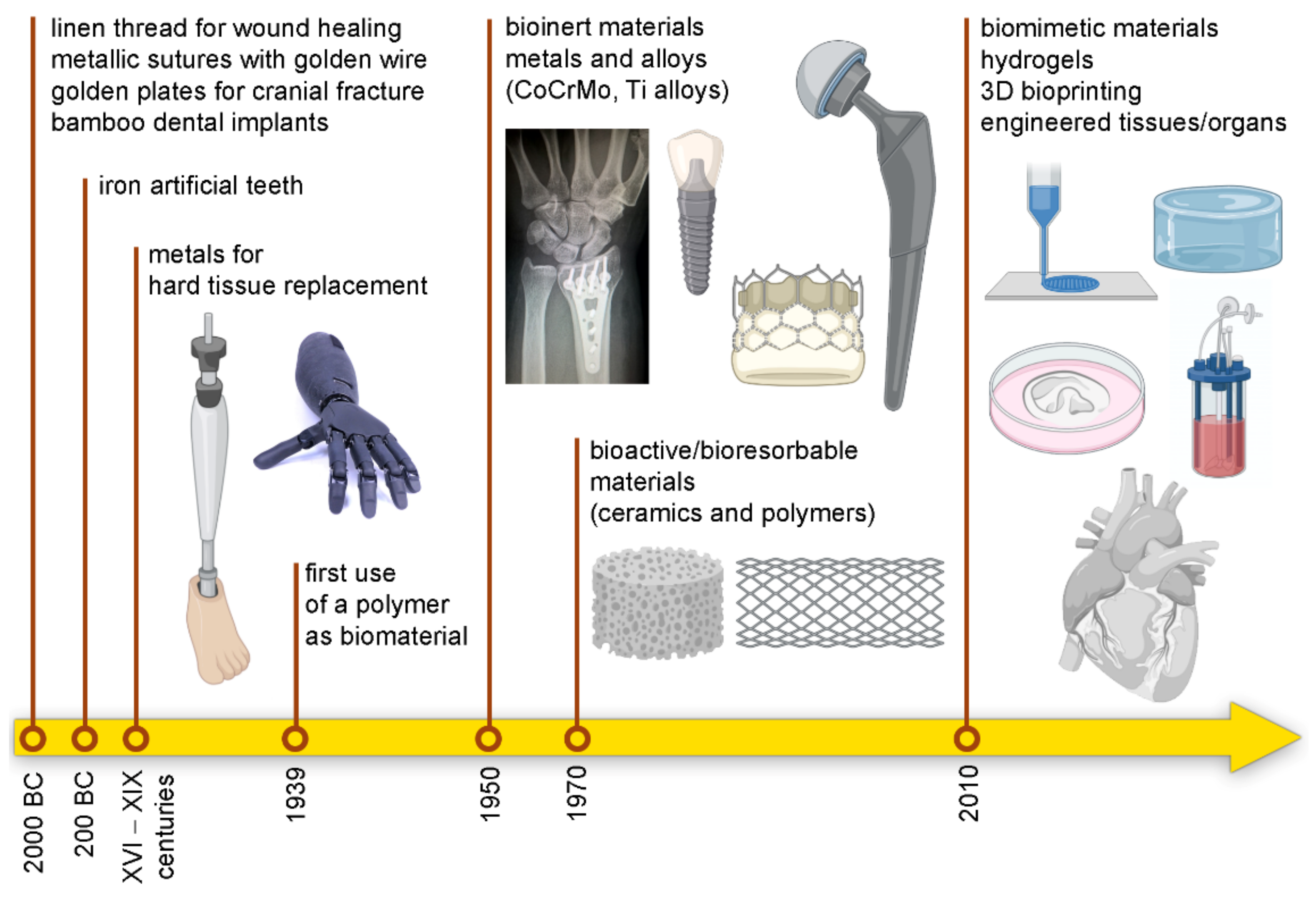
To understand where biomaterials technology is going, we must first look at where it began. The field has transitioned through several “generations” of technological sophistication, moving from simple structural support to complex biological communication.
First-Generation Bio-Inert Materials
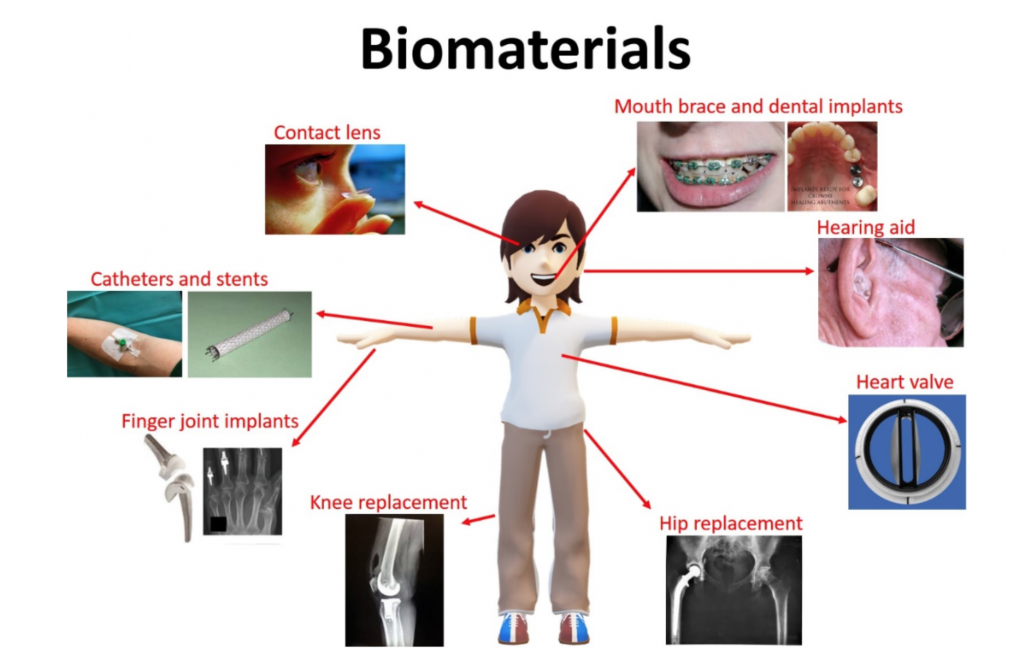
In the early days of medical technology, the primary goal was “bio-inertia.” Engineers sought materials that would perform a physical function—such as replacing a hip joint or a tooth—without triggering a massive immune response. These materials, including industrial-grade titanium, stainless steel, and various high-density polymers, were chosen for their mechanical strength and chemical stability. From a tech perspective, this era was about hardware durability. The material was designed to be ignored by the body, serving as a silent, mechanical substitute.
Second-Generation Bioactive and Resorbable Tech
As materials science advanced, the focus shifted toward “bioactivity.” Instead of being ignored by the body, these second-generation biomaterials were engineered to elicit a specific biological response. Tech breakthroughs in ceramics and specialized glasses allowed for materials that could actually bond with bone tissue. Simultaneously, the development of resorbable polymers introduced “temporary hardware.” Just as software might have an expiration date or a self-destruct sequence, these materials were engineered to provide structural support for a set duration before safely dissolving into the body as natural tissue took over.
Cutting-Edge Engineering: Smart and Functional Biomaterials
The current state of the art in biomaterials is defined by “smart” systems. These are materials that do not just sit there; they sense, react, and adapt to their environment. This is where materials science meets high-tech sensor logic and responsive engineering.
Shape-Memory Polymers and Stimuli-Responsive Hydrogels
One of the most exciting trends in tech today is the development of shape-memory materials. These are polymers engineered at the molecular level to “remember” a specific geometry. When exposed to a specific trigger—such as a change in temperature, pH, or light—the material changes its physical state. In a clinical tech setting, this allows for minimally invasive surgeries where a device can be injected in a compressed, liquid-like state and then “deploy” into a complex 3D structure once it reaches the target site inside the body.
Nanotechnology and Surface Engineering
At the nanoscale, biomaterials undergo a radical transformation. Engineers are now using nanotechnology to modify the surface of materials to control how cells behave. By etching patterns onto a surface that are smaller than a single cell, tech researchers can “program” cells to grow in specific directions or differentiate into specific types of tissue. This level of precision engineering is akin to designing a circuit board, but instead of routing electrons, the engineer is routing biological life.
The Role of 3D Bioprinting and Additive Manufacturing
Perhaps no technology has impacted the biomaterials field more than 3D printing, or more specifically, additive biomanufacturing. This tech allows for the layer-by-layer construction of complex structures that mimic the intricate architecture of human organs.
Scaffold Engineering for Tissue Regeneration
In the world of regenerative medicine, a “scaffold” is a high-tech framework that holds cells in place while they grow. Using 3D bioprinting, engineers can create scaffolds with customized porosity and mechanical properties tailored to a specific patient. The “ink” used in these printers—often called bio-ink—is a sophisticated biomaterial composite that must be fluid enough to print but strong enough to maintain its shape, all while providing a nourishing environment for living cells. This represents a masterclass in fluid dynamics and structural engineering.
Precision Customization via Digital Design
The integration of CAD (Computer-Aided Design) and MRI/CT scanning allows for the digital twin of a patient’s anatomy to be translated into a physical biomaterial. If a patient requires a cranial implant, the tech allows for a 1:1 match that fits perfectly into the biological “slot.” This intersection of digital imaging and material fabrication has moved biomaterials from mass-produced commodities to bespoke, high-tech solutions.
Integrating Artificial Intelligence and Machine Learning
The “Tech” in biomaterials isn’t limited to the physical substance itself; it also involves the digital tools used to discover and optimize them. Artificial Intelligence (AI) has become an indispensable partner in biomaterial development.
AI-Driven Molecular Discovery
The search for the “perfect” biomaterial used to take decades of trial and error. Today, machine learning algorithms can sift through billions of potential molecular combinations to predict which material will have the best biocompatibility and mechanical strength. This “In Silico” design process accelerates the development cycle, allowing tech companies to innovate at a pace previously thought impossible. AI can predict how a specific polymer chain will vibrate or how a protein will fold when it touches a synthetic surface.
Predictive Modeling for Biocompatibility
One of the greatest challenges in this field is predicting the long-term interaction between a synthetic material and a living system. Advanced predictive modeling software now simulates these interactions in a virtual environment. By inputting data regarding blood flow, cellular signaling, and mechanical stress, engineers can stress-test a biomaterial in a digital sandbox before it ever enters a clinical trial. This reduces risk and enhances the technological reliability of the final product.
Future Frontiers: The Intersection of Digital and Biological Systems
Looking ahead, the definition of biomaterials is expanding to include “bio-hybrids”—systems that combine traditional silicon-based tech with biological components.
Bio-Hybrid Sensors and Wearables
The next generation of wearable tech will likely move beyond plastic straps and glass screens. We are seeing the rise of “epidermal electronics”—biomaterials that are as thin and flexible as human skin and contain embedded sensors. These materials can monitor glucose levels, hydration, or muscle activity directly through biochemical signals, translating biological data into digital insights in real-time. This is the ultimate integration of the biological and digital worlds.
Sustainable Tech and Bio-Fabrication
Finally, the tech sector is increasingly looking to biomaterials to solve environmental challenges. “Bio-fabrication” uses living organisms, like fungi or bacteria, to grow materials that replace plastics and foams. These are technically biomaterials because they are engineered substances derived from biological processes. As the tech industry pushes for more sustainable hardware, the ability to “grow” a computer chassis or a packaging material using lab-grown mycelium represents a major shift toward circular technology.
Conclusion
So, what are biomaterials? They are the hardware of the biological age. They represent a sophisticated fusion of chemistry, physics, and digital engineering designed to bridge the gap between the synthetic and the organic. From the early days of simple metal implants to the current era of AI-designed, 3D-printed, and stimuli-responsive systems, biomaterials have become a cornerstone of modern technology.
As we continue to advance, the distinction between “machine” and “organism” will continue to fade. Whether through the development of life-saving medical devices, the creation of sustainable materials, or the birth of bio-hybrid computers, biomaterials are not just supporting life—they are re-engineering the very fabric of our technological future. For tech professionals and enthusiasts alike, the evolution of biomaterials is a clear signal: the most advanced technology of the future won’t just be built; it will be grown, programmed, and integrated with the living world.
aViewFromTheCave is a participant in the Amazon Services LLC Associates Program, an affiliate advertising program designed to provide a means for sites to earn advertising fees by advertising and linking to Amazon.com. Amazon, the Amazon logo, AmazonSupply, and the AmazonSupply logo are trademarks of Amazon.com, Inc. or its affiliates. As an Amazon Associate we earn affiliate commissions from qualifying purchases.