
In the modern professional landscape, you are no longer just an employee, a freelancer, or an entrepreneur; you are a brand. Whether you are conscious of it or not, colleagues, clients, and industry peers associate you with a specific set of characteristics. When someone asks, “What adjectives describe me?” they are essentially asking for the core components of their personal brand identity.
In brand strategy, adjectives are not merely descriptive labels; they are the strategic foundation of your market positioning. They dictate how people perceive your value, how they describe you when you aren’t in the room, and ultimately, why they choose to work with you. Defining these adjectives is the first step in moving from an accidental reputation to a curated, high-impact personal brand.
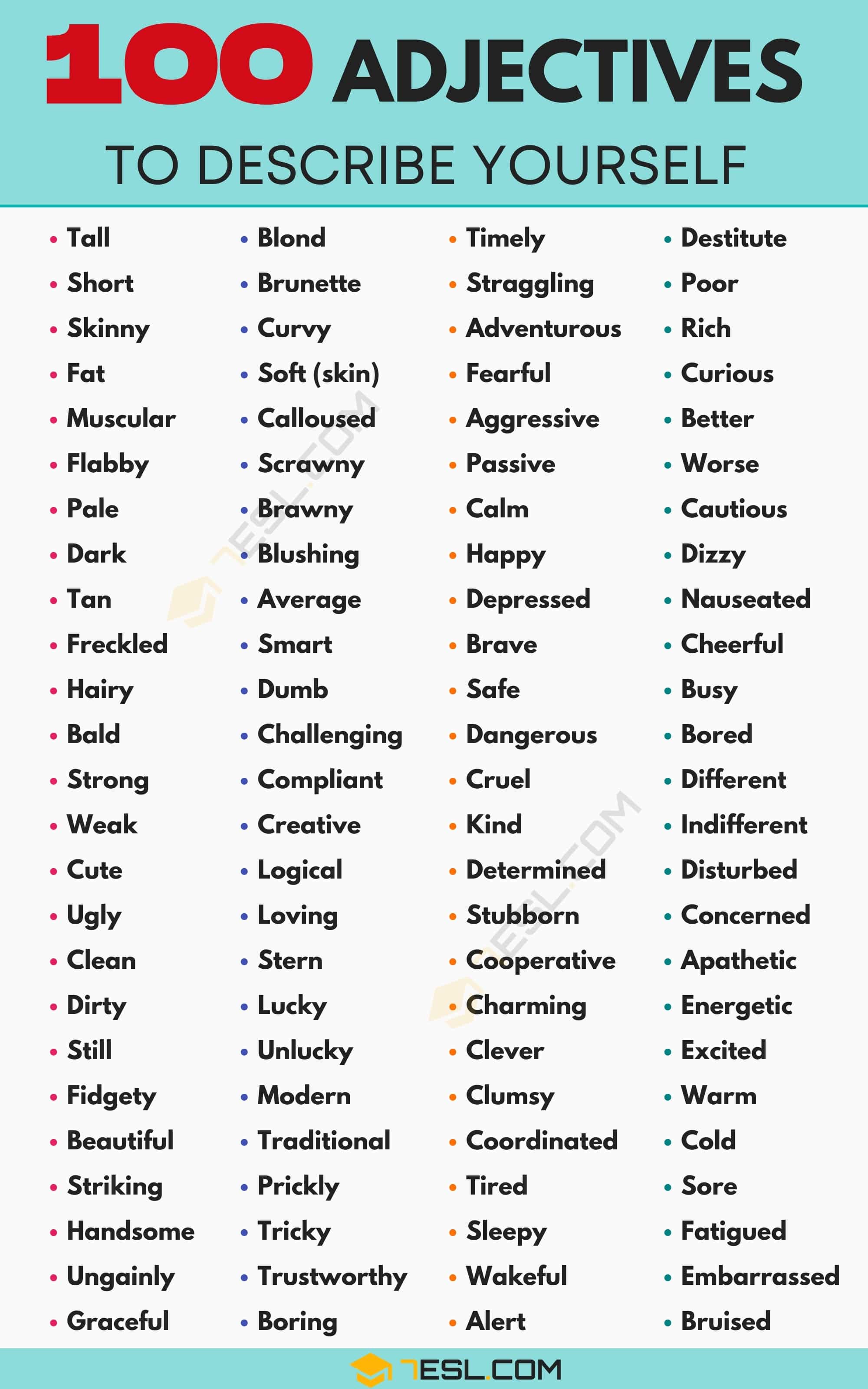
The Power of Perception: Why Your Personal Brand Needs Adjectives
In corporate branding, companies spend millions of dollars to ensure that consumers associate their name with specific traits—think “innovative” for Apple or “reliable” for Toyota. Personal branding functions on the same principle. Without a clear set of defining adjectives, your professional identity becomes blurred, making it difficult for stakeholders to understand your unique value proposition.
Bridging the Gap Between Self-Image and Public Perception
The most significant challenge in brand strategy is the “perception gap”—the difference between how you see yourself and how the world sees you. You might view yourself as “meticulous,” but if your communication is cluttered, your audience might perceive you as “disorganized.”
To build a powerful personal brand, you must align these two perspectives. By identifying the adjectives that should describe you, you create a roadmap for your behavior, communication style, and output. This alignment ensures that every interaction reinforces a consistent message, reducing cognitive dissonance for your audience and building long-term trust.
The Role of Consistency in Professional Identity
Consistency is the hallmark of a strong brand. If you are “bold” one day and “timid” the next, your brand becomes unreliable. Adjectives act as a North Star for your professional conduct. When you decide that “strategic,” “analytical,” and “empathetic” are your core brand pillars, these words should filter every email you send, every project you lead, and every post you share on professional networks. Consistency transforms a list of words into a recognizable identity that commands authority in your niche.
Identifying Your Core Attributes: A Framework for Self-Audit
Discovering the adjectives that define your brand requires more than just a cursory glance at a dictionary. It demands a rigorous self-audit that looks at your history, your strengths, and your aspirations. This process is about uncovering your “Brand DNA.”
The Three-Pillar Approach: Values, Skills, and Personality
A robust personal brand is built on three distinct pillars. To find your adjectives, you must examine each:
- Values (The “Why”): These are your non-negotiables. Adjectives like “ethical,” “transparent,” or “growth-oriented” belong here. These words signal your cultural fit to potential partners.
- Skills (The “What”): These describe your competency. Are you “data-driven,” “creative,” or “technically proficient”? These adjectives define the tangible results you deliver.
- Personality (The “How”): This is your unique “flavor.” Are you “charismatic,” “calm,” or “disruptive”? This is often what differentiates you from others with identical skill sets.
By selecting one or two adjectives from each pillar, you create a balanced brand profile that is both professional and human.
Gathering External Feedback: The 360-Degree Brand Review
Self-assessment is often biased. To get an accurate picture of your current brand, you must perform a 360-degree review. Reach out to five trusted colleagues or mentors and ask them: “What are the first three adjectives that come to mind when you think of my work?”
Common themes will emerge. If three people say you are “resilient,” but you thought you were “flexible,” you have discovered a key brand attribute. This external data is invaluable because it reflects your actual market impact rather than your intended one.
Strategic Selection: Choosing Adjectives that Drive Professional Growth
Once you have a list of potential adjectives, you must move from discovery to strategy. Not every positive trait is a “brand” trait. You must select the words that will most effectively move the needle in your career or business.
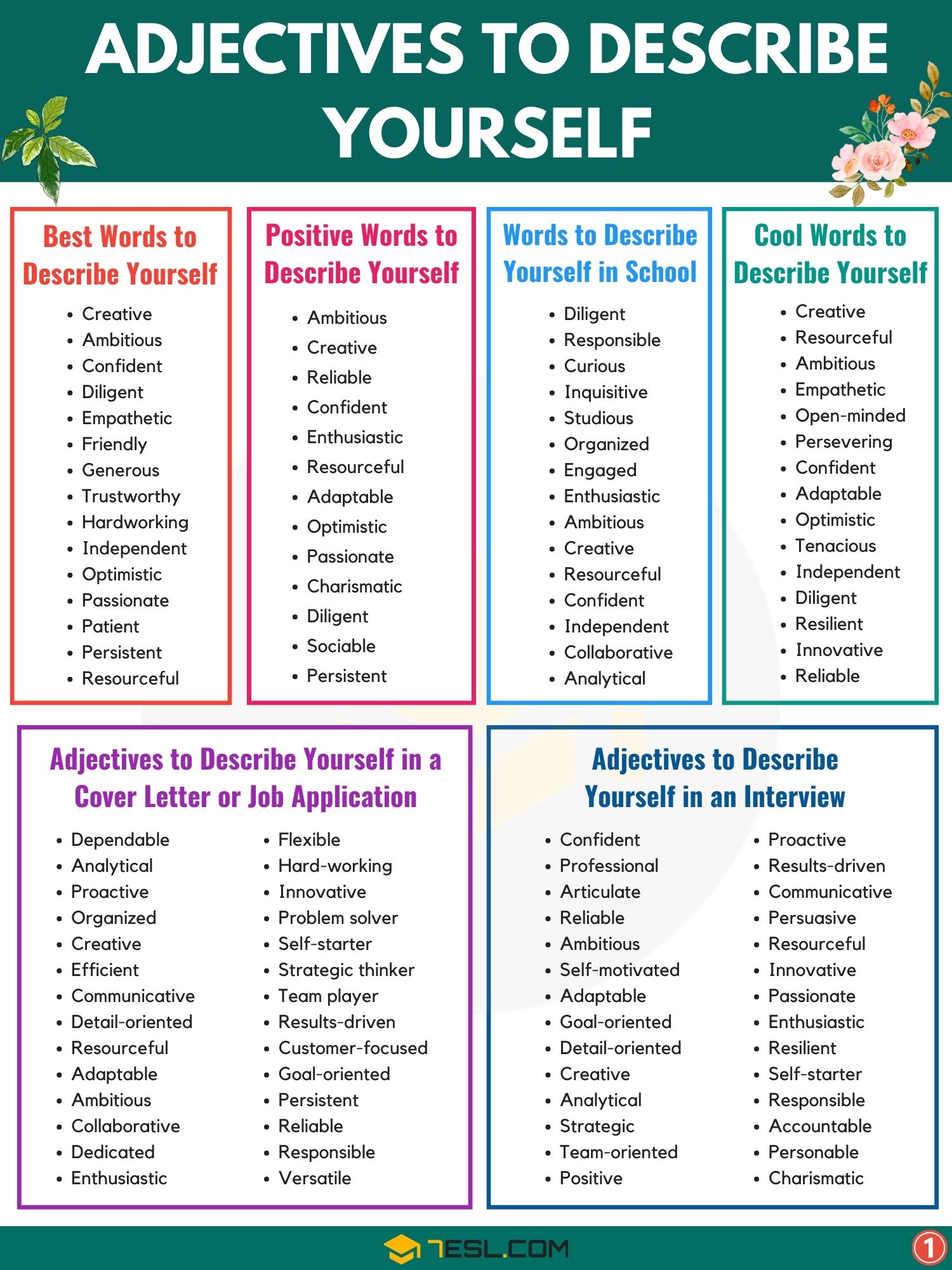
Aligning Your Traits with Industry Needs
A brand does not exist in a vacuum; it exists in a market. If you are in the financial sector, “adventurous” might not be as valuable as “prudent.” Conversely, in the creative arts, “prudent” might be perceived as “boring.”
Analyze the leaders in your specific niche. What traits are rewarded? If your industry is shifting toward automation and AI, branding yourself as “adaptable” and “forward-thinking” is a strategic move that aligns your personal identity with future market demands. You are not changing who you are; you are highlighting the facets of your personality that have the highest market value.
Avoiding “Empty” Buzzwords: From ‘Hardworking’ to ‘Results-Oriented’
One of the most common mistakes in personal branding is the use of “table stakes” adjectives—words that are expected of everyone and therefore distinguish no one. “Hardworking,” “punctual,” and “professional” are not brand differentiators; they are the bare minimum.
To stand out, you must choose “high-octane” adjectives. Instead of “good communicator,” use “persuasive” or “articulate.” Instead of “smart,” use “incisive” or “visionary.” These words carry more weight and provide a clearer picture of the specific value you bring to the table.
Translating Adjectives into Action: Manifesting Your Brand Across Platforms
Adjectives are invisible until they are manifested through action, design, and communication. A brand strategy is only effective if it is implemented across all touchpoints of your professional life.
Visual Branding: How Design Reflects Your Descriptive Keywords
Your visual identity—from your LinkedIn headshot to the template of your slide decks—should “whisper” your core adjectives. If your brand is “minimalist” and “sophisticated,” your website should use clean lines, ample white space, and a restrained color palette. If your brand is “energetic” and “vibrant,” your visual assets should use bolder typography and warmer tones.
Design is a silent language. When your visual aesthetic matches your descriptive adjectives, it creates a sense of professional polish that subconsciously reinforces your brand message to everyone who encounters your digital presence.
Digital Footprint: Communicating Your Brand on LinkedIn and Portfolios
Your written content is where your adjectives come to life. Your LinkedIn headline should not just be your job title; it should be a brand statement. Instead of “Project Manager,” consider “Agile Project Manager specializing in Lean Methodologies and Collaborative Leadership.”
In this example, “Agile,” “Lean,” and “Collaborative” are the adjectives doing the heavy lifting. Every case study in your portfolio and every comment you make on a thread should serve as evidence for these claims. If you claim to be “insightful,” your posts should provide deep-dive analysis, not just surface-level observations.
Evolution and Maintenance: Refining Your Personal Brand Narrative
A personal brand is not a static monument; it is a living entity. As you gain more experience, enter new markets, or take on leadership roles, the adjectives that describe you will naturally evolve.
Adapting Your Adjectives to Career Transitions
During a career pivot, your branding needs to lead the way. If you are moving from a technical role to a management role, your brand adjectives might need to shift from “methodical” and “detail-oriented” to “strategic” and “empowering.”
This transition requires a conscious effort to rewrite your narrative. You must audit your current brand and identify which traits are transferable and which need to be de-emphasized in favor of your new direction. This ensures that you are branded for the job you want, not just the job you have.
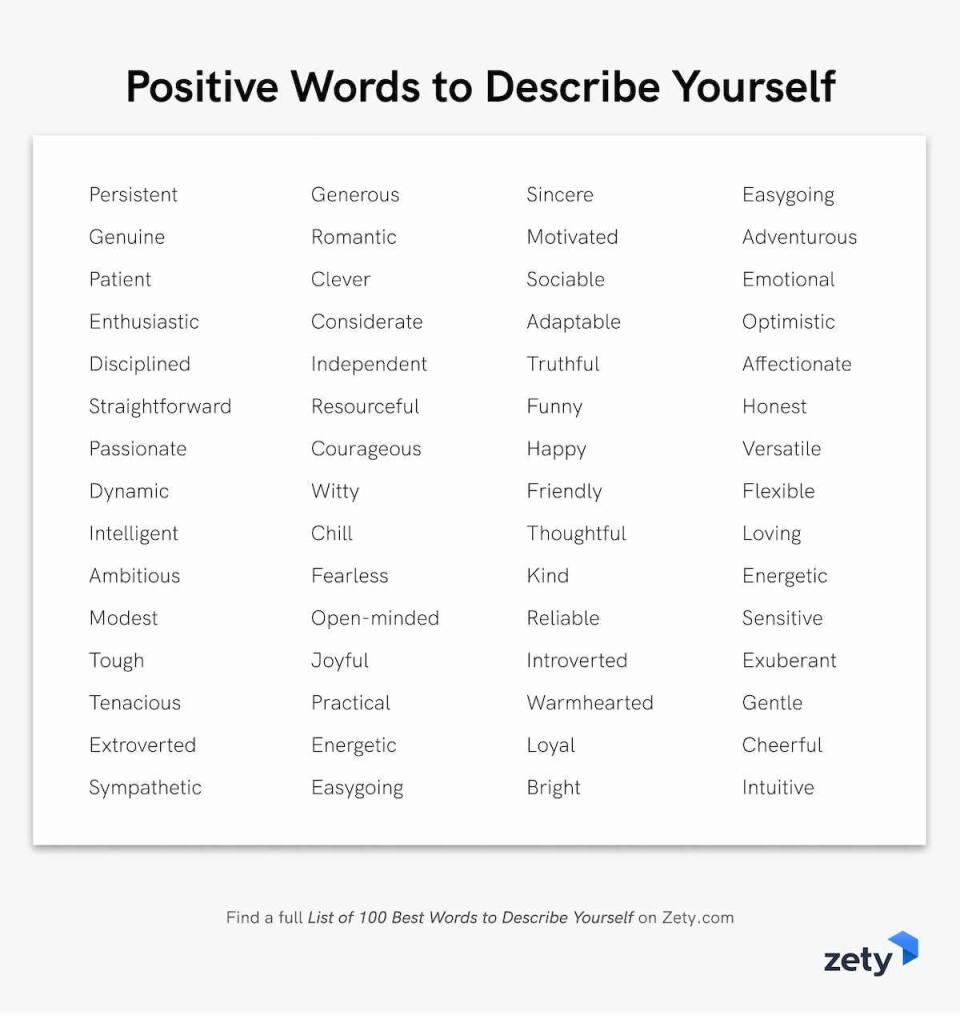
Measuring Brand Impact and Reputation
How do you know if your brand strategy is working? Look at the opportunities coming your way. Are you being headhunted for roles that match your chosen adjectives? Are clients praising you for the specific traits you’ve worked to cultivate?
Monitoring your “brand equity” involves paying attention to the language used in performance reviews, testimonials, and casual introductions. If people are using your chosen adjectives to describe you, your brand has successfully permeated the market. If not, it may be time to revisit your strategy and ensure that your actions are truly aligned with your identity.
In conclusion, “What adjectives describe me?” is a question that requires a strategic, brand-focused answer. By identifying your core pillars, aligning them with market needs, and consistently manifesting them through your actions and visuals, you transform from a face in the crowd into a distinct, memorable, and highly marketable brand. In the world of business, your reputation is your most valuable asset—ensure it is defined by the right words.
aViewFromTheCave is a participant in the Amazon Services LLC Associates Program, an affiliate advertising program designed to provide a means for sites to earn advertising fees by advertising and linking to Amazon.com. Amazon, the Amazon logo, AmazonSupply, and the AmazonSupply logo are trademarks of Amazon.com, Inc. or its affiliates. As an Amazon Associate we earn affiliate commissions from qualifying purchases.