
In the competitive landscape of the global spirits industry, few names resonate with the same level of authority as Absolut Vodka. While most consumers recognize the brand for its iconic bottle shape and its historic association with the avant-garde art world, the foundation of its brand equity lies in something far more fundamental: its composition. To understand what Absolut Vodka is “made from” is to understand a masterclass in corporate identity, localized branding, and the “One Source” philosophy that has kept the Swedish giant at the forefront of the market for decades.
In a world where consumers increasingly demand transparency and authenticity, Absolut has leveraged its raw materials—winter wheat and pristine well water—not just as ingredients, but as the pillars of its global marketing narrative. This article explores how Absolut’s physical components are engineered into a premium brand strategy that balances heritage with modern sustainability.
The “One Source” Philosophy: Building Brand Equity Through Provenance
In marketing, “provenance” refers to the history and origin of a product. For Absolut, provenance is the cornerstone of its corporate identity. Unlike many global spirits brands that outsource production to multiple distilleries across different continents, Absolut adheres to a strict “One Source” production model.
The Localized Supply Chain as a Brand Asset
Every drop of Absolut Vodka is produced in one place: the small village of Åhus in southern Sweden. This geographical exclusivity is more than a logistics choice; it is a powerful branding tool. By anchoring the brand to a specific location, Absolut creates a sense of “terroir” usually reserved for fine wines. This tells the consumer that the quality is controlled, the history is real, and the product cannot be replicated elsewhere. From a brand strategy perspective, this localization mitigates the “faceless corporation” perception, replacing it with the image of a community-driven craft producer on a global scale.
The Legacy of L.O. Smith
The brand’s identity is inextricably linked to its founder, Lars Olsson Smith, the “King of Spirits.” In 1879, Smith introduced fractional distillation to Sweden, a process that produced a purer spirit than traditional methods. By keeping the production in Smith’s home region, the brand maintains a historical continuity that resonates with consumers who value heritage. This narrative of “continuous distillation” is a key differentiator in the “Premium Vodka” category, allowing Absolut to justify its positioning against budget competitors.
The Raw Materials: Ingredients as the Narrative Foundation
What Absolut is made from—winter wheat and deep-well water—serves as the technical justification for its premium status. In the world of branding, features must be translated into benefits. Absolut does this by turning its agricultural requirements into a story of uncompromising quality.
Winter Wheat: The Character of the Brand
Absolut uses a specific type of winter wheat sown in the autumn and harvested the following year. It grows under the Swedish snow, developing a hard grain and a complex starch profile. In branding terms, this specific ingredient choice allows Absolut to claim a “full-bodied and complex” flavor profile. By focusing on a single type of grain sourced from approximately 400 local farms, the brand reinforces its commitment to quality control and supports a “farm-to-bottle” narrative that appeals to the modern, conscious consumer.
The Role of Pristine Water
Water makes up about 60% of a bottle of vodka. Absolut draws its water from deep wells in Åhus, protected from impurities. In its marketing collateral, this water is often described as “pure” and “untouched,” tapping into the consumer’s psychological association between Swedish nature and cleanliness. From a brand strategy standpoint, this emphasizes the “natural” aspect of the product, distancing it from the “chemical” or “industrial” connotations that sometimes plague the spirits industry.
Design Language: Communicating Ingredients through Visual Identity
A brand is not just what is inside the bottle; it is how the outside of the bottle communicates what is inside. Absolut’s packaging is arguably its most famous brand asset, and its design is a direct reflection of its ingredients’ purity.
The Transparent Bottle Strategy
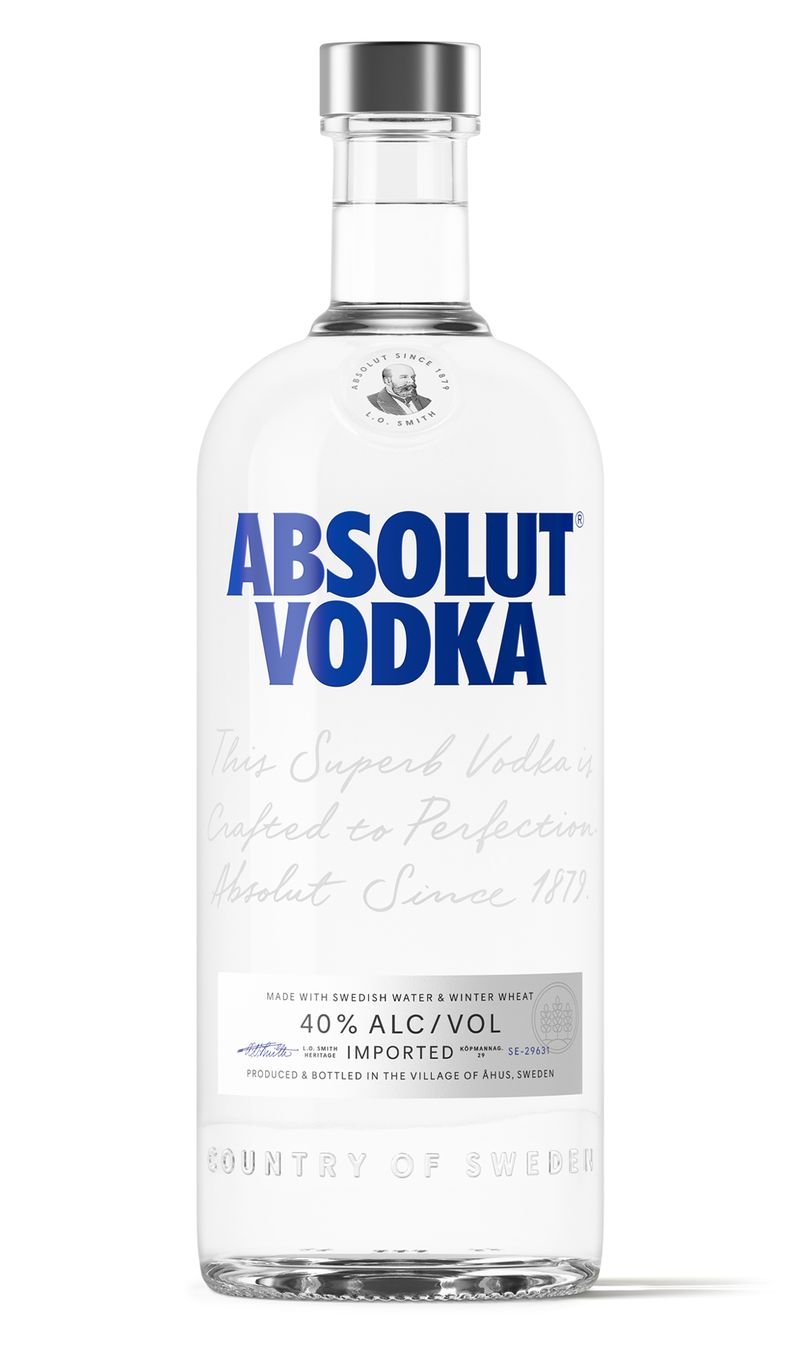
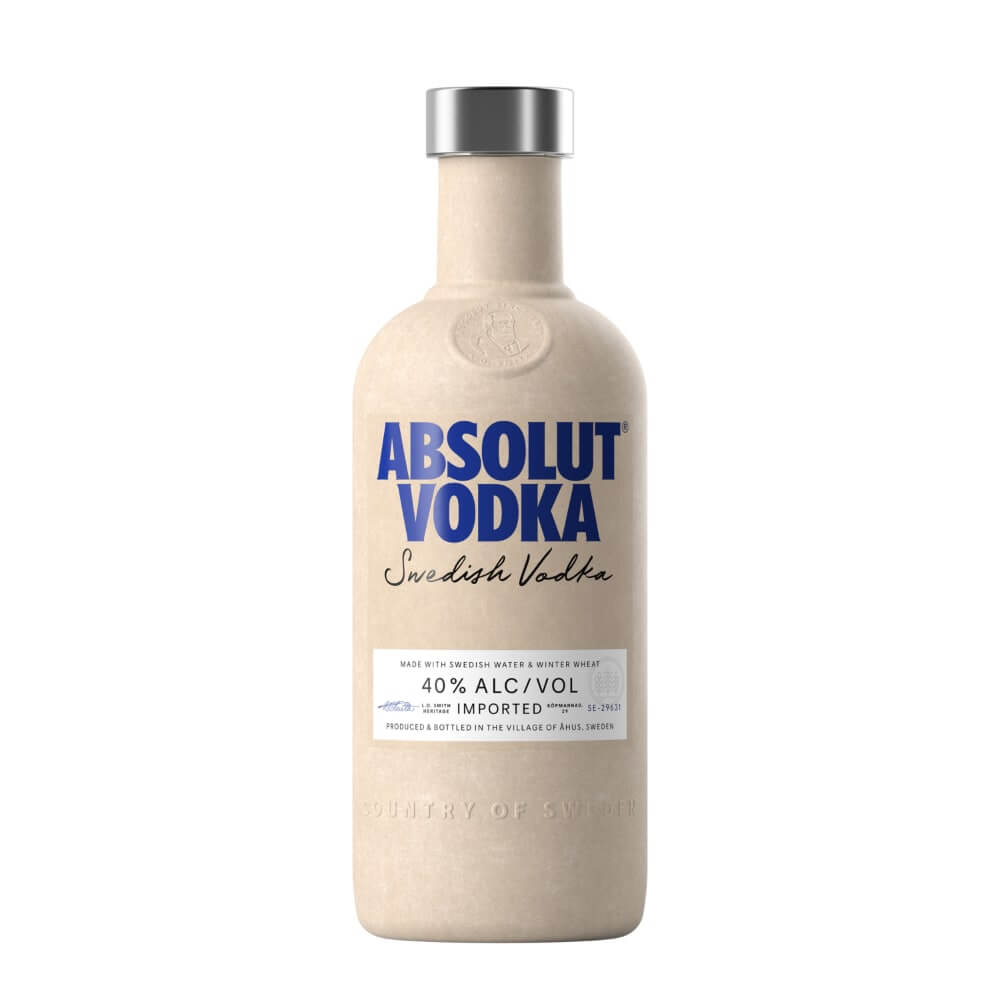
The iconic Absolut bottle was inspired by an 18th-century Swedish medicine bottle found in an antique shop. At the time of its launch in the United States in 1979, most vodka bottles were tall and obscured by large, colorful labels. Absolut’s decision to use a short, transparent bottle with no paper label was a disruptive marketing move. The transparency was a visual metaphor for the purity of the ingredients—wheat and water. It told the consumer, “We have nothing to hide.”
Minimalism and the Art of the “No-Label” Look
By printing the text directly onto the glass, Absolut adopted a minimalist aesthetic that became synonymous with “cool.” This design choice allowed the product’s clarity to speak for itself. It transformed the vodka into a “blank canvas,” which eventually led to the legendary “Absolut Art” campaign. This strategy demonstrates how a brand can use its physical composition (transparency) to build an intellectual and cultural identity (minimalism and art).
Sustainability as a Modern Corporate Identity
In the 21st century, a brand is defined as much by its environmental footprint as by its product quality. Absolut has integrated its ingredients into a sophisticated “Circular Economy” brand strategy, making it one of the most sustainable distilleries in the world.
The CO2-Neutral Distillation Process
The brand’s commitment to being “made from” sustainable processes is a significant driver of brand loyalty among younger demographics. The distillery in Åhus is one of the most energy-efficient in the world. By using a CO2-neutral distillation process, Absolut reinforces its “One Source” philosophy, proving that being local is not just about tradition, but also about the future. This environmental stewardship is a core component of the brand’s modern corporate social responsibility (CSR) strategy.
Waste as a Resource
The byproduct of the distillation process—a protein-rich mash called “stillage”—is not discarded. Instead, it is used to feed thousands of local pigs and cows in the Åhus region. This circularity strengthens the bond between the brand and its local community, providing a heartwarming “brand story” that goes beyond the alcohol itself. When a consumer buys Absolut, they are participating in a sustainable ecosystem, a powerful psychological motivator in contemporary marketing.
Case Study: Marketing the “Unflavored” Truth
While many vodka brands rely on a dizzying array of artificial flavors to capture market share, the core of the Absolut brand remains “Absolut Blue”—the original unflavored vodka. The brand strategy here is to market the “pure taste of grain.”
Defending the Premium Tier
In the “Value” vs. “Premium” debate, Absolut uses its ingredients to defend its price point. By emphasizing that it contains no added sugar—a rarity in the vodka world—it positions itself as a “clean” and “authentic” choice. This “Zero Added Sugar” claim is a strategic alignment with health-conscious trends in the beverage industry, allowing the brand to remain relevant in a changing market.
Consistency Across Four Decades
The brilliance of Absolut’s brand strategy is its consistency. Since 1979, the message hasn’t fundamentally changed: it is a pure Swedish vodka made from local wheat and water. This consistency has built immense brand equity. While the marketing campaigns change—from Andy Warhol’s paintings to modern digital influencers—the product story remains identical. This creates a sense of reliability and trust, the two most valuable assets any global brand can possess.

Conclusion: The Ingredient is the Brand
What Absolut Vodka is made from is far more than a list of raw materials; it is the DNA of a global marketing powerhouse. By taking simple, high-quality ingredients like winter wheat and well water and wrapping them in a “One Source” philosophy, Absolut has created a brand that represents more than just a spirit. It represents Swedish heritage, industrial transparency, and a commitment to sustainable excellence.
For brand strategists and marketers, the lesson of Absolut is clear: authenticity cannot be manufactured; it must be grown. By honoring its origins in Åhus and maintaining a strict adherence to its core ingredients, Absolut has ensured that its bottle remains an icon of both the bar shelf and the boardroom. In the end, the success of Absolut proves that when your product’s “what” is of the highest quality, your brand’s “why” becomes undeniable.
aViewFromTheCave is a participant in the Amazon Services LLC Associates Program, an affiliate advertising program designed to provide a means for sites to earn advertising fees by advertising and linking to Amazon.com. Amazon, the Amazon logo, AmazonSupply, and the AmazonSupply logo are trademarks of Amazon.com, Inc. or its affiliates. As an Amazon Associate we earn affiliate commissions from qualifying purchases.