
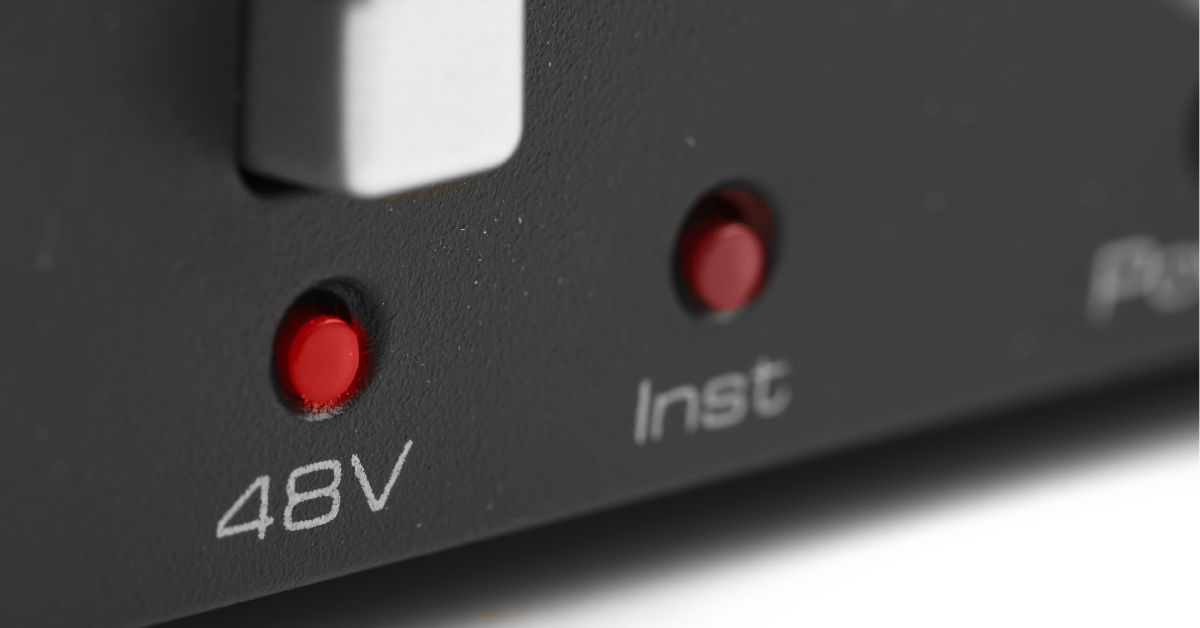
In the world of professional audio production, high-end recording, and live sound engineering, there is a ubiquitous yet often misunderstood feature found on almost every mixing console, audio interface, and preamp: the “+48V” button. This button activates a technology known as phantom power. While it may sound like something out of a science-fiction novel, phantom power is a fundamental pillar of modern audio technology. It is the silent force that allows high-fidelity condenser microphones and active circuitry to function without the need for bulky external power supplies or batteries.
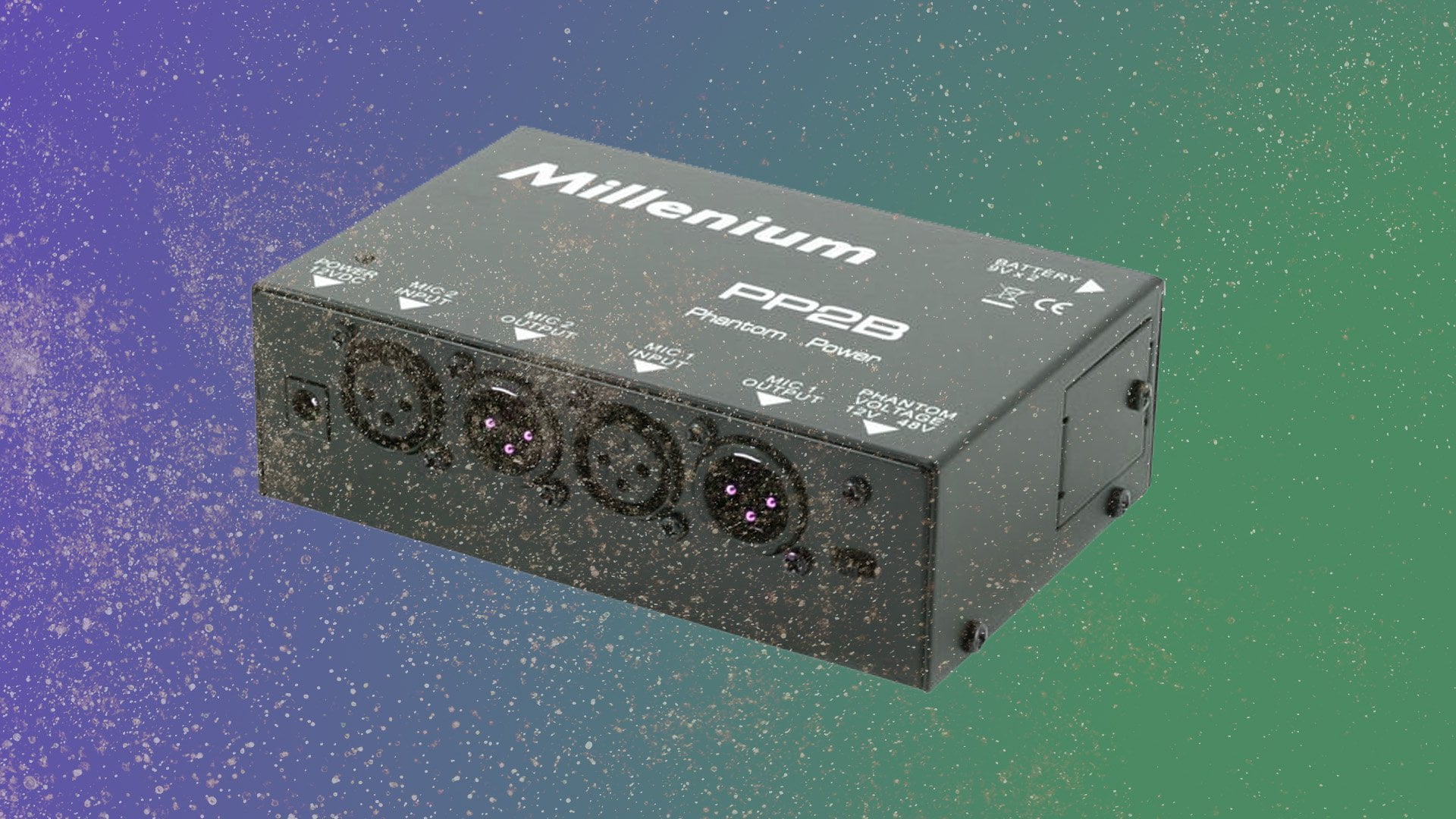
Understanding phantom power is essential for anyone delving into the tech behind sound. Whether you are a budding podcaster setting up a home studio, a live sound technician managing a concert, or a hardware enthusiast interested in the nuances of electrical engineering within consumer electronics, grasping how this technology works—and how to use it safely—is paramount.
Understanding the Mechanics of Phantom Power
At its core, phantom power is a method for transmitting Direct Current (DC) electrical power through microphone cables to operate microphones that contain active electronic circuitry. The term “phantom” is derived from the fact that the power is delivered invisibly through the same balanced cable that carries the audio signal, without requiring additional wires.
The Standard: 48 Volts DC
While various voltages have been used throughout history, the global industry standard is 48 volts DC. This standard was popularized in the late 1960s by the German microphone manufacturer Neumann. When you engage the phantom power switch on a device, it sends 48 volts from the power source (the interface or mixer) down the XLR cable to the microphone.
It is important to note that phantom power is designed for “balanced” connections. In a standard three-pin XLR cable, Pin 1 is the ground, Pin 2 is the positive (hot) signal, and Pin 3 is the negative (cold) signal. Phantom power delivers an equal voltage to both Pin 2 and Pin 3 relative to Pin 1. Because the voltage is identical on both signal carries, the microphone’s diaphragm “sees” no difference in potential between the two, meaning the power doesn’t interfere with the audio signal itself.
The Role of the Balanced Connection
The genius of phantom power lies in the physics of balanced audio. In a balanced system, the audio signal is sent twice: once in its original polarity and once inverted. At the receiving end, the inverted signal is flipped back and combined with the original, which cancels out any electromagnetic interference picked up along the cable.
Phantom power utilizes this architecture by “riding” on the signal lines. Because the DC voltage is applied equally to both the positive and negative legs of the circuit, the transformer or the active electronics at the microphone end can extract the power while the audio signal remains pristine. This technological efficiency is why phantom power remains the gold standard over half a century after its inception.
Why Do You Need Phantom Power?
Not every piece of equipment requires external voltage. To understand why we use phantom power, we must look at the specific gadgets and components that rely on it to function.
Powering Condenser Microphones
The primary reason for phantom power’s existence is the condenser microphone. Unlike dynamic microphones, which generate electricity through electromagnetic induction (a magnet moving around a coil), condenser microphones operate on an electrostatic principle.
A condenser microphone contains a capacitor (or “condenser” in older terminology) consisting of a thin diaphragm and a solid backplate. To work, this capacitor requires an electrical charge to create a “polarized” field. When sound waves hit the diaphragm, the distance between the diaphragm and the backplate changes, altering the capacitance and creating an electrical signal. Phantom power provides the necessary voltage to maintain this charge.
Furthermore, condenser microphones produce a very high-impedance signal that is extremely weak. To make this signal usable, these microphones include a small internal preamplifier (often using a Field Effect Transistor, or FET). This internal preamp also requires power to operate, which is conveniently supplied by the +48V line.
Active DI Boxes and Preamplifiers
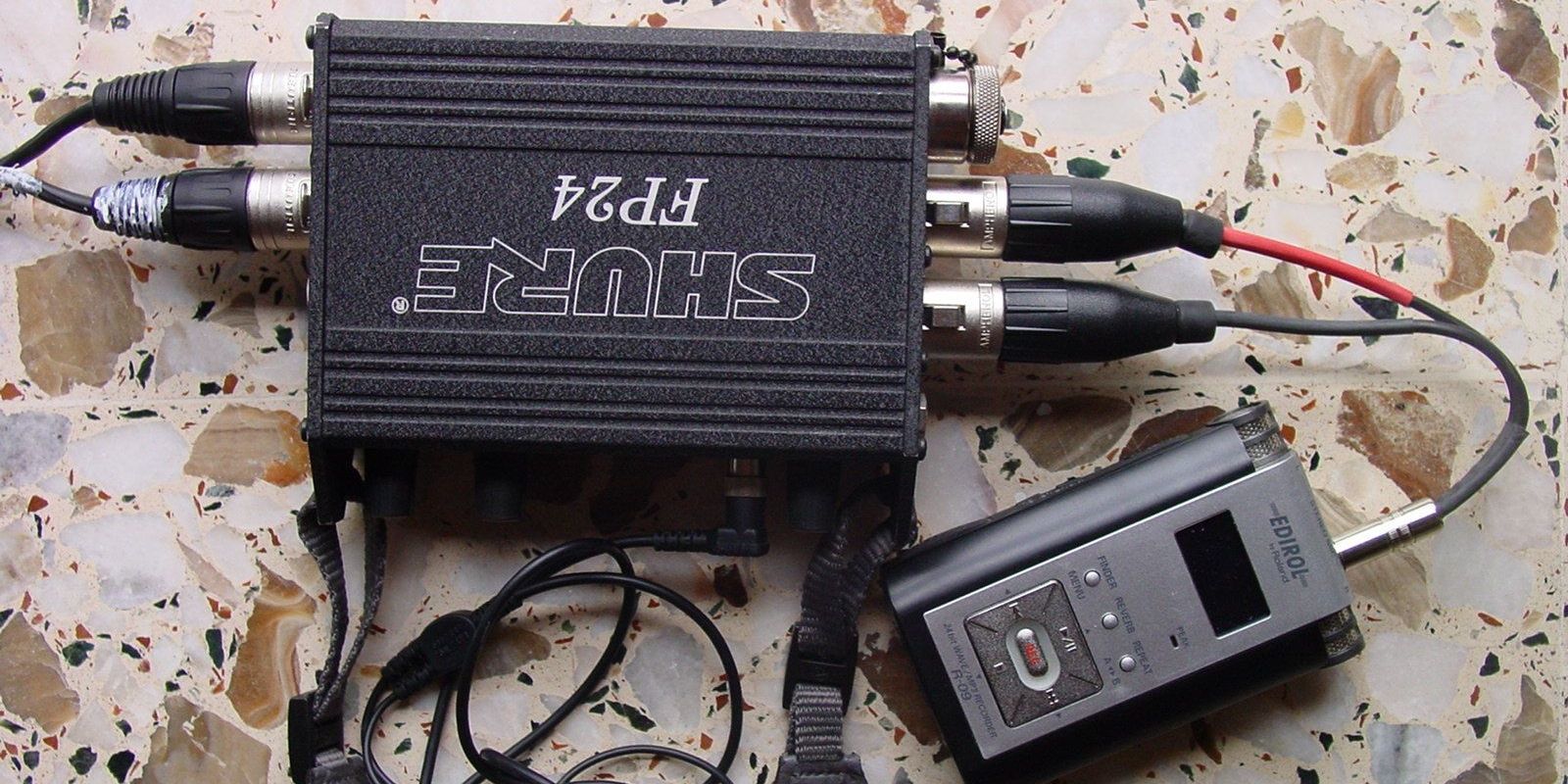
Beyond microphones, phantom power is frequently used to power active Direct Injection (DI) boxes. Musicians use DI boxes to connect high-impedance instruments, like electric guitars or keyboards, directly to a mixing console’s microphone input.
An “active” DI box contains circuitry that helps preserve the frequency response of the instrument over long cable runs. By drawing power from the mixer via the XLR cable, these boxes eliminate the need for 9V batteries, which are prone to failing mid-performance. Similarly, some modern “in-line” preamps, designed to give a gain boost to quiet dynamic microphones, also use phantom power to drive their internal boost circuitry.
The Safety and Risks of Using 48V
A common concern among tech enthusiasts and audio beginners is whether phantom power can damage equipment. In a perfectly functioning world, the “phantom” nature of the power means it should be invisible to devices that don’t need it. However, real-world hardware requires a bit more caution.
Dynamic Microphones vs. Phantom Power
The good news is that most professional dynamic microphones—like the legendary Shure SM58—are completely unaffected by phantom power. Because they are balanced and do not have a circuit path to ground through the signal pins, they simply ignore the 48V presence. You can leave phantom power on while using a standard dynamic mic without any degradation in sound or risk of hardware failure.
The Ribbon Microphone Exception
The significant caveat to the safety of phantom power is the ribbon microphone. Ribbon mics are delicate vintage-style instruments that use an ultra-thin strip of aluminum suspended in a magnetic field.
If a ribbon microphone is “transformer-coupled” and the cable is wired correctly, it should technically be safe. However, if there is a fault in the cable (such as a short to ground) or if you are using a “patch bay” where connections might momentarily short during plugging, phantom power can surge through the ribbon. This surge can physically deform or even “fry” the ribbon, rendering a multi-thousand-dollar piece of tech useless in an instant. Modern “active” ribbon mics actually require phantom power, but for traditional “passive” ribbons, the rule of thumb is: always turn off +48V.
Evolution of Powering Solutions in Modern Tech
As technology has miniaturized, the delivery of phantom power has evolved from massive external vacuum-tube power supplies to integrated circuits within tiny USB-powered gadgets.
From External Supplies to Integrated Interface Tech
In the early days of recording, condenser microphones came with their own dedicated, heavy power supply units that plugged into a wall outlet. These were cumbersome and added more points of failure. The move toward integrated +48V in mixing desks revolutionized studio workflows, allowing for “plug and play” functionality across dozens of channels simultaneously.
Today, even the smallest two-channel audio interfaces used by hobbyists contain sophisticated DC-to-DC converters. These components take the 5V power supplied by a computer’s USB port and “step it up” to the 48V required by professional microphones. This is a feat of modern electrical engineering, as it requires maintaining a very clean, low-noise voltage despite the relatively “dirty” power coming from a computer’s motherboard.
USB Power and Mobile Recording Constraints
The rise of mobile tech and USB-C recording has introduced new challenges. While professional interfaces can step up 5V to 48V, they often struggle with current (amperage). If a user connects multiple high-draw condenser microphones to a bus-powered laptop interface, they may experience “voltage sag,” leading to distortion or the microphones failing to initialize. This has led to a sub-market of “low-power” condenser mics and more efficient interface designs that prioritize power management for mobile creators.
Best Practices for the Modern Studio
To ensure the longevity of your hardware and the quality of your recordings, following a few technical best practices regarding phantom power is highly recommended.
Proper Connection Sequence
One of the most common mistakes in audio tech management is “hot-plugging”—plugging or unplugging a microphone while the +48V is already active. This can cause a loud “pop” that can damage your speakers or headphones. More importantly, it causes a momentary electrical spike.
The professional workflow is:
- Connect the microphone via XLR.
- Turn on the phantom power (+48V).
- Record your audio.
- Turn off the phantom power.
- Wait a few seconds for the capacitors to discharge.
- Unplug the microphone.
Troubleshooting Noise and Ground Loops
If you hear a hum or buzz when phantom power is engaged, it is rarely the power itself that is at fault. Usually, this indicates a “ground loop” or a poorly shielded cable. Because phantom power relies on the ground (Pin 1) as a reference, any interference on the ground line will be amplified. High-quality cables with 100% copper shielding are essential when working with phantom-powered tech to ensure that the “phantom” remains silent and the audio remains crystal clear.
In conclusion, phantom power is a masterpiece of invisible engineering. It allows for the high-sensitivity, low-noise recording that we take for granted in modern media. By understanding the tech behind the +48V switch, you can better manage your hardware, protect your investments, and achieve professional-grade results in any audio environment.
aViewFromTheCave is a participant in the Amazon Services LLC Associates Program, an affiliate advertising program designed to provide a means for sites to earn advertising fees by advertising and linking to Amazon.com. Amazon, the Amazon logo, AmazonSupply, and the AmazonSupply logo are trademarks of Amazon.com, Inc. or its affiliates. As an Amazon Associate we earn affiliate commissions from qualifying purchases.