
In the world of higher education, students often view their Grade Point Average (GPA) through a purely academic lens. However, for the financially savvy student, a cumulative GPA is much more than a measurement of learning—it is a critical financial metric. Just as an investor tracks the compound interest of a portfolio or a business owner monitors their credit score, a student must view their GPA as a primary driver of their academic Return on Investment (ROI).
Asking “What will my cumulative GPA be after this semester?” is not just a question for the registrar; it is a fundamental inquiry into your financial future. Whether you are maintaining a scholarship, aiming for a high-paying entry-level role, or managing the risk of losing financial aid, your GPA functions as a form of “academic currency.” This article explores the financial implications of your GPA, how to calculate its trajectory like a financial model, and how to protect your educational investment.
1. The Economics of the GPA: Why Your Score is a Financial Asset
Your cumulative GPA is one of the few metrics that can directly dictate the cost of your degree. In a landscape where tuition costs continue to outpace inflation, the ability to maintain a high GPA is a strategy for debt mitigation.
The Scholarship Floor and Merit-Based Aid
For many students, the difference between a 3.0 and a 3.5 GPA is not just a letter grade; it is a five-figure sum. Most institutional and private scholarships have a “GPA floor”—a minimum requirement that must be maintained to keep the funding active. If your cumulative GPA dips below this threshold after a single poor semester, you are essentially facing a sudden increase in the “price” of your education. When calculating your projected GPA, you are performing a risk assessment on your primary funding sources.
Reducing the “Cost of Failure”
Retaking a class is a significant financial liability. Not only do you pay for the credits a second time, but you also incur the opportunity cost of delayed graduation. By accurately predicting your cumulative GPA, you can identify “at-risk” subjects early. Shifting resources to ensure a passing grade in a high-credit course is a move toward capital preservation, ensuring you don’t have to “re-invest” in the same course next year.
The Premium on High Performance
Beyond scholarships, a high GPA can lead to “honors” designations that carry weight in competitive job markets. In sectors like investment banking, management consulting, and high-tech engineering, a GPA above a certain threshold (often 3.5 or 3.8) acts as a prerequisite for high-starting-salary roles. In this context, every 0.1 increase in your cumulative average represents a potential increase in your lifetime earning power.
2. Calculating the Future: Using Financial Modeling to Project Your GPA
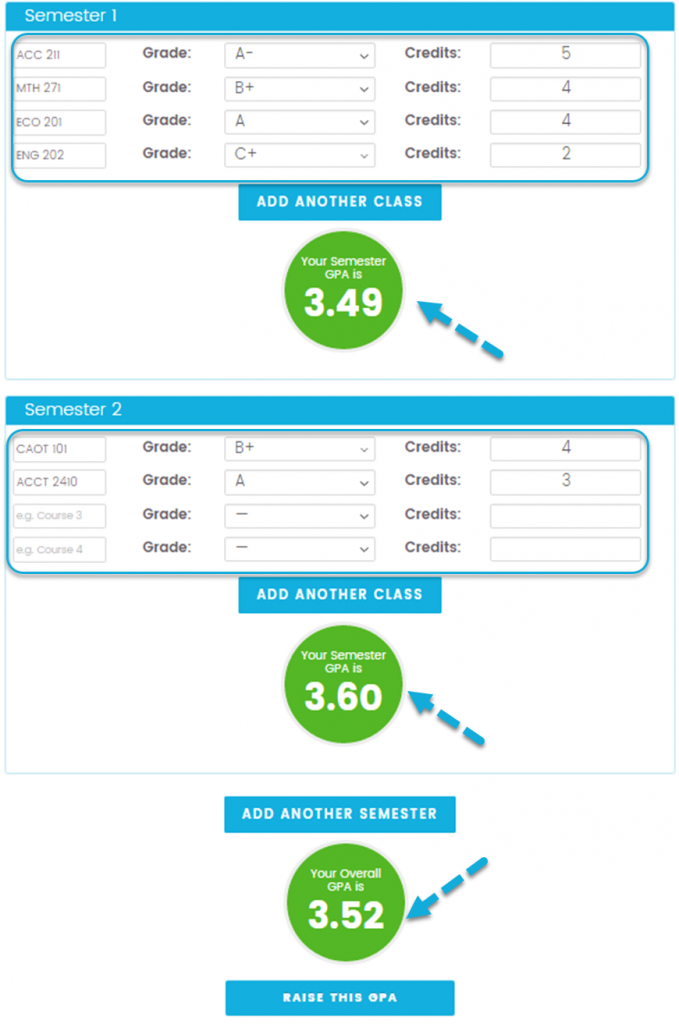
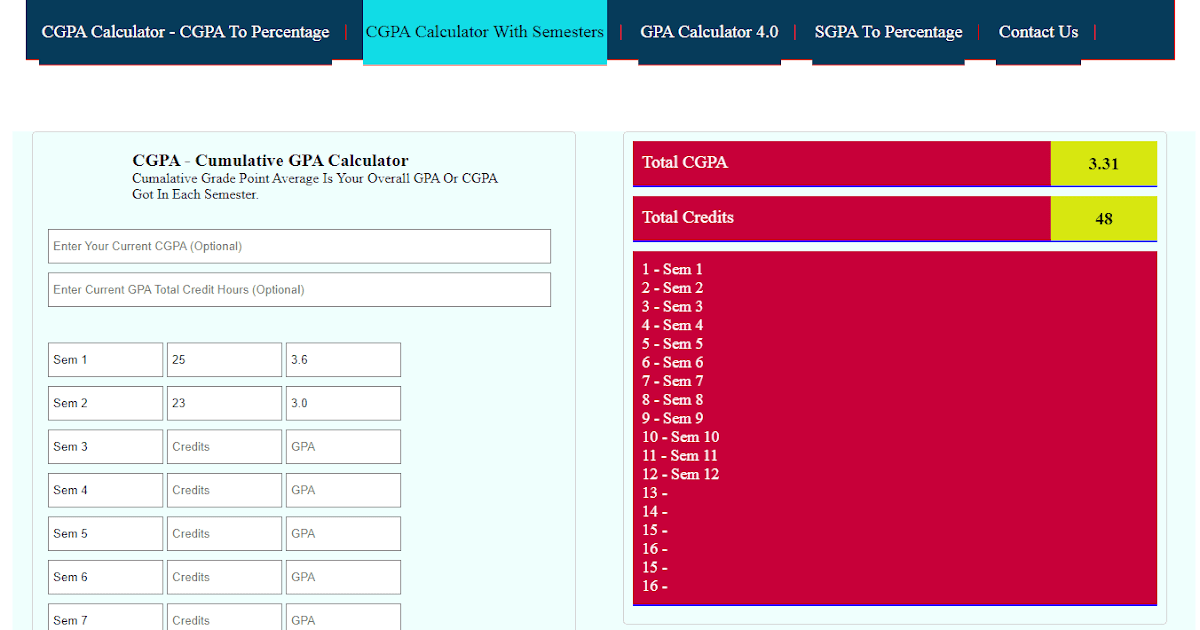
To answer the question of what your GPA will be, you must look at your academic record as a weighted portfolio. A cumulative GPA is a moving average, and understanding how new “data points” (this semester’s grades) affect the total is key to financial planning.
Understanding Weighted Averages
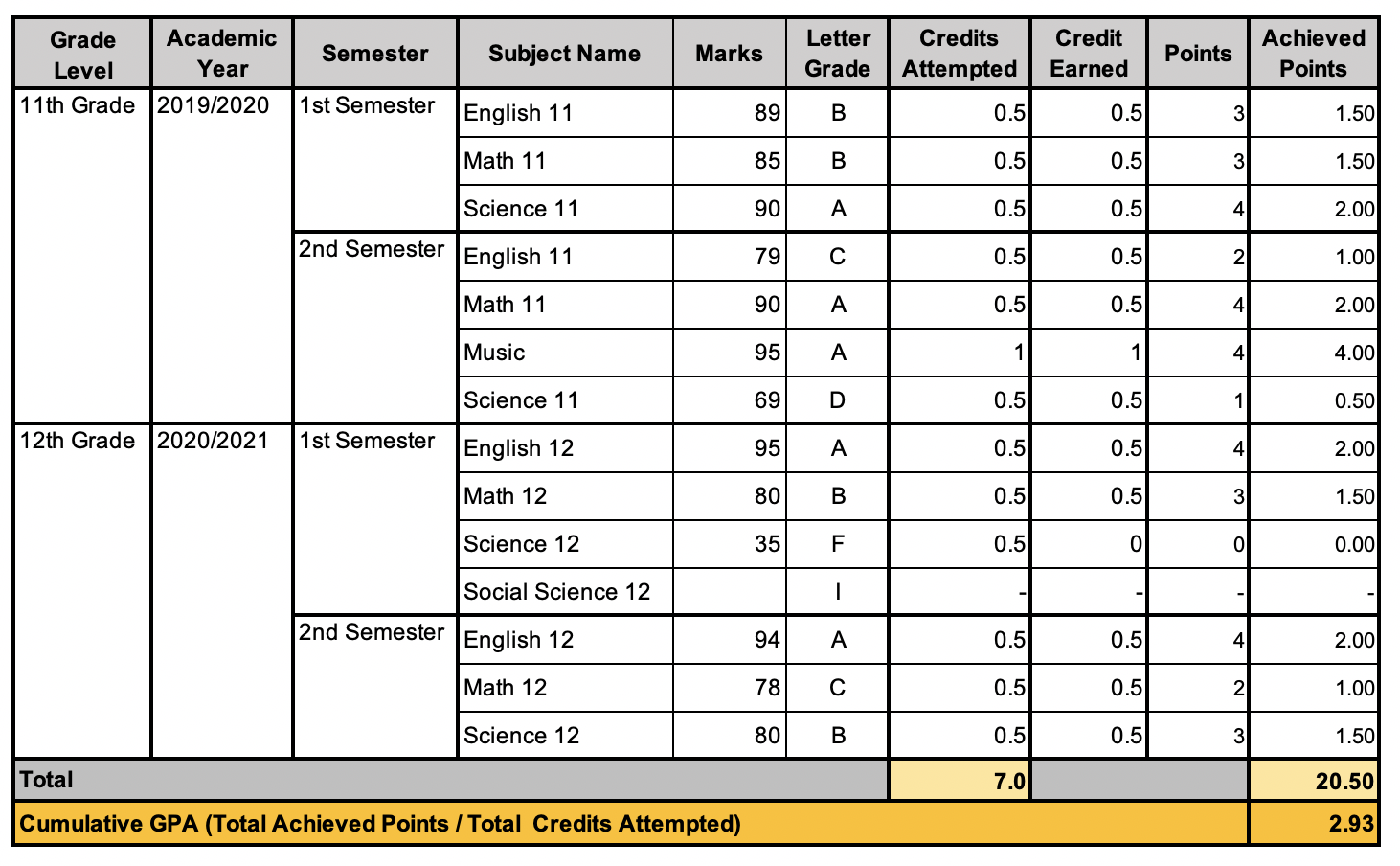
Not all classes are created equal in the eyes of your GPA. A five-credit laboratory science course has a much higher “market weight” than a one-credit elective. To calculate your future cumulative GPA, you must multiply the grade points of each potential grade by the credit hours, add them to your existing “quality points,” and divide by the total number of credits attempted. This is identical to calculating the weighted return on a diversified investment portfolio.
The Dilution Effect
As you progress through your degree, your GPA becomes more “stable,” but also harder to move. A freshman with 15 credits can swing their cumulative GPA significantly with one good semester. A senior with 100 credits has a much higher “inertia.” For upperclassmen, predicting the cumulative GPA is an exercise in managing expectations; even a perfect 4.0 semester may only move a cumulative 3.2 GPA by a few decimal points. Understanding this dilution helps in setting realistic goals for scholarship retention.
Sensitivity Analysis: Best and Worst Case Scenarios
In finance, professionals use sensitivity analysis to see how different variables impact an outcome. You should do the same with your grades. Calculate your cumulative GPA based on three scenarios:
- The Bull Case: You receive A’s in all current courses.
- The Base Case: You receive your historical average grades.
- The Bear Case: You struggle in your most difficult course and receive a C or D.
Knowing the “Bear Case” cumulative GPA allows you to see if your financial aid is at risk before the semester ends.
3. The High Cost of Lower Grades: Academic Probation and Financial Aid Risk
One of the most overlooked financial aspects of the GPA is the concept of Satisfactory Academic Progress (SAP). This is a federal and institutional standard that dictates your eligibility for FAFSA, Pell Grants, and federal student loans.
SAP Requirements and Federal Funding
The federal government requires students to maintain a certain cumulative GPA (usually a 2.0) to remain eligible for financial aid. If your semester performance drags your cumulative average below this line, you may be placed on financial aid warning or probation. Losing access to federal loans often forces students to turn to private lenders with significantly higher interest rates, or worse, to drop out entirely with debt but no degree.
The Hidden Cost of Academic Probation
If your GPA falls into the probation zone, many universities limit the number of credits you can take in the following semester. While this is intended to help you focus, it effectively extends your time to graduation. Every extra semester spent in college is a semester where you are paying tuition instead of earning a professional salary. This “lost year” can cost a student upwards of $50,000 to $100,000 in lifetime wealth when accounting for lost wages and retirement contributions.
Strategic Grade Forgiveness and Replacement
Many institutions offer “grade replacement” policies where retaking a course removes the original failing grade from the cumulative GPA calculation. From a financial perspective, this is a “debt restructuring” move. While it costs money to retake the class, the sudden jump in cumulative GPA can restore scholarship eligibility, making it a high-yield investment in the long run.
4. Long-Term ROI: GPA’s Impact on Your Starting Salary
While some argue that “grades don’t matter once you’re in the door,” the financial reality is that grades often determine which “door” you get to walk through. The ROI of your degree is heavily influenced by your first job’s compensation package.
Entry into High-Yield Career Paths
For students entering finance, law, or medicine, the cumulative GPA is a gatekeeper. Elite firms often use automated filters to discard resumes below a 3.5. By maintaining a high cumulative average, you maintain your “marketability” for these high-ceiling roles. A student graduating with a 3.9 from a state school may have access to a $80,000 starting salary, while a student with a 2.5 may struggle to find a role paying $45,000. Over a 40-year career, that initial gap compounds into millions of dollars.
Graduate School and the Cost of Specialization
If your career path requires a Master’s degree or a PhD, your cumulative GPA is the primary factor in securing “funded” positions (assistantships or fellowships). A high GPA can result in a graduate education that is paid for by the university, whereas a lower GPA might require you to self-fund or take out additional six-figure loans. In this scenario, your undergraduate GPA acts as a direct discount code for your future education.
Sign-on Bonuses and Relocation Packages
In competitive fields like software engineering or data science, companies often reserve their most lucrative signing bonuses for “top-tier” graduates. These bonuses are frequently tied to academic excellence. Viewing your GPA as a tool to negotiate a better starting package transforms “studying” into “earning.”
5. Strategic Management: Budgeting Your Time to Maximize Academic Yield
To ensure your cumulative GPA remains where it needs to be, you must treat your time like capital. You have a limited “budget” of hours each week, and you must allocate them to the courses that provide the highest “yield” for your GPA.
The Pareto Principle in Academics
The Pareto Principle suggests that 80% of your results come from 20% of your efforts. In the context of your GPA, this means identifying which assignments and exams carry the most weight. If a final exam is worth 40% of your grade in a 4-credit class, your “time investment” there has a much higher ROI than a weekly quiz in a 1-credit elective.
Mitigating Risk Through Diversification
Just as a balanced portfolio reduces risk, a balanced course load protects your GPA. Taking four “heavy” quantitative courses in one semester is a high-risk financial move. If the workload becomes unmanageable, your cumulative GPA could take a systemic hit. Strategic students mix difficult major requirements with “GPA boosters”—courses that require less time but offer high-grade certainty—to maintain a steady cumulative average.
Conclusion: The GPA as a Financial Dashboard
“What will my cumulative GPA be after this semester?” is a question of financial trajectory. By treating your grades as assets, your study time as capital, and your degree as an investment, you move beyond the role of a passive student and into the role of a proactive academic fund manager.
The grades you earn this semester will echo in your bank account for years to come. Whether through saved tuition, maintained scholarships, or elevated starting salaries, your cumulative GPA is the most significant financial report you will generate during your young adult life. Manage it with the same rigor you would use for a high-stakes investment portfolio, and the dividends will pay out for a lifetime.
aViewFromTheCave is a participant in the Amazon Services LLC Associates Program, an affiliate advertising program designed to provide a means for sites to earn advertising fees by advertising and linking to Amazon.com. Amazon, the Amazon logo, AmazonSupply, and the AmazonSupply logo are trademarks of Amazon.com, Inc. or its affiliates. As an Amazon Associate we earn affiliate commissions from qualifying purchases.