
In the realm of physics and information technology, frequency is the pulse of progress. When we ask, “What wave has the highest frequency?” the scientific answer is unambiguous: Gamma rays. Residing at the extreme end of the electromagnetic spectrum, gamma rays possess the shortest wavelengths and the highest energy levels. However, in the context of modern technology, the pursuit of higher frequencies is not just a scientific curiosity—it is the driving force behind the next generation of telecommunications, medical breakthroughs, and semiconductor manufacturing.
Understanding high-frequency waves is essential for navigating the complexities of the digital age. From the millimeter waves powering 5G networks to the high-energy photons used in advanced cancer treatments, frequency determines how much data we can carry and how deeply we can peer into the fabric of matter. This article explores the technological implications of the highest frequency waves, their practical applications, and the frontier of sub-terahertz research.
1. The Electromagnetic Spectrum: The Foundation of Digital Connectivity
To understand which wave has the highest frequency, one must first visualize the electromagnetic (EM) spectrum. The spectrum is a continuum of all electromagnetic radiation, categorized by frequency and wavelength. At the low end, we find radio waves; at the peak, we find gamma rays.
The Physics of Frequency and Data
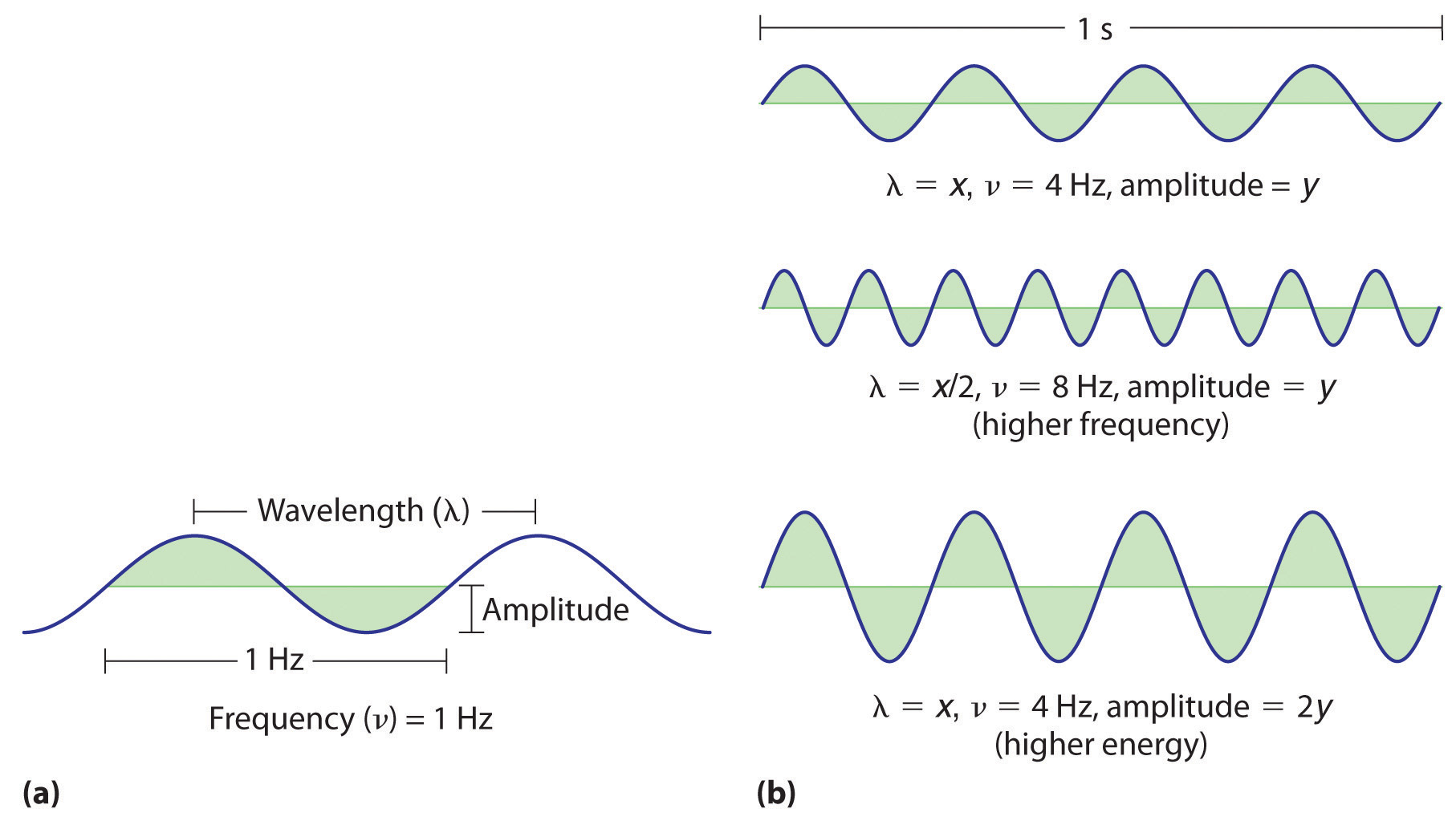
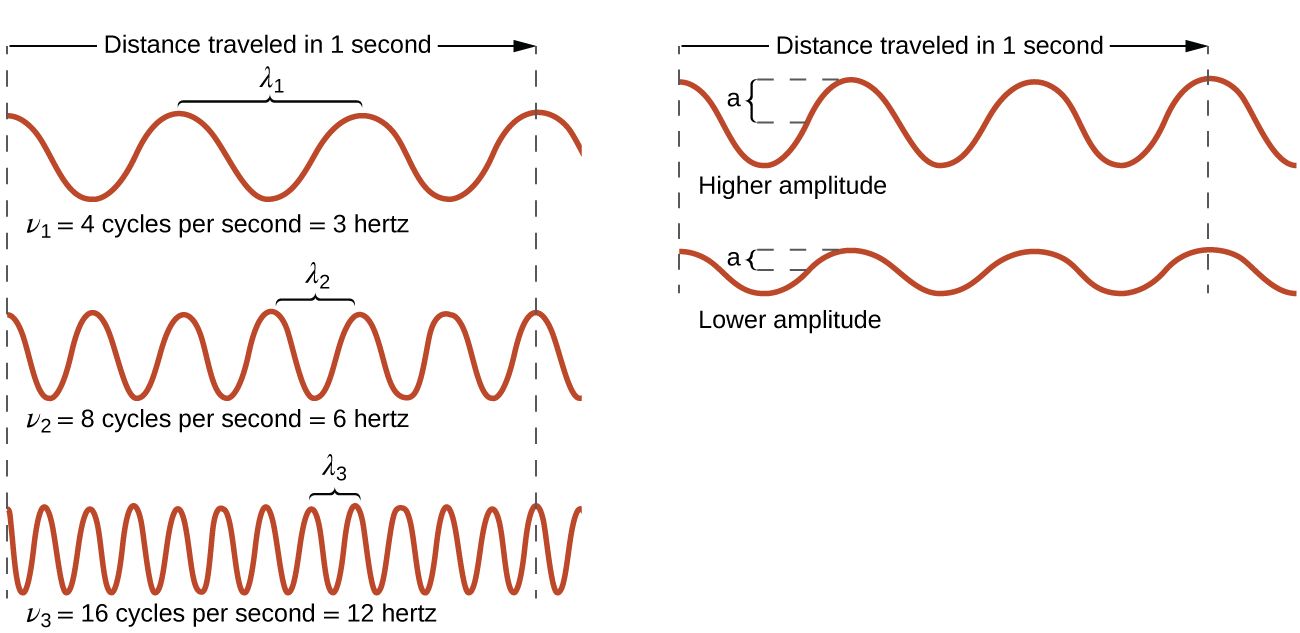
In technology, frequency is measured in Hertz (Hz), representing cycles per second. There is a direct correlation between frequency and the “bandwidth” of a technology. Higher frequencies allow for a higher rate of data oscillation, which translates to faster throughput. This is why the tech industry has spent decades migrating from the Megahertz (MHz) range of early radio to the Gigahertz (GHz) and Terahertz (THz) ranges of modern computing and sensing.
Gamma Rays: The Absolute Ceiling
Gamma rays operate at frequencies above $10^{19}$ Hz. Unlike radio waves, which are generated by electronic circuits, gamma rays are produced by subatomic particle interactions, such as radioactive decay or nuclear reactions. While we do not use gamma rays to transmit YouTube videos—due to their ionizing nature and the difficulty of modulating them—they represent the “tech ceiling” for energy density. In high-tech fields like non-destructive testing (NDT), gamma-ray imaging allows engineers to inspect the structural integrity of jet engines and high-pressure pipelines without dismantling them.
2. Telecommunications and the Push Toward the Terahertz Gap
In the consumer tech space, the quest for the highest frequency is most visible in the evolution of wireless communication. As lower frequency bands become “crowded,” engineers are forced to move up the spectrum to find untapped bandwidth.
From 5G Millimeter Waves to 6G
Current 5G technology utilizes “Millimeter Wave” (mmWave) frequencies, typically ranging from 24 GHz to 71 GHz. These are significantly higher than the frequencies used in 4G LTE, allowing for gigabit-per-second download speeds. However, the tech industry is already looking beyond 5G.
The development of 6G technology aims to exploit the “Terahertz Gap”—the region of the spectrum between 100 GHz and 10 THz. Operating at these extreme frequencies presents a massive technological challenge: high-frequency waves have very short ranges and are easily blocked by walls or even rain. To overcome this, tech firms are developing “Reconfigurable Intelligent Surfaces” (RIS) and advanced beamforming techniques to bounce these high-frequency signals around obstacles.
The Rise of Optical Wireless Communication (Li-Fi)
Even higher than the radio spectrum is the visible light spectrum. Li-Fi (Light Fidelity) is an emerging technology that uses light-emitting diodes (LEDs) to transmit data at frequencies in the hundreds of Terahertz. Because visible light has a much higher frequency than radio waves, it can theoretically transmit data at speeds exceeding 100 Gbps. This represents a paradigm shift in secure, high-speed networking for smart homes and industrial environments.
3. Medical and Industrial Applications of High-Energy Frequencies
When we move past the communication-focused frequencies, we enter the realm of ionizing radiation, where the highest frequency waves—X-rays and Gamma rays—perform critical functions in specialized technology sectors.
Precision Medical Tech: The Gamma Knife
The highest frequency waves are utilized in some of the most advanced medical gadgets on the planet. The “Gamma Knife” is a high-tech surgical tool that uses concentrated beams of gamma radiation to treat brain tumors without a single incision. By focusing high-frequency waves from multiple angles onto a single point, doctors can destroy cancerous cells with sub-millimeter precision, sparing the surrounding healthy tissue. This is a prime example of how extreme frequency is harnessed for life-saving technological applications.
Semiconductor Lithography
The “frequency” of light is also the limiting factor in the miniaturization of computer chips. To etch smaller transistors onto silicon, manufacturers need light with shorter wavelengths (and thus higher frequencies).
The industry currently relies on Extreme Ultraviolet (EUV) lithography. EUV light has a much higher frequency than standard ultraviolet light, allowing companies like ASML and TSMC to produce 3nm and 2nm chips. Without the ability to manipulate these high-frequency waves, the “Moore’s Law” progression of faster, more efficient gadgets would effectively grind to a halt.
4. Challenges in High-Frequency Hardware Engineering
As technology pushes toward higher frequencies, the physical hardware used to manage these waves must undergo a radical transformation. Traditional copper wires and standard silicon transistors struggle to keep up with the demands of high-frequency oscillations.
Material Science: Beyond Silicon
At high frequencies, silicon begins to lose efficiency due to heat and electron mobility limits. This has led to the rise of “Wide Bandgap” semiconductors, such as Gallium Nitride (GaN) and Silicon Carbide (SiC). These materials can handle higher voltages and frequencies, which is why we are seeing a surge in “GaN chargers” for laptops and smartphones—smaller, faster, and more efficient power delivery systems.
Thermal Management in High-Frequency Systems
A fundamental law of tech hardware is that higher frequencies generally result in higher heat generation. When a processor or a 5G base station operates at high frequencies, the rapid switching of electrons creates thermal energy. The tech industry is currently investing heavily in advanced cooling solutions, including vapor chamber cooling and liquid immersion systems, to ensure that high-frequency hardware remains stable under load.
5. Security and the Future of High-Frequency Sensing
The highest frequency waves are not just for moving data; they are also for “seeing” the world in ways previously impossible. High-frequency sensing technology is a cornerstone of the future of autonomous systems and digital security.
Imaging and Digital Security
At airports, “millimeter-wave” scanners use high-frequency waves to create high-resolution images of objects hidden under clothing. These waves are high enough in frequency to resolve small details but low enough that they do not penetrate the skin like X-rays. In the realm of digital security, high-frequency “Side-Channel Attacks” are a growing concern, where hackers monitor the high-frequency electromagnetic emissions of a CPU to steal encryption keys.
Quantum Frequency Converters
As we look toward the future of quantum computing, the ability to convert between different frequencies becomes vital. Quantum computers often operate at microwave frequencies, but to transmit quantum information over long distances (a “Quantum Internet”), that information must be converted to the high frequencies of infrared light for fiber-optic transmission. The development of quantum frequency converters is one of the most exciting frontiers in high-tech research today.

Conclusion: The Vertical Frontier
In the quest to answer “what wave has the highest frequency,” we find ourselves looking at the very boundaries of the physical world. While Gamma rays hold the scientific crown, the technological focus is on the steady climb toward higher and higher segments of the spectrum.
The move toward high-frequency tech is a move toward a high-definition world. It enables the transition from 4G to 6G, from traditional surgery to robotic radiation therapy, and from bulky electronics to nanometer-scale processors. As we master the terahertz gap and refine our control over high-energy photons, we are not just discovering new waves—we are building the infrastructure for a faster, more precise, and more connected future. The pursuit of the highest frequency is, in essence, the pursuit of the ultimate potential of technology itself.
aViewFromTheCave is a participant in the Amazon Services LLC Associates Program, an affiliate advertising program designed to provide a means for sites to earn advertising fees by advertising and linking to Amazon.com. Amazon, the Amazon logo, AmazonSupply, and the AmazonSupply logo are trademarks of Amazon.com, Inc. or its affiliates. As an Amazon Associate we earn affiliate commissions from qualifying purchases.