
In the history of American entertainment, few figures have managed to cultivate a brand as wholesome, enduring, and commercially successful as Roy Rogers. While Rogers was dubbed the “King of the Cowboys,” his rise to the pinnacle of pop culture wasn’t a solo journey. At the heart of his empire was a strategic partnership with a golden palomino that became a global icon in his own right. To answer the fundamental question—what was the name of Roy Rogers’ horse?—is to name one of the most successful “sub-brands” in history: Trigger.
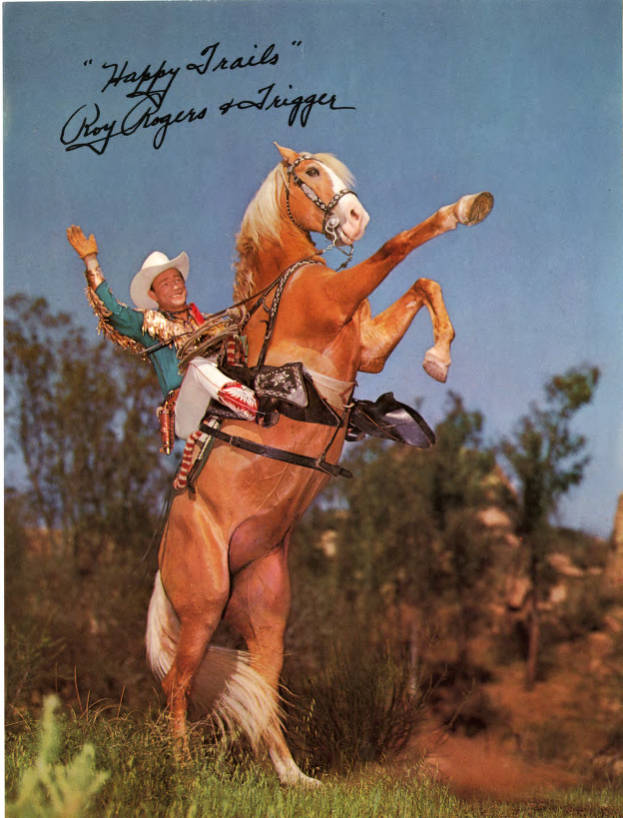
Trigger was more than just a horse; he was a meticulously managed brand asset that redefined how personal branding could be scaled through visual identity and secondary characters. For modern entrepreneurs, marketers, and brand strategists, the story of Roy Rogers and Trigger offers a masterclass in building an ecosystem of recognition that transcends the primary personality.
The Architecture of an Iconic Brand: Roy Rogers and the Golden Palomino
The foundation of any successful brand is a unique value proposition and a consistent visual identity. In the late 1930s and 1940s, Roy Rogers understood that to compete in the crowded “singing cowboy” market—most notably against Gene Autry—he needed a differentiator that was both visually striking and emotionally resonant.
Rebranding for Success: From Golden Cloud to Trigger
Trigger was not always “Trigger.” Originally a stallion named Golden Cloud, the horse had already appeared in films, most notably as Maid Marian’s mount in The Adventures of Robin Hood (1938). When Roy Rogers was looking for a permanent partner, he recognized the potential in this specific animal. However, the name “Golden Cloud” lacked the punch required for a high-action Western star.
The rebranding to “Trigger” was a stroke of marketing genius. The name suggested speed, precision, and the Western genre’s excitement. It was short, memorable, and “snappy”—key tenets of effective brand naming that remain true in the digital age. By purchasing the horse himself for $2,500 (a massive sum at the time), Rogers took full control of his brand’s most important visual asset.
Visual Identity and Color Strategy
In branding, color psychology is paramount. Trigger was a palomino with a golden coat and a white mane and tail. In the era of early color film (and even in black-and-white), this contrast made him instantly recognizable. Rogers often wore flamboyant, highly detailed western wear that complemented Trigger’s coat. This “visual package” ensured that whenever the audience saw a flash of gold and white on the screen, they didn’t just see a horse; they saw the Roy Rogers brand.
Trigger as a Strategic Sub-Brand: The Multiplier Effect
In modern marketing, we often talk about “brand extensions” or “sub-branding.” This is the practice of creating a secondary product or persona that supports the main brand while appealing to a specific niche. Trigger was perhaps the first major “living” sub-brand in the entertainment industry.
Enhancing Personal Branding Through Association
Roy Rogers understood that his brand was more than just his voice or his acting; it was an aspirational lifestyle. Trigger added a layer of “skill” and “intelligence” to that brand. Billed as the “Smartest Horse in the Movies,” Trigger was trained to perform over 100 tricks, including walking on his hind legs, “signing” his name with an X, and even being housebroken for television studio visits.
This association elevated Roy Rogers from a mere actor to a “horseman”—a title that carried weight and authenticity in the Western genre. By positioning Trigger as a character with his own personality and skills, Rogers doubled his brand’s footprint. Fans weren’t just Roy Rogers fans; they were Trigger fans. This dual-loyalty increased the “stickiness” of the brand across different demographics, particularly children.
The Psychology of the Complementary Asset
A complementary brand asset serves to fill gaps in the primary brand’s personality. While Roy Rogers represented the moral compass and the hero’s journey, Trigger represented loyalty, speed, and the untamed beauty of the West. This partnership created a “complete” narrative package.
Modern brands use this today by pairing a corporate brand with a relatable mascot or a CEO with a distinct “sidekick” product. The goal is to create multiple entry points for the consumer. If you weren’t interested in the music, you might be interested in the horse’s tricks. Either way, you were consuming the Roy Rogers ecosystem.
Monetization and Merchandising: From the Screen to the Store Shelf
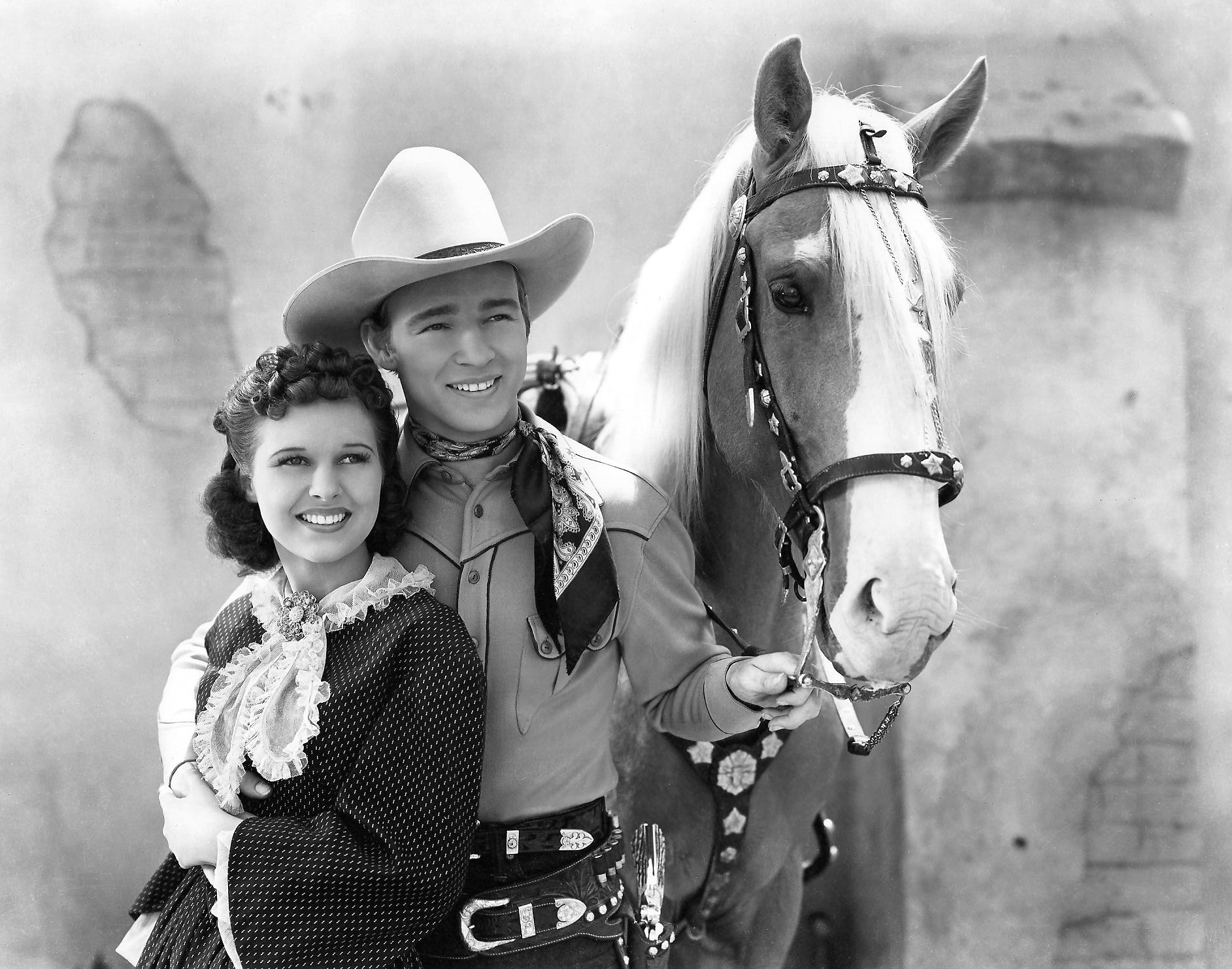
The true test of a brand’s strength is its ability to monetize beyond its primary medium. Roy Rogers and his team were pioneers in licensing, and Trigger was the linchpin of this strategy. At one point, Roy Rogers was second only to Walt Disney in the number of licensed products on the market.
Licensing the Legend
The “Trigger” brand was leveraged across a staggering array of products. There were Trigger comic books, Trigger toy horses, lunchboxes, and clothing lines. By giving the horse a distinct identity and name, the Rogers estate could license “Trigger” independently of Roy.
This is a critical lesson in Intellectual Property (IP) management. When a brand builds assets that can stand alone, it creates multiple revenue streams that are not entirely dependent on the presence of the founder. Trigger could appear in a comic book or a toy line even when Roy Rogers wasn’t filming, keeping the brand relevant in the “off-season.”
Emotional Connection and Consumer Loyalty
The merchandising wasn’t just about selling plastic toys; it was about extending the emotional connection. For a child in the 1950s, owning a “Trigger” toy was a way to participate in the hero’s journey. This is the essence of lifestyle branding. When a brand moves from a service (entertainment) to a tangible product (merchandise), it cements its place in the consumer’s daily life.
The longevity of the Roy Rogers brand—which eventually expanded into a successful restaurant chain—was built on the back of this early trust and recognition. The horse was the “hook” that captured the imagination of a generation, turning them into lifelong brand advocates.
Lessons for Modern Personal Branding in the Digital Age
While the era of the Western has passed, the mechanics of how Roy Rogers built his brand around Trigger remain incredibly relevant for today’s creators, influencers, and corporate leaders.
Building an Ecosystem, Not Just a Profile
In the current digital landscape, a brand cannot survive as a single-faceted entity. Just as Roy Rogers had Trigger, Dale Evans (his wife), and the Sons of the Pioneers, modern brands must build an “ecosystem.” This might include a secondary YouTube channel, a signature software tool, or a recognizable mascot.
The “Trigger Effect” teaches us that your secondary assets should:
- Complement the main brand: They should share the same values but offer something different (e.g., humor, technical depth, or visual flair).
- Be high quality: Trigger wasn’t just any horse; he was the best-trained horse in the business. Your “sidekick” products or content must maintain the same standards as your primary offering.
- Have a distinct identity: Give your secondary assets a name, a look, and a “voice.”
Longevity and Legacy Management
One of the most fascinating (and sometimes controversial) aspects of the Trigger brand was how it was handled after the horse’s death in 1965. Rogers had Trigger taxidermied and put on display at the Roy Rogers-Dale Evans Museum. While this might seem unusual today, from a brand perspective, it was a move to preserve a “permanent asset.”
Rogers understood that Trigger was an irreplaceable part of his brand identity. By preserving the horse, he allowed future generations to “meet” the legend, ensuring the brand lived on long after the films stopped rolling. In the modern world, this translates to “evergreen content” and “legacy IP.” How are you building your brand today so that it can function without your direct, minute-to-minute involvement?

Conclusion: The Golden Standard of Branding
What was the name of Roy Rogers’ horse? The name was Trigger, but the reality was that he was a foundational pillar of a multi-million dollar brand empire.
The partnership between Roy Rogers and Trigger demonstrates that branding is most effective when it is collaborative, visual, and strategically diversified. By transforming a talented animal into a global icon, Rogers showed the world that a brand is not just a person—it is a collection of stories, symbols, and assets that work together to create something larger than life.
Whether you are a tech founder looking for a “hook” for your software, or a personal brand trying to stand out in a saturated social media landscape, the lessons of the Golden Palomino are clear: find your “Trigger,” give it a name, make it visually unforgettable, and build an empire that can ride off into the sunset and still be remembered decades later.
aViewFromTheCave is a participant in the Amazon Services LLC Associates Program, an affiliate advertising program designed to provide a means for sites to earn advertising fees by advertising and linking to Amazon.com. Amazon, the Amazon logo, AmazonSupply, and the AmazonSupply logo are trademarks of Amazon.com, Inc. or its affiliates. As an Amazon Associate we earn affiliate commissions from qualifying purchases.