
In the annals of military history, few feats of marksmanship are as technologically significant as Chris Kyle’s 2,100-yard shot outside Sadr City in 2008. While the narrative often focuses on the skill and composure of the “American Sniper,” a technical analysis reveals that this shot was a masterpiece of ballistic engineering, hardware synergy, and environmental computation. To understand the magnitude of a 1.2-mile hit, one must look past the man and into the sophisticated technology that bridged the gap between a shooter’s intent and a microscopic target over a mile away.
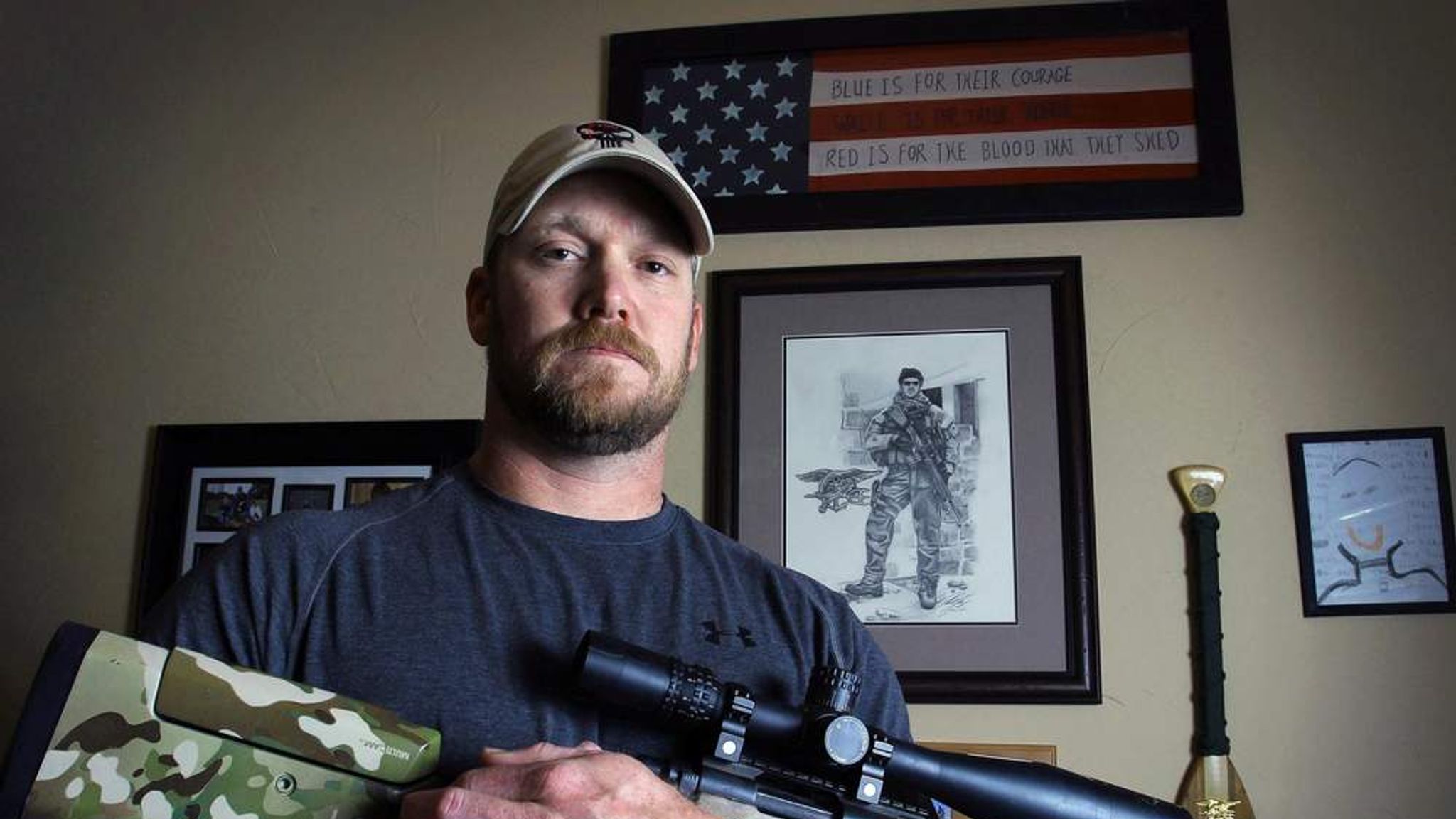
The Hardware: Breaking Down the McMillan Tac-338 and Advanced Optics
The cornerstone of Kyle’s legendary shot was the McMillan Tac-338. In the world of high-stakes long-range engagement, the rifle is not merely a firearm; it is a stabilized platform designed to minimize mechanical interference. The Tac-338 was engineered specifically for the .338 Lapua Magnum cartridge, a round that sits in the “sweet spot” of ballistics technology—bridging the gap between the standard .308 Winchester and the heavy .50 BMG.
The Rifle Architecture: Why the .338 Lapua Magnum Matters
The .338 Lapua Magnum cartridge is a marvel of aerodynamic engineering. For a shot to connect at 2,100 yards, the projectile must maintain a high Ballistic Coefficient (BC). The BC is a measure of a bullet’s ability to overcome air resistance in flight. The heavy, streamlined projectiles used in the Tac-338 are designed to remain supersonic for longer distances. When a bullet drops into subsonic speeds, it encounters “transonic instability,” where the sound barrier’s turbulence can kick the tail of the bullet, causing it to veer off course. The technology behind the .338 Lapua allowed Kyle’s shot to maintain a stable, predictable flight path well beyond the limits of standard infantry tech.
Optical Superiority: The Role of Nightforce and Reticle Precision
A rifle is only as effective as the shooter’s ability to see the target. Kyle utilized Nightforce optics, which at the time represented the pinnacle of ruggedized lens technology. These scopes utilize glass with specific coatings to maximize light transmission and clarity, even through the heat haze (mirage) common in the Iraqi desert.
Crucially, the technology within the reticle (the crosshairs) allowed for “holdovers.” At 2,100 yards, the bullet does not travel in a straight line; it travels in a massive arc. To hit a target at that distance, the barrel of the rifle must be pointed significantly above the target. Modern Mil-Dot or MoA-based reticles act as visual computers, allowing the operator to use precise hash marks to compensate for both gravity and windage without manually turning the adjustment dials for every minor change.
The Software of Sniping: Ballistic Calculators and Environmental Sensors
While the shot in 2008 relied heavily on manual calculation and “dope” (Data on Previous Engagements), it set the stage for the digital revolution in long-range tech. To achieve a hit at 1.2 miles, a shooter must account for a staggering number of variables that the human brain cannot calculate in real-time without technological assistance.
Meteorological Tools: Measuring Wind and Air Density
The most significant enemy of a long-range shot is the wind. At 2,100 yards, even a 5 mph crosswind can push a bullet several feet off-target. Snipers today—and increasingly during the latter half of Kyle’s career—rely on Kestrel weather meters. These handheld devices are essentially portable weather stations. They measure wind speed, humidity, temperature, and barometric pressure.
Air density is a critical data point in ballistic software. Thinner air (caused by high heat or high altitude) offers less resistance to the bullet, meaning it will hit higher than it would in cold, dense air. The integration of this sensory data into the shooting solution is what transformed sniping from an art into a repeatable science.
Computational Algorithmic Accuracy: The Rise of Ballistic Apps
Today, the legacy of shots like Kyle’s has fueled the development of advanced ballistic software such as Applied Ballistics and Hornady 4DOF. These applications use “drag models” rather than simple ballistic coefficients. They account for the specific shape of the bullet and how it interacts with the air at various Mach numbers. During the Sadr City engagement, Kyle had to rely on his “data book” and mental math, but the technological evolution since then has moved those complex calculus equations into ruggedized smartphones and integrated systems within the scope itself.
Human-Machine Interface: The Physics of the “Perfect Shot”
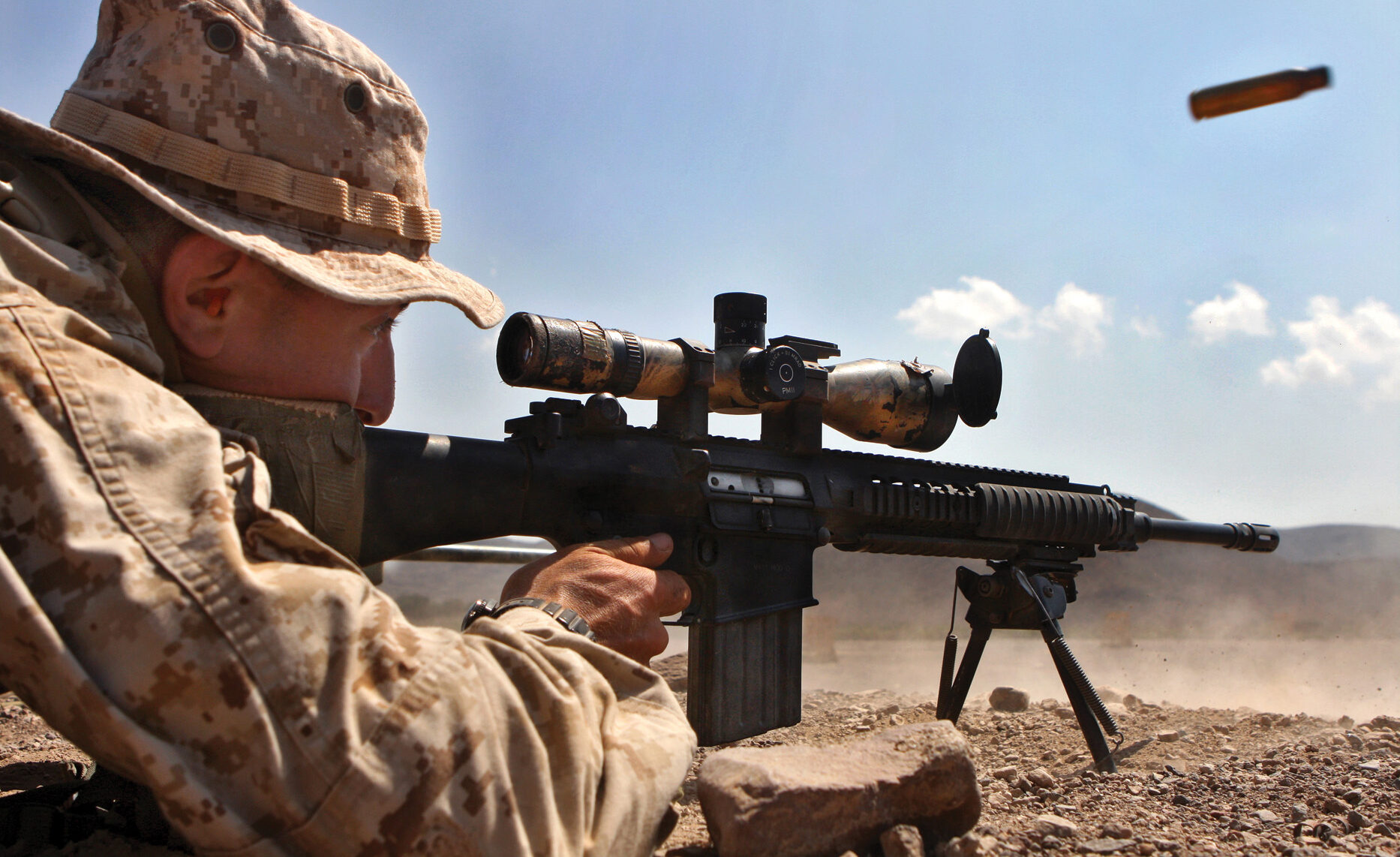
A 2,100-yard shot requires the hardware to account for physical forces that are irrelevant at shorter ranges. When a projectile is in the air for several seconds—as Kyle’s was—it becomes a small satellite subject to the laws of planetary physics.
Overcoming Earth’s Rotation: The Coriolis Effect in High-End Tech
One of the most fascinating aspects of ultra-long-range technology is the requirement to account for the Coriolis Effect. Because the Earth is rotating beneath the bullet while it is in flight, the target actually moves a few inches during the bullet’s multi-second travel time.
Modern ballistic computers have GPS and internal compasses that allow them to calculate the shooter’s latitude and the direction of the shot. The software then tells the shooter exactly how many clicks to adjust to account for the Earth’s spin. Kyle’s shot was at the extreme edge where these minute physical forces begin to dictate success or failure, highlighting the need for technology that can perceive what the human eye cannot.
Stability Systems: Bipods and Modern Support Mechanisms
The interface between the shooter and the rifle is managed by stability technology. At 2,100 yards, a heartbeat or a slight tremor can move the point of impact by yards. Kyle utilized specialized bipods and rear bags that provide a “dead” rest. The technology in these supports has evolved from simple sandbags to carbon-fiber tripods with ball-head mounts that allow for microscopic adjustments. This level of stabilization ensures that the mechanical precision of the rifle is not wasted by human instability.
The Future of Long-Range Engagement: From Manual Precision to AI-Assisted Targeting
The 2,100-yard shot was a turning point that proved the efficacy of the .338 platform and long-range interdiction. Since that event, the tech industry has moved toward automating the precision that Kyle achieved through years of training.
Smart Scopes and Integrated Fire Control Systems
We are currently seeing the rise of “Smart Scopes,” such as those developed by TrackingPoint or the U.S. Army’s new Next Generation Squad Weapon (NGSW) fire control system (the Vortex XM157). These devices utilize laser rangefinders, atmospheric sensors, and internal ballistics computers to provide a “corrected” aiming point.
In these systems, the technology handles the math. The shooter lases the target, and the computer shifts the reticle to account for drop, wind, and even the cant of the rifle. If Kyle had possessed a modern fire control system in 2008, the 2,100-yard shot would have transitioned from a “one-in-a-million” feat of skill to a high-probability technical engagement.
The Ethical and Technical Implications of Automated Precision
As sniping technology moves toward AI-assisted targeting, the industry faces a shift. The “tech” is becoming the primary driver of the shot, with the human acting more as a sensor platform and a moral “go/no-go” switch. The success of Kyle’s longest shot proved that the hardware was capable of extreme distances; the current tech trend is making that capability accessible to the average operator.
By removing the margin for human error through automated sensors and real-time data processing, the modern “digital sniper” can engage targets at distances that were previously considered impossible. This evolution from manual calculations to AI-integrated systems is the direct technological descendant of the milestones reached by shooters like Chris Kyle.
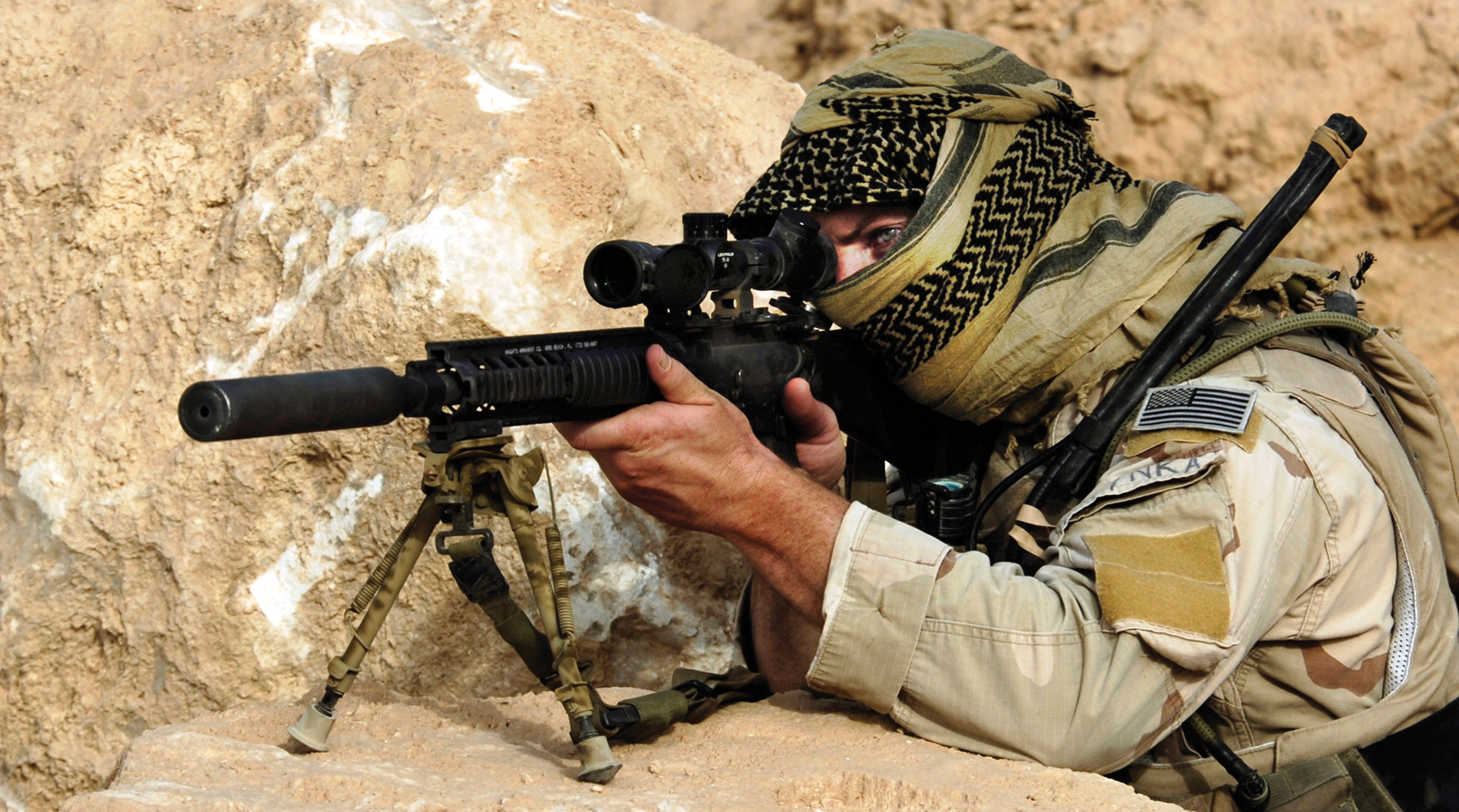
Conclusion: The Legacy of a 1.2-Mile Calculation
Chris Kyle’s longest shot was not just a moment of military history; it was a validation of high-end ballistic technology. It proved that a specific combination of heavy-grain projectiles, high-magnification optics, and precise atmospheric accounting could extend the reach of a single operator across more than twenty football fields.
Today, the technology behind that shot has been miniaturized, digitized, and enhanced by artificial intelligence. While the “American Sniper” provided the steady hand and the tactical resolve, it was the .338 Lapua’s aerodynamic stability and the McMillan’s mechanical consistency that allowed a piece of lead to travel 6,300 feet and find its mark. As we look toward the future of digital optics and smart-weaponry, the 2,100-yard shot remains the ultimate case study in the power of precision technology.
aViewFromTheCave is a participant in the Amazon Services LLC Associates Program, an affiliate advertising program designed to provide a means for sites to earn advertising fees by advertising and linking to Amazon.com. Amazon, the Amazon logo, AmazonSupply, and the AmazonSupply logo are trademarks of Amazon.com, Inc. or its affiliates. As an Amazon Associate we earn affiliate commissions from qualifying purchases.