
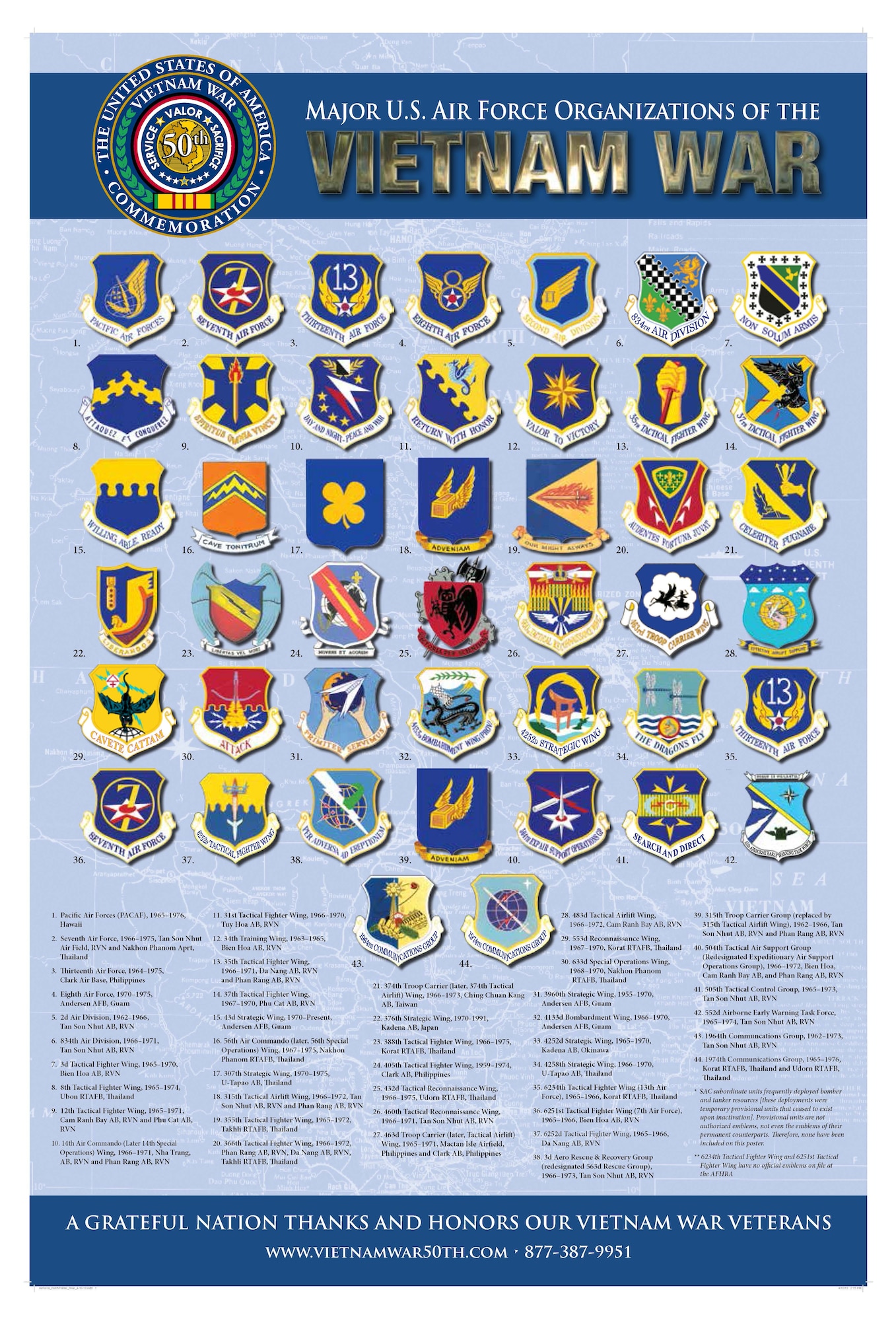
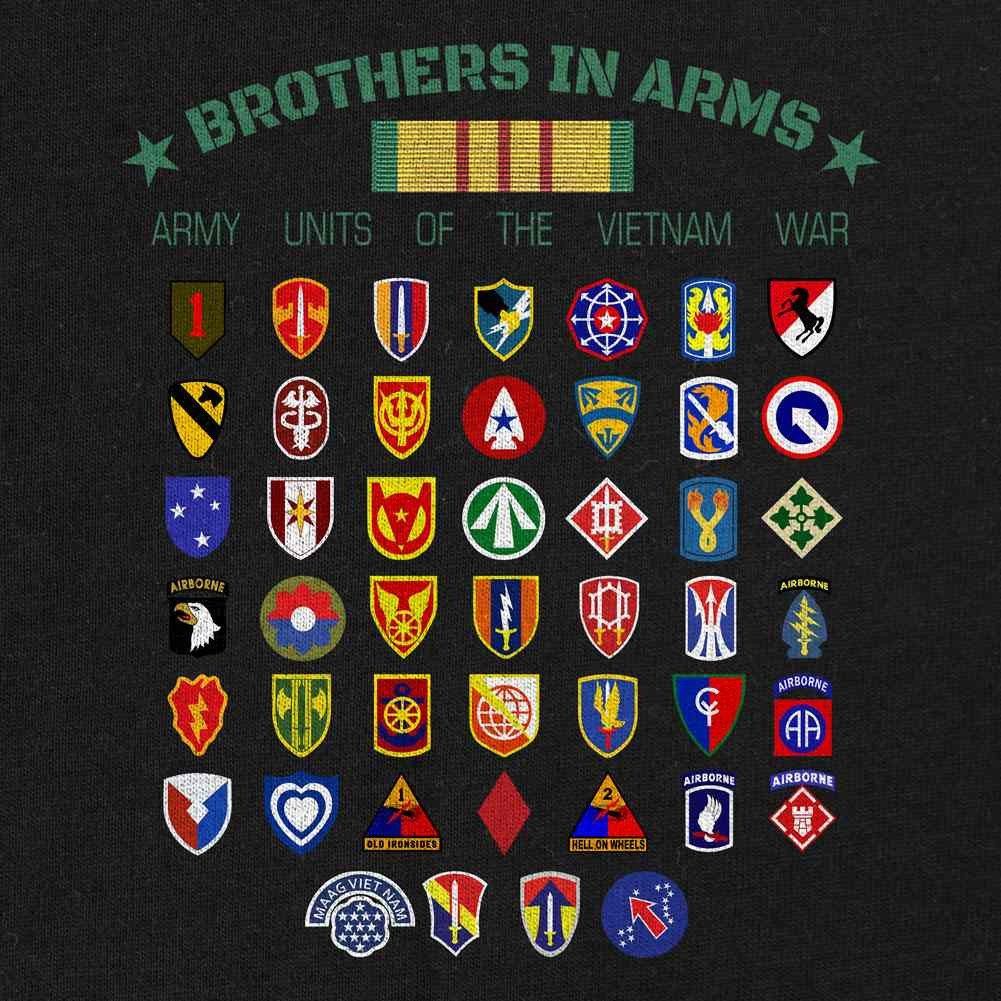
The Vietnam War remains one of the most complex and documented conflicts in human history. With over 2.7 million Americans serving within the borders of South Vietnam between 1964 and 1975, the sheer volume of personnel, logistics, and unit movements is staggering. For decades, researchers, veterans, and family members relied on fragmented paper trails, physical archives, and word-of-mouth to identify exactly which units served, where they were stationed, and what their specific missions entailed. However, the dawn of the digital age has revolutionized this search.
Today, the question of “what units served in Vietnam” is being answered not just by historians in dusty libraries, but by data scientists, software engineers, and AI specialists. Through sophisticated database management, machine learning, and geospatial mapping, the technological landscape is preserving the legacy of Vietnam service members with unprecedented precision.
The Digital Archive: Preserving the Legacy of Vietnam Units
The transition from physical record-keeping to digital infrastructure is the bedrock of modern military historical research. During the 1960s and 70s, unit records—including Morning Reports, Daily Logs, and After Action Reports (AARs)—were primarily captured on paper or microfiche. These documents are prone to decay and are notoriously difficult to search.
From Paper Trails to Structured Databases
The primary challenge in identifying Vietnam-era units lies in the fluidity of military structure. Units were frequently deactivated, reassigned, or split into smaller detachments. Modern database technology, specifically relational databases and SQL-driven architectures, has allowed organizations like the National Archives and Records Administration (NARA) to convert these millions of entries into searchable assets.
By employing high-resolution Optical Character Recognition (OCR), software can now scan handwritten or typed unit rosters and convert them into machine-readable text. This technological leap allows a user to input a specific unit designation—such as the “1st Cavalry Division” or the “11th Armored Cavalry Regiment”—and instantly retrieve every subordinate battalion and company associated with that unit during a specific timeframe.
The Role of Cloud Computing in Accessibility
In the past, accessing unit records required a physical visit to the National Personnel Records Center in St. Louis. Today, cloud-based platforms have democratized this information. Through large-scale data migration projects, veteran service organizations and private tech firms have moved terabytes of military data to the cloud. This ensures that the record of “what units served” is redundant, secure, and accessible from anywhere in the world, preventing the loss of history due to physical disasters, such as the infamous 1973 fire that destroyed millions of military personnel files.
AI and Machine Learning in Military Genealogy
As the volume of digitized data grows, the human capacity to analyze it becomes a bottleneck. This is where Artificial Intelligence (AI) and Machine Learning (ML) play a pivotal role. Identifying specific units often requires cross-referencing multiple disparate data sources: casualty lists, deployment orders, and even informal unit newsletters.
Pattern Recognition in Deployment Records
Machine learning algorithms are exceptionally good at identifying patterns across vast datasets. In the context of the Vietnam War, AI can be trained to recognize “unit signatures” within messy data. For example, if a veteran’s records are incomplete, an AI tool can analyze peripheral data—such as the date of a specific battle or the location of a field hospital—to predict which unit they likely belonged to.
By training models on known “Orders of Battle,” AI can help fill the gaps left by lost paperwork. This predictive analysis is crucial for researchers trying to reconstruct the movements of “ghost units” or specialized clandestine groups like MACV-SOG (Military Assistance Command, Vietnam – Studies and Observations Group), whose records were often classified or intentionally obscured.
Natural Language Processing (NLP) for Deciphering Battlefield Logs
After Action Reports (AARs) are rich with tactical data but are often written in military shorthand that is difficult for standard search engines to parse. Natural Language Processing (NLP) allows software to “read” these reports like a human would. NLP can extract unit names, locations (via UTM coordinates), and dates from thousands of pages of unstructured text.
This tech allows for the creation of a comprehensive “Unit Timeline.” Instead of just knowing that the 101st Airborne Division was in Vietnam, NLP-driven tools can pinpoint exactly which companies were engaged at the Battle of Hamburger Hill versus those stationed at Camp Eagle, providing a granular look at unit distribution that was previously impossible.
Mapping the Conflict: Geospatial Tech and Unit Tracking
One of the most significant advancements in identifying what units served in Vietnam is the application of Geographic Information Systems (GIS). Military history is inherently spatial, and understanding where a unit was is often just as important as knowing its designation.
GIS in Historical Reconstruction
GIS technology allows historians to overlay historical maps of South Vietnam with modern satellite imagery and topographical data. By digitizing the “UTM grid” system used by the military during the war, tech platforms can plot unit locations in real-time historical simulations.
For instance, if a user wants to know which units served in the I Corps region near the DMZ in 1968, GIS software can generate a heat map of unit activity. This visual data layer helps verify unit claims and provides a spatial context for the tactical decisions made by commanders on the ground. It transforms a static list of names into a dynamic, interactive map of service.
Visualizing Unit Movements with Interactive Chronologies
Interactive data visualization tools have changed how the public interacts with military history. Using frameworks like D3.js or specialized mapping software, developers have created interactive chronologies that show the “flow” of units into and out of the Vietnam theater.
Users can slide a time-bar from 1965 to 1973 and watch as the 1st Infantry Division arrives, operations like “Rolling Thunder” commence, and eventually, units are withdrawn during the “Vietnamization” phase. This high-level tech view provides a macro-perspective of the war’s scale, showing the massive buildup of the U.S. Army, Navy, Air Force, and Marines in a way that raw text never could.
The Human Element: Apps and Platforms for Veteran Connectivity
Beyond the official archives and academic research, technology has created a “living history” through social platforms and specialized apps designed for the veteran community. These tools serve as a crowd-sourced verification system for unit service.
Digital Social Networks for Unit Reconciliation
Platforms like TogetherWeServed and various unit-specific Facebook groups act as social databases. By using “search by unit” features, veterans can find others who served in the same platoon or company. These platforms often use API integrations with official military databases to verify service history.
When a veteran enters their service dates and unit (e.g., 4th Infantry Division, 2nd Battalion, 8th Infantry), the platform’s algorithm matches them with others who have the same data points. This tech-driven “unit reconciliation” has helped thousands of veterans confirm their service details for VA benefits and has helped researchers find eyewitnesses to fill in the “blank spots” of official history.
Blockchain and Secure Military Records
Looking toward the future, the use of blockchain technology is being explored to create immutable records of military service. By creating a decentralized ledger of unit assignments and deployments, the military could ensure that a veteran’s service history—including the specific units they served with in Vietnam—can never be tampered with or lost.
Blockchain offers a level of digital security that is particularly important for veterans dealing with sensitive or classified service records. It ensures that the question of “what units served” is answered with 100% data integrity, providing a permanent, unalterable digital monument to those who served.

Conclusion: The Future of Historical Data
Technology has fundamentally changed our ability to track and identify the units that served in Vietnam. What was once a daunting task of sorting through millions of physical files has become a streamlined digital process. Through the power of OCR, AI-driven analysis, GIS mapping, and secure social platforms, the legacy of every battalion, company, and platoon is being preserved for future generations.
As AI continues to evolve and more data is ingested into the global digital archive, our understanding of the Vietnam War will only deepen. We are no longer limited by what a single researcher can find in a box of papers; we are now empowered by a global network of data that honors the service of every unit by ensuring their story is never forgotten. Technology, in this sense, is more than just a tool—it is an act of digital remembrance.
aViewFromTheCave is a participant in the Amazon Services LLC Associates Program, an affiliate advertising program designed to provide a means for sites to earn advertising fees by advertising and linking to Amazon.com. Amazon, the Amazon logo, AmazonSupply, and the AmazonSupply logo are trademarks of Amazon.com, Inc. or its affiliates. As an Amazon Associate we earn affiliate commissions from qualifying purchases.