
In the rapidly expanding landscape of the global pet industry—a sector currently valued at over $250 billion—exotic reptiles have emerged as a significant asset class for both hobbyists and professional breeders. Among these, the bearded dragon (Pogona vitticeps) stands out as a “blue-chip” species due to its manageable temperament and consistent market demand. However, maintaining the health and valuation of these biological assets requires a sophisticated understanding of habitat management.
For the astute owner or commercial breeder, selecting a substrate is not merely a question of aesthetics; it is a critical financial decision. The choice of substrate impacts long-term operational costs, medical liability (veterinary expenses), and the overall “return on investment” (ROI) regarding the animal’s lifespan and reproductive viability. This article provides a comprehensive financial analysis of the best substrates for bearded dragons, evaluating them through the lenses of cost-effectiveness, risk mitigation, and market trends.
1. Capital Expenditure vs. Operational Expenses: A Comparative Analysis
When building a habitat, the initial capital expenditure (CAPEX) often blindsides new investors in the reptile space. Substrate, while seemingly a minor line item, represents a recurring operational expense (OPEX) that can fluctuate wildly depending on the material chosen.
Initial Outlay and the “Cheap Trap”
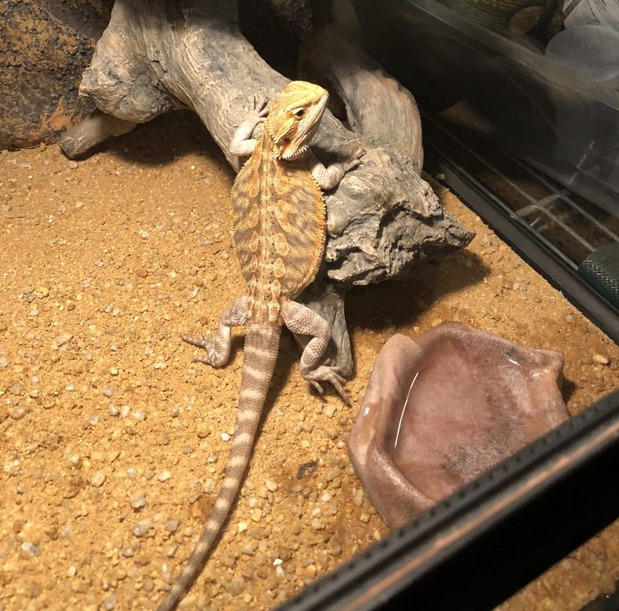
Many entry-level keepers gravitate toward loose sands or crushed walnut shells due to their low upfront price point. In the financial world, this is a classic “cheap trap.” While a bag of play sand may cost less than $10, the long-term costs associated with cleaning, replacement, and the risk of “asset loss” (the death of the animal) are disproportionately high. From a financial perspective, materials with a higher initial CAPEX, such as customized slate tile or high-grade PVC mats, offer a much more attractive internal rate of return (IRR) because they do not require monthly replacement.
Sustainable OPEX: The Case for Non-Particle Substrates
Non-particle substrates, such as slate tile, ceramic tile, or specialized reptile carpets (though the latter has seen declining favor), represent a one-time investment. A high-quality slate floor for a 120-gallon enclosure may cost $50 to $100. However, because these surfaces are non-porous and can be sanitized indefinitely, the recurring cost drops to near zero. Over a ten-year horizon—the typical lifespan of a well-cared-for dragon—the financial efficiency of tile far outstrips the cumulative cost of monthly sand replacements.
The Hybrid Model: Paper Towels and Liners
For those managing high-volume portfolios, such as quarantine facilities or large-scale breeding racks, paper towels or butcher paper serve as a high-liquidity, low-cost option. While they require frequent replacement (high labor OPEX), the unit cost is negligible. This model is often preferred in a “business” context where clinical hygiene and rapid turnover are more important than long-term habitat aesthetics.
2. Risk Management: Mitigating Medical Liability and Impaction Costs
In any financial venture, risk management is the cornerstone of sustainability. In herpetoculture, the primary risk associated with substrate is “impaction”—a gastrointestinal blockage caused by the accidental ingestion of loose substrate.
The Financial Impact of Veterinary Emergencies
The cost of an emergency reptilian surgery to resolve an impaction can range from $800 to $2,500, depending on the severity and geographic location. When compared to the $20 saved by choosing a loose substrate, the risk-to-reward ratio is fundamentally flawed. A professional approach to “what substrate is best” must prioritize risk-averse materials. Solid surfaces like tile or high-density linoleum eliminate the risk of impaction entirely, serving as a form of “self-insurance” against catastrophic medical bills.
Sanitation and Pathogen Control
The financial burden of a disease outbreak in a collection can be devastating. Loose substrates act as a “sink” for bacteria and parasites like coccidia. If a substrate cannot be fully sterilized, it becomes a liability. From a business finance perspective, the “best” substrate is one that minimizes the probability of a “total loss” event. Non-porous materials allow for industrial-grade disinfection, ensuring that the biological asset remains healthy and productive.
Assessing the Bio-Active Investment
A growing trend in the pet economy is the “bio-active” setup—a self-sustaining ecosystem involving live plants and micro-fauna (cleanup crews). While the initial setup cost of a bio-active substrate is the highest in the industry (often exceeding $300 for a single enclosure), it functions as a “long-term capital asset.” By creating a biological cycle that processes waste, the keeper reduces the labor costs associated with cleaning and the replacement costs of traditional bedding. For the high-net-worth hobbyist, this is a “luxury tier” investment that pays dividends in animal welfare and reduced daily maintenance.
3. Market Trends: The Rise of Premiumization and “Reptile Tech”
The pet industry is currently undergoing a “premiumization” phase, where owners are increasingly willing to spend more on high-quality, scientifically backed products. This shift has created a lucrative market for specialized substrate manufacturers.
The Move Away from Traditional Silica
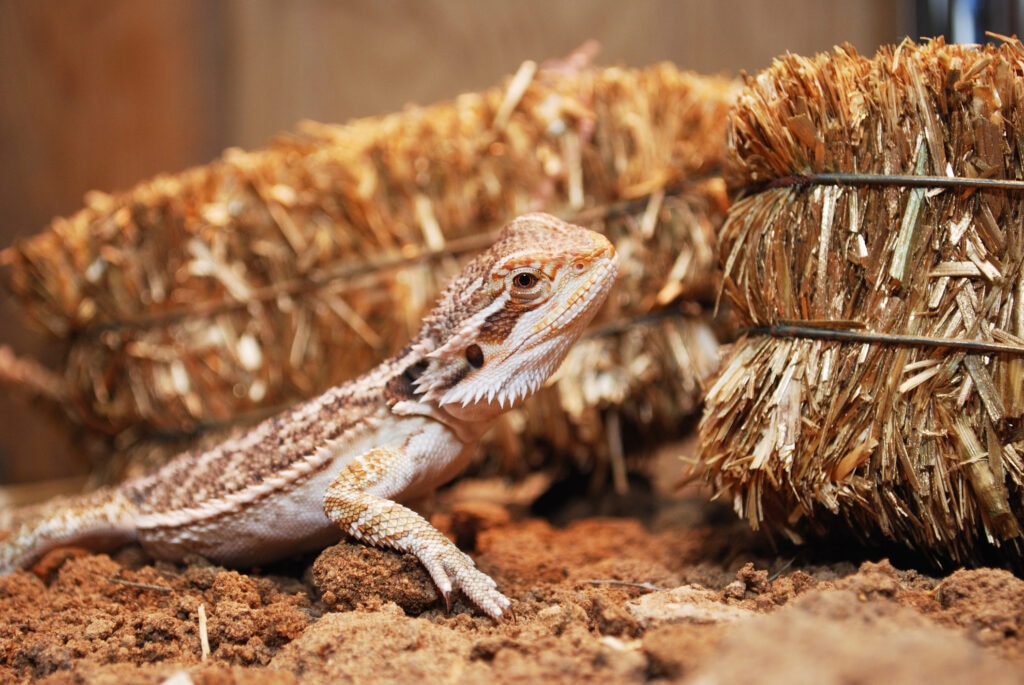
Market data suggests a declining market share for traditional silica-based sands. Consumers are becoming more educated about the respiratory and digestive risks associated with dusty, low-grade substrates. This has opened a vacuum for “premium” loose substrates, such as Australian Desert Sand or specialized clay mixes that mimic the natural hard-packed soil of the Outback. While these products carry a “prestige price,” they are marketed as a balance between naturalistic behavior and safety, targeting the mid-to-high-tier consumer demographic.
Integration with Smart Terrariums
As we see the rise of “Reptile Tech”—automated enclosures with IoT sensors—the substrate is increasingly viewed as a component of a larger technological system. Heat-conductive substrates like slate tile are being integrated with under-tank heating elements controlled by smart thermostats. This synergy allows for precise “thermal management,” which optimizes the animal’s metabolism and growth rates, thereby increasing the value of the specimen in a shorter timeframe.
Ethical Branding and Sustainable Sourcing
For businesses in the pet supply chain, “Brand Strategy” is now inextricably linked to sustainability. Substrates sourced from sustainable coconut husks or recycled materials are seeing higher growth rates than those perceived as environmentally damaging. Investors looking to enter the pet retail space should note that “Eco-Friendly” labeling on substrate packaging allows for a significant price premium, as modern “pet parents” prioritize ethical consumption alongside functionality.
4. Strategic Purchasing: Scaling for Professional Operations
For the professional breeder, the question of “what substrate is best” is answered by a spreadsheet. When managing 50 or 100 animals, the financial variables shift from individual welfare to scalable efficiency.
Bulk Acquisition and Wholesale Sourcing
The “Money” play for large-scale operations is the bulk acquisition of raw materials. Many top-tier breeders forgo “pet-branded” products entirely, sourcing slate or ceramic tiles from home improvement wholesalers or buying specialized liner materials in industrial rolls. By bypassing the retail markup, professional operations can maintain high standards of husbandry while protecting their profit margins.
Labor Costs as a Hidden Factor
In a professional setting, time is money. A substrate that requires 15 minutes to clean per week is significantly more expensive than one that takes 2 minutes. Tile or linoleum liners that can be wiped down instantly represent a massive saving in “man-hours” over the course of a fiscal year. When calculating the “Best” substrate, the breeder must include the hourly rate of labor in the total cost of ownership (TCO).
Depreciation and Replacement Cycles
All physical assets depreciate. Even “permanent” substrates like tile can crack, and liners can wear thin. A disciplined financial plan for a herpetological business includes a “sinking fund” for the periodic replacement of enclosure internals. By projecting a 3-to-5-year replacement cycle for liners or a 10-year cycle for tile, the business ensures it has the liquidity to maintain its infrastructure without sudden cash flow strains.

Conclusion: The Financial Bottom Line
When determining what substrate is best for a bearded dragon, the answer depends on your financial goals. If the objective is minimum risk and maximum ROI, high-quality slate tile is the undisputed champion. It offers a one-time CAPEX, zero recurring OPEX, and eliminates the risk of high-cost medical emergencies.
If the objective is scalability and hygiene for a commercial enterprise, paper-based liners or wholesale vinyl provide the necessary liquidity and low labor costs to maintain a healthy bottom line.
Finally, for the high-end collector looking to capitalize on the “premiumization” trend, bio-active systems represent a sophisticated, albeit expensive, long-term investment in biological stability.
In the world of exotic pet ownership, your choice of substrate is your first line of defense against financial loss. By treating your bearded dragon’s habitat as a managed asset, you ensure not only the health of the animal but the health of your wallet as well. Consistent, high-quality care is not just an ethical choice—it is a sound financial strategy.
aViewFromTheCave is a participant in the Amazon Services LLC Associates Program, an affiliate advertising program designed to provide a means for sites to earn advertising fees by advertising and linking to Amazon.com. Amazon, the Amazon logo, AmazonSupply, and the AmazonSupply logo are trademarks of Amazon.com, Inc. or its affiliates. As an Amazon Associate we earn affiliate commissions from qualifying purchases.