
The landscape of personal finance has undergone a seismic shift over the last decade. The days of carrying bulky leather wallets filled with paper currency and a dozen plastic credit cards are rapidly fading. In their place, the digital wallet has emerged as the primary tool for the modern consumer. Among these, Cash App—developed by Block, Inc.—has transitioned from a simple peer-to-peer (P2P) payment service into a robust financial ecosystem. For many users, the question “What stores accept Cash App?” is the first step toward fully integrating digital banking into their daily financial lives.
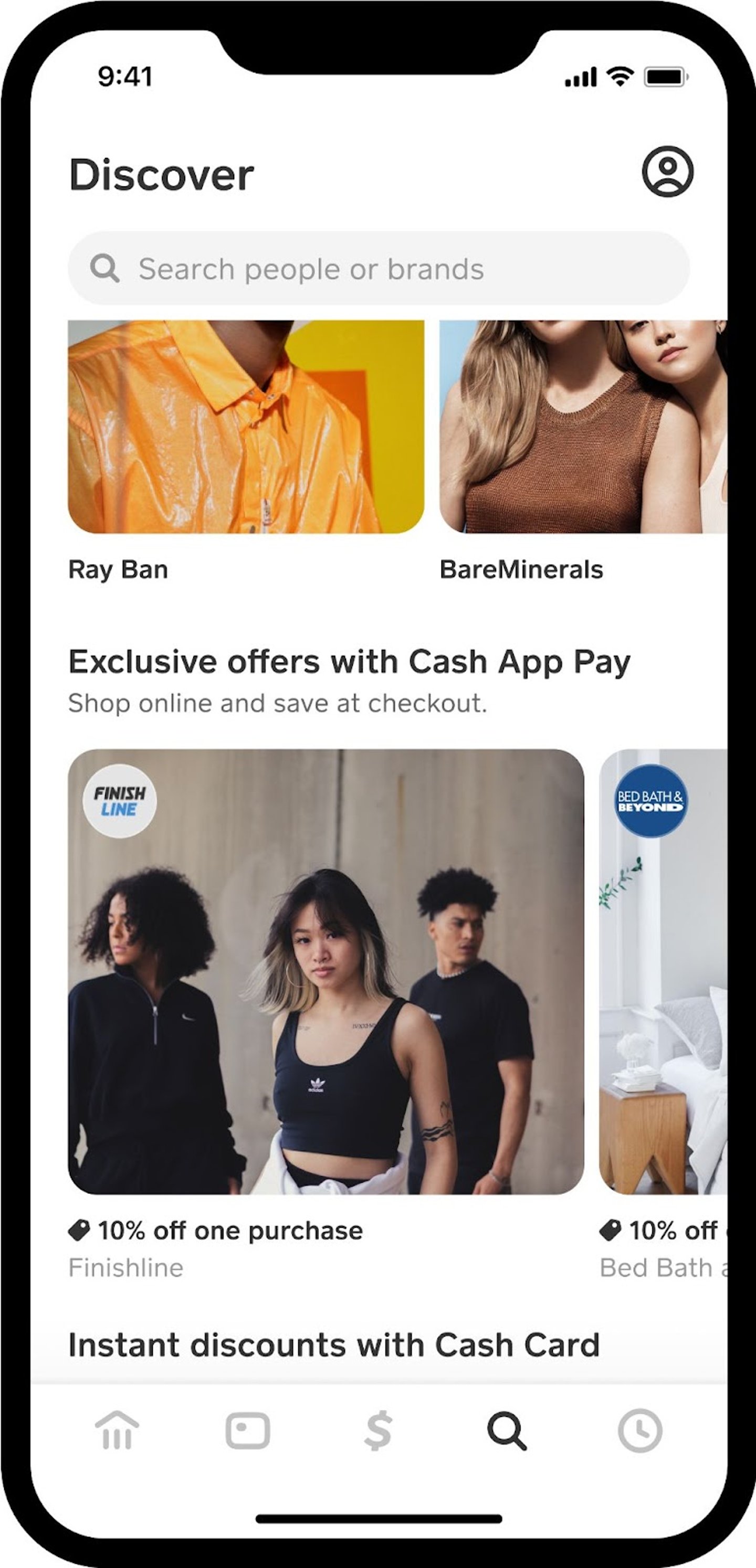
Understanding where and how you can spend your Cash App balance is essential for effective money management. It allows for a more streamlined approach to budgeting, provides access to unique savings opportunities, and offers a level of transaction transparency that traditional banks often lack. This guide explores the vast retail network compatible with Cash App and how to leverage this tool to optimize your personal finances.
The Evolution of Digital Wallets in Personal Finance
Before diving into specific retailers, it is important to understand the dual nature of Cash App’s payment system. Cash App operates through two primary mechanisms in the retail world: the physical (or virtual) Cash Card and the direct “Cash App Pay” feature.
Bridging the Gap Between Digital Assets and Physical Retail
The Cash Card is a customizable Visa debit card linked directly to your Cash App balance. Because it operates on the Visa network, the answer to “where is it accepted?” is virtually everywhere. Any brick-and-mortar store or online retailer that accepts Visa—which accounts for tens of millions of merchants globally—will accept your Cash App balance via the card. This bridge is what transformed Cash App from a tool for splitting dinner bills into a legitimate personal finance hub. It allows users to treat their digital balance as liquid capital, usable for everything from mortgage payments (where debit is accepted) to grocery runs.
The Role of the Cash Card in Expanding Accessibility
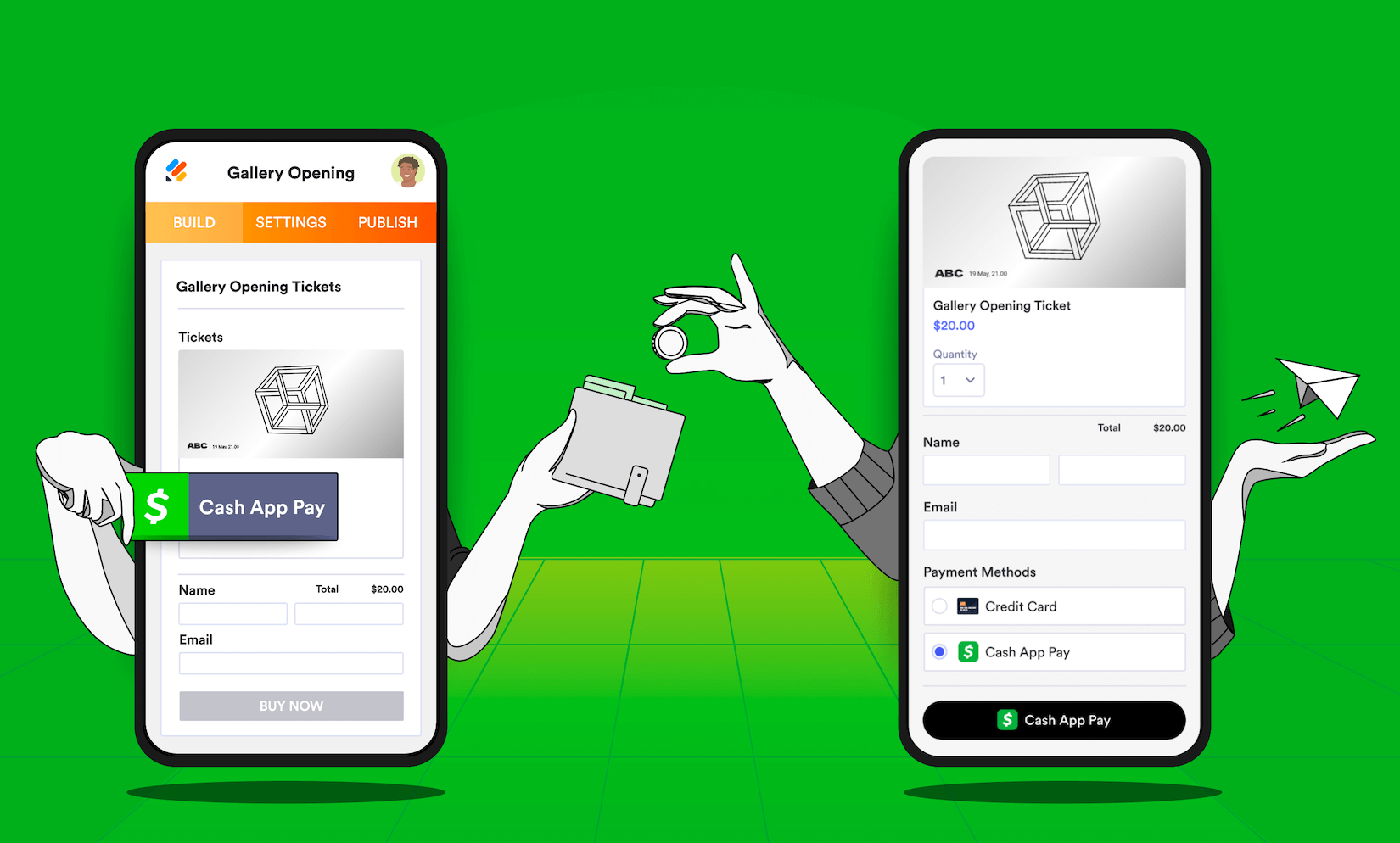
Beyond the physical card, the introduction of “Cash App Pay” has further modernized the retail experience. This feature allows users to scan a QR code at checkout or select Cash App as a payment method on e-commerce sites without needing to input card details. This method is not just about convenience; it is a security-first approach to money management. By using direct integration, you eliminate the risk of card skimming at physical terminals and reduce the footprint of your financial data online. For the budget-conscious consumer, this direct link provides an instantaneous update to their balance, preventing the “pending transaction” lag that often leads to accidental overspending in traditional banking.
Major Retailers and Brands Embracing Cash App Payments
While the Cash Card works everywhere, a growing list of major retailers has integrated direct Cash App payments or offers specific incentives for using the platform. Identifying these brands allows you to plan your spending around the most efficient financial channels.
Big-Box Retailers and Grocery Chains
The most common concern for Cash App users is whether they can use the app for essential daily spending. Major big-box retailers have leaned heavily into the digital wallet revolution.
- Walmart: While Walmart famously promotes its own “Walmart Pay,” users can easily use their Cash Card at any register. Furthermore, Cash App often features “Boosts” (instant discount rewards) specifically for grocery categories or major retailers like Walmart, making it a strategic choice for high-volume shopping.
- Target: Similar to Walmart, Target accepts the Cash Card at all POS terminals. For those who manage their “fun money” or weekly allowance through Cash App, Target remains one of the most frequented locations for digital wallet users.
- Grocery Chains: Regional giants like Kroger, Whole Foods, and Publix accept the Cash Card. By keeping a grocery-specific budget within Cash App, consumers can ensure they do not exceed their monthly food allotment, as the app provides immediate push notifications for every cent spent.
Fast Food and Casual Dining Integration
The food and beverage industry was among the first to adopt direct QR-based payments and Cash App integration. This sector is where Cash App truly shines as a lifestyle financial tool.
- Starbucks: Users can add their Cash Card to the Starbucks app to reload their rewards balance. Occasionally, Starbucks appears in the “Boost” section of Cash App, offering a percentage off every visit.
- Chick-fil-A and McDonald’s: These fast-food giants accept the Cash Card at the counter, in the drive-thru, and within their respective mobile apps.
- DoorDash and Uber Eats: For those who prefer the convenience of delivery, Cash App is a standard payment method. By linking the Cash Card, users can isolate their “dining out” expenses from their primary savings account, a classic “envelope system” budgeting technique modernized for the digital age.
Online Marketplaces and E-commerce Adoption
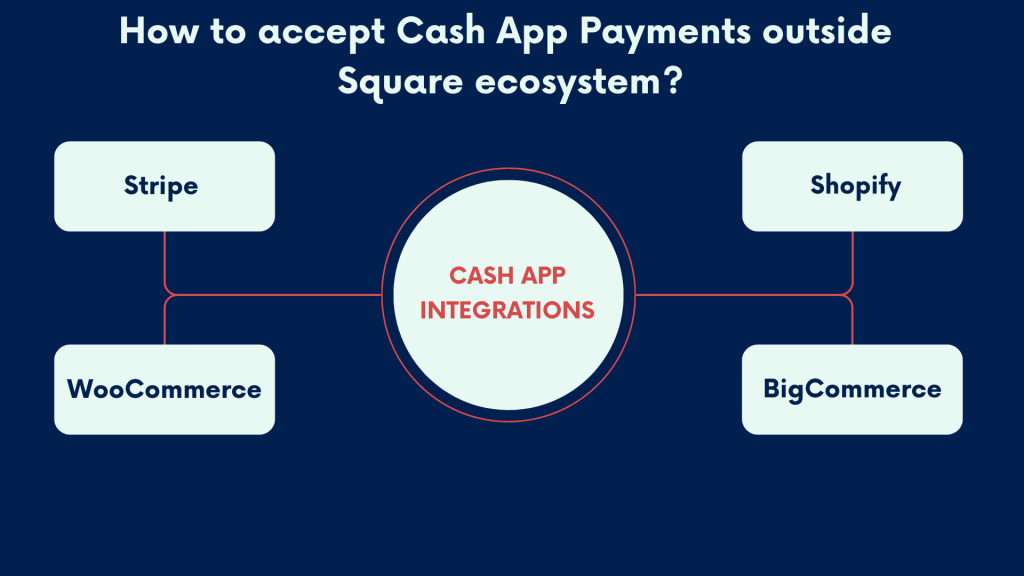
The digital-native nature of Cash App makes it a preferred tool for online shopping. E-commerce platforms have been quick to integrate “Cash App Pay” to reduce cart abandonment and provide a smoother checkout experience.
- Amazon: While Amazon does not currently support direct QR “Cash App Pay” at the checkout screen, the Cash Card is accepted as a standard debit card. This allows users to utilize their Cash App balance for the world’s largest selection of goods.
- StockX and GOAT: These popular secondary marketplaces for sneakers and luxury goods have integrated direct Cash App payments, appealing to a younger, tech-savvy demographic that views Cash App as their primary financial institution.
- Lululemon and JD Sports: These retailers are among the many that have partnered with Block, Inc. to allow seamless direct payments, often accompanied by exclusive promotional offers for Cash App users.
Maximizing Financial Benefits Through Cash App “Boosts”
One of the most significant advantages of knowing which stores accept Cash App is the ability to utilize “Boosts.” These are instant rewards that function like digital coupons but are applied automatically at the point of sale.
Strategic Spending with Instant Cashback
Unlike traditional credit card rewards that require you to accumulate points over months and redeem them through a complex portal, Cash App Boosts are applied instantly to your balance. For example, if you have a “10% off at any coffee shop” Boost activated, and you spend $5.00, only $4.50 is actually deducted from your balance.
For the financially savvy, this is a powerful tool for arbitrage. By identifying which stores accept Cash App and checking available Boosts before shopping, you can effectively lower the cost of living. Common Boosts include discounts at gas stations, grocery stores, and even specific retailers like Home Depot or Adidas. Using these strategically can result in hundreds of dollars in annual savings.
Optimizing Household Budgets via Digital Discounts
The key to personal finance is not just how much you earn, but how much you keep. Cash App’s interface allows you to see these savings in real-time. This creates a positive feedback loop for the user. When you see a $5 “Boost” applied to a grocery bill, it reinforces the habit of mindful spending. Many users find success by “funding” their Cash App with a set amount of discretionary income each week. By spending only at stores that accept the card and offer Boosts, they stretch that discretionary income further than they could with a standard bank debit card.
Security and Practicality in the Modern Cashless Economy
As we move toward a more digital-centric economy, the security of our financial tools becomes paramount. Using Cash App at various retailers offers several layers of protection that traditional banking might not emphasize.
Protecting Your Balance During Retail Transactions
One of the best security features for those using Cash App at retail stores is the “Lock Card” toggle. Within the app, you can instantly disable your Cash Card. Many users keep their card locked by default and only unlock it via biometric authentication (FaceID or fingerprint) seconds before they swipe at a register. This virtually eliminates the risk of unauthorized charges if the card is lost or stolen. In an era where data breaches at major retailers are common, this level of granular control is a significant upgrade for personal financial security.
Managing Daily Spending Limits and Peer-to-Peer Transfers
Cash App also provides clear insights into spending velocity. For individuals who struggle with impulsive spending, the app allows you to set limits or simply monitor your “Activity” feed to see exactly where your money is going. Furthermore, the ability to receive a direct deposit from an employer directly into Cash App—often up to two days early—means that your retail spending power is available sooner.
When shopping with friends, the integration of P2P transfers allows for seamless bill splitting at the register. If one person pays the full bill at a store that accepts Cash App, others can “Settle Up” instantly, ensuring that no one is left carrying the financial burden of a group outing. This social aspect of finance, combined with broad retail acceptance, makes Cash App a versatile tool for the modern consumer.
In conclusion, the question of “what stores accept Cash App” is answered by the immense reach of the Visa network and the growing list of direct “Cash App Pay” partners. From daily essentials at Walmart to luxury purchases on StockX, the platform offers a comprehensive solution for managing and spending money. By combining the convenience of the Cash Card with the strategic use of Boosts and the security of app-based controls, users can transform their retail experience into a masterclass in modern personal finance.
aViewFromTheCave is a participant in the Amazon Services LLC Associates Program, an affiliate advertising program designed to provide a means for sites to earn advertising fees by advertising and linking to Amazon.com. Amazon, the Amazon logo, AmazonSupply, and the AmazonSupply logo are trademarks of Amazon.com, Inc. or its affiliates. As an Amazon Associate we earn affiliate commissions from qualifying purchases.