
In the modern marketplace, the question of “what material is best for sheets” has evolved from a simple matter of tactile preference into a sophisticated pillar of brand strategy. For home goods retailers, luxury startups, and direct-to-consumer (DTC) giants, the choice of textile is not merely a manufacturing decision; it is the foundation of their corporate identity and market positioning.
As consumers move away from legacy metrics like “thread count”—which has largely been debunked as a marketing gimmick—brands are now competing on the merits of material science, sustainability narratives, and lifestyle alignment. Whether a brand chooses long-staple cotton, eucalyptus-derived Tencel, or artisanal linen determines its price point, its target demographic, and its long-term brand equity. This article explores how material selection serves as the ultimate branding tool in the hyper-competitive bedding industry.
The Psychology of Fabric: Building Brand Identity through Material Selection
Every material carries an inherent psychological weight. When a brand decides on a primary fabric, they are choosing the “character” of their company. This alignment between material and identity is the first step in building a cohesive brand strategy that resonates with specific consumer segments.
Cotton: The Classic Pillar of Reliability and Heritage
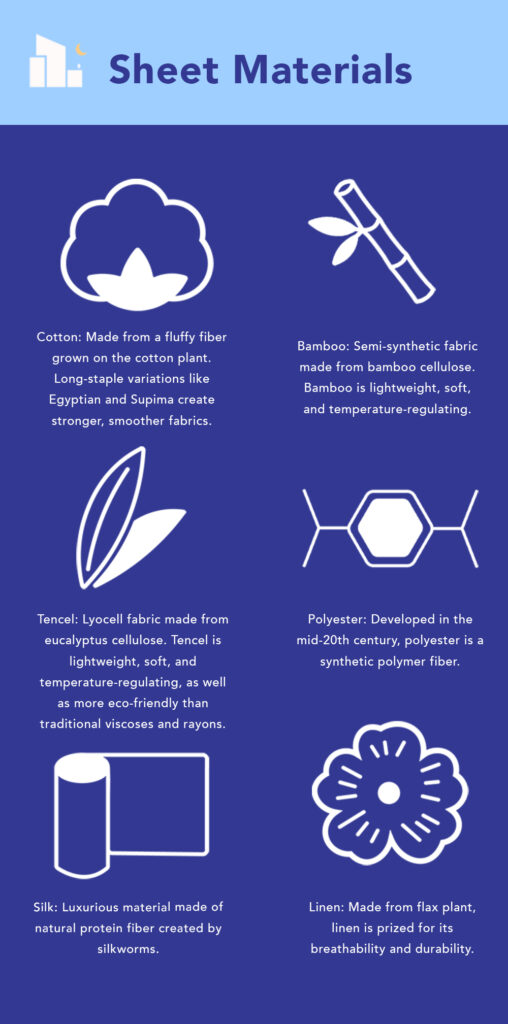
Long-staple and extra-long-staple (ELS) cottons, such as Egyptian or Pima, remain the gold standard for brands aiming to project an image of timeless luxury and reliability. For a brand, “100% Cotton” is a shorthand for quality that requires little explanation. Heritage brands leverage the geographic prestige of Egyptian cotton to command premium pricing. By focusing on the durability and “crispness” of percale or the “sheen” of sateen, these brands position themselves as the safe, high-end choice for the traditionalist consumer who values longevity over trends.
Silk and Sateen: Crafting the Luxury and Wellness Persona
Brands that focus on silk or high-end sateen weaves are rarely just selling sheets; they are selling a beauty and wellness regimen. The branding here pivots toward the “anti-aging” and “hair-care” benefits of the material. By selecting silk, a brand enters the luxury wellness niche, appealing to a demographic willing to pay a premium for self-care. The marketing narrative shifts from “sleep utility” to “restorative indulgence,” allowing the brand to occupy a space closer to high-end cosmetics than traditional furniture.
Linen: The Artisanal and “Perfectly Imperfect” Aesthetic
Linen has become the darling of the “Boho-Chic” and “Quiet Luxury” brand movements. Because linen is derived from the flax plant and features a natural texture, brands use it to project an image of effortless sophistication and sustainability. A linen-focused brand targets the consumer who rejects the “stiff” hospitality look in favor of a lived-in, organic home environment. The branding strategy here often emphasizes European craftsmanship (e.g., “French Flax”), reinforcing a narrative of European heritage and eco-friendliness.
Sustainability as a Brand Value: The Rise of Bamboo and Tencel
In the current era of conscious consumerism, a brand’s environmental footprint is often as important as the product itself. The shift toward “cooling” and “eco-friendly” materials like Bamboo and Tencel (Lyocell) represents a strategic move to capture the millennial and Gen Z market segments.
Eco-Consciousness as a Competitive Advantage
For newer brands looking to disrupt the market, traditional cotton is often framed as a “thirsty” and pesticide-heavy crop. By selecting Bamboo or Tencel, a brand immediately adopts an “eco-warrior” persona. Tencel, produced by the company Lenzing, allows brands to piggyback on an established reputation for closed-loop manufacturing. This material choice becomes the brand’s Unique Selling Proposition (USP), allowing them to market to the environmentally anxious consumer who wants comfort without the carbon footprint.

The Narrative of Performance: Moisture-Wicking and Cooling Tech
Material selection also dictates a brand’s “performance” identity. Bamboo and eucalyptus fibers are naturally more breathable and moisture-wicking than cotton. Brands like Buffy or Sheets & Giggles have built their entire corporate identity around the “cooling” aspect of these materials. In this niche, the branding is less about luxury and more about problem-solving. By identifying a common pain point—”night sweats”—and positioning a specific material as the technological solution, these brands create high levels of customer loyalty and specific market differentiation.
The Direct-to-Consumer Revolution: How Brands Sell “Comfort” Online
The rise of DTC brands like Brooklinen, Parachute, and Casper has fundamentally changed how we answer the question of which material is best. These companies realized that the sheer volume of choices in traditional department stores created “decision paralysis.” Their brand strategy was built on simplification and education.
Content Marketing and the Material Education Funnel
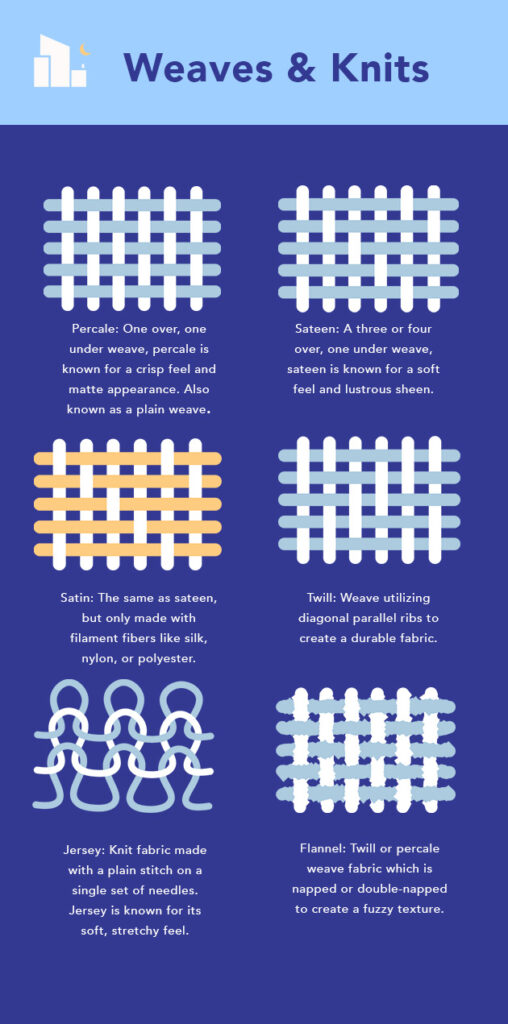
A key component of modern branding in the bedding space is “The Guide.” Successful brands invest heavily in content that explains the difference between weaves (Percale vs. Sateen) and fibers (Linen vs. Cotton). By becoming an educational authority, the brand builds trust. When a consumer searches for “what material is best for sheets,” and finds a comprehensive, well-designed guide by a specific brand, that brand becomes the default expert. The material isn’t just a product; it’s a curriculum that leads the customer toward a purchase.
Case Study: The “Perfect Sheet” Marketing Loop
DTC brands often use a “limited-choice” strategy to strengthen their brand identity. Instead of offering fifty different materials, they might offer three: “The Classic” (Percale), “The Luxe” (Sateen), and “The Relaxed” (Linen). This categorizes the material types into lifestyle personas. The brand’s message becomes: “We have already tested everything and found the best versions so you don’t have to.” This positions the brand as a curator rather than just a manufacturer, adding a layer of perceived value that justifies a higher price point.
Future-Proofing the Brand: Material Innovation and Market Longevity
As the market becomes saturated with cotton and bamboo, forward-thinking brands are looking toward material innovation to maintain their competitive edge. The “best” material for a brand tomorrow might be one that doesn’t even exist in the mainstream today.
Investing in Proprietary Blends
To avoid being “commoditized,” some brands are moving away from generic materials to proprietary blends. By mixing materials—such as cotton infused with silver for anti-microbial properties or copper-infused fabrics for inflammation—brands can trademark their materials. This creates a “moat” around the brand; if the consumer likes the specific feel of a proprietary blend, they cannot find it anywhere else. This strategy shifts the brand from being a reseller of textiles to a technology company focused on sleep science.
Transparency and the Ethical Supply Chain
In a globalized economy, the “best” material is increasingly defined by its origin. Brands that can trace their cotton back to a specific farm or their silk to an ethical cooperative use transparency as a branding pillar. Labels like GOTS (Global Organic Textile Standard) and OEKO-TEX have become essential brand badges. For a luxury brand, the material is the proof of their ethics. By choosing GOTS-certified organic cotton, a brand signals to its high-net-worth audience that it values social responsibility as much as comfort.
Conclusion: The Strategic Intersection of Fabric and Business
Ultimately, the question of “what material is best for sheets” has no single answer in the world of branding. The “best” material is the one that most accurately reflects the brand’s promise to its customers. For a budget-friendly brand, microfiber or basic cotton might be “best” because it fulfills the promise of affordability and easy care. For a high-end disruptor, European linen or Tencel might be “best” because it aligns with a narrative of sustainability and aesthetic superiority.
In the bedding industry, the material is the message. It dictates the visual language of the marketing, the tone of the social media presence, and the demographic of the customer base. As consumers become more educated and discerning, the brands that thrive will be those that don’t just sell a fabric, but a deep, material-driven story about how we live, how we sleep, and what we value. By strategically selecting and marketing their materials, companies can transform a commodity—bedsheets—into a powerful, lifestyle-defining brand.
aViewFromTheCave is a participant in the Amazon Services LLC Associates Program, an affiliate advertising program designed to provide a means for sites to earn advertising fees by advertising and linking to Amazon.com. Amazon, the Amazon logo, AmazonSupply, and the AmazonSupply logo are trademarks of Amazon.com, Inc. or its affiliates. As an Amazon Associate we earn affiliate commissions from qualifying purchases.