
In the landscape of global branding, few entities are as compelling as those that emerge not from a boardroom, but from the organic fusion of history, geography, and community. Yat Gaw Mein—often phonetically adapted as “Yakamein” in the American South—is more than just a noodle soup. To the brand strategist, it represents a profound case study in cultural intellectual property, regional market dominance, and the power of narrative-driven identity.
While the literal translation refers to a dish of wheat noodles, beef, and a hard-boiled egg in a savory broth, the “brand” of Yat Gaw Mein is a complex tapestry woven between Cantonese heritage and the soul of New Orleans. This article explores how a simple dish transformed into a resilient brand icon, offering invaluable lessons for modern brand architects and marketers.
The Anatomy of a Heritage Brand: From Silk Road Origins to New Orleans Mainstays
Every successful brand requires a foundation—a “heritage story” that provides authenticity and trust. For Yat Gaw Mein, this foundation is rooted in the mid-19th century, during a period of significant migration and cultural exchange.
Historical Roots as a Foundation for Brand Storytelling
In branding, “heritage” acts as a moat. It is an asset that cannot be replicated by new market entrants. Yat Gaw Mein’s origins trace back to Cantonese immigrants who arrived in the United States, bringing with them the “Yat Ka Mein” (literally “one order of noodles”) concept. This wasn’t just a product; it was a mobile, affordable, and nourishing solution for a working-class demographic.
By analyzing the historical trajectory of the dish, we see the first pillar of brand building: Functionality. Before a brand can become an icon, it must solve a problem. In the bustling ports of New Orleans and the neighborhoods of the African American community, Yat Gaw Mein solved the need for high-protein, low-cost sustenance. This functional reliability laid the groundwork for the emotional loyalty that would follow.
The Fusion of Cultures: Building a Unique Value Proposition
A Unique Value Proposition (UVP) is what separates a brand from its competitors. Yat Gaw Mein’s UVP lies in its “Creolization.” It is neither purely Chinese nor purely Southern; it is a hybrid. The inclusion of Creole spices, Worcestershire sauce, and Cajun seasoning into a traditional noodle base created a flavor profile that belonged to no one else.
From a strategic perspective, this is a lesson in Market Positioning. By blending two distinct cultural “brand languages,” Yat Gaw Mein carved out a niche that was too specific for large-scale commercial chains to colonize but broad enough to capture a diverse local audience. It became a symbol of intersectionality long before the term entered the marketing lexicon.
The “Yakamein” Effect: Branding through Cultural Authenticity
In the modern era, “authenticity” is often a buzzword used to mask artificiality. However, the brand of Yakamein (the New Orleans evolution of Yat Gaw Mein) maintains its status through a decentralized yet fiercely loyal community network.
Community-Led Marketing and Grassroots Recognition
Yat Gaw Mein did not grow through billboard campaigns or digital ads; it grew through Brand Advocacy. In New Orleans, the dish is inextricably linked to “Second Line” parades and neighborhood bars. It is often referred to by its colloquial brand name, “Old Sober,” due to its legendary reputation as a hangover cure.
This “Old Sober” moniker is a masterstroke of organic branding. It gives the product a specific “Use Case”—recovery and revitalization. When a brand becomes the go-to solution for a specific human condition (in this case, the aftermath of celebration), it achieves a level of market penetration that traditional advertising cannot buy. It moves from being a “choice” to being a “ritual.”
Creating Emotional Resonance through Regional Identity
Successful brands evoke an emotional response. For the people of the Gulf Coast, Yat Gaw Mein evokes home, resilience, and tradition. This is known as Brand Equity. The value of the name “Yat Gaw Mein” is tied to the collective memory of the community.

In marketing terms, this is “High-Context” branding. The product doesn’t need to explain itself to its core audience because the brand story is already baked into the local culture. For outsiders, the mystery of the dish becomes a “Discovery Brand” experience—the feeling that one has found a hidden gem, which further increases the brand’s perceived value and social currency.
Strategic Adaptation: How Culinary Brands Scale Without Losing Soul
One of the greatest challenges in brand strategy is scaling a local or niche identity for a global or digital audience. Yat Gaw Mein provides a roadmap for how to modernize without alienating the core base.
Navigating Commercialization vs. Authenticity
As Yat Gaw Mein gained national attention—thanks to features on major food networks and culinary documentaries—the brand faced a fork in the road. Should it be standardized for mass production, or should it remain an artisanal, local secret?
The most successful iterations of the brand have chosen a “Boutique Scaling” model. Figures like Ms. Linda Green, known globally as the “Ya-Ka-Mein Lady,” have effectively become the face of the brand. By centering the brand around a charismatic personality (Personal Branding), the “Yat Gaw Mein” identity remains humanized and authentic, even as it moves into high-end festivals and international television.
The Role of Digital Media in Modernizing Legacy Brands
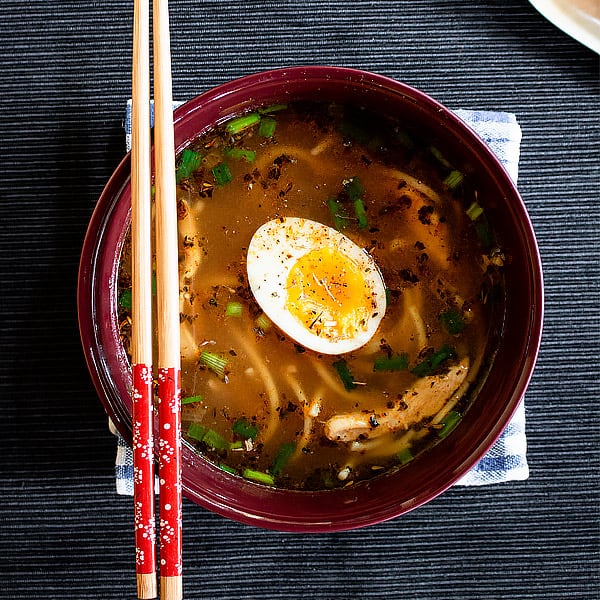
The digital age has allowed the Yat Gaw Mein brand to transcend physical geography. Social media platforms have turned a local soup into a visual trend. However, the branding remains consistent. The “visual identity” of the dish—the steam rising from a styrofoam cup, the bright yellow of the egg, and the dark, rich broth—has become a recognizable aesthetic.
Content creators and brand influencers have played a pivotal role in this. By documenting the “experience” of eating Yat Gaw Mein, they are performing a digital version of word-of-mouth marketing. For a brand strategist, this highlights the importance of User-Generated Content (UGC). When the customers become the storytellers, the brand gains a level of credibility that corporate messaging can never achieve.
Lessons for Modern Brand Architects: Applying the Yat Gaw Mein Framework
What can a tech startup or a luxury fashion house learn from a 150-year-old noodle dish? The principles of Yat Gaw Mein’s success are universal.
Consistency in a Fragmented Market
Despite the countless variations of the recipe, the core “Brand Promise” of Yat Gaw Mein remains the same: it will be savory, it will be filling, and it will be comforting. In a market where consumers are overwhelmed by choice, Consistency is a premium asset.
Brands that survive the test of time are those that do not chase every passing trend. Yat Gaw Mein didn’t try to become “fusion tacos” or “molecular foam” when those trends peaked; it stayed true to its core identity. This “Brand Discipline” ensures that when a consumer returns to the brand after five or ten years, the experience remains familiar.
Leveraging Scarcity and Exclusivity in Brand Positioning
Part of the allure of the Yat Gaw Mein brand is its perceived scarcity. You cannot find authentic Yakamein in a suburban mall in the Midwest. You have to go to the source, or find a specific purveyor who knows the secrets of the broth.
In luxury branding, this is known as Controlled Distribution. By not being everywhere, the brand becomes more desirable. It transforms the act of consumption into an “Event.” For modern brands, this suggests that “ubiquity” isn’t always the goal. Sometimes, being the best-kept secret in a specific niche is a more sustainable and profitable brand strategy than attempting to appeal to everyone.

Conclusion: The Future of the Yat Gaw Mein Brand
As we look toward the future, the brand of Yat Gaw Mein stands as a testament to the power of cultural resilience. It is a brand that was built from the bottom up, fueled by migration, adapted through necessity, and preserved through community pride.
For brand managers and strategists, the takeaway is clear: A brand is not just a logo or a color palette. A brand is a living history. It is the intersection of a product’s function and a community’s story. Whether you are building a software platform or a lifestyle label, the “Yat Gaw Mein” method—authenticity, niche positioning, and emotional resonance—remains the gold standard for creating a brand that doesn’t just sell, but lasts.
aViewFromTheCave is a participant in the Amazon Services LLC Associates Program, an affiliate advertising program designed to provide a means for sites to earn advertising fees by advertising and linking to Amazon.com. Amazon, the Amazon logo, AmazonSupply, and the AmazonSupply logo are trademarks of Amazon.com, Inc. or its affiliates. As an Amazon Associate we earn affiliate commissions from qualifying purchases.