
In the modern landscape of diagnostic medicine, the intersection of biology and technology has birthed a new era of efficiency. One of the most common yet technologically sophisticated examples of this synergy is the “TSH with Reflex to Free T4” protocol. While it may sound like a purely medical term, it represents a significant advancement in healthtech automation, algorithmic decision-making, and laboratory information systems (LIS).
At its core, this testing protocol is a software-driven logic gate designed to streamline diagnostic workflows. By leveraging automated “reflex” technology, laboratories are able to provide faster, more accurate results while minimizing unnecessary data processing. To understand the significance of this, we must dive into the tech stack that makes modern diagnostics possible and explore how algorithmic logic is revolutionizing patient outcomes.
1. The Logic of Automation: How “Reflex” Testing Functions as Software
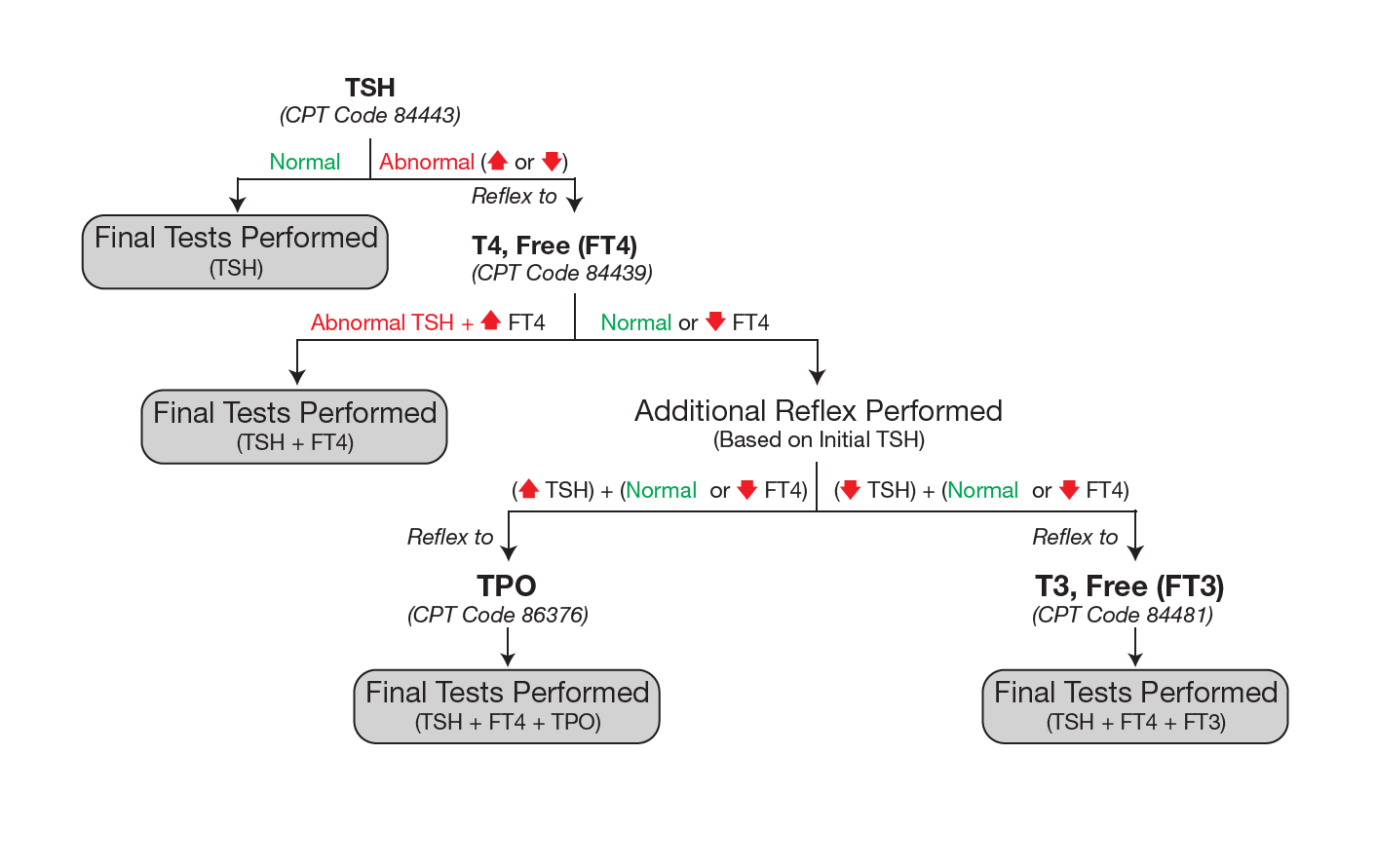
The term “reflex” in clinical diagnostics is essentially the medical equivalent of a “If-Then” statement in programming. In traditional testing, a physician might order a series of individual tests, wait for the results, and then manually order follow-up tests based on those findings. This manual process is prone to latency and human error.
The Boolean Logic of Thyroid Screening
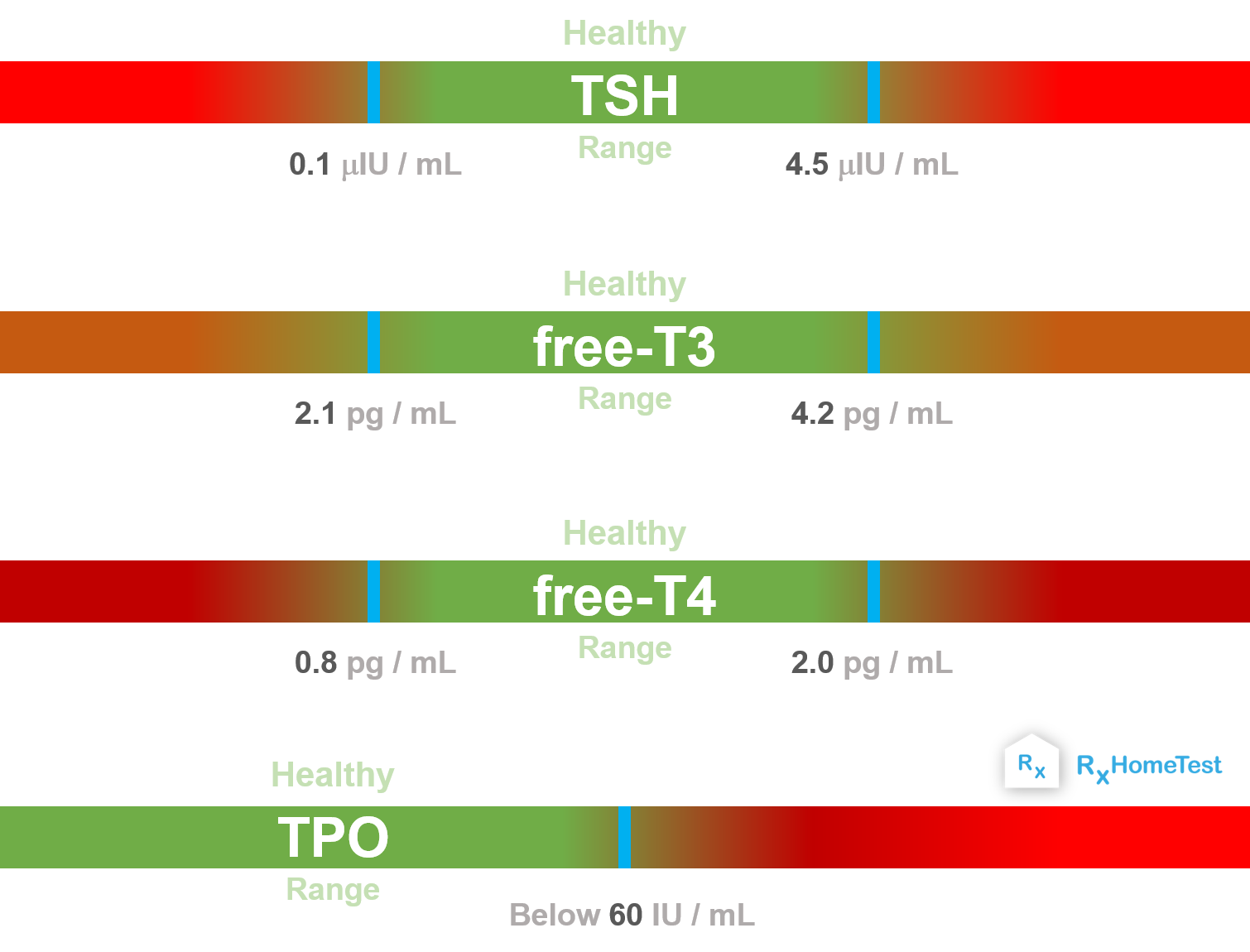
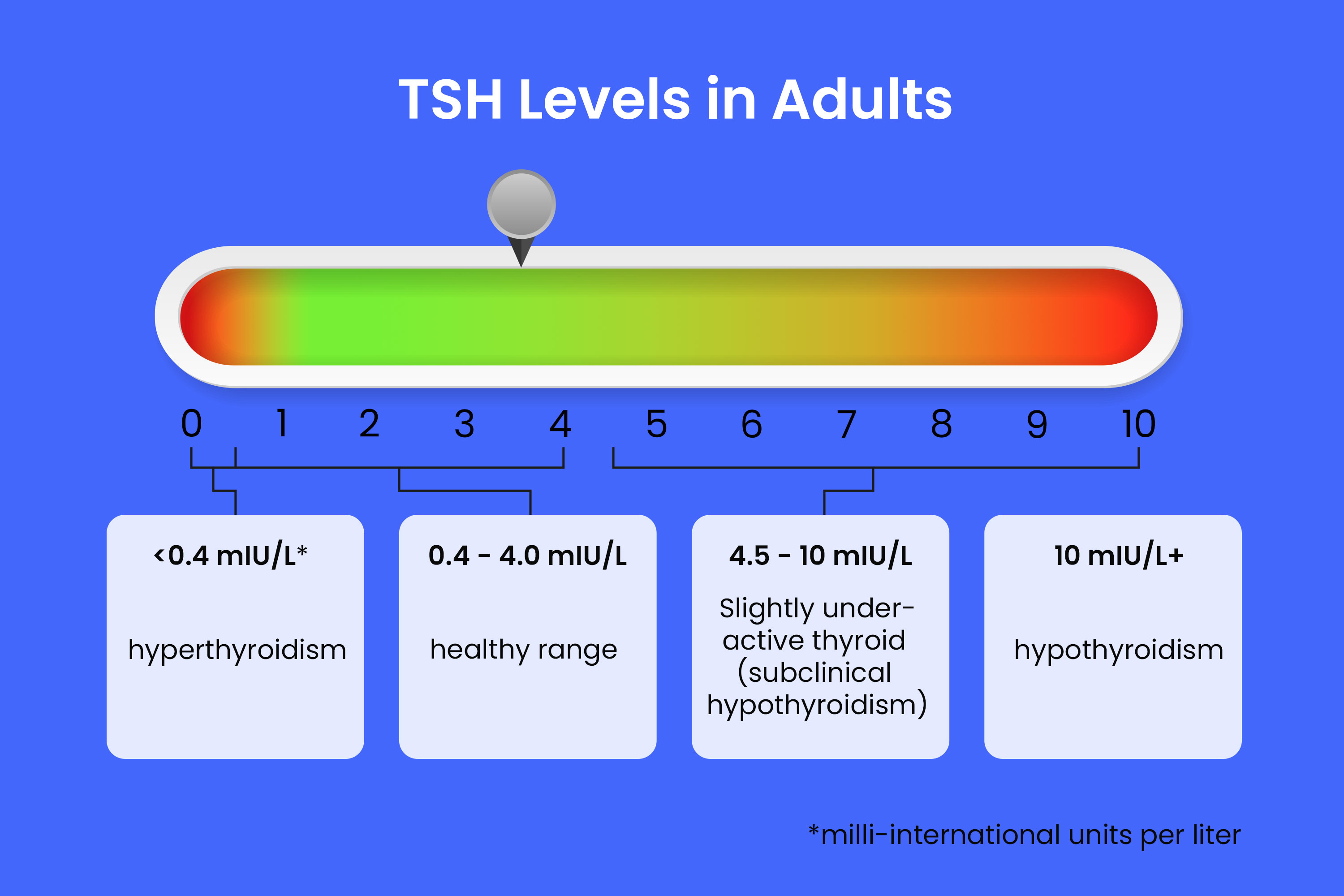
In a “TSH with Reflex to Free T4” setup, the laboratory software (the LIS) is programmed with a specific set of parameters. The initial test—Thyroid Stimulating Hormone (TSH)—is performed first. If the TSH level falls within a pre-defined “normal” range, the workflow terminates, and the result is pushed to the Electronic Health Record (EHR).
However, if the TSH result is “out of range” (either too high or too low), the system triggers a “reflex” action. Without requiring a human operator to intervene or a doctor to place a second order, the software automatically instructs the diagnostic hardware to perform a secondary test: Free T4 (Thyroxine). This is a classic example of automated triage, where software logic optimizes resource allocation.
Reducing Computational and Human Latency
By automating this decision-making process, the tech reduces the “turnaround time” (TAT). In the world of high-volume diagnostics, latency is the enemy. By embedding the decision-making logic directly into the testing protocol, laboratories can deliver a complete diagnostic picture in a single testing cycle, rather than two. This efficiency is a hallmark of the digital transformation currently sweeping through clinical pathology.
2. Lab Information Systems (LIS) and the Diagnostic Tech Stack
Behind every TSH reflex test is a complex architecture of hardware and software. The Lab Information System (LIS) serves as the operating system for the entire facility, managing everything from sample tracking to result validation.
Integration and Interoperability
A modern LIS must communicate seamlessly with various pieces of hardware, such as immunoassay analyzers, through standardized protocols like HL7 (Health Level Seven). When a sample is loaded into the machine, its barcode is scanned, and the LIS provides the specific “instructions” for that sample.
For a TSH w/ Reflex test, the LIS monitors the data stream coming off the analyzer. If the data meets the reflex criteria, the LIS updates the sample’s instruction set in real-time. This level of interoperability between disparate hardware and software platforms is what enables the “reflex” to occur without manual data entry.
Middleware: The Intelligent Buffer
In many advanced diagnostic setups, there is a layer of “middleware” between the analyzer and the LIS. This middleware acts as an intelligent buffer that can apply complex rules engines to data before it is ever sent to the main database. This software layer allows lab directors to customize reflex thresholds based on the latest clinical guidelines or specific patient demographics, essentially allowing for “programmable medicine.”
3. The Role of AI and Machine Learning in Reflexive Diagnostics
While current reflex protocols are largely based on static “If-Then” logic, the industry is rapidly moving toward AI-enhanced diagnostics. The TSH w/ Reflex protocol is the precursor to much more complex, machine-learning-driven diagnostic models.
Predictive Analytics and Pattern Recognition
Advanced healthtech companies are now experimenting with integrating AI into the reflex process. Instead of waiting for a TSH level to exceed a hard threshold, AI models can look at historical data, patient trends, and multiple variables simultaneously. For instance, a machine learning model might trigger a reflex test even if the TSH is technically “normal” but shows a specific pattern of change over time that suggests early-onset dysfunction.
Data Synthesis and Holistic Insights
The future of thyroid diagnostics lies in the ability of AI to synthesize “big data” from thousands of similar cases. By analyzing the outcomes of TSH w/ Reflex tests across millions of patients, developers can refine the algorithms to be more precise, reducing “false reflex” triggers that lead to unnecessary testing and higher costs. This evolution from static logic to dynamic AI is the current frontier of laboratory technology.
4. Cybersecurity and Data Privacy in Automated Testing
As diagnostic testing becomes more automated and data-driven, the security of that data becomes paramount. A “TSH with Reflex” order generates multiple data points that must be stored, transmitted, and protected according to strict regulatory standards like HIPAA and GDPR.
Securing the Data Pipeline
Every step of the reflex process involves the transmission of Protected Health Information (PHI). From the moment the order is entered into the EHR to the moment the reflex result is transmitted back to the physician, the data travels through various networks. Encryption at rest and in transit is essential. Furthermore, the LIS must have robust access controls to ensure that only authorized personnel can modify the reflex logic or view the resulting data.
The Threat of “Data Poisoning”
In a world of automated logic, the integrity of the algorithm is a potential target. If a malicious actor were to gain access to the LIS and subtly alter the reflex thresholds, they could cause widespread diagnostic errors. This makes the “integrity” pillar of cybersecurity just as important as confidentiality. Modern lab tech must include audit trails and version control for all diagnostic algorithms to prevent unauthorized changes to clinical logic.
5. The Future: Wearables, Home-Tech, and Real-Time Monitoring
The “TSH with Reflex to Free T4” model is also influencing the development of consumer-facing health technology. We are moving toward a world where the laboratory is no longer a distant building, but a suite of sensors on the patient’s body.
From Labs to Wearables
Currently, TSH testing requires a venous blood draw and a large-scale analyzer. However, biotech startups are working on microfluidic sensors and wearable patches that could potentially monitor hormone levels in real-time. The “reflex” logic would then move from the lab server to the patient’s smartphone. If a sensor detects a deviation in thyroid-related markers, the app could “reflexively” suggest a more detailed lab test or alert a physician automatically.
Decentralized Diagnostics and the Cloud
The shift toward decentralized diagnostics means that reflex logic will increasingly live in the cloud. Software-as-a-Service (SaaS) platforms for laboratories are allowing smaller clinics to access the same high-level reflex algorithms used by massive national labs. This democratization of diagnostic tech ensures that regardless of where a patient is tested, they benefit from the same automated, high-precision logic.
Conclusion: The Algorithmic Future of Health
The “TSH with Reflex to Free T4” protocol is more than just a medical shortcut; it is a foundational element of the technological revolution in healthcare. It demonstrates how simple algorithmic logic can be used to optimize complex biological workflows, reducing human error and increasing the speed of care.
As we look forward, the integration of more sophisticated software, AI-driven predictive modeling, and robust cybersecurity protocols will continue to transform the diagnostic landscape. By understanding the tech behind the test, we gain a clearer picture of a future where healthcare is not just reactive, but intelligently automated, ensuring that every “reflex” leads to a faster path toward wellness.
aViewFromTheCave is a participant in the Amazon Services LLC Associates Program, an affiliate advertising program designed to provide a means for sites to earn advertising fees by advertising and linking to Amazon.com. Amazon, the Amazon logo, AmazonSupply, and the AmazonSupply logo are trademarks of Amazon.com, Inc. or its affiliates. As an Amazon Associate we earn affiliate commissions from qualifying purchases.