
In the landscape of modern innovation, the line between information technology and biological science is blurring. We are entering an era where DNA is viewed not just as a biological blueprint, but as a sophisticated biological code that can be edited, optimized, and rewritten. At the heart of this revolution is transgenesis.
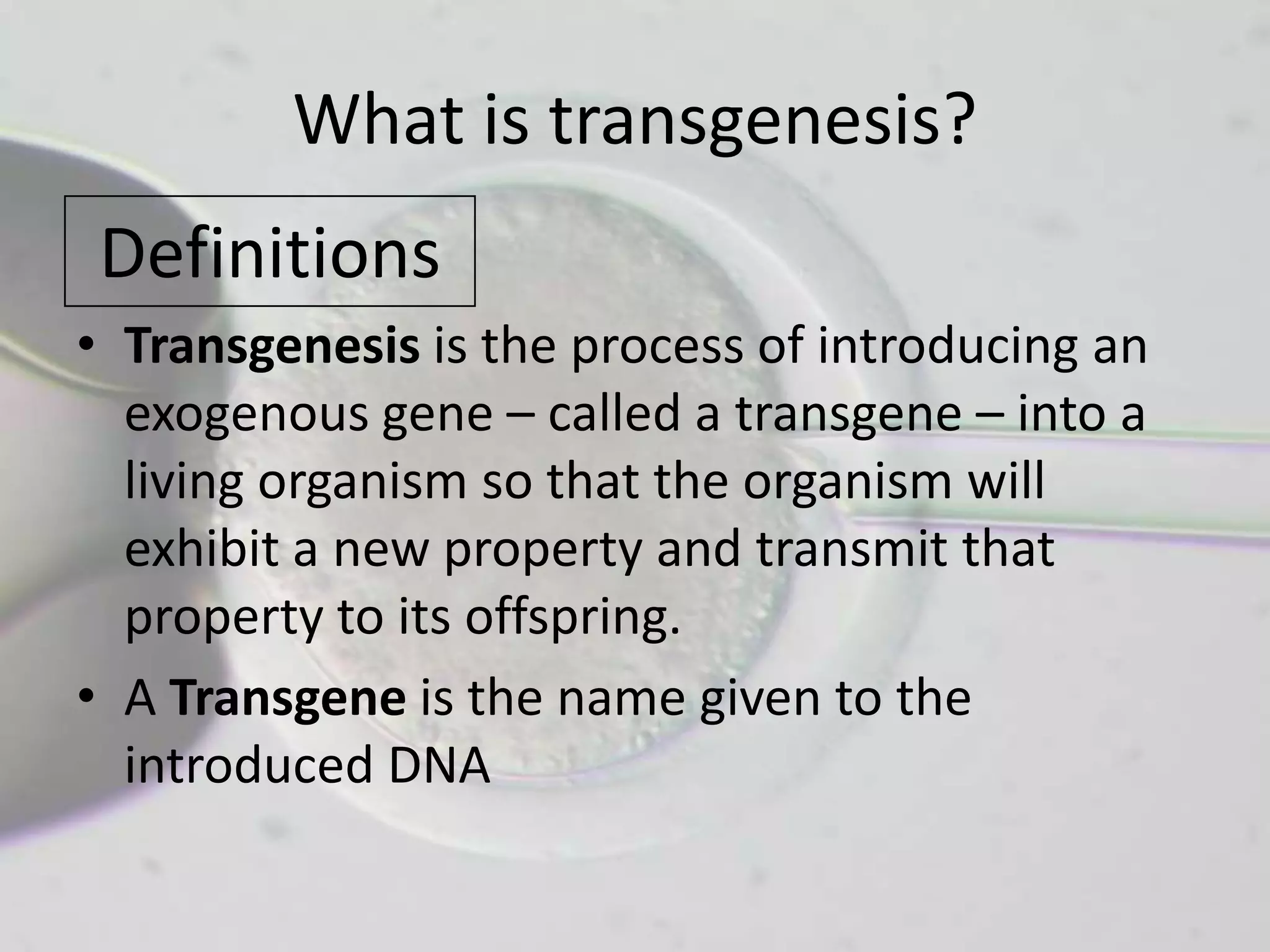
Transgenesis is the process of introducing a transgene—a gene or genetic material that has been isolated from one organism—into the genome of another organism. The resulting “transgenic” organism possesses a new property or trait that it can pass on to its offspring. While it sounds like the plot of a science fiction novel, transgenesis is a cornerstone of the modern “Bio-Tech” stack, driving breakthroughs in medicine, agriculture, and industrial manufacturing.
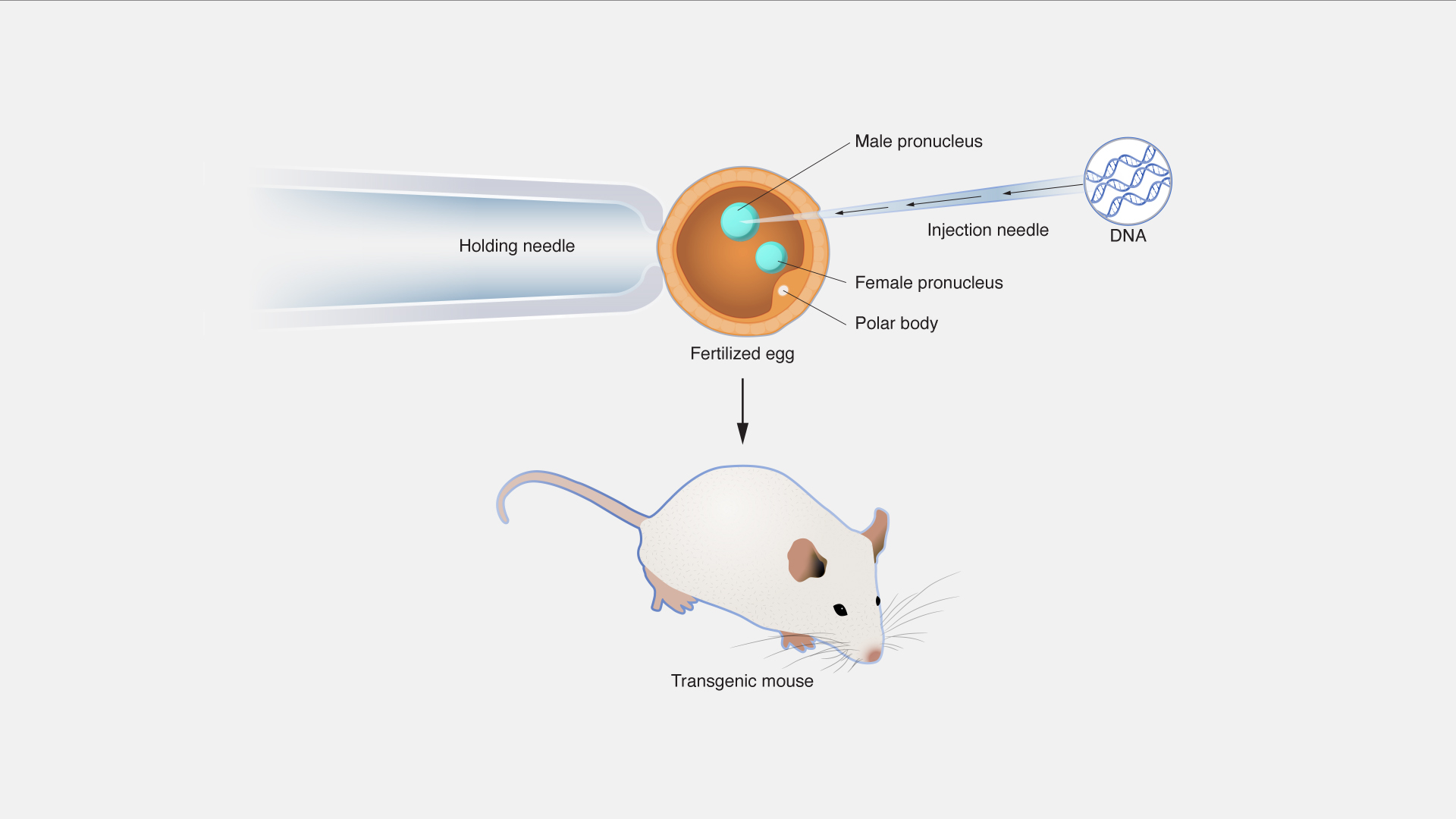
The Mechanics of Transgenesis: From Gene Splicing to Precision Bio-Engineering
To understand transgenesis from a technical perspective, one must view the genome as a complex operating system. Just as a software developer might integrate a third-party API to add functionality to an app, biotechnologists use transgenesis to “patch” the biological code of an organism.
The Role of Recombinant DNA Technology
The foundational “software tool” for transgenesis is Recombinant DNA (rDNA) technology. This process involves identifying a specific sequence of DNA that codes for a desired trait—such as drought resistance in a plant or the production of a specific protein in a bacterium—and “cutting” it using restriction enzymes (which act as biological scissors). Once isolated, this sequence is joined with a vector to prepare it for integration into the host genome.
Vectors and Delivery Systems: The Hardware of Biology
If the transgene is the “software,” the vector is the “installation hardware.” Scientists use various delivery systems to transport the foreign DNA into the host cell. Common vectors include:
- Plasmids: Small, circular DNA molecules found in bacteria that can be easily manipulated.
- Viral Vectors: Genetically engineered viruses that act as “delivery drones,” injecting the transgene into the host’s cells without causing disease.
- Biolistics (The Gene Gun): A high-tech method where microscopic gold or tungsten particles coated with DNA are literally fired into the target tissue at high velocities.
These methods have evolved from the imprecise “shotgun” approaches of the 1980s to the high-resolution editing we see today, largely thanks to the integration of CRISPR-Cas9 technology, which allows for site-specific integration of transgenes with surgical precision.
The Intersection of AI and Transgenesis: Accelerating the Design Cycle
One of the most significant shifts in biotechnology is the marriage of transgenesis with Artificial Intelligence and Machine Learning. In the past, identifying which gene sequence would produce a desired phenotype was a process of trial and error that could take decades. Today, the “Design-Build-Test-Learn” (DBTL) cycle is being accelerated by massive computational power.
Predictive Modeling for Gene Expression
AI algorithms can now analyze vast genomic datasets to predict how a foreign gene will interact with a host’s existing genetic architecture. This is critical because transgenesis isn’t just about “pasting” code; it’s about ensuring that code executes correctly within the new environment. Predictive modeling helps engineers avoid “bugs” in the biological system, such as gene silencing (where the host shuts down the foreign gene) or unintended metabolic disruptions.
Automation in the Lab: CRISPR and Robotic Integration
The “Build” phase of transgenesis has been revolutionized by lab automation. High-throughput robotic systems can now perform thousands of genetic transformations simultaneously. When combined with AI-driven CRISPR design tools, researchers can test an array of transgene variations in parallel, identifying the most efficient biological configurations at a speed that was previously unimaginable. This shift from manual pipetting to automated bio-manufacturing is turning laboratories into “bio-foundries.”
Practical Applications: How Transgenesis is Disrupting Global Industries
Transgenesis is no longer a theoretical pursuit; it is a multi-billion dollar technology sector. By rewriting the code of living organisms, tech companies are solving some of the world’s most pressing infrastructure and resource challenges.
Agri-Tech: Developing the Next Generation of Bio-Optimized Crops
In the agricultural sector, transgenesis is the engine behind “Smart Crops.” Modern agri-tech companies develop transgenic plants that are programmed to produce their own organic pesticides (such as Bt corn) or to withstand specific environmentally friendly herbicides. Beyond pest control, the next frontier of transgenic agri-tech focuses on nutritional enhancement—”biofortification.” A classic example is Golden Rice, which was engineered to produce beta-carotene, providing a technological solution to Vitamin A deficiency in developing regions.
Pharmaceutical Tech: Bioreactors and the Future of Drug Synthesis
The pharmaceutical industry has moved away from traditional chemical synthesis toward “biomanufacturing.” Through transgenesis, bacteria, yeast, and even mammalian cells are transformed into living factories (bioreactors). For instance, nearly all human insulin used today is produced by transgenic E. coli bacteria that have been “programmed” with the human insulin gene. This tech-driven approach allows for the scalable, cost-effective production of complex proteins, antibodies, and vaccines.
The Digital Security of Bio-Data: Ethics and Protection in the Genomic Age
As we treat DNA more like digital code, we must address the security and ethical implications of “Bio-IT.” The digitization of genomic sequences means that the blueprints for transgenic organisms are now stored on servers, making them susceptible to the same risks as any other piece of high-value intellectual property.
Intellectual Property in the Code of Life
Who owns a transgenic sequence? This is the “open source vs. proprietary” debate of the biotech world. Companies invest billions in developing optimized transgenes, leading to complex patent landscapes. For tech-focused stakeholders, managing “Biological IP” is as crucial as managing software patents. The challenge lies in protecting these innovations while ensuring that the “base code” of nature remains accessible for further scientific advancement.
Biosecurity Protocols and the “Internet of Living Things”
The rise of “Desktop DNA Printers” and synthetic biology has raised concerns about biosecurity. If genetic code can be emailed and printed, the risk of unauthorized or malicious transgenesis increases. This has led to the development of robust cybersecurity protocols for genomic databases and “sequence screening” algorithms that flag potentially dangerous genetic combinations before they can be synthesized. The goal is to create a secure “Internet of Living Things” where biological innovation can flourish without compromising global safety.
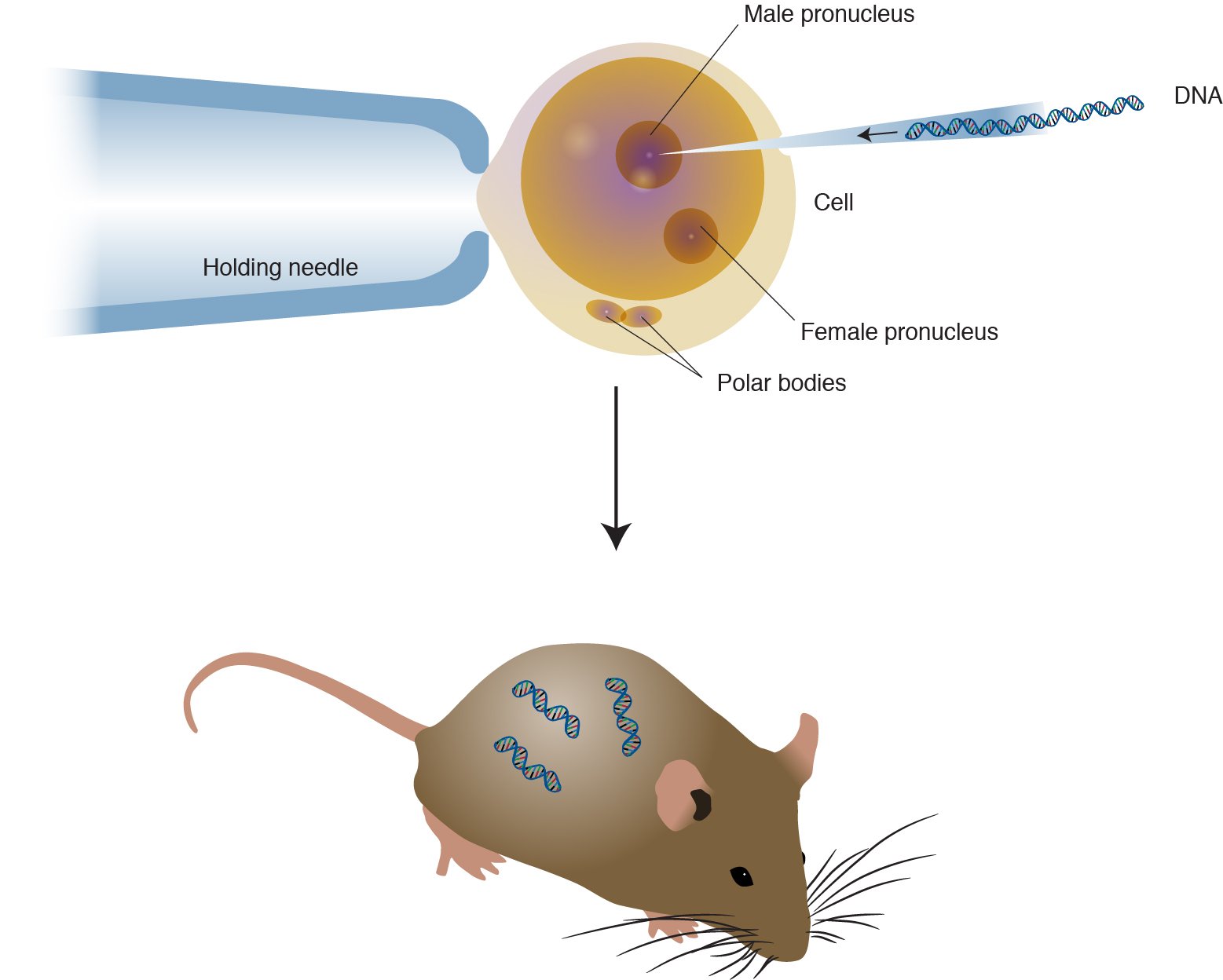
The Future Roadmap: Synthetic Biology and Beyond
Transgenesis is merely the first step toward a more comprehensive field: Synthetic Biology. While transgenesis involves moving existing genes between species, synthetic biology aims to design entirely new genetic sequences that do not exist in nature.
We are moving toward a future where “Bio-Programming” will be a standard engineering discipline. We can expect to see:
- Carbon-Sequestering Microbes: Transgenic organisms designed specifically to scrub CO2 from the atmosphere and convert it into useful polymers.
- Bio-Computing: Using DNA as a high-density data storage medium, utilizing the natural “encoding” capabilities of the genome.
- Living Materials: Construction materials infused with transgenic fungi or bacteria that can “self-heal” cracks by secreting calcium carbonate.
The evolution of transgenesis represents a fundamental shift in our relationship with technology. We are moving from a world where we build tools out of the environment to a world where we build tools into the environment. As our mastery of the biological code grows, transgenesis will remain the foundational technique that allows us to upgrade the natural world for a more sustainable and technologically advanced future.
aViewFromTheCave is a participant in the Amazon Services LLC Associates Program, an affiliate advertising program designed to provide a means for sites to earn advertising fees by advertising and linking to Amazon.com. Amazon, the Amazon logo, AmazonSupply, and the AmazonSupply logo are trademarks of Amazon.com, Inc. or its affiliates. As an Amazon Associate we earn affiliate commissions from qualifying purchases.