
In the world of global intellectual property, few franchises boast a history as complex or a brand identity as bifurcated as the Transformers. To the average Western consumer, the brand is a synonymous pillar of Hasbro’s empire—a tale of Autobots and Decepticons battling for the fate of the universe. However, to understand what Transformers is called in Japan, and how the brand operates there, one must peel back layers of corporate history, strategic localization, and a unique cross-continental partnership that redefined modern toy marketing.
In Japan, the franchise is phonetically known as Toransufōmā (トランスフォーマー), but the branding journey is far more nuanced than a simple translation. It represents a masterclass in brand evolution, demonstrating how a product can be born in one culture, codified in another, and then re-imported back to its origin with a new identity.
The Genesis of a Global Identity: Takara, Hasbro, and the Rebranding of an Idea
The brand we recognize today as Transformers did not begin as a unified narrative. It was a strategic synthesis of several disparate toy lines owned by the Japanese company Takara (now Takara Tomy). To understand the branding strategy, we must look at the pre-1984 landscape.
The Pre-Transformers Era: Diaclone and Micro Change
In the late 1970s and early 1980s, Takara produced two distinct lines: Diaclone and Microman (specifically the Micro Change sub-line). These were not “Transformers” in the brand sense; they were engineering marvels. Diaclone featured piloted mecha, while Micro Change featured everyday objects—like cassettes and cameras—that transformed into robots. There was no overarching story of “Cybertron” or an eternal war.
The branding was purely functional. The focus was on the “gimmick” of transformation and the high-quality die-cast engineering. In Japan, these were seen as “Chogokin” (super alloy) style toys, a category that already had significant brand equity among Japanese children.
The Hasbro Partnership: Orchestrating a Western Identity
The pivot point occurred in 1983 when Hasbro representatives encountered these toys at the Tokyo Toy Show. Recognizing the potential for the American market, Hasbro licensed the designs but understood that “engineering” alone wasn’t a brand—story was.
Hasbro collaborated with Marvel Comics to create a lore. They gave the toys names, personalities, and a home planet. This was a fundamental shift in brand strategy: moving from a product-oriented focus (Japanese “Diaclone”) to a character-oriented focus (American “Transformers”). This Westernized branding was so successful that it eventually dictated the global trajectory of the franchise, forcing Takara to reconsider how they branded these toys in their home market.
Localization vs. Globalization: Navigating the Cultural Brand Gap
When the “Transformers” brand was officially introduced to Japan in 1985, Takara faced a unique challenge. They were importing a Western narrative based on their own Japanese toys. This created a fascinating branding dichotomy that lasted for decades.
Naming Conventions and Character Identity
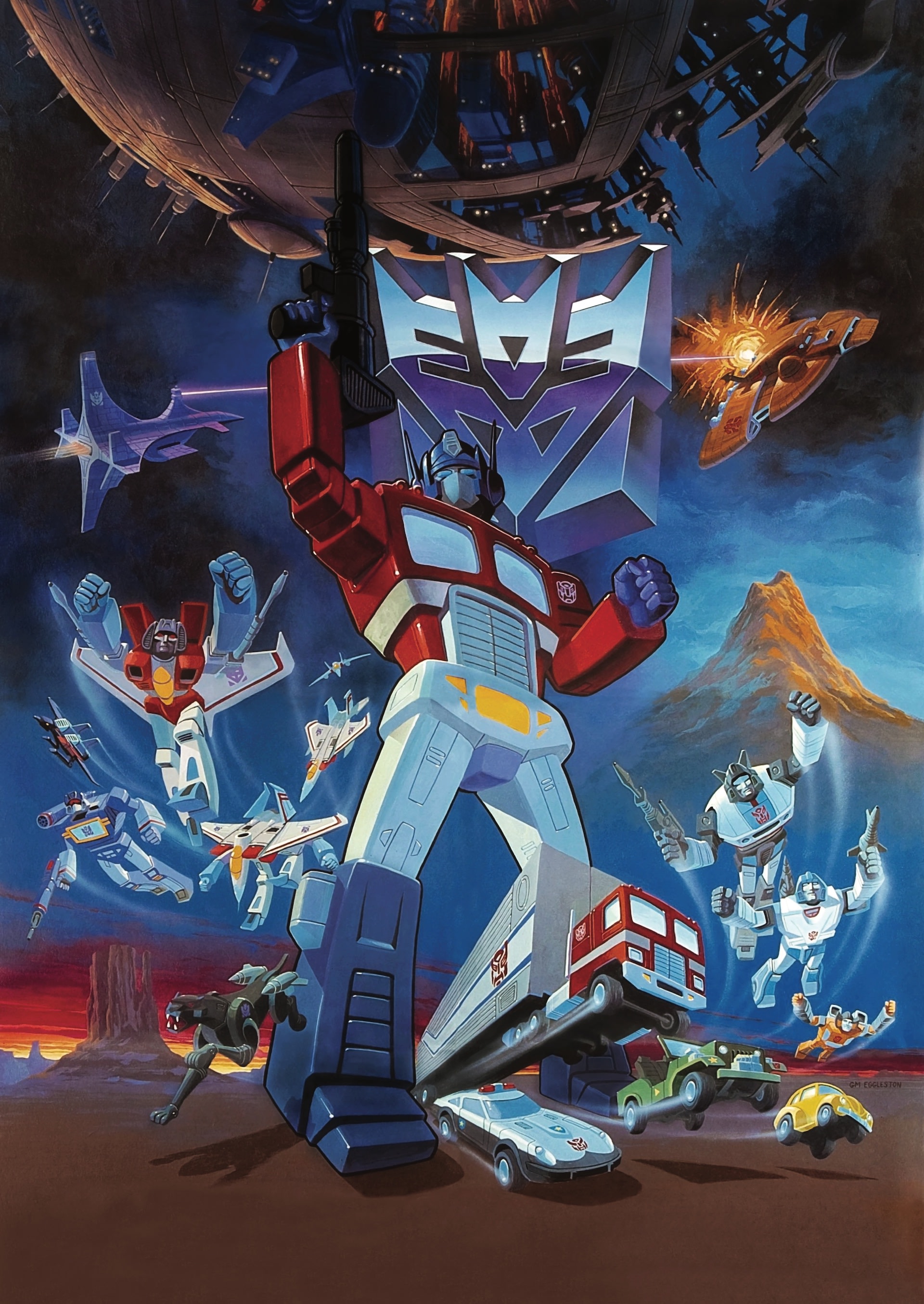
For over twenty years, the brand identity in Japan differed significantly from the West in terms of nomenclature. The most famous example is the leader of the Autobots. In the United States, he was Optimus Prime—a name suggesting leadership and primacy. In Japan, he was branded as Convoy.
The name “Convoy” resonated with Japanese audiences who associated large trucks with the concept of a transport fleet. Similarly, the Autobots were known as the Cybertrons, and the Decepticons were the Destrons. From a brand strategy perspective, “Destron” sounded more aggressive and villainous to a Japanese ear, aligning with the “Super Robot” tropes prevalent in 1980s anime.
The Strategic Shift to Global Uniformity
As the world became more interconnected through the internet and global cinema, the brand discrepancy between “Optimus Prime” and “Convoy” became a liability for brand cohesion. When Michael Bay’s live-action Transformers film was released in 2007, Takara Tomy made a monumental strategic decision: they would align the Japanese naming conventions with the global standard.

For the first time, Japanese marketing materials began using the name “Optimus Prime” alongside “Convoy,” eventually phasing out the latter in most mainstream media. This move was a calculated effort to create a “One Brand” identity worldwide, ensuring that merchandise, movie tie-ins, and digital media were consistent across all borders.
The Takara Tomy Synergy: Maintaining Brand Equity in a Domestic Market
The merger of Takara and Tomy in 2006 created a powerhouse in the toy industry. Under the Takara Tomy banner, the Transformers brand in Japan has been managed with a dual-focus strategy: catering to the global “Transformers” cinematic brand while honoring the franchise’s heritage as a high-end Japanese collectible.
Masterpiece and Heritage Collections
While Hasbro focuses heavily on the mass-market playability of the brand, Takara Tomy has carved out a niche in “Brand Prestige.” The Masterpiece line is a prime example of corporate identity management. These are high-priced, intricately engineered figures designed for the adult collector market.
By positioning Transformers as a luxury hobbyist item in Japan, Takara Tomy has maintained high brand equity among “kidults”—adults who grew up with the brand in the 80s. This strategy ensures that the brand remains relevant even when there is no current movie or television show in production, creating a consistent revenue stream based on nostalgia and craftsmanship.
Transmedia Storytelling as a Brand Anchor
In Japan, the Transformers brand is often bolstered by “manga” and domestic “anime” series that differ from Western iterations. Series like Transformers: Victory or The Headmasters were produced specifically for the Japanese market to keep the brand alive when the American cartoon ended. This domestic content creation allowed Takara Tomy to maintain control over the brand narrative within Japan, tailoring the “hero” archetypes to fit Japanese cultural expectations of sacrifice and teamwork.
Marketing the “Robot” Aesthetic: Eastern vs. Western Brand Appeals
A critical aspect of the brand’s identity in Japan is how the robots are marketed visually and philosophically. There is a distinct “Eastern” versus “Western” brand appeal that Takara Tomy must navigate.
The Super Robot vs. Real Robot Paradigms
In Japanese branding, there is a historical distinction between “Super Robots” (god-like, sentient beings) and “Real Robots” (machines piloted by humans, like Gundam). Transformers occupies a unique space in the Japanese market because it bridges these two.
Takara Tomy markets Transformers with a focus on “Perfect Transformation”—the idea that the toy requires no “parts-forming” (adding or removing pieces) to change. This is a key brand pillar in Japan. It emphasizes Japanese engineering excellence. In contrast, Western marketing often focuses on the “Action Hero” aspect—the character’s personality and their role in the “Transformers Cinematic Universe.”
Design Philosophies and Consumer Perception
The visual identity of Transformers in Japan often leans into more vibrant, “heroic” color palettes and sharper, more angular designs. This reflects the aesthetic of the Brave Series and other Japanese mecha franchises. From a marketing standpoint, Takara Tomy knows that their audience values the “object-to-robot” transition as an art form. This is why Japanese packaging often features high-quality photography of the transformation process, whereas Western packaging highlights dynamic character art and “play features.”
Conclusion: The Resilient Brand of the “Toransufōmā”
What is Transformers called in Japan? While the name is Toransufōmā, the brand itself is a complex hybrid of Japanese engineering and American storytelling. Its success lies in its ability to adapt to two very different market psychologies.
Hasbro’s strength was in taking a collection of toys and turning them into a legendary brand with a soul. Takara Tomy’s strength was in maintaining the brand’s integrity as a pinnacle of design and a symbol of Japanese pop-culture history. Today, the brand stands as a testament to the power of successful localization and corporate partnership. By transitioning from the “Convoy” era to a unified “Optimus Prime” global identity, the franchise has ensured its survival in an increasingly digital and borderless marketplace.
The Transformers brand teaches us that identity is not static. It can be reimagined, renamed, and relocated, provided the core value proposition—in this case, the magic of “More Than Meets The Eye”—remains intact. Whether it is a Diaclone truck in a 1982 Tokyo shop or a CGI behemoth on a 2024 IMAX screen, the brand’s ability to transform its own identity is its greatest strength.
aViewFromTheCave is a participant in the Amazon Services LLC Associates Program, an affiliate advertising program designed to provide a means for sites to earn advertising fees by advertising and linking to Amazon.com. Amazon, the Amazon logo, AmazonSupply, and the AmazonSupply logo are trademarks of Amazon.com, Inc. or its affiliates. As an Amazon Associate we earn affiliate commissions from qualifying purchases.