
In the rapidly evolving landscape of automotive engineering, the car has transitioned from a purely mechanical assembly into a sophisticated, mobile computing platform. To the casual observer, a car is a mode of transportation; to a tech enthusiast, it is a complex network of sensors, actuators, and Electronic Control Units (ECUs). At the heart of this digital-mechanical intersection lies the throttle body.
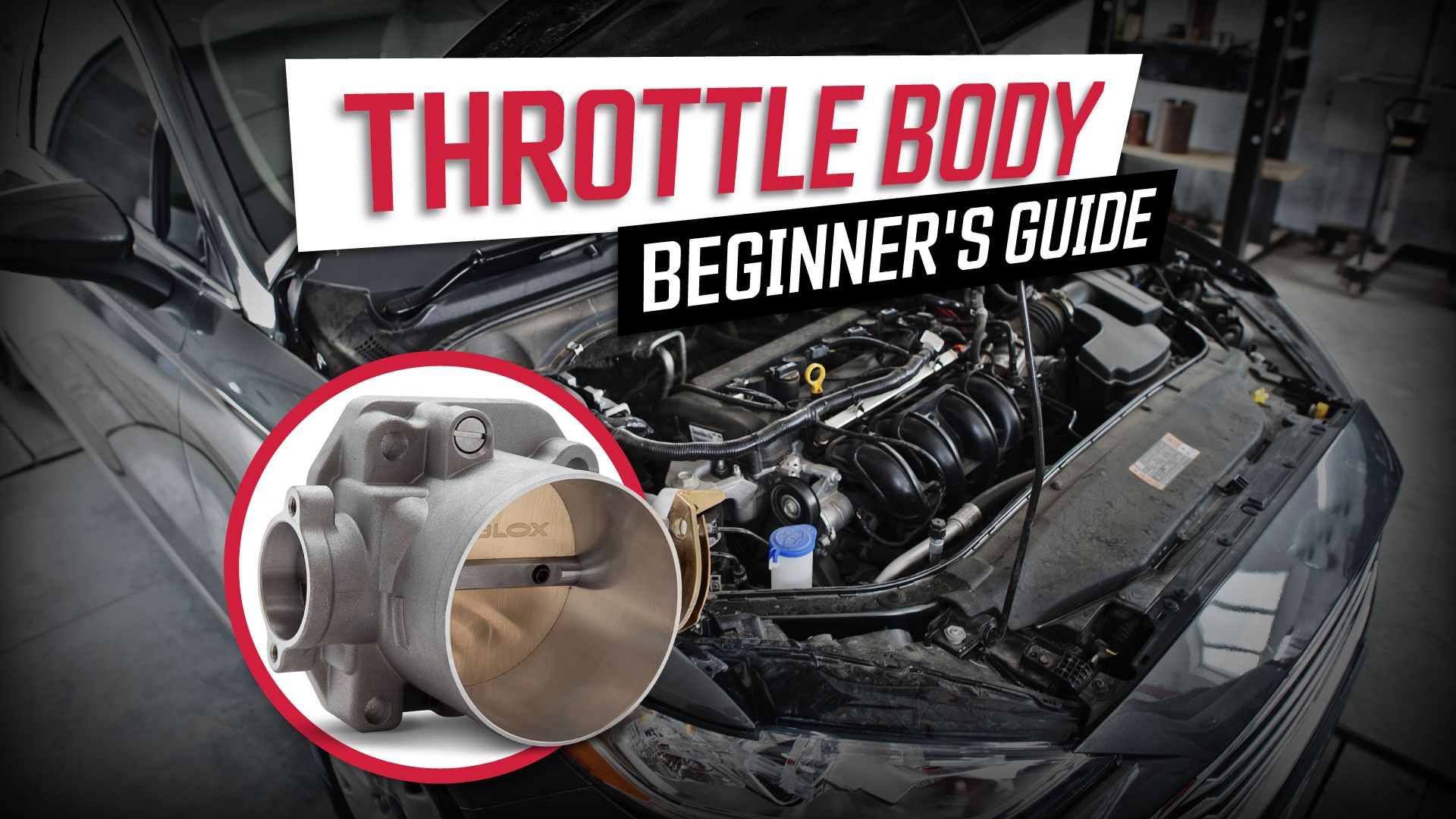
While historically viewed as a simple mechanical valve, the modern throttle body is a masterpiece of “Drive-by-Wire” technology. It serves as the primary gateway for air entering the internal combustion engine, but its operation is now dictated by sophisticated software algorithms rather than a simple steel cable. Understanding the throttle body in a modern context requires looking past the aluminum housing and into the world of hardware-software integration, digital signal processing, and the Internet of Things (IoT).

The Evolution of Throttle Technology: From Mechanical Linkages to Drive-by-Wire
To understand the current state of automotive tech, one must appreciate the shift from analog to digital control. The throttle body’s primary job has always been to regulate the amount of air the engine breathes. However, the method of regulation has undergone a total digital transformation.
The Analog Era: Mechanical Cables
In older vehicles, the throttle body was connected directly to the accelerator pedal via a physical braided steel cable. When you pressed the pedal, you were physically pulling a lever that opened a butterfly valve. While reliable, this system was “dumb.” It could not account for fuel efficiency optimization, traction control, or emissions leveling in real-time. The driver had total control, but the engine had zero intelligence regarding its intake.
The Shift to Electronic Throttle Control (ETC)
Today, the physical cable is gone, replaced by Electronic Throttle Control (ETC), commonly known as “Drive-by-Wire.” In this tech-driven ecosystem, the accelerator pedal is essentially a joystick—a peripheral device that sends a digital signal to the car’s computer. The ECU processes this input, along with data from dozens of other sensors, and sends a command to a high-torque electric motor located on the throttle body to open the valve to a precise degree. This transition allows for seamless integration with other tech stacks, such as cruise control, stability management, and automated emergency braking.
Hardware and Software Synergy: How the ECU Manages Airflow
In the Tech niche, we often discuss how software interacts with hardware in smartphones or servers. A modern throttle body functions on these exact principles. It is a peripheral hardware component managed by a central operating system (the ECU).
Sensor Integration: The TPS and Hall Effect Technology
The throttle body contains a critical component known as the Throttle Position Sensor (TPS). In modern high-tech applications, these sensors have moved away from contact-based potentiometers (which wear out) to “Hall Effect” sensors. These use magnetic fields to detect the position of the throttle plate without any physical contact. This data is fed back to the ECU in a closed-loop system, ensuring that the physical position of the valve matches the software’s intent. If the data packets are inconsistent, the software triggers a “Limp Mode,” a digital fail-safe that protects the hardware from damage.
Algorithmic Control and Data Processing
The ECU doesn’t just “open” the throttle. It calculates the optimal opening based on thousands of data points per second. It considers the intake air temperature, the atmospheric pressure (using the MAP sensor), and the oxygen levels in the exhaust. The software uses a PID (Proportional-Integral-Derivative) controller—a control loop mechanism widely used in industrial industrial systems and robotics—to ensure the butterfly valve moves smoothly and reaches its target position without overshooting. This level of precision is what allows modern engines to be both powerful and surprisingly fuel-efficient.

Modern Automotive Diagnostics and Digital Security
As cars become more tech-centric, the way we maintain and secure them has changed. The throttle body is no longer “repaired” with a wrench alone; it is optimized and diagnosed with software.
OBD-II and Real-time Telemetry
The throttle body is a major data producer for the On-Board Diagnostics (OBD-II) system. Tech-savvy car owners now use Bluetooth-enabled OBD-II scanners that sync with smartphone apps to monitor throttle position, airflow rates, and “fuel trims” in real-time. This is essentially live telemetry, similar to what you would see in a data center or a high-end gaming PC’s performance monitor. When a throttle body fails, it usually isn’t a mechanical snap; it’s a “code” or a software error that indicates a sensor voltage out of range or a communication lag between the pedal and the actuator.
Cybersecurity in Component Communication
With the rise of connected cars, the security of the Controller Area Network (CAN bus)—the internal network that allows car parts to talk to each other—has become a major focus in digital security. Because the throttle body is controlled electronically, it is theoretically a target for malicious software or “car hacking.” Security researchers have demonstrated that if an attacker gains access to the CAN bus, they could potentially send “spoofed” signals to the throttle body, causing unintended acceleration or stalling the engine. This has led to a surge in automotive cybersecurity tech, where components now use encrypted signals and gateways to ensure that only the ECU can tell the throttle body what to do.
The Future: Electrification and the Obsolescence of the Mechanical Throttle
As we move toward a future of Software-Defined Vehicles (SDVs) and Electric Vehicles (EVs), the traditional throttle body is facing a technological sunset. However, its digital legacy lives on in new forms.
Regenerative Braking vs. Airflow
In a traditional Internal Combustion Engine (ICE), the throttle body controls power by limiting air. In an EV, “throttle” is entirely a software concept. There is no air to regulate because there is no combustion. Instead, the software manages the flow of electrons from the battery to the inverter. Interestingly, the user interface remains the same—the pedal—but the backend logic now handles both acceleration and “regenerative braking” (slowing the car by reversing the motor’s polarity). The throttle body’s physical valve has been replaced by high-speed power transistors and silicon carbide inverters.
Software-Defined Vehicles (SDVs)
We are entering the era of the Software-Defined Vehicle, where a car’s performance can be changed via an Over-the-Air (OTA) update. Just as a firmware update can improve the camera on your smartphone, an OTA update can recalibrate the “throttle mapping” of a vehicle. Manufacturers can now change how the throttle body responds to your foot, making the car feel “sportier” or “greener” without ever touching a single mechanical part. This is the ultimate expression of modern automotive tech: the hardware is static, but the behavior is dynamic and determined by code.
Conclusion: The Throttle Body as a Symbol of Progress
The throttle body serves as a perfect case study for the “tech-ification” of the modern world. It has evolved from a simple piece of metal into a sophisticated, sensor-laden node in a high-speed digital network. It represents the successful marriage of mechanical engineering and computer science.
For the modern consumer and tech enthusiast, the throttle body is a reminder that the gadgets we carry in our pockets are not the only high-tech devices we own. Our cars are essentially 4,000-pound computers, and the throttle body is the interface where the physical world of air and fire meets the digital world of bits and bytes. As we look toward an autonomous and electric future, the physical throttle body may eventually disappear, but the logic and software architecture it helped pioneer will continue to drive us forward.
aViewFromTheCave is a participant in the Amazon Services LLC Associates Program, an affiliate advertising program designed to provide a means for sites to earn advertising fees by advertising and linking to Amazon.com. Amazon, the Amazon logo, AmazonSupply, and the AmazonSupply logo are trademarks of Amazon.com, Inc. or its affiliates. As an Amazon Associate we earn affiliate commissions from qualifying purchases.