
When we discuss personal finance and asset management, we often focus on stock portfolios, real estate, or high-yield savings accounts. However, one of the most significant depreciating assets the average person owns is their vehicle. To protect this investment, preventative maintenance is the primary tool at your disposal. At the heart of this maintenance is motor oil—often referred to as the “lifeblood” of the engine.
The question of “what is the shelf life of motor oil” is not merely a mechanical curiosity; it is a critical consideration for cost-conscious consumers, DIY enthusiasts, and small business owners. Understanding how long oil remains viable allows for smarter bulk purchasing, efficient inventory management, and the avoidance of catastrophic engine failures that can derail a household budget.

The Economics of Preventative Maintenance: Oil as an Insurance Policy
From a financial perspective, motor oil is the most cost-effective insurance policy you can purchase for your vehicle. The cost of a premium synthetic oil change typically ranges from $70 to $120. In contrast, the replacement of an internal combustion engine can cost anywhere from $4,000 to $10,000 depending on the make and model.
The Cost of Neglect vs. The Price of Protection
When motor oil sits on a shelf for too long or exceeds its operational lifespan within an engine, its chemical properties shift. From a “Money” standpoint, using expired or degraded oil is a high-risk gamble. As oil ages, it loses its ability to lubricate effectively, leading to increased friction. This friction doesn’t just cause wear; it reduces fuel efficiency. For a commuter driving 15,000 miles a year, even a 2% drop in fuel economy due to engine inefficiency can result in hundreds of dollars of unnecessary fuel expenditure annually.
Depreciation and Resale Value
In the secondary car market, documentation is currency. Maintaining a strict schedule of oil changes using fresh, high-quality lubricants is a quantifiable way to preserve the resale value of your vehicle. When it comes time to sell or trade in your asset, a vehicle with a documented history of timely maintenance commands a premium. Conversely, an engine that has been subjected to degraded oil may exhibit “sludge” or internal staining, which a professional inspector will flag, immediately slashing thousands off your potential ROI.
Bulk Purchasing: Does Stocking Up Save Money?
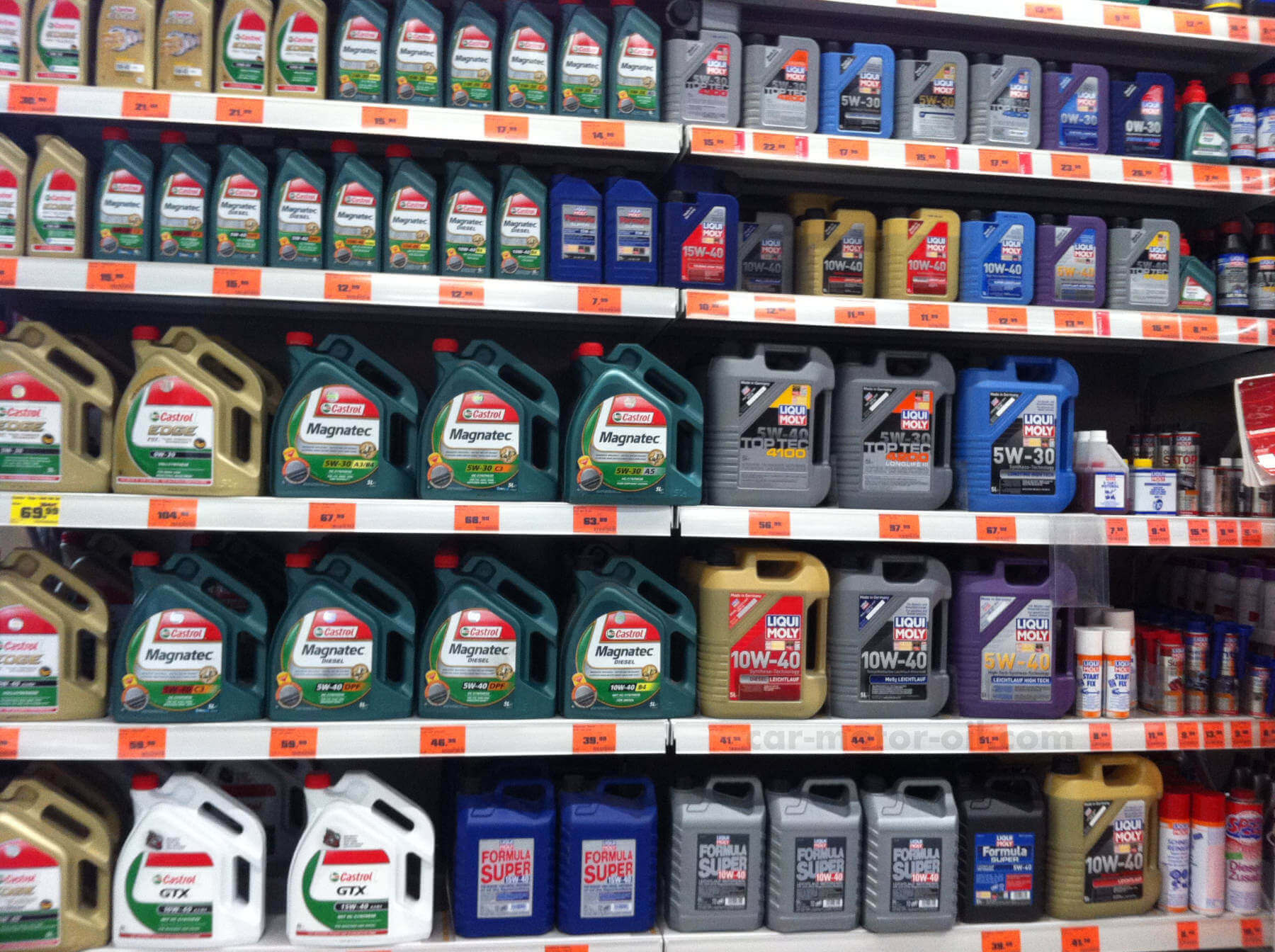
In an era of fluctuating inflation and supply chain instability, many savvy consumers look to bulk purchasing as a way to hedge against rising costs. Buying motor oil in five-quart jugs or even 55-gallon drums for multi-vehicle households can offer significant per-unit savings. However, these savings are only realized if the oil remains viable until it is used.
Calculating the ROI of Wholesale Buying
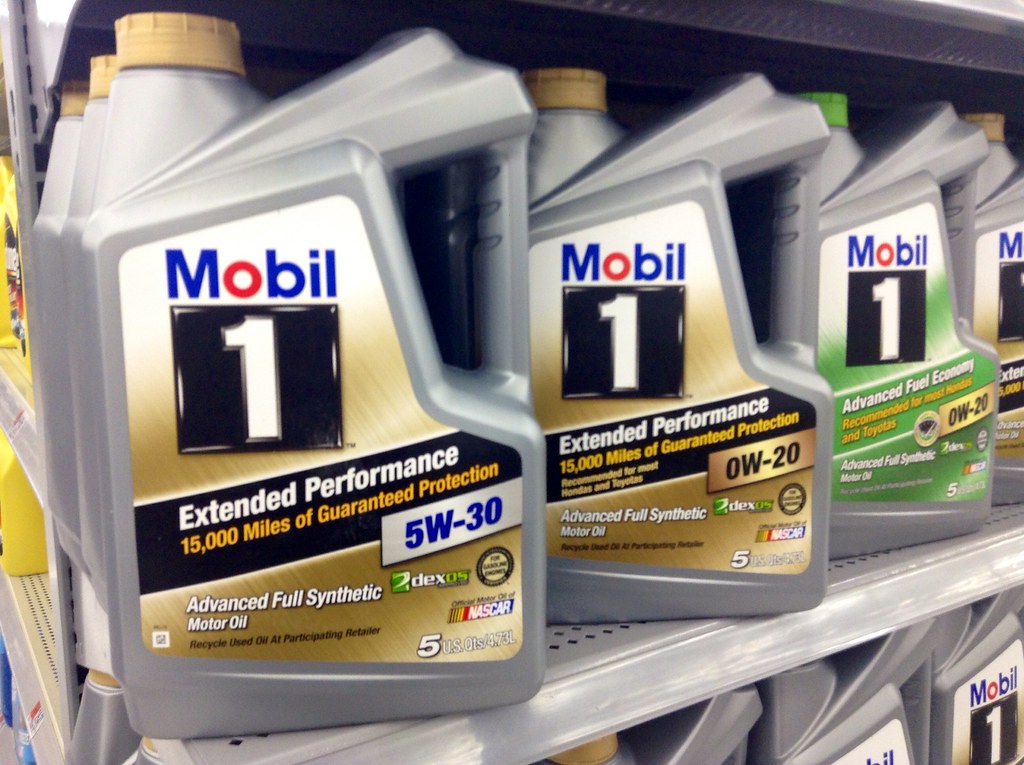
Generally, most major oil manufacturers (such as Mobil 1, Castrol, and Pennzoil) suggest that the shelf life of motor oil is roughly five years, provided it is stored in optimal conditions. If you purchase oil at a 20% discount by buying in bulk, but 30% of that oil spoils or becomes contaminated due to poor storage or exceeding its shelf life, you have transitioned from a “saving” mindset to a “loss” mindset.
To calculate the true ROI, you must factor in the cost of storage space and the potential risk of product degradation. For most individuals, keeping a two-year supply is the financial “sweet spot”—it protects against annual price hikes without risking the long-term chemical breakdown of the additives within the oil.
Storage Requirements to Protect Your Asset
To ensure your “liquid investment” doesn’t go to waste, storage conditions are paramount. Oil should be kept in a temperature-controlled environment. Extreme temperature swings cause the oil to expand and contract, which can draw moisture into the bottle through the seal. This moisture creates an emulsion that can ruin the oil’s lubricating properties. From a financial management perspective, storing your oil in a climate-controlled pantry or basement is far more logical than a detached garage that reaches 100°F in the summer and 10°F in the winter.
Understanding the “Expiration Date” as a Financial Risk Factor
While most oil containers do not feature a prominent “Best By” date like a carton of milk, they do have production codes. Understanding these codes is essential for any business or individual looking to manage their maintenance budget effectively.
The Hidden Costs of Using Degraded Oil
The primary concern with “expired” oil is the “dropout” of additives. Modern motor oil is a sophisticated chemical cocktail containing detergents, dispersants, and friction modifiers. Over several years, these chemicals can settle at the bottom of the container. If you pour this oil into an engine without realizing the additives have separated, you are essentially running your engine on an incomplete product. The financial fallout of this includes premature catalytic converter failure and increased carbon buildup, both of which are multi-thousand-dollar repairs that far outweigh the $30 you “saved” by using old oil.
Synthetic vs. Conventional: A Long-Term Financial Comparison
When analyzing the shelf life and overall value, synthetic oil consistently outperforms conventional oil. While synthetic oil has a higher upfront cost, its chemical stability is superior. Synthetic molecules are uniform and engineered to resist oxidation. From a financial planning perspective, the “Total Cost of Ownership” (TCO) for synthetic oil is lower. It lasts longer on the shelf and longer in the engine, allowing for extended drain intervals. This reduces the frequency of purchases and the labor costs (or personal time) associated with oil changes.
Inventory Management for Small Businesses and Side Hustles
For those running a mobile mechanic side hustle, a small delivery fleet, or a landscaping business, motor oil is a significant line item in the operational budget. Efficiently managing the shelf life of this inventory is a hallmark of a profitable enterprise.
Optimizing Stock Levels for Mobile Mechanics
If you are operating a service-based business, “dead stock” is the enemy of cash flow. Money tied up in cases of oil that won’t be used for another 18 months is money that cannot be used for marketing, equipment upgrades, or emergency repairs. Professional operators use the FIFO (First-In, First-Out) method. By labeling oil cases with their purchase date and ensuring the oldest stock is used first, you minimize the risk of inventory expiration.
Avoiding Capital Tie-up in Expired Goods
Small business owners must also be wary of “closeout” sales. Often, big-box retailers will heavily discount motor oil that has been sitting in a warehouse for years. While the price point may look attractive on the balance sheet, if that oil is already four years into its five-year shelf life, the window for usage is dangerously narrow. A savvy business owner evaluates the “age of the asset” just as much as the “price of the asset.”
Conclusion: The Bottom Line on Oil Longevity
In conclusion, the shelf life of motor oil—typically five years—is a vital metric in the broader context of financial health and asset protection. By treating motor oil as a financial asset rather than a simple garage staple, you can make more informed decisions about when to buy, how much to store, and when to discard product that poses a risk to your vehicle.
Whether you are a consumer looking to reduce your annual cost of living or a business owner aiming to optimize your supply chain, the principles remain the same:
- Preserve Value: Protect your vehicle’s engine and resale value by using fresh oil.
- Leverage Scale: Buy in bulk only when the rate of consumption justifies the purchase within a 24-36 month window.
- Mitigate Risk: Store your oil assets in conditions that prevent degradation.
By mastering the economics of motor oil shelf life, you ensure that your “liquid gold” continues to protect your financial interests as effectively as it protects your engine.
aViewFromTheCave is a participant in the Amazon Services LLC Associates Program, an affiliate advertising program designed to provide a means for sites to earn advertising fees by advertising and linking to Amazon.com. Amazon, the Amazon logo, AmazonSupply, and the AmazonSupply logo are trademarks of Amazon.com, Inc. or its affiliates. As an Amazon Associate we earn affiliate commissions from qualifying purchases.