
In the modern era, the landscape of community support and addiction recovery has undergone a radical transformation. What was once a program defined solely by physical gatherings in community centers and church basements has evolved into a sophisticated digital ecosystem. To understand “what is the Narcotics Anonymous program” in the 21st century, one must look through the lens of technology. Narcotics Anonymous (NA) is no longer just a fellowship; it is a global network supported by complex software, communication tools, and digital security protocols designed to facilitate recovery for millions worldwide.
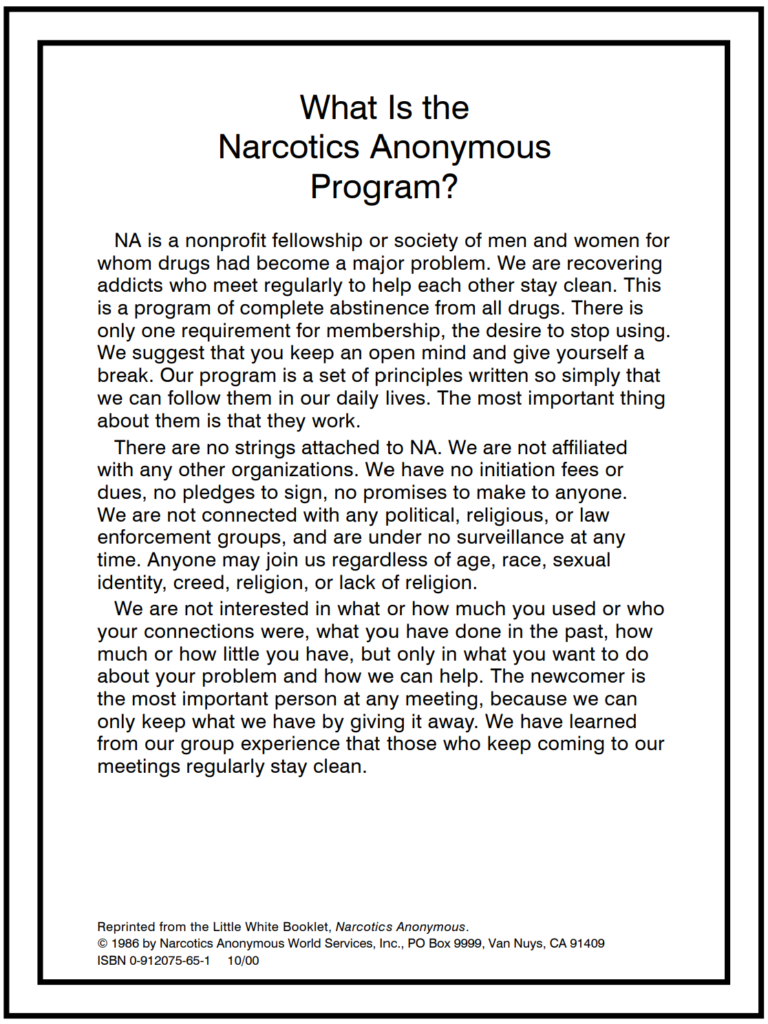
As technology continues to reshape how humans interact, NA has adopted various digital tools to ensure its core message remains accessible, secure, and effective. From the development of meeting-finder algorithms to the implementation of virtual reality support groups, the intersection of tech and recovery is more prominent than ever.
The Digital Transformation of the 12-Step Model
The traditional 12-step model of Narcotics Anonymous is built on the foundation of peer-to-peer support. Historically, this required physical proximity. However, the integration of modern communication software has decoupled recovery from geography, creating a borderless support system.
Virtual Meeting Platforms and Global Accessibility
The shift toward digital meetings was accelerated by global lockdowns, but the infrastructure had been growing for years. Today, NA utilizes high-bandwidth video conferencing tools like Zoom, Microsoft Teams, and specialized platforms designed specifically for recovery. These platforms are not merely passive video feeds; they incorporate features such as digital “waiting rooms” for security, screen-sharing for literature study, and breakout rooms for one-on-one sponsorship sessions.
The technological achievement here is the democratization of support. A user in a remote area with no local NA presence can now access a “Marathon Meeting”—a 24/7 continuous digital gathering—using nothing more than a smartphone and a stable internet connection. This global accessibility is powered by cloud computing and low-latency streaming protocols that ensure the “human” element of the program is preserved across thousands of miles.
The Role of Specialized Software in Meeting Directories
Finding a meeting used to require a printed directory that was often outdated by the time it reached the user. Modern NA infrastructure relies on the Basic Meeting List Toolbox (BMLT), a specialized open-source software suite designed specifically for NA.
The BMLT functions as a centralized database that feeds real-time information to local, regional, and international websites. It uses geolocation technology to help users find the nearest meeting based on their GPS coordinates. This tech-driven approach ensures that the data is dynamic, allowing for instant updates if a meeting changes its format from in-person to hybrid or online-only. By utilizing API integrations, this data can be pulled into third-party apps, ensuring that the “Narcotics Anonymous program” is always just a click away.
Tech Tools for Personal Recovery Management
Beyond the group setting, technology plays a pivotal role in the daily life of an NA member. Personal recovery management has moved from paper journals and physical tokens to integrated mobile applications and sophisticated tracking software.
Mobile Apps and Progress Tracking
There is a burgeoning market for “recovery tech,” and NA members utilize a variety of apps to manage their progress. These applications often feature “clean time” calculators, which use simple algorithms to track days, hours, and even seconds of sobriety. However, the more advanced apps offer much more: they serve as localized repositories for NA literature, daily meditations, and contact lists.
These apps function as a User Interface (UI) for recovery. By gamifying certain aspects of the program—such as earning digital badges for milestones—tech developers have found ways to increase user engagement. Push notifications serve as “digital sponsors,” reminding users to meditate, reach out to their network, or read a specific piece of literature, thereby integrating the program into the user’s digital workflow.
Integrating AI for Emotional Support and Guidance
The most recent frontier in recovery tech is the integration of Artificial Intelligence (AI). While NA remains a program of “addicts helping addicts,” AI-driven chatbots and Large Language Models (LLMs) are being used as supplemental tools. These AI systems are trained on vast amounts of recovery literature to provide instant, 24/7 answers to questions about the program’s steps and traditions.

For a user in crisis at 3:00 AM, an AI tool can offer immediate grounding exercises or suggest relevant literature until a human sponsor becomes available. While these tools do not replace the human connection central to NA, they represent a significant technological leap in providing “on-demand” support. The challenge for developers is ensuring these AI models remain empathetic and aligned with the non-professional, peer-led nature of the program.
Digital Security and the Core Principle of Anonymity
The “Anonymous” in Narcotics Anonymous is its most critical feature. In a world of data mining, facial recognition, and persistent tracking, maintaining digital anonymity is a significant technical challenge. The program’s transition to the digital space has required a robust focus on cybersecurity and data privacy.
Encryption and Privacy in Online Support Groups
To protect the identities of its members, digital NA meetings must prioritize end-to-end encryption. When users share their deepest personal struggles, the underlying technology must ensure that the data is not being scraped or recorded.
Professional-grade security measures are now standard in many online NA sectors. This includes the use of Virtual Private Networks (VPNs) to mask IP addresses and the implementation of strict platform settings that disable recording and prevent unauthorized screen captures. The tech strategy here is to create a “walled garden” where users feel safe enough to be vulnerable. This involves configuring software to allow for “nicknames only” and ensuring that metadata—which could potentially identify a user—is scrubbed or never collected in the first place.
Managing Data Sensitivity in Peer-to-Peer Networks
Because NA is a decentralized organization, data management is often handled at the local or regional level by volunteers. This presents a unique challenge: how to maintain high standards of digital security without a centralized IT department.
The solution has been the development of “Best Practices” for digital recovery, which serve as a technical manual for members. This includes guidance on using encrypted messaging apps like Signal or WhatsApp for sponsorship communications rather than standard SMS. It also involves educating the community on “digital hygiene”—the practice of regularly clearing caches, using strong passwords, and being wary of phishing attempts that might target recovery communities. The technology of NA is thus not just about the tools themselves, but about the collective technical literacy of its members.
The Future of Narcotics Anonymous in the Metaverse and Beyond
As we look toward the future, the Narcotics Anonymous program is poised to embrace even more immersive technologies. The goal remains the same—facilitating recovery—but the delivery methods are becoming increasingly sci-fi in their execution.
VR Meetings and Immersive Recovery Environments
Virtual Reality (VR) is the next logical step for NA. While video calls are effective, they lack the “presence” of an in-person meeting. VR technology allows members to enter a digital space as an avatar, sitting in a circle with others in a virtual room that mimics a peaceful outdoor setting or a familiar meeting hall.
Spatial audio technology in VR enhances this experience, allowing users to hear voices coming from specific directions, which mimics the acoustics of a real room. For individuals with social anxiety or those who are housebound, VR provides a level of immersion that a flat screen cannot match. It bridges the gap between the convenience of digital and the intimacy of physical presence, representing a major milestone in the tech-recovery roadmap.
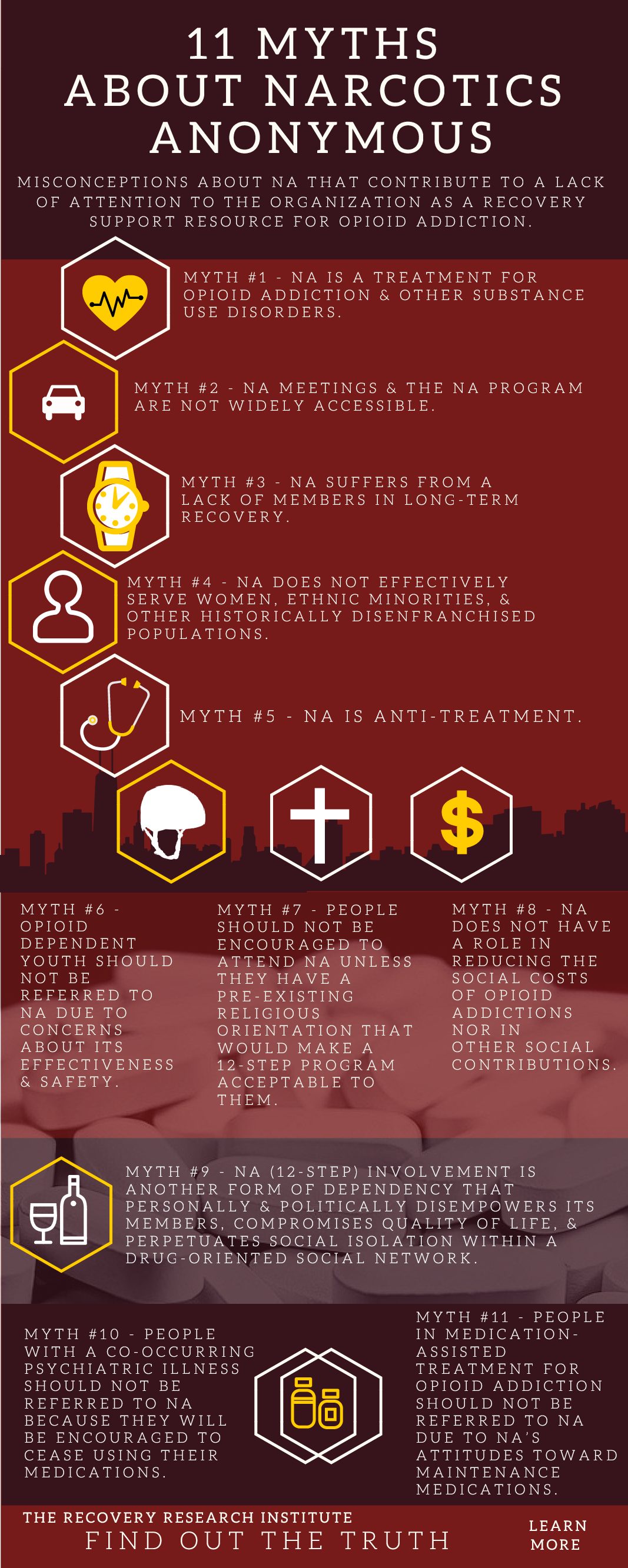
Blockchain and Decentralized Governance in Non-Profits
While NA does not have a traditional corporate structure, it does require a way to manage its “Seventh Tradition” (self-support through member contributions). There is ongoing discussion in the tech-savvy corners of the recovery community about using blockchain technology for transparent, decentralized financial management.
By using a Distributed Ledger Technology (DLT), NA regions could track contributions and expenses with total transparency and without the need for a central banking authority. Furthermore, smart contracts could be used to automate the distribution of literature or the payment of meeting-space server costs. This would align perfectly with NA’s decentralized philosophy, using technology to ensure that the program remains self-sustaining and independent of outside influences.
In conclusion, the answer to “what is the Narcotics Anonymous program” is increasingly tied to the world of technology. It is a sophisticated, tech-enabled network that leverages everything from open-source databases and AI to encrypted communication and VR. By successfully integrating these tools, NA has ensured that the message of recovery remains resilient, adaptable, and accessible in an ever-changing digital world.
aViewFromTheCave is a participant in the Amazon Services LLC Associates Program, an affiliate advertising program designed to provide a means for sites to earn advertising fees by advertising and linking to Amazon.com. Amazon, the Amazon logo, AmazonSupply, and the AmazonSupply logo are trademarks of Amazon.com, Inc. or its affiliates. As an Amazon Associate we earn affiliate commissions from qualifying purchases.