
In the modern era of instant digital transfers, mobile wallets, and peer-to-peer payment apps, the traditional paper check may seem like a relic of a bygone financial age. However, despite the surge in electronic banking, billions of checks are still processed annually in the United States alone. Whether you are paying monthly rent, settling a business invoice, or sending a monetary gift to a relative, understanding the anatomy of a check is a fundamental skill in personal and business finance.
Among the various fields on a check—such as the payee line, the numeric amount box, and the signature line—the “memo” line is perhaps the most misunderstood. Often left blank or filled with a cryptic word or two, the memo line serves a vital purpose in financial record-keeping, legal protection, and organizational efficiency. This guide explores the intricacies of the memo line, why it matters in the Money niche, and how you can use it to streamline your financial life.
The Anatomy of a Check: Understanding the Memo Line’s Purpose
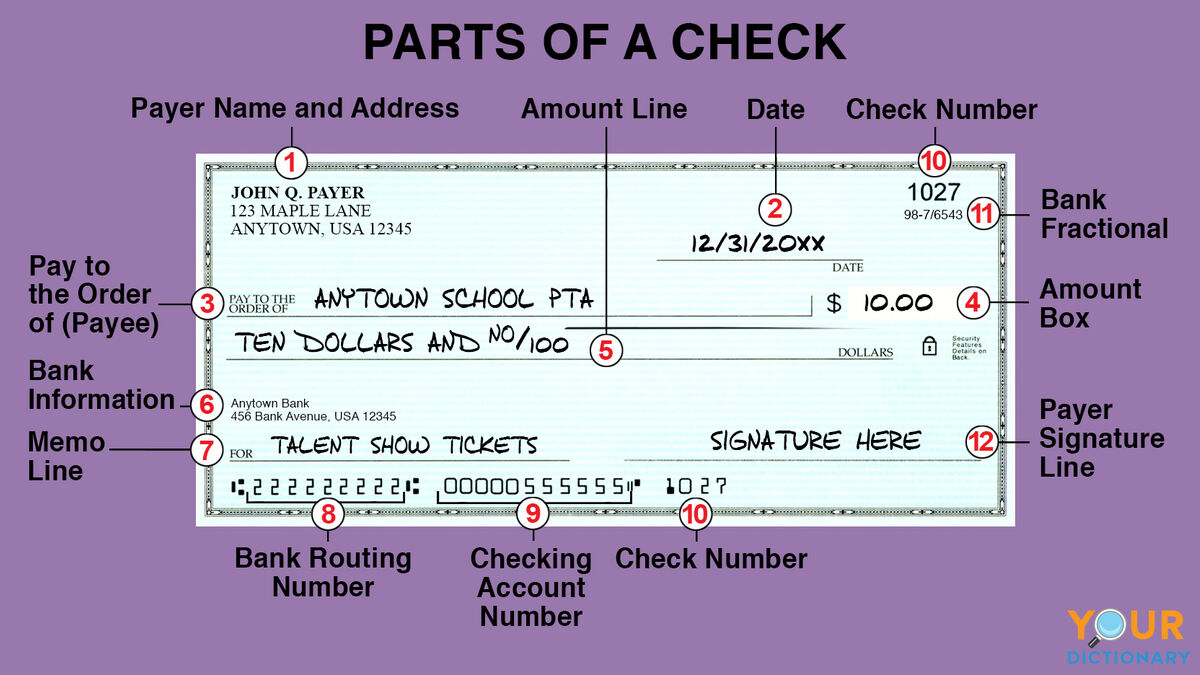
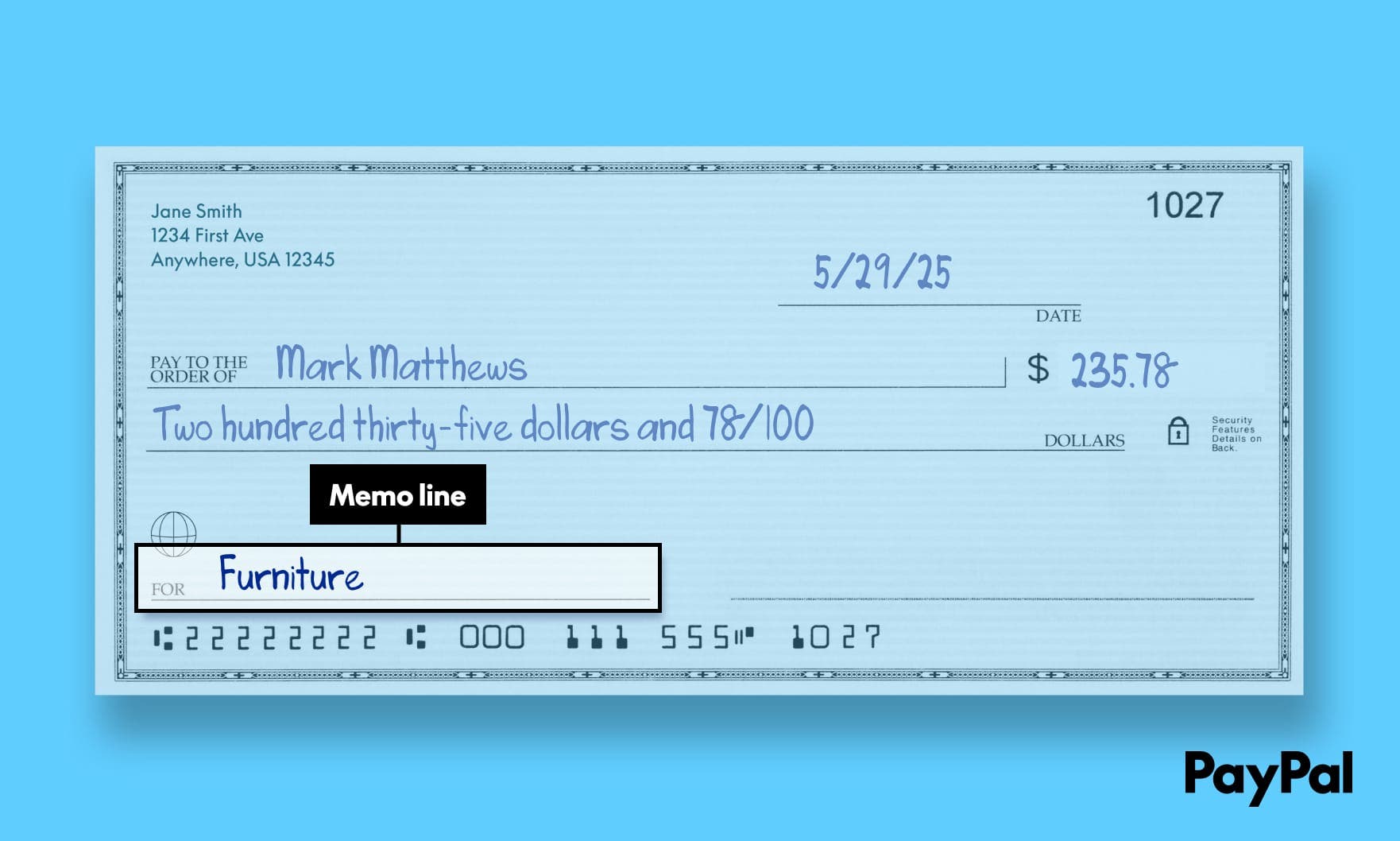
The memo line is a small, horizontal space located in the bottom-left corner of a standard personal or business check. While other parts of the check are strictly regulated and required for the bank to process the transaction, the memo line is unique because it is technically optional.
Where is the Memo Line Located?
If you look at a standard check, you will see several distinct areas. At the top, you have the payer’s information. In the middle, the “Pay to the Order of” line designates the recipient. To the right is the box for the numerical amount, and below the payee line is the space where the amount is written out in words. The bottom-right features the authorized signature. The memo line sits quietly in the bottom-left, just above the MICR (Magnetic Ink Character Recognition) line that contains the routing and account numbers.
Is the Memo Line Legally Required?
From a strictly banking perspective, the memo line is not a legal requirement for the check to be valid. A bank will still process a check if the memo line is left blank, provided the date, payee, amount, and signature are correct. However, just because it isn’t required by the bank doesn’t mean it isn’t required for your own financial health. In the world of accounting and personal finance, the memo line is the “metadata” of your payment—it provides the context that transforms a simple withdrawal into a documented financial event.
The Role of the Memo Line in Financial Audits
For individuals and businesses alike, the memo line serves as a primary source of information during a financial audit. When a tax professional or an internal auditor reviews a year’s worth of expenditures, a check for $500 to “John Doe” tells them very little. However, a check for $500 to “John Doe” with “Plumbing Repair – Main Street Office” written in the memo line provides immediate clarity. It classifies the expense, making it easier to justify deductions and maintain clean financial records.
Strategic Uses for the Memo Line in Personal Finance
In personal finance, the memo line is your best friend for budgeting and long-term organization. It acts as a permanent note to your future self, ensuring that when you look back at your bank statements months or years later, you aren’t left guessing about your spending habits.
Facilitating Accurate Record-Keeping and Budgeting
One of the most effective ways to manage a household budget is to categorize every dollar spent. While many people use digital budgeting tools that automatically categorize debit card transactions, checks often appear on bank statements as a generic “Check #102.” By consistently filling out the memo line, you can cross-reference your bank statement with your physical or digital check register. This allows you to accurately track how much you are spending on specific categories like childcare, home maintenance, or charitable donations.
Ensuring Proper Payment Allocation
When paying bills to large entities—such as a utility company, a landlord, or a government agency—the memo line is essential for ensuring your money goes where it’s supposed to. Large organizations process thousands of payments daily. If you send a check to your local water department, including your account number in the memo line acts as a secondary safeguard. If the check gets separated from your payment coupon, the billing department can still look at the memo line and credit the correct account.
The Importance of the Memo Line for Tax Preparation
For those who itemize their deductions, the memo line is a critical tool. If you are writing a check to a non-profit organization, writing “Donation – 501(c)(3)” in the memo line helps confirm the intent of the payment. Similarly, if you are self-employed and use a personal checking account for occasional business expenses, the memo line helps you differentiate between personal spending and tax-deductible business costs. This simple habit can save hours of stress during tax season and provide peace of mind in the event of an IRS inquiry.

The Business Case: Why Organizations Rely on Memo Lines
In a corporate or small business environment, the memo line transcends simple note-taking and becomes a tool for professional communication and legal protection. Business finance requires a higher level of precision than personal finance, and the memo line is often the key to maintaining that precision.
Streamlining Accounts Payable and Receivable
In B2B (business-to-business) transactions, companies often deal with multiple invoices simultaneously. A business might owe a vendor for three separate shipments of raw materials. When they issue a payment, the memo line should specify which invoices are being settled (e.g., “Inv #4562 and #4569”). This prevents confusion in the vendor’s accounts receivable department and ensures that the business is not mistakenly flagged for late payments on an invoice they believe they have already paid.
Legal Protections: The “Paid in Full” Concept
One of the more complex financial uses of the memo line involves the phrase “Paid in Full.” In some jurisdictions and under specific circumstances, writing “Paid in Full” on a check’s memo line can be used as a legal tactic in a payment dispute. This is known as “accord and satisfaction.” If a debtor and creditor have a dispute over the amount owed, and the debtor sends a check for less than the full amount with “Paid in Full” in the memo, the creditor’s act of cashing that check might—in certain legal frameworks—constitute an agreement that the debt is satisfied. However, this is a nuanced area of law that varies by state, and it underscores how a few words in a memo line can carry significant weight.
Enhancing Transparency in Payroll and Reimbursements
For small businesses that still issue paper checks for payroll or employee reimbursements, the memo line provides necessary transparency. Writing “Travel Reimbursement – Q3” or “Bonus – Year End 2023” ensures the employee understands exactly what the payment covers. This clarity helps prevent disputes and ensures that the payment is categorized correctly for both the company’s books and the employee’s tax reporting.
Security and Privacy: Best Practices for the Memo Line
While the memo line is incredibly useful, it is important to remember that a check is a physical document that passes through multiple hands. In an age of identity theft and financial fraud, what you choose not to write in the memo line is just as important as what you do write.
Protecting Sensitive Personal Information
A common mistake many people make is writing their full Social Security Number (SSN) on the memo line when paying taxes or government fees. While it is important to identify your payment, writing your full SSN on a document that will be handled by various clerks and potentially scanned into multiple systems creates an unnecessary security risk. Instead, it is better to use only the last four digits of the SSN along with the relevant tax form number (e.g., “Last 4: XXXX – Form 1040 2023”).
The Evolution of the Memo Line in the Digital Age
As we move toward digital banking, the concept of the “memo” has transitioned into electronic fields. When you send money via a wire transfer, an ACH payment, or an app like Zelle or Venmo, there is almost always a “Notes” or “For” field. These digital memos serve the exact same purpose as the memo line on a paper check. They provide the context needed for the recipient to categorize the funds and for the sender to track their expenses. In the world of business finance, electronic data interchange (EDI) allows even more detailed “memo” information to be attached to digital payments, further automating the reconciliation process.
Summary of Best Practices for Effective Check Memos
To maximize the financial utility of the memo line, consider the following best practices:
- Be Specific but Concise: Instead of writing “Work,” write “Roof Repair – Deposit.”
- Include Reference Numbers: Always include account numbers, invoice numbers, or case numbers when paying utilities or government agencies.
- Use it for Tracking Gifts: When sending checks for weddings or birthdays, a simple “Happy Birthday” or “Wedding Gift” distinguishes the payment from a loan or a business transaction.
- Keep it Professional: Remember that the recipient and bank employees may see the memo line. Avoid using inside jokes or unprofessional language in a formal financial document.
- Don’t Over-share: Avoid putting sensitive data like full passwords or full SSNs in the memo space.
The memo line on a check may be small, but its impact on your financial organization and legal clarity is substantial. By treating this optional field as a mandatory part of your financial workflow, you create a trail of “financial breadcrumbs” that will serve you well during tax season, audits, and everyday budgeting. Whether you are a business owner managing complex accounts or an individual simply trying to stay on top of your bills, the memo line is a simple, effective tool for maintaining total control over your money.
aViewFromTheCave is a participant in the Amazon Services LLC Associates Program, an affiliate advertising program designed to provide a means for sites to earn advertising fees by advertising and linking to Amazon.com. Amazon, the Amazon logo, AmazonSupply, and the AmazonSupply logo are trademarks of Amazon.com, Inc. or its affiliates. As an Amazon Associate we earn affiliate commissions from qualifying purchases.