
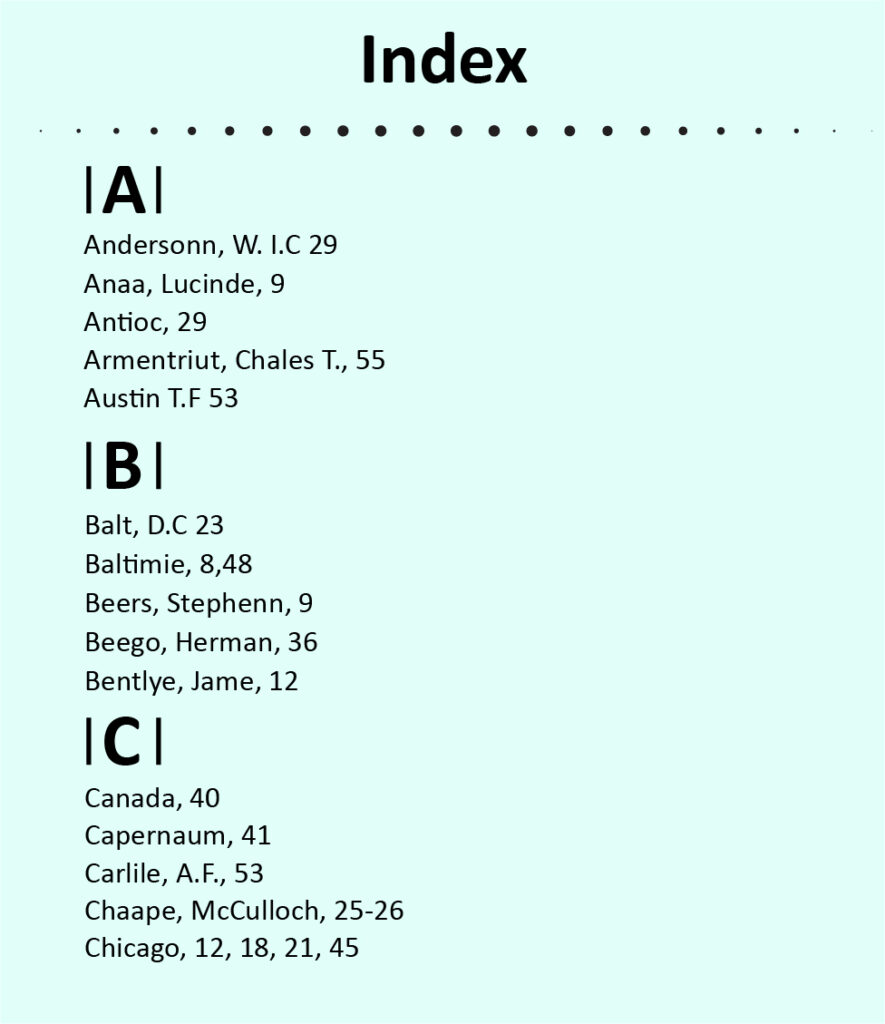
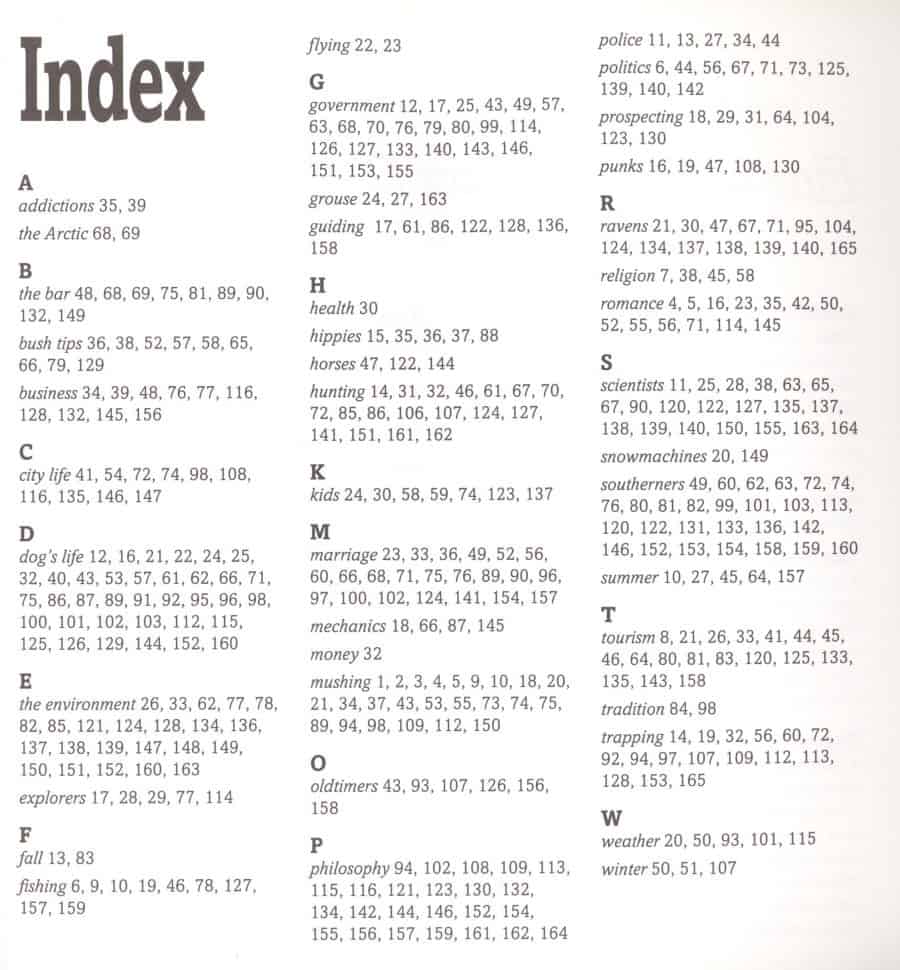
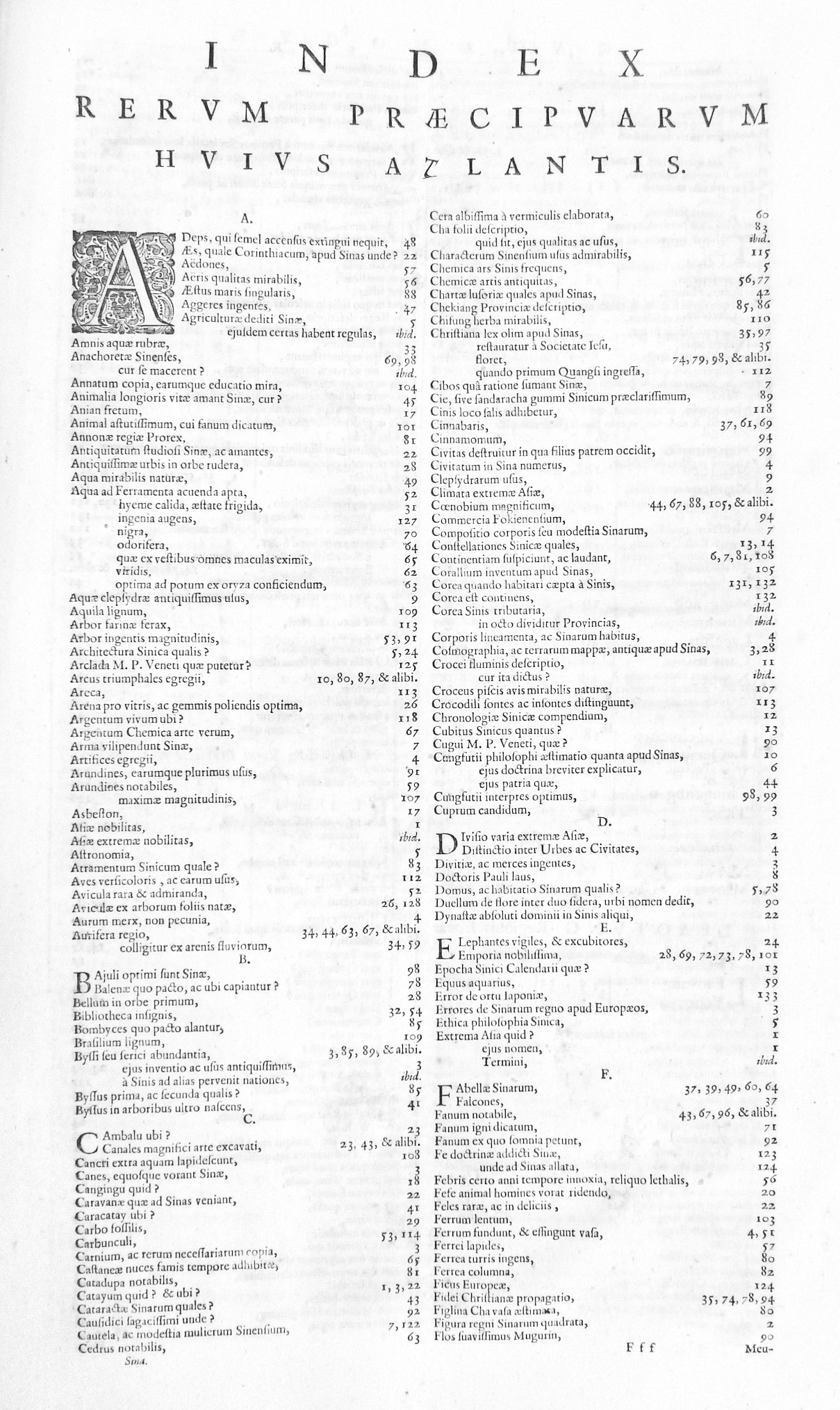
In the physical world, the index of a book serves as a roadmap—a structured list of keywords and topics located at the back of the volume that allows a reader to find specific information without skimming every page. In the realm of technology, the concept of the “index” has undergone a radical transformation. No longer confined to the back of a paperbound book, the index is now the silent engine powering the modern internet, enterprise databases, and artificial intelligence.
Understanding the “index of the book” in a tech context requires looking at how we organize, store, and retrieve information in a digital-first era. From the way Google catalogs billions of web pages to how high-performance databases serve up user data in milliseconds, the index remains the most critical architectural component of the information age.
The Anatomy of a Digital Index: From Physical Pages to Binary Search
At its core, an index is a data structure that improves the speed of data retrieval operations. While a physical book index points to page numbers, a digital index points to specific memory addresses or disk locations where data resides. Without an index, a computer would have to perform a “linear scan”—reading every single record from start to finish—to find a specific piece of information.
The Fundamental Logic of Data Organization
In computer science, indexing is the process of creating a shortcut. Imagine a library with a million books. If you are looking for a specific quote, you could read every book (a linear scan), or you could go to a central catalog that tells you exactly which aisle, shelf, and book contains that quote.
Technically, this is achieved through various structures, most notably the B-Tree or the Hash Map. These structures allow a system to bypass irrelevant data. For example, in a sorted index, a search algorithm can use a “binary search” method, effectively cutting the search area in half with every step. This turns a task that might take hours into one that takes microseconds.
How Algorithms Replicate Human Categorization
The “book” of the modern world is the vast repository of unstructured data we generate daily. Tech developers use indexing algorithms to replicate the human ability to categorize. However, while a human indexer chooses terms based on context and relevance, a digital indexer uses “tokens.”
Tokenization breaks down information into smaller pieces (words, phrases, or symbols), which are then analyzed for frequency and location. This metadata becomes the “index entry.” In the tech world, this allows for sophisticated features like “fuzzy search” (finding results even with typos) and “auto-complete,” both of which rely on a robust, pre-calculated index.
Search Engine Indexing: The “Book” of the World Wide Web
When we ask, “What is the index of the book?” in the context of the internet, the “book” is the World Wide Web itself. Search engines like Google, Bing, and DuckDuckGo do not search the live web in real-time when you type a query. Instead, they search their internal index—a massive, compressed database of every web page they have ever crawled.
Crawling vs. Indexing: Understanding the Process
The process of building this digital index involves two main stages: crawling and indexing. “Crawlers” or “spiders” are automated programs that traverse the web by following links. Once a page is found, the search engine must “index” it.
During indexing, the search engine parses the HTML of the page, identifies the key topics, and catalogs the images and videos. The “Index” is essentially a giant “Inverted Index.” In a traditional book index, you look for a topic to find a page. In an inverted index, the search engine lists every unique word and then attaches a list of every web page where that word appears. This architecture is what allows Google to return millions of results in 0.4 seconds.
Semantic Search and the Shift Toward Intent
In recent years, the tech industry has moved beyond simple keyword indexing. Traditional indexing relied on exact matches, but modern search technology uses “Semantic Indexing.” This involves understanding the intent behind the words.
Using Natural Language Processing (NLP), tech platforms can now index the “meaning” of a page rather than just the strings of text. If you search for “the book’s index,” the engine understands you are looking for information about information retrieval, not just a literal list of books. This shift represents a move from a “strings” based index to a “things” based index, where entities and their relationships are mapped out in a “Knowledge Graph.”
Database Indexing: Ensuring Speed in a Data-Driven Economy
For software developers and data engineers, the “index” is the difference between a functional application and a broken one. In the context of business software—from banking apps to social media platforms—the database index is the unsung hero of user experience.
B-Trees and Hash Maps: The Invisible Architects
Behind every high-speed app is a database management system (DBMS) utilizing complex indexing structures. The B-Tree (Balanced Tree) is the most common. It keeps data sorted and allows for searches, sequential access, insertions, and deletions in logarithmic time.
For tech professionals, choosing the right index type is a strategic decision. A “Clustered Index” determines the physical order of data in a table, while a “Non-Clustered Index” creates a separate structure to point back to the data. If a developer fails to index a high-traffic table properly, the “book” of their data becomes unreadable under pressure, leading to the dreaded “timed out” error.
Why Your App Performance Depends on Its Index
Consider an e-commerce platform with millions of products. When a user filters for “Blue Sneakers under $100,” the server doesn’t look through every product one by one. It hits an index specifically designed for “Color” and “Price.”
However, indexing comes with a “tech tax.” Every time data is added or updated (like a price change), the index must also be updated. This creates a trade-off between read speed and write speed. Optimization in the tech niche revolves around finding the “Goldilocks zone”—having enough indexes to make searches instant, but not so many that the system slows down when saving new information.
The Future of the Index: AI, LLMs, and Vector Databases
As we move into the era of Generative AI and Large Language Models (LLMs) like GPT-4, the definition of an index is changing once again. We are moving away from the “index of the book” as a list of words toward an “index of thoughts.”
Beyond Keywords: Moving to Vector Embeddings
The most significant tech trend in information retrieval today is the “Vector Database.” Unlike traditional databases that index text or numbers, vector databases index “embeddings.” An embedding is a numerical representation of a concept in high-dimensional space.
In this system, the “index” doesn’t look for the word “king.” It looks for a mathematical point that is close to “royalty,” “leader,” and “man.” This allows AI to “index” images, sounds, and complex ideas. When you ask an AI a question, it uses “Vector Indexing” to find the most relevant context from its training data or an external document (a process known as Retrieval-Augmented Generation, or RAG).
The Death of the Traditional Index?
Some tech visionaries argue that as AI becomes more proficient at “reading” data on the fly, the need for static indexes might diminish. However, the reality is the opposite. As the volume of global data grows exponentially, the need for more sophisticated, automated indexing becomes more dire.
The future “index of the book” will likely be self-learning. We are already seeing the rise of “Learned Indexes,” where machine learning models replace traditional B-Trees to predict the location of data more accurately. This fusion of AI and data structures ensures that even as our digital “book” becomes infinitely large, we will always be able to find the exact page we need.
In conclusion, when we ask “what is the index of the book,” we are asking about the fundamental architecture of discovery. In the tech niche, the index has evolved from a simple list to a complex, multidimensional map of human knowledge. Whether it is through the crawling of the web, the optimization of a SQL database, or the mathematical vectors of an AI, the index remains the primary tool that prevents our digital world from collapsing into chaos. Understanding its mechanics is not just for librarians anymore; it is the cornerstone of modern digital literacy.
aViewFromTheCave is a participant in the Amazon Services LLC Associates Program, an affiliate advertising program designed to provide a means for sites to earn advertising fees by advertising and linking to Amazon.com. Amazon, the Amazon logo, AmazonSupply, and the AmazonSupply logo are trademarks of Amazon.com, Inc. or its affiliates. As an Amazon Associate we earn affiliate commissions from qualifying purchases.