
In the realm of modern brand strategy, the clock is more than just a tool for scheduling meetings; it is a psychological map of consumer behavior. While a casual observer might see the transition from afternoon to evening as a mere change in light, a brand strategist sees a fundamental shift in human cognitive load, emotional receptivity, and purchasing intent. Understanding the difference between “afternoon” and “evening” is the difference between a campaign that resonates and one that is ignored.
To build a world-class brand, one must master the art of “day-parting”—the practice of dividing the day into segments to deliver specific messages at the most opportune moments. This article explores the nuanced differences between the afternoon and evening through the lens of brand psychology, digital marketing, and consumer engagement.
1. The Afternoon Persona: Utility, Productivity, and the “Solution” Mindset
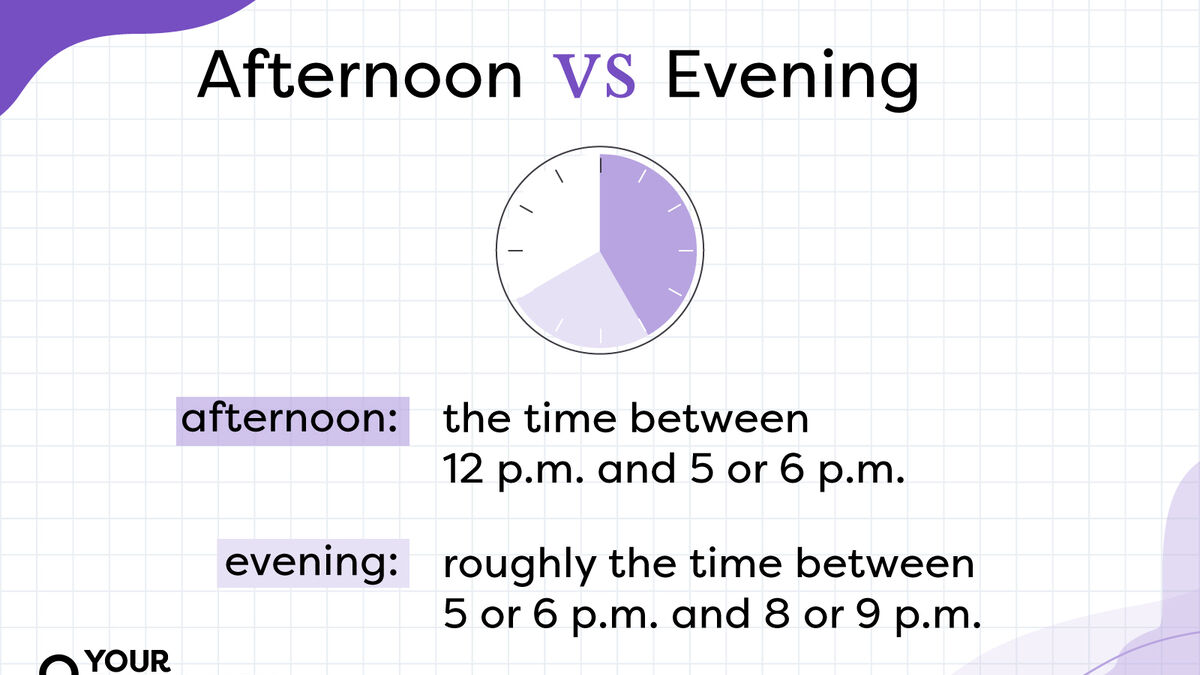
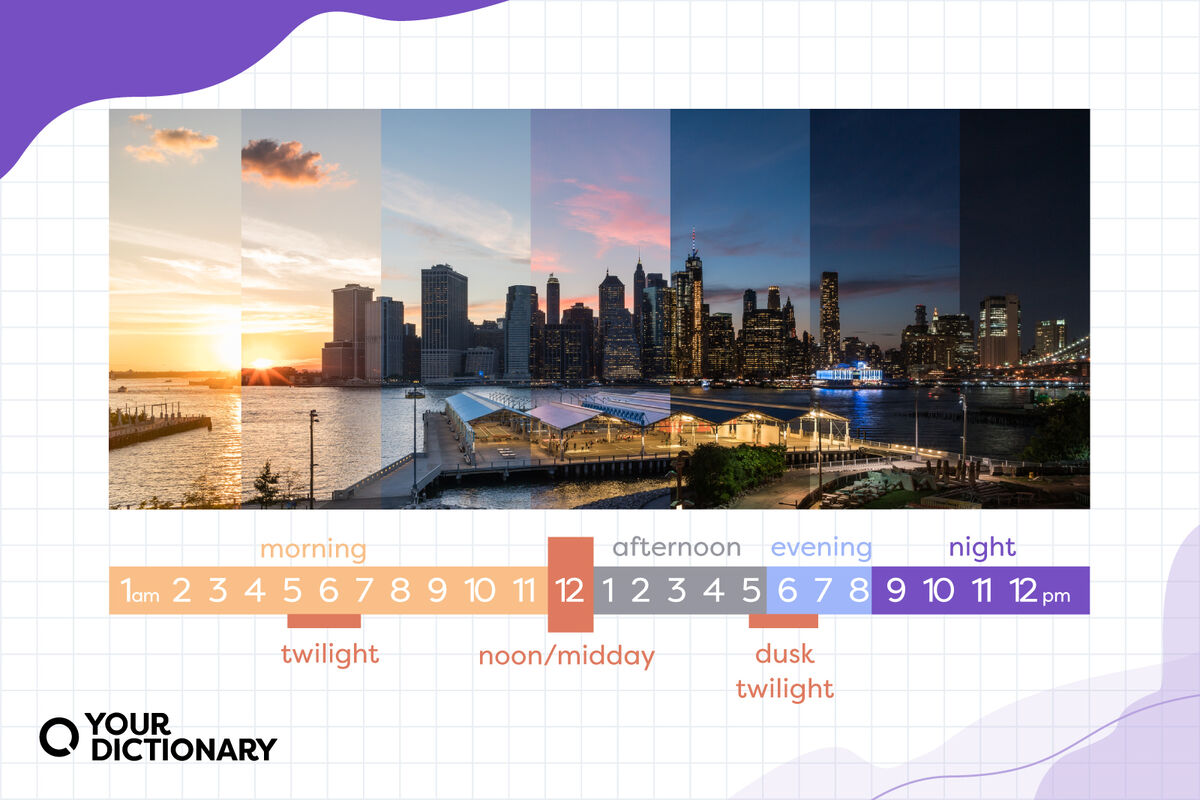
The afternoon, typically defined as the period between 12:00 PM and 5:00 PM, is characterized by the peak of the professional work cycle. For most consumers, this is a time of high activity, task management, and logistical navigation. From a branding perspective, the afternoon consumer is looking for efficiency, utility, and relief from the “afternoon slump.”
The Psychology of Utility
During the afternoon, the human brain is often in “execution mode.” Brands that thrive in this window are those that position themselves as facilitators of productivity. Whether it is a SaaS tool that streamlines a workflow or a beverage brand that promises a caffeine boost, the value proposition must be clear and functional. This is not the time for complex storytelling; it is the time for clear solutions.
B2B Dominance and Transactional Messaging
The afternoon is the prime window for B2B (Business-to-Business) branding. Decisions made during these hours are often rational and budget-conscious. When targeting professionals in the afternoon, brand messaging should focus on ROI (Return on Investment), time-saving features, and reliability. Social media platforms like LinkedIn see a surge in professional engagement during these hours as users seek industry insights that can be applied to their current workday.
Combating the Afternoon Slump
Between 2:00 PM and 4:00 PM, many consumers experience a dip in energy. Strategic brands capitalize on this by offering “micro-rewards.” Snack brands, quick-service restaurants, and wellness apps often deploy “pick-me-up” campaigns during this window. The branding shift here moves from “get work done” to “recharge so you can finish the day.”
2. The Evening Pivot: Transitioning from Logic to Emotion
As the clock strikes 5:00 PM and moves toward 9:00 PM, the consumer’s psychological profile undergoes a radical transformation. The “afternoon” focus on utility fades, replaced by a desire for relaxation, entertainment, and social connection. For a brand, the evening represents a golden opportunity to build emotional equity rather than just driving transactions.
From Functional to Experiential
In the evening, the consumer is no longer looking for a “tool”; they are looking for an “experience.” This is why luxury brands, entertainment platforms, and lifestyle products dominate evening advertising. The branding language shifts from “How this works” to “How this feels.” The evening is the time for immersive storytelling, high-production-value video content, and narrative-driven campaigns that allow the consumer to escape the stresses of the day.
The Rise of Impulsive and Aspirational Purchasing
Data consistently shows that mobile shopping and e-commerce activity spike in the late evening. Once the constraints of the professional day are removed, consumers are more likely to indulge in “retail therapy.” Brands that leverage Instagram or TikTok for influencer marketing find higher conversion rates in the evening because the audience is in a more passive, receptive, and aspirational state of mind.
Community and Shared Identity
The evening is also the time when social circles tighten. Whether it is a family dinner or a virtual gaming session, the evening is social. Brands that position themselves as “facilitators of togetherness”—such as meal-kit services, streaming giants, or beverage companies—can cement their place in the consumer’s personal life. The brand becomes a part of the user’s ritual of unwinding.
3. Day-Parting in Digital Strategy: Optimizing Ad Spend and Content
The strategic difference between afternoon and evening is perhaps most visible in the technical execution of digital marketing. “Day-parting” allows brands to adjust their bidding strategies and creative assets based on the time of day to maximize engagement.

Afternoon Ad Tactics: Quick Wins and Direct Response
In the afternoon, digital ads should be “snackable.” Since users are often checking their phones between tasks or during a lunch break, the call to action (CTA) must be immediate. Search Engine Marketing (SEM) is particularly effective in the afternoon, as users are actively searching for specific products or answers to immediate problems. Branding here should be clean, minimalist, and focused on the “Buy Now” or “Learn More” buttons.
Evening Ad Tactics: Storytelling and Retargeting
As the sun sets, the strategy should shift toward retargeting. If a consumer browsed a product during their afternoon break, the evening is the perfect time to serve them a rich, emotional video ad that reminds them of the brand’s lifestyle benefits. On platforms like YouTube or Netflix (via ad-supported tiers), longer-form content performs better in the evening because the audience has the “cognitive bandwidth” to absorb a brand’s history or values.
The Role of Social Media Algorithms
Social media algorithms prioritize “freshness” and “relevance.” A post made at 2:00 PM serves a different purpose than a post made at 8:00 PM. Afternoon posts should be news-oriented, informative, or “industry-leading” to catch the professional crowd. Evening posts should be aesthetically pleasing, provocative, or community-focused to engage the leisure-oriented audience.
4. Brand Design and Visual Identity Across the Day Cycle
A sophisticated brand strategy also considers how visual elements are perceived differently in the afternoon versus the evening. The “vibe” of a brand can be adjusted through color palettes, lighting in photography, and tone of voice to suit the time of day.
Brightness and Clarity for the Afternoon
Afternoon visual branding often utilizes high-contrast colors, natural “daylight” photography, and plenty of white space. This reflects the clarity and alertness associated with the daytime. It suggests transparency, energy, and professionalism. For a tech brand, this might mean screenshots of a clean user interface; for a fashion brand, it means crisp, outdoor street-style shots.
Warmth and Atmosphere for the Evening
In contrast, evening branding leans into “mood.” Warmer color temperatures, darker backgrounds (the “dark mode” aesthetic), and lifestyle photography that uses ambient light (like candles or city lights) create a sense of intimacy. This visual shift helps the brand transition from a public-facing utility to a private-facing companion. It invites the consumer into a more exclusive, cozy, or premium world.
Tone of Voice: Professional vs. Relatable
The copy used in brand communications should also pivot.
- Afternoon Tone: Authoritative, concise, helpful, and energetic. (e.g., “Boost your productivity today with our new integration.”)
- Evening Tone: Empathetic, conversational, relaxed, and inspiring. (e.g., “You’ve worked hard today. It’s time to rediscover what inspires you.”)
5. Case Studies: Brands That Master the Afternoon-Evening Transition
To understand the practical application of these concepts, we can look at global brands that have built their empires on mastering the transition between these two time periods.
The Beverage Industry: Coffee vs. Cocktails
Starbucks is a master of the afternoon. Their branding in the mid-afternoon revolves around the “afternoon pick-me-up” or the “third place” to work between the office and home. Their app notifications often trigger at 2:00 PM with discounts on cold brews. Conversely, a brand like Aperol or a premium whiskey label focuses entirely on the “Aperitivo” hour or the evening “nightcap,” emphasizing social leisure and the end of the workday.
Streaming Services: The Information/Entertainment Split
YouTube is a powerhouse in the afternoon, often used for tutorials, “how-to” videos, and educational content that helps people solve immediate problems. However, as the evening progresses, the viewership shifts toward long-form entertainment and “lean-back” experiences. Netflix and Disney+ do not compete for the afternoon “utility” space; they own the evening “emotional” space, focusing their brand identity on storytelling and cinematic quality.
E-commerce Giants: Amazon’s Lifecycle
Amazon utilizes the afternoon for logistics and “need-it-now” branding (Prime delivery countdowns). In the evening, their branding shifts through personalized recommendations that encourage “discovery” and “browsing.” They understand that a purchase made at 3:00 PM is often a necessity, while a purchase made at 10:00 PM is often a desire.
Conclusion: The Strategic Importance of the Clock
The difference between evening and afternoon is not merely a matter of hours; it is a shift in the human condition. For a brand to remain relevant, it must be agile enough to meet the consumer where they are, both physically and psychologically.
The afternoon demands a brand that is a partner in progress—efficient, reliable, and clear. The evening demands a brand that is a partner in relaxation—emotional, atmospheric, and inspiring. By mastering “day-parting” and understanding the nuanced psychological shifts between these two periods, brand strategists can ensure that their message doesn’t just reach the consumer, but resonates with them at the exact moment they are most ready to hear it. In the high-stakes world of global branding, timing is not just everything—it is the only thing.
aViewFromTheCave is a participant in the Amazon Services LLC Associates Program, an affiliate advertising program designed to provide a means for sites to earn advertising fees by advertising and linking to Amazon.com. Amazon, the Amazon logo, AmazonSupply, and the AmazonSupply logo are trademarks of Amazon.com, Inc. or its affiliates. As an Amazon Associate we earn affiliate commissions from qualifying purchases.