
In the landscape of modern television, few objects have achieved the level of brand recognition as the 1967 Chevrolet Impala from the long-running series Supernatural. While casual viewers might see it simply as a classic car used by the protagonists, brand strategists and marketing experts view it as a masterclass in identity construction. The “Metallicar,” as it is affectionately known by its global fanbase, transcends its role as a prop to become a primary pillar of the show’s corporate and creative brand. This article explores the strategic branding behind the vehicle, its impact on market perception, and the lessons it offers for building a lasting brand identity.
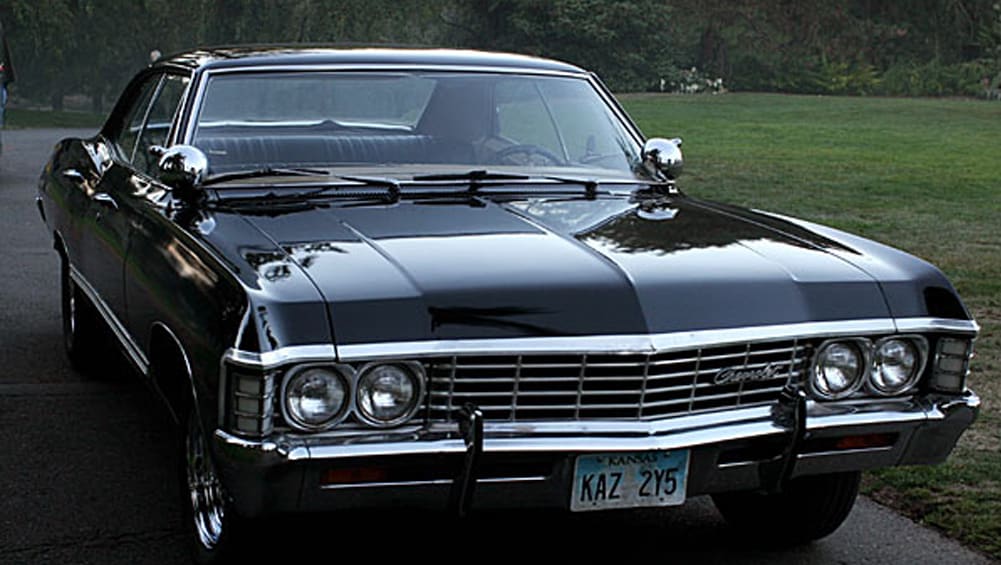
The 1967 Chevrolet Impala as a Core Brand Identity
At its essence, a brand is a promise of consistency and a visual shorthand for a set of values. In the context of Supernatural, the black four-door hardtop Impala serves as the most potent visual anchor for the entire franchise. When a brand can be identified by a single silhouette or a specific sound—such as the rumble of a 327 V8 engine—it has achieved a rare level of market penetration.
From Background Prop to “The Third Lead”
The evolution of the Impala from a mere mode of transportation to what the creators call “the third lead” is a deliberate exercise in brand positioning. In the early stages of the show’s development, the car was chosen specifically to contrast with the sleek, high-tech aesthetics of other mid-2000s procedural dramas. By selecting a rugged, vintage muscle car, the brand immediately signaled its core attributes: grit, Americana, and blue-collar resilience. This positioning allowed the show to carve out a unique niche in a crowded television market, proving that brand identity is often defined as much by what it rejects as what it embraces.
Visual Consistency and Brand Recognition
Consistency is the bedrock of any successful brand. Throughout fifteen seasons, the Impala remained virtually unchanged, providing a stable visual reference point for the audience as the characters and plotlines evolved. In branding terms, this is equivalent to a legacy company maintaining its logo for decades. The car’s specific features—the Ohio license plates (KAZ 2Y5), the spotlight on the driver’s side, and the weathered leather interior—became brand “touchpoints.” For fans, these details are not just aesthetic choices; they are symbols of reliability and authenticity that reinforce the brand’s narrative every time the car appears on screen.
Emotional Branding and the “Family Business” Narrative
Effective branding is rarely about the product itself; it is about the story the product tells and the emotions it evokes. The Supernatural Impala is perhaps the ultimate example of emotional branding, serving as the physical manifestation of the show’s central theme: “Family don’t end with blood.”
Storytelling as a Marketing Tool
In the world of brand strategy, storytelling is the most effective way to build a connection with a target audience. The Impala was meticulously integrated into the show’s lore, with an entire episode (“Swan Song”) dedicated to its history and “biography.” By giving an object a soul, the writers utilized a technique known as brand anthropomorphism. This created a profound emotional bond between the audience and the vehicle. When consumers (viewers) feel a personal connection to a brand asset, their loyalty becomes unshakable. The Impala ceased to be a product of General Motors and became a member of the Winchester family, a feat of narrative branding that few commercial campaigns have ever matched.
Building Community Through Symbolic Objects
A strong brand fosters a sense of community among its users. The Impala became a “campfire” around which the Supernatural fandom gathered. This sense of belonging is a key objective in brand management. The vehicle served as a common language for fans across different cultures and demographics. By owning merchandise featuring the car or attending conventions to see the screen-used vehicles, fans were not just engaging with a show; they were participating in a brand ecosystem. This level of engagement turns customers into brand ambassadors, extending the brand’s reach far beyond the original medium.
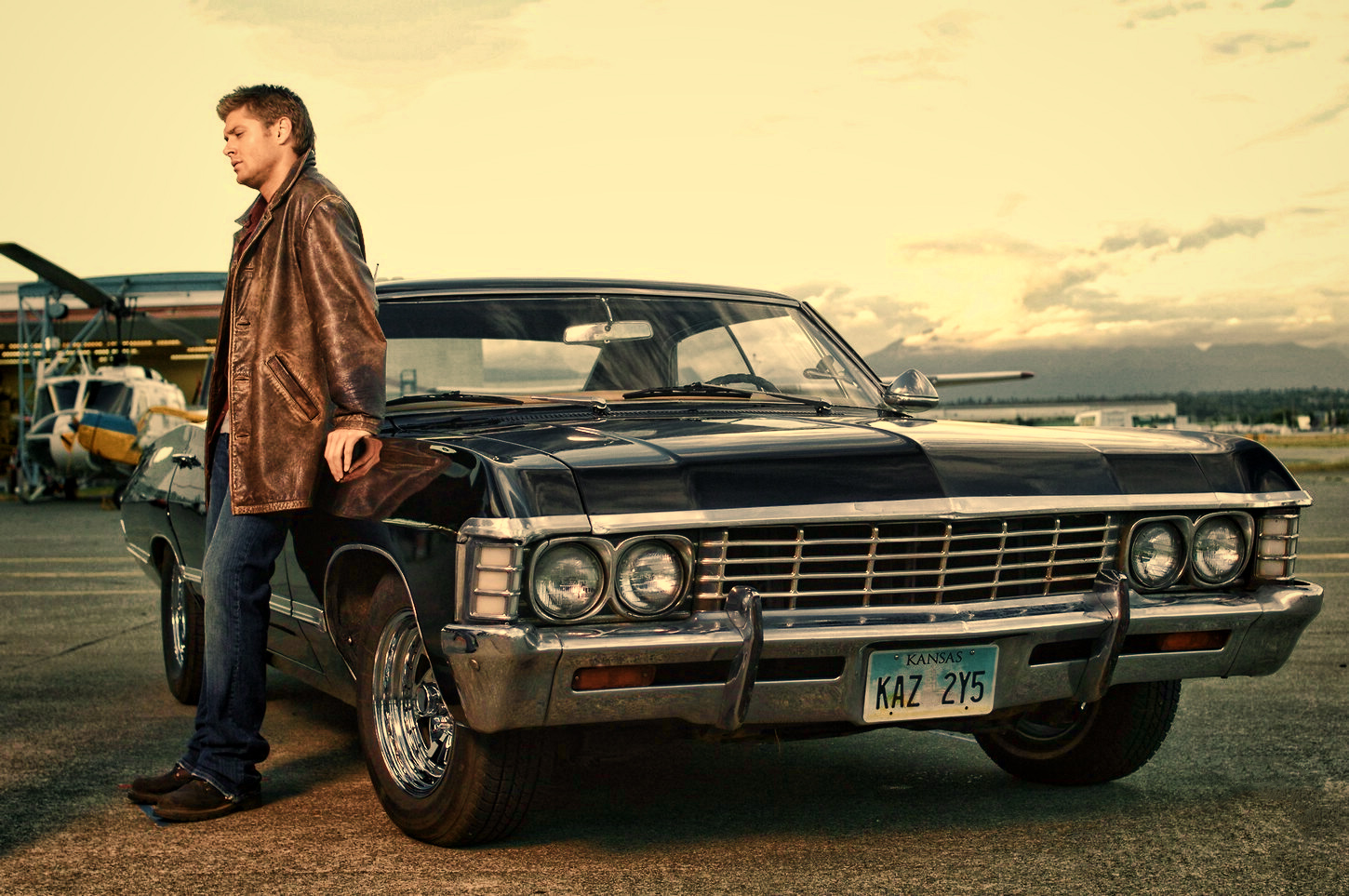
The “Supernatural” Effect on Automotive Brand Equity
The branding power of the show extended beyond the screen and significantly impacted the real-world market value and brand equity of the 1967 Chevrolet Impala. This phenomenon demonstrates how media and entertainment can reshape consumer perceptions of legacy brands.
Revitalizing a Classic: Market Shift and Perception
Before the premiere of Supernatural in 2005, the 1967 four-door Impala was largely overshadowed by its two-door counterparts and more popular muscle cars like the Mustang or the Camaro. However, the show’s success fundamentally altered the automotive market’s “brand map.” As the series grew in popularity, the demand for this specific model skyrocketed. From a branding perspective, the show acted as a fifteen-year-long commercial that successfully repositioned a “family sedan” as an icon of cool, dangerous Americana. This shift in perception added significant brand equity to the Chevrolet nameplate, proving that cultural associations are often more valuable than technical specifications.
Legacy Branding in the Post-Series Era
Even after the series concluded, the brand of the Impala continues to thrive. It has entered the pantheon of iconic cinematic vehicles, alongside the Batmobile and the DeLorean. This longevity is a testament to successful legacy branding. The car has become a collectible asset, with authentic 1967 four-door hardtops fetching premium prices that far exceed their original inflation-adjusted cost. This “halo effect” continues to benefit the broader Supernatural brand, ensuring that the franchise remains relevant in the secondary market through toys, model kits, and high-end replicas.
Strategic Lessons in Personal and Product Branding
The success of the Supernatural Impala offers several high-level takeaways for professionals in brand strategy, marketing, and design. It serves as a case study in how to create an identity that resonates on a visceral level.
Authenticity and Relatability
In an era of digital perfection and polished corporate identities, the Impala’s “brand” was built on authenticity and imperfection. It was often dirty, dented, and repaired with mismatched parts. This choice made the brand relatable. Modern consumers are increasingly drawn to brands that feel “human” and authentic. The lesson for brand managers is clear: trying to appear perfect can often alienate an audience, whereas embracing the “scars” of a brand’s journey can foster deeper trust and loyalty.
Cross-Platform Brand Integration
The Impala was never treated as a separate entity from the characters; it was integrated into every aspect of the brand’s touchpoints. Whether in promotional posters, social media campaigns, or soundtrack selections (the car’s cassette player was a brand element in itself), the vehicle was always present. This holistic approach to brand integration ensures that the message is unified across all platforms. A brand should not be a collection of disconnected parts but a cohesive ecosystem where every element reinforces the others.
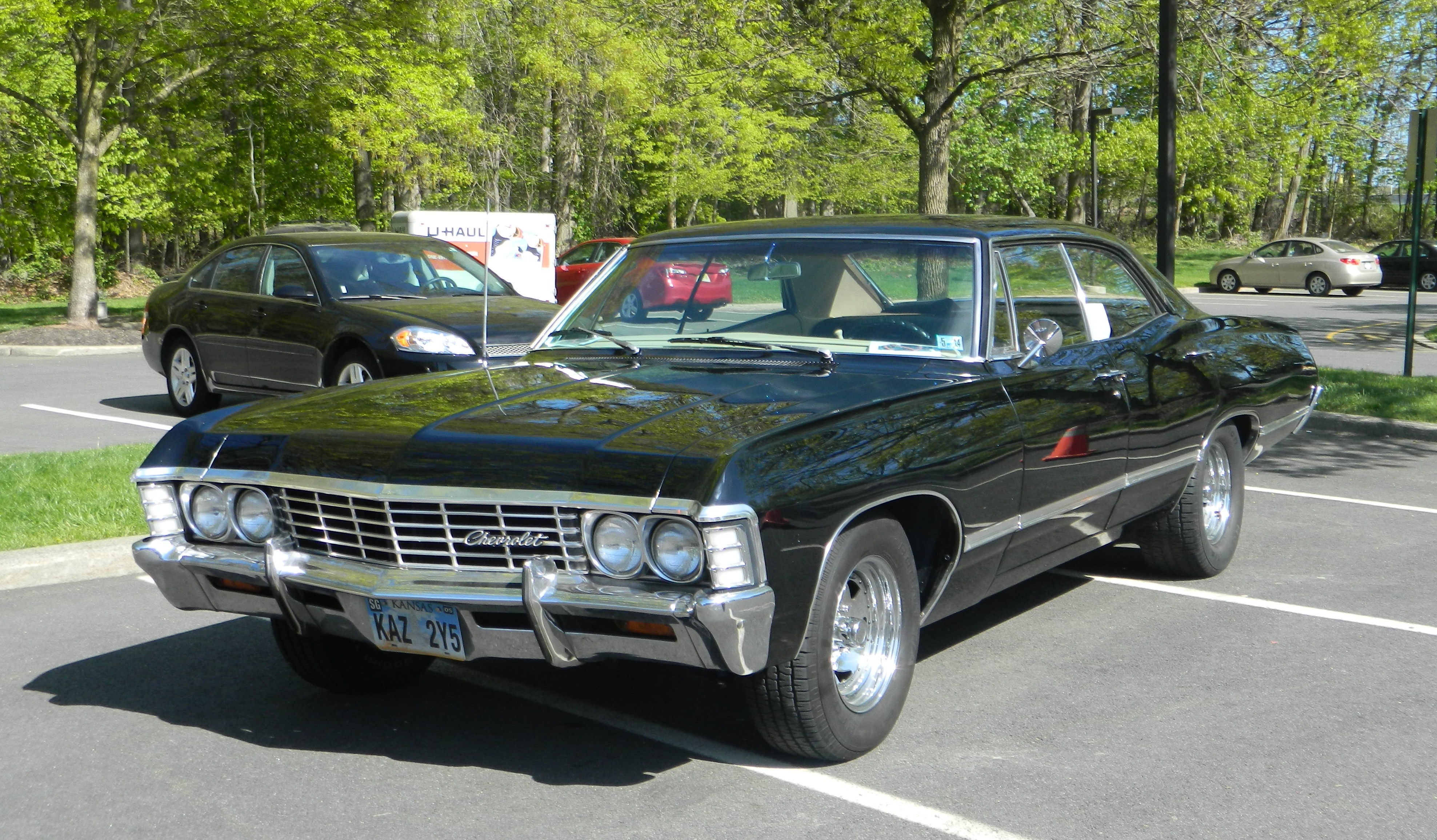
The Power of the “Signature Asset”
Every brand needs a signature asset—something that is instantly recognizable and summarizes the brand’s essence. For Apple, it is the minimalist design; for Coca-Cola, it is the contour bottle. For Supernatural, it is the 1967 Impala. Identifying and nurturing such an asset is crucial for long-term brand survival. By consistently highlighting the car, the creators built a shortcut to the audience’s brain, ensuring that even a fleeting glimpse of a black classic car would trigger an immediate association with the Winchester brothers and their world.
In conclusion, the car from Supernatural is much more than a 1967 Chevrolet Impala. It is a sophisticated brand symbol that exemplifies the intersection of storytelling, emotional marketing, and market influence. Through careful positioning and unwavering consistency, the “Metallicar” transitioned from an assembly-line product to a cultural icon, providing a blueprint for how brands can achieve immortality in the hearts and minds of their audience. Whether in the boardroom or the writer’s room, the strategic deployment of such a powerful brand asset remains one of the most effective ways to build a legacy that lasts.
aViewFromTheCave is a participant in the Amazon Services LLC Associates Program, an affiliate advertising program designed to provide a means for sites to earn advertising fees by advertising and linking to Amazon.com. Amazon, the Amazon logo, AmazonSupply, and the AmazonSupply logo are trademarks of Amazon.com, Inc. or its affiliates. As an Amazon Associate we earn affiliate commissions from qualifying purchases.