
In the state of California, the number “0.08%” is more than just a legal threshold for blood alcohol concentration (BAC); it is a critical financial pivot point. While most public discourse surrounding California’s DUI laws focuses on the legal ramifications—such as jail time or license suspension—the economic consequences are often underreported and underestimated. For individuals navigating the high cost of living in the Golden State, a single instance of exceeding the legal blood alcohol level can trigger a fiscal landslide that persists for a decade.
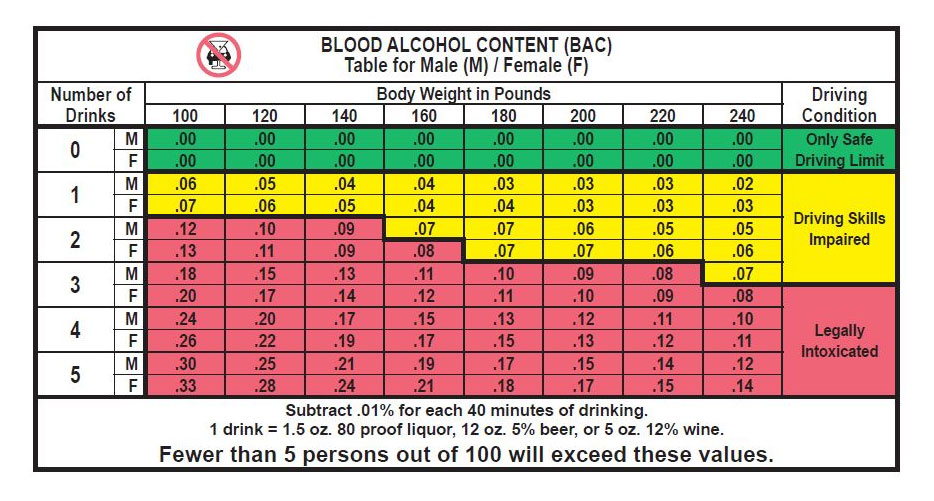
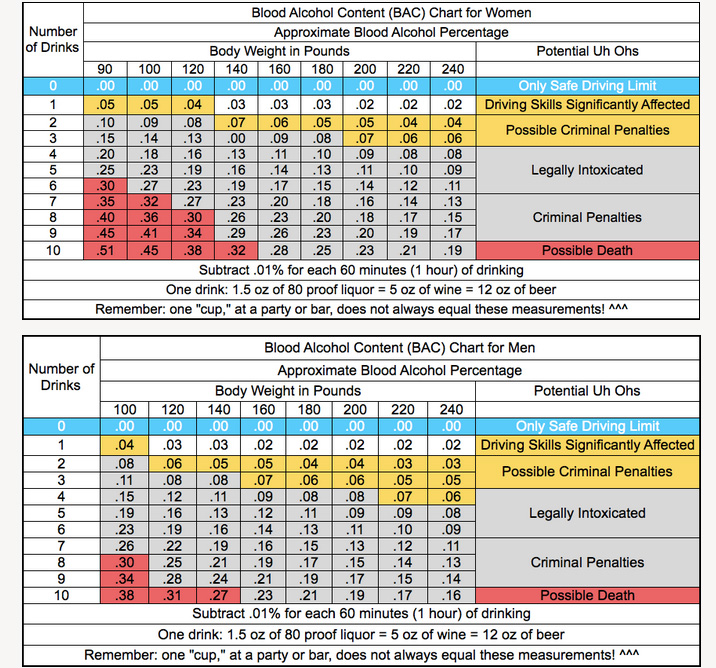
Understanding what the blood alcohol level is in California requires a dual perspective: knowing the legal limit and recognizing the massive personal finance disruption that follows a violation. From immediate statutory fines to the long-term erosion of earning potential, the “price” of 0.08% is a complex calculation of direct expenses and hidden opportunity costs.
The Direct Costs of Exceeding the Legal Limit
When a driver is cited for having a BAC of 0.08% or higher, the immediate financial drain begins within hours. California’s penal system is designed to be self-funding in many respects, meaning the offender bears the brunt of the administrative costs associated with their arrest and processing.
Statutory Fines and the Reality of Penalty Assessments
On paper, the base fine for a first-time DUI offense in California ranges from $390 to $1,000. To the uninitiated, this might seem like a manageable, if painful, expense. However, California utilizes a “penalty assessment” system that multiplies the base fine significantly. These assessments fund everything from courthouse construction to DNA identification funds and state emergency medical services. By the time these “add-ons” are calculated, a $390 base fine can easily transform into a $2,000 to $4,000 total bill. This immediate outflow of liquid capital can be devastating for those without an emergency fund, often forcing individuals into high-interest credit card debt or predatory personal loans.
Vehicle Impoundment and Administrative Fees
Beyond the court-ordered fines, the logistics of a DUI arrest carry their own price tags. When a driver is detained for being over the legal blood alcohol level, their vehicle is typically towed and impounded. In major California metropolitan areas like Los Angeles or San Francisco, towing fees can exceed $300, with daily storage fees ranging from $50 to $100. Furthermore, the California Department of Motor Vehicles (DMV) charges an administrative per se (APS) fee for the reissuance of a driver’s license, adding several hundred dollars to the total. These are non-negotiable costs that must be paid in cash or via certified funds before an individual can even begin the process of legal defense.
The Long-Term Financial Burden: Beyond the Courtroom
The most significant economic damage caused by exceeding California’s 0.08% BAC limit does not happen in the courtroom; it happens in the years that follow. In the world of personal finance, a DUI is a “high-risk” marker that alters an individual’s financial profile in the eyes of insurers and creditors.
The Skyrocketing Cost of SR-22 Insurance
Perhaps the most persistent financial drain following a DUI is the increase in auto insurance premiums. In California, drivers convicted of a DUI are required to file an SR-22 form—a certificate of financial responsibility that proves they carry the state-mandated insurance coverage.
From an investment and cash-flow perspective, the impact is staggering. Insurance rates for a driver with a DUI conviction can increase by 100% to 300%. For a typical Californian paying $2,000 a year for insurance, this could mean an additional $4,000 per year in premiums. Because California’s “look-back” period for DUIs is ten years, the cumulative cost of this insurance hike can exceed $40,000 over a decade. This is capital that could have been directed toward a 401(k), a mortgage down payment, or a diversified stock portfolio, representing a massive loss in compound interest and long-term wealth building.
License Reinstatement and Ignition Interlock Device (IID) Costs
To regain driving privileges, many Californians are now required to install an Ignition Interlock Device (IID). This technology requires the driver to provide a breath sample before the engine starts. The financial burden of the IID is twofold: an initial installation fee (ranging from $100 to $200) and a monthly lease and monitoring fee (averaging $75 to $120). Over a mandatory six-month or one-year period, this represents a significant recurring line item in a monthly budget. When coupled with mandatory DUI education programs—which can cost anywhere from $500 to $3,000 depending on the length of the program—the path to legal compliance becomes a major budgetary hurdle.
Professional and Career-Related Financial Loss
In a modern economy, an individual’s most valuable financial asset is their ability to earn an income. Exceeding the legal blood alcohol level in California poses a direct threat to this asset, particularly for those in licensed professions or roles that require a clean driving record.
Lost Wages and Productivity
The immediate aftermath of a DUI arrest often involves missed work due to court dates, mandatory classes, and community service. For hourly workers, this results in a direct loss of income. For salaried professionals, it may require the use of valuable paid time off (PTO) or result in a loss of bonuses and performance-based incentives. Furthermore, the psychological stress of a pending legal case often leads to decreased productivity, which can hinder long-term career advancement and salary growth.
Impact on Professional Licensing and Future Earnings
California is home to a vast array of regulated industries. Nurses, attorneys, pilots, real estate agents, and commercial drivers all hold licenses that are subject to review following a DUI conviction. The financial fallout of losing a professional license is catastrophic, often resulting in a complete cessation of income and the need for expensive career pivoting. Even for those not in licensed fields, the “background check” hurdle remains. Many high-paying corporate roles involve a company vehicle or require traveling; a DUI on a record can make a candidate unemployable for these positions, effectively capping their career earnings and limiting their upward mobility in the job market.
Legal Defense: Investing in Mitigation
Given the astronomical long-term costs of a DUI conviction, many individuals view the hiring of a specialized attorney not as an expense, but as a strategic financial investment. The goal of legal defense in this context is to mitigate the most expensive penalties or to avoid a conviction altogether.
Retaining Quality Counsel
Legal fees for a DUI defense in California can range from $2,500 for a basic plea deal to upwards of $25,000 for a full jury trial. While these figures represent a significant upfront cost, the “Return on Investment” (ROI) can be substantial if the attorney successfully negotiates a reduction in charges. For example, moving from a DUI conviction to a “wet reckless” charge can save the defendant thousands of dollars in insurance premiums and avoid the mandatory installation of an IID. In this niche of “legal finance,” spending more on an expert today is often the most logical way to protect one’s net worth tomorrow.
Specialist Fees and Expert Witnesses
In complex cases—such as those involving a BAC level that is right at the 0.08% threshold—a defense may require the use of forensic toxicologists or accident reconstruction experts. These specialists charge by the hour, often adding several thousand dollars to the defense budget. From a financial planning perspective, this requires a liquid “defense fund.” Those who have not planned for such contingencies may find themselves unable to afford the very experts who could save them from the long-term $40,000 insurance hike, illustrating the “poverty trap” inherent in the legal system: it is often expensive to save money in the long run.
Conclusion: The Ultimate Cost of 0.08%
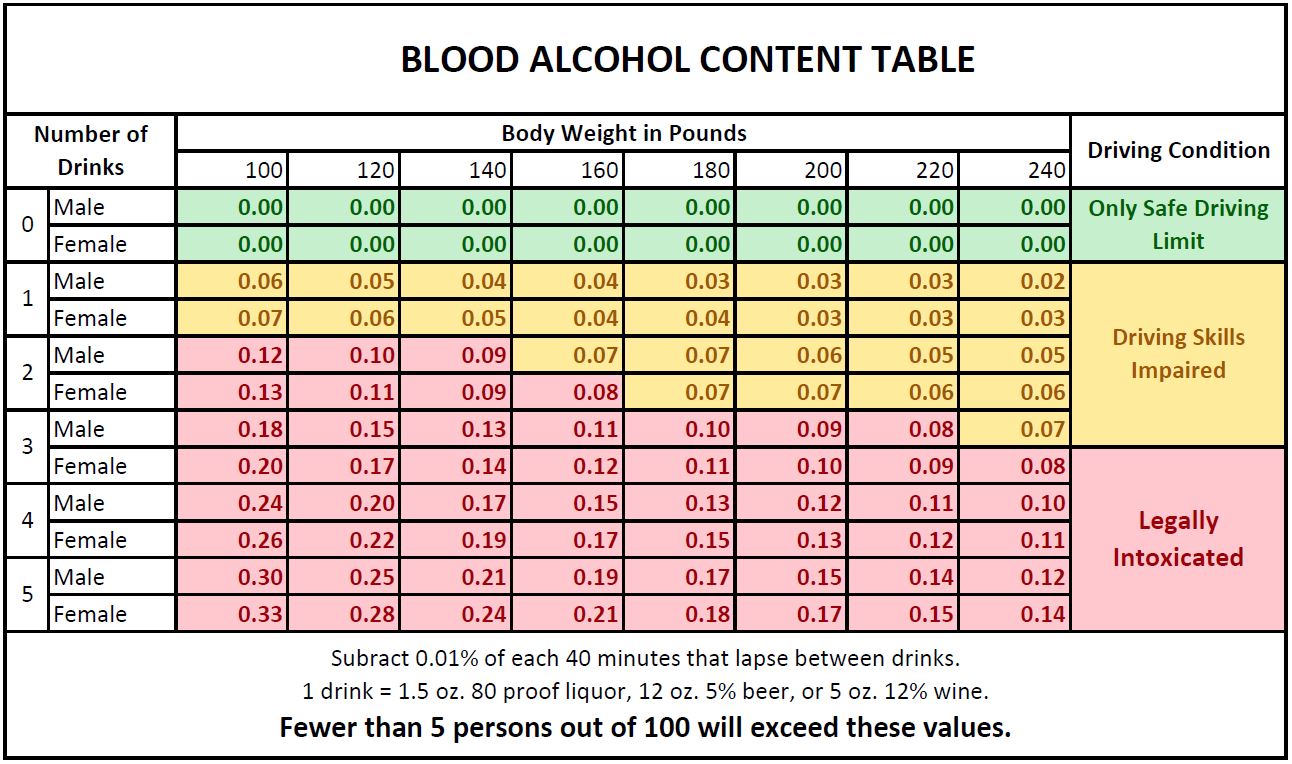
What is the blood alcohol level in California? Legally, it is 0.08%. Financially, it is a variable that can fluctuate between $15,000 and $50,000 in total economic impact over a ten-year period. For the average Californian, this represents one of the most significant financial shocks they will ever face, rivaling the cost of a college education or a major medical emergency.
The “Money” niche of this topic reveals a sobering truth: the state’s enforcement of BAC limits is not just a matter of public safety, but a significant economic engine and a potential disruptor of personal wealth. By understanding the granular breakdown of these costs—from penalty assessments to SR-22 premiums and professional opportunity costs—individuals can better appreciate the staggering “price of a mistake.” In the high-stakes environment of California’s economy, maintaining a clear understanding of the financial risks associated with the legal blood alcohol level is an essential component of responsible financial management.
aViewFromTheCave is a participant in the Amazon Services LLC Associates Program, an affiliate advertising program designed to provide a means for sites to earn advertising fees by advertising and linking to Amazon.com. Amazon, the Amazon logo, AmazonSupply, and the AmazonSupply logo are trademarks of Amazon.com, Inc. or its affiliates. As an Amazon Associate we earn affiliate commissions from qualifying purchases.