
Deciding where to stay in Rome is often framed as a matter of aesthetic preference or proximity to the Colosseum. However, from a financial perspective, the “best” area is defined by a different set of metrics: return on investment (ROI), capital appreciation, rental yields, and the long-term economic stability of the neighborhood. Whether you are looking to purchase a pied-à-terre, invest in a short-term rental property, or relocate for business, understanding the micro-economies of Rome’s diverse districts is essential.
Rome is not a monolithic market. It is a tapestry of fiscal micro-climates where the price per square meter can fluctuate by thousands of euros within a few city blocks. This article analyzes the best areas to stay in Rome through the lens of personal finance and real estate investment, providing a roadmap for those looking to deploy capital in the Eternal City.
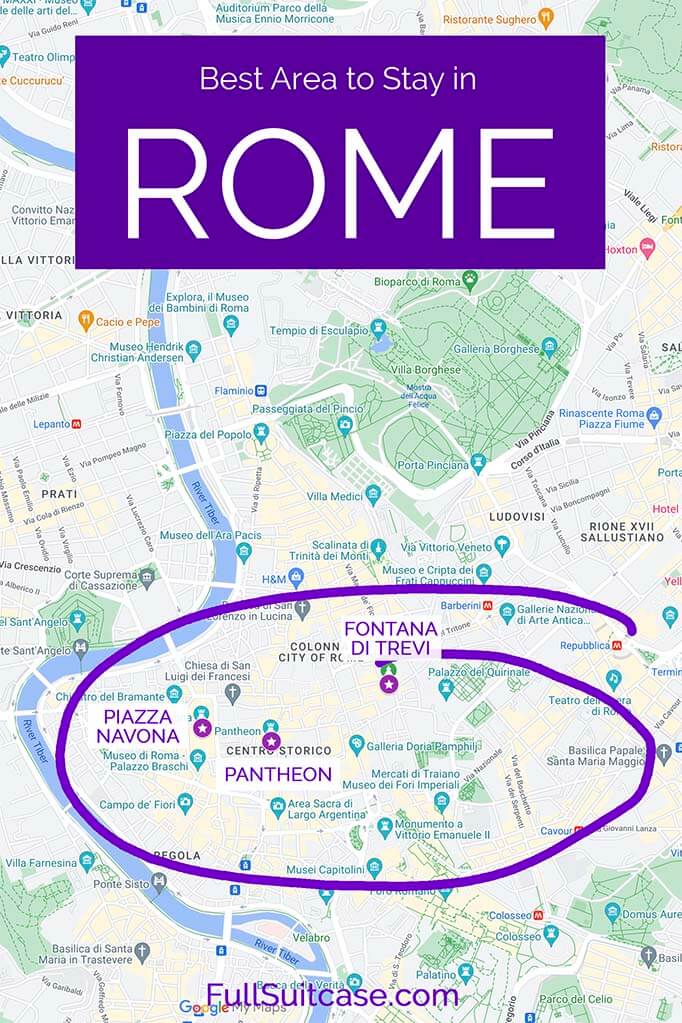
The Economics of the Roman Rental Market
Before diving into specific neighborhoods, one must understand the overarching financial landscape of Rome. As the capital of Italy and a global tourism powerhouse, Rome possesses a “recession-resistant” quality in its central districts. However, the fiscal efficiency of staying in or owning property here depends heavily on the intended use case.
Supply and Demand in the Historic Center (Centro Storico)
The Centro Storico is the ultimate “blue-chip” asset. Historically, property values here have shown remarkable resilience during broader European market downturns. For an investor or a high-net-worth individual staying in Rome, the historic center offers the highest liquidity. Because the supply of housing is strictly limited by UNESCO protections and rigorous preservation laws, the scarcity of inventory acts as a natural floor for property values. From a “cost of stay” perspective, while the initial capital outlay is high, the wealth preservation aspect of this area is unmatched.
Short-Term vs. Long-Term Yields
For those analyzing Rome from an income-generation perspective, the “best” area is often dictated by the spread between short-term rental income (AirBnB, VRBO) and long-term residential leases. In the post-pandemic era, Rome has seen a surge in “digital nomad” visas and professional relocations, leading to a tightening of the long-term rental market. Investors are currently seeing gross rental yields of 3% to 5% in the center, but the real “money” play lies in the transition zones just outside the ancient walls, where entry prices are lower but demand remains high.
High-Yield Neighborhoods for Real Estate Investors
When the objective is to maximize the value of your stay or investment, three neighborhoods stand out as the most financially sound choices in the current market.
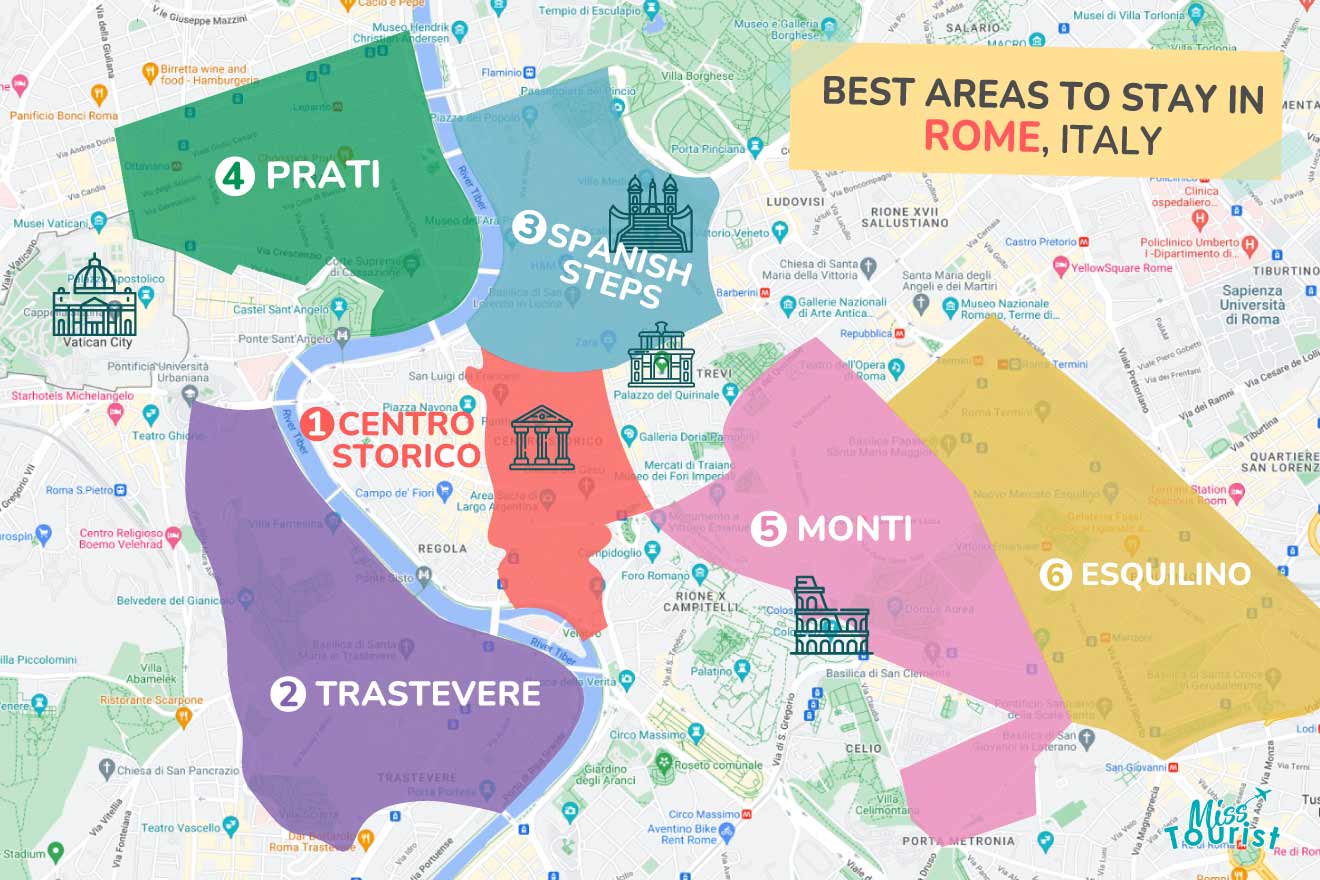
Trastevere: The Cultural Capital with High Occupancy Rates
Trastevere is arguably the most profitable area for short-term rental stays. From a financial standpoint, its “brand equity” as the quintessential Roman neighborhood allows property owners to command a premium on nightly rates. For a traveler or resident, “staying” here means paying a premium for location, but for an owner, it translates to occupancy rates that frequently exceed 85% annually.
The financial upside of Trastevere is its dual appeal: it attracts both high-end tourists and the expatriate student population from nearby American universities. This dual-market demand reduces the risk of seasonal vacancies, making it a stable choice for those looking to hedge their investment against market volatility.
Prati: The Professional Hub for Secure Appreciation
If the Centro Storico is a blue-chip stock, Prati is a high-performing treasury bond. Located just north of the Vatican, Prati is the legal and professional heart of Rome. It features wide, Haussmann-style boulevards and high-quality 19th-century construction.
For the financially minded, Prati is the best area to stay because of its capital appreciation potential. Unlike the historic center, which is largely fully valued, Prati still offers opportunities for renovation-led equity growth. It is a favorite for long-term rentals to professionals (lawyers, judges, and clerks), providing a reliable cash flow that is less sensitive to the whims of the tourism industry.
Parioli: The Wealth Management Choice
For those looking for the “best” in terms of luxury and asset security, Parioli remains the gold standard. This is where Rome’s old money resides. Financially, staying in Parioli is about exclusivity and privacy. While the rental yields may be lower than in more tourist-heavy areas, the asset value is incredibly stable. It is the preferred location for diplomatic residences and corporate executive housing, offering a level of prestige that maintains its value regardless of broader economic shifts.
Emerging Opportunities in the Periphery: The Gentrification Play
For investors and budget-conscious professionals, the best area to stay in Rome often lies in neighborhoods undergoing rapid economic transformation. This is where the highest percentage gains in property value are currently found.
Ostiense and Testaccio: The Industrial-to-Residential Pivot
Testaccio was once the working-class heart of Rome, but it has transitioned into a culinary and cultural hub. Its neighbor, Ostiense, is following a similar trajectory, fueled by the expansion of the Roma Tre University.
From a money perspective, these areas offer a much lower entry price per square meter than the center, with a higher ceiling for growth. The “gentrification play” here is driven by young professionals who are priced out of the center but seek the “authentic” Roman experience. Investing in a stay or a property here is a bet on the continued eastward and southward expansion of the city’s affluent demographic.
Pigneto: The Entry-Level Investment Zone
Pigneto is often compared to Brooklyn’s Bushwick or London’s Shoreditch. It is the epicenter of Rome’s creative class. While it lacks the polished facade of Prati, its financial appeal lies in its rapid appreciation. Five years ago, Pigneto was an undervalued fringe neighborhood; today, it is a hotspot for speculative investment. For those with a higher risk tolerance, Pigneto offers the potential for significant ROI through “flip” projects—buying distressed properties, renovating them to modern tech-friendly standards, and renting them to the growing “creative economy” workforce.
Financial Risk Management in Roman Property
Any discussion of the best area to stay in Rome must include a sober assessment of the fiscal responsibilities and risks associated with Italian real estate.
Tax Implications and Local Regulations (IMU and TARI)
Italy’s tax landscape is complex. Owners must account for the IMU (municipal property tax, unless it is a primary residence) and the TARI (waste tax). Furthermore, the Italian government has recently increased the Cedolare Secca (flat-rate tax) on short-term rentals from 21% to 26% for multiple properties. When calculating the “best” area, one must factor these tax burdens into the net yield. Areas with higher administrative efficiency or lower maintenance costs (like newer builds in Prati) often emerge as superior choices after taxes are deducted.
Maintenance Costs and Historic Preservation Laws
In Rome, the “best” area can quickly become a financial liability if the property falls under strict heritage protections (Vincolo Belle Arti). Renovating a home in the Centro Storico can cost 50% to 100% more than a similar renovation in a modern district due to the requirement for specialized materials and bureaucratic permits. An informed investor looks for areas like San Giovanni or Flaminio, where buildings are historic enough to hold value but modern enough to allow for cost-effective upgrades like HVAC installation and high-speed fiber optic integration.

Conclusion: Maximizing ROI in the Eternal City
The “best” area to stay in Rome is not a universal truth but a strategic choice based on your financial objectives.
If your goal is wealth preservation and high liquidity, the Centro Storico remains the undisputed leader. For maximum rental yield and high occupancy, Trastevere is the primary target. If you are seeking stable, long-term appreciation with a professional tenant base, Prati offers the most balanced risk-to-reward ratio. Finally, for those looking for aggressive growth and gentrification upside, Testaccio and Pigneto represent the frontier of Roman real estate.
Rome is more than a museum; it is a living, breathing economy. By looking past the cobblestones and icons and focusing on the underlying fiscal data, you can ensure that your stay in Rome is not just culturally enriching, but financially transformative. Whether you are paying for a month-long stay or a multi-million euro apartment, the Eternal City rewards those who understand the value of location through the lens of capital.
aViewFromTheCave is a participant in the Amazon Services LLC Associates Program, an affiliate advertising program designed to provide a means for sites to earn advertising fees by advertising and linking to Amazon.com. Amazon, the Amazon logo, AmazonSupply, and the AmazonSupply logo are trademarks of Amazon.com, Inc. or its affiliates. As an Amazon Associate we earn affiliate commissions from qualifying purchases.