
In the rapidly evolving landscape of mechanical engineering and automotive technology, the terms used to describe engine architecture can often feel like a cryptic language. Among the most common acronyms encountered by enthusiasts, engineers, and casual consumers alike is SOHC. Standing for Single Overhead Camshaft, SOHC represents a pivotal milestone in the history of internal combustion technology. It is a design that balances simplicity with performance, providing a bridge between the rudimentary engines of the early 20th century and the high-performance, digitally controlled powerplants of the modern era.
Understanding SOHC is not merely about knowing what the letters stand for; it is about appreciating the technical nuances of how an engine breathes, how it manages friction, and how design choices impact fuel efficiency and power delivery. As we move deeper into an age defined by hybrid systems and electric propulsion, the “tech” behind the internal combustion engine remains a masterpiece of mechanical synchronization.
The Fundamentals of SOHC Technology
At its core, SOHC is a configuration of the valvetrain in a reciprocating engine. To understand its significance, one must first understand the role of the camshaft. The camshaft is essentially the “brain” of the engine’s physical movements; it is a rotating shaft fitted with cams (oblong lobes) that push against valves to open them at precise intervals. These valves allow the air-fuel mixture into the cylinders and let the exhaust gases out.
Definition and Basic Mechanics
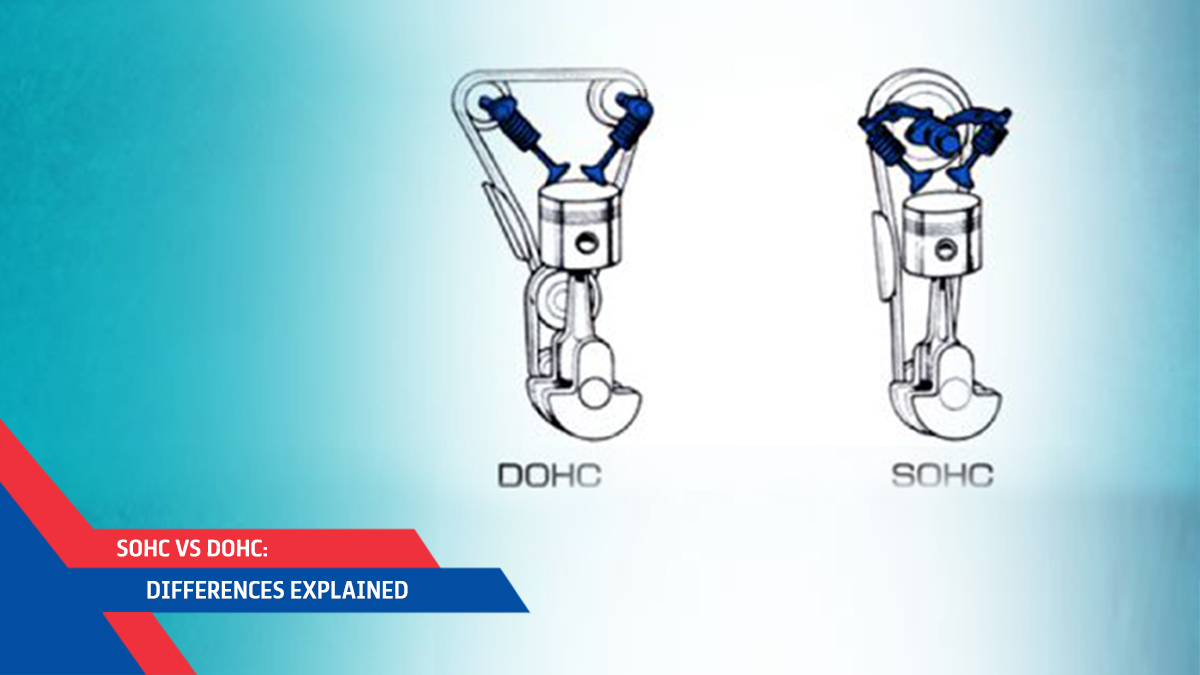
In an SOHC engine, a single camshaft is positioned within the cylinder head, sitting above the valves. This is a departure from older “Flathead” or “Overhead Valve” (OHV) designs where the camshaft was located inside the engine block and relied on long metal pushrods to reach the valves. By placing the camshaft directly above the valves, SOHC eliminates the need for pushrods, reducing the “reciprocating mass”—the weight of the parts that must move back and forth during every engine cycle.
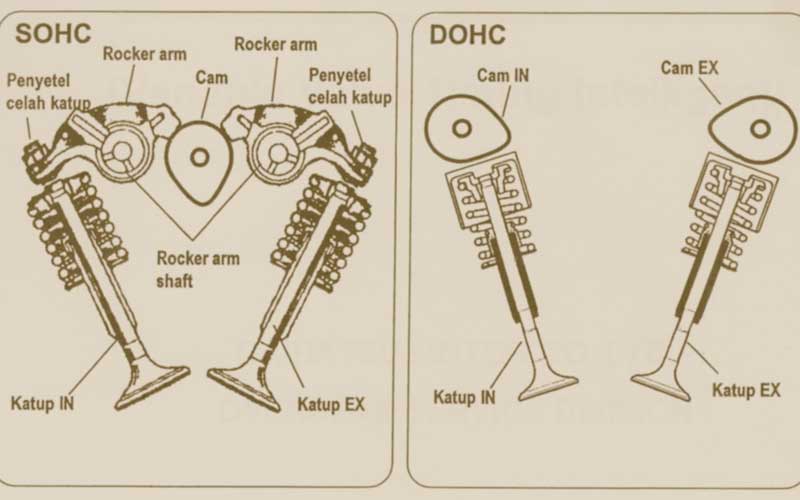
In a typical four-cylinder SOHC engine, the single shaft is responsible for operating both the intake valves and the exhaust valves. This is usually achieved through the use of rocker arms. As the camshaft rotates, the lobes press down on one end of the rocker arm, which pivots to push the valve open. When the lobe passes, a valve spring pulls the valve shut. This mechanical dance happens thousands of times per minute, requiring extreme precision and high-quality materials to withstand the heat and friction.
The Technical Transition from OHV to SOHC
The shift to SOHC was a major “tech” upgrade in automotive history. In older OHV (pushrod) engines, the physical momentum of the heavy pushrods limited how fast the engine could spin (RPM). If the engine spun too fast, the pushrods could bend or the valves could “float,” meaning they wouldn’t close in time. By moving the camshaft to the head (Overhead Cam), engineers reduced the number of moving parts between the cam and the valve. This allowed for higher RPM limits, better airflow, and more precise valve timing. This transition represented a shift toward high-revving, more efficient engines that could produce more power from smaller displacements.
The Engineering Advantages of the SOHC Design
While the world of high-performance racing often touts DOHC (Dual Overhead Camshaft) as the superior technology, the SOHC design remains a staple in the industry for several compelling engineering reasons. It is a classic example of “appropriate technology”—using the right tool for the specific job.
Simplified Maintenance and Reliability
From a technical and service perspective, SOHC engines are generally less complex than their DOHC counterparts. With only one camshaft per cylinder head, there are fewer bearings, fewer cam lobes, and a simpler timing belt or chain arrangement. For the end-user and the technician, this translates to easier maintenance.
In a DOHC system, timing the two separate shafts perfectly is a complex task. In an SOHC system, the synchronization is more straightforward. Furthermore, because there are fewer moving parts, there is statistically a lower probability of mechanical failure within the valvetrain. This inherent reliability is why SOHC technology was the backbone of many of the most legendary “million-mile” engines produced by manufacturers like Honda and Toyota during the late 20th century.
Weight Efficiency and Compact Design
Space is at a premium in modern vehicle design. As safety features and electronic gadgets take up more room under the hood, the physical size of the engine becomes a critical factor. SOHC heads are typically narrower and lighter than DOHC heads.

By utilizing a single shaft to do the work of two, engineers can create a more compact cylinder head. This lower profile allows for a lower hood line, which improves aerodynamics and, by extension, fuel efficiency. Additionally, reducing the weight at the very top of the engine helps lower the vehicle’s center of gravity, which technically improves handling and stability. For tech-focused manufacturers aiming to maximize every square inch of the chassis, the SOHC layout offers a lean, efficient packaging solution.
Performance Characteristics and Real-World Application
When evaluating the “tech” of an engine, performance isn’t just about top speed; it’s about where and how the power is delivered. SOHC engines have a distinct personality when it comes to the torque curve and thermal efficiency.
Low-End Torque and Fuel Economy
One of the most significant technical benefits of SOHC is its ability to provide excellent low-end torque. Because SOHC designs often use two valves per cylinder (one intake, one exhaust) or a specific rocker configuration for three valves, they can maintain high intake air velocity at lower engine speeds. High air velocity leads to better mixing of fuel and air, which results in a more complete combustion cycle.
For the driver, this means the car feels “peppy” and responsive during city driving and stop-and-go traffic. This is a stark contrast to many high-tech DOHC engines that might have more peak horsepower but feel sluggish until they reach high RPMs. Furthermore, the reduced internal friction of spinning one camshaft instead of two contributes directly to better fuel economy, making SOHC a favorite for commuter vehicles and economy-focused tech.
SOHC in the Era of Variable Valve Timing (VVT)
Many people mistakenly believe that SOHC is “old tech” that cannot support modern features. However, engineers have successfully integrated Variable Valve Timing (VVT) into SOHC layouts. A prime example is Honda’s VTEC (Variable Valve Timing and Lift Electronic Control) system.
In an SOHC VTEC engine, the camshaft has multiple lobe profiles for the same valve. At low speeds, the engine uses a fuel-efficient profile. At high speeds, a hydraulic pin locks the rocker arms together to follow a high-performance “race” profile. This tech allows an SOHC engine to mimic the high-RPM breathing capabilities of a DOHC engine while retaining the compact, low-friction benefits of a single cam. It is a brilliant example of how digital and hydraulic technology can extend the life and capability of a mechanical design.
The Evolution of Valvetrain Tech: Where SOHC Fits Today
As we look toward the future of transportation tech, the role of the SOHC engine is changing, but it is far from obsolete. It currently occupies a strategic niche in the global market.
Historical Milestone and Global Impact
The SOHC was the “disruptor” tech of its day. Before it became mainstream, overhead cam technology was reserved for high-end European exotics and race cars. When mass-market manufacturers began adopting SOHC in the 1960s and 70s, it democratized performance. It allowed the average consumer to own a vehicle that was efficient, reliable, and capable of sustained high-speed travel on newly built highway systems. It was the bridge that moved the world away from the heavy, inefficient iron-block engines of the post-war era toward the lightweight aluminum tech of the modern age.
The Role of SOHC in the Hybrid and Modern Era
In the current tech landscape, SOHC continues to find life, particularly in hybrid powertrains. In a hybrid vehicle, the internal combustion engine (ICE) often runs at a constant, optimized speed to charge batteries or provide steady cruising power. Because the electric motor handles the high-torque demands of initial acceleration, the ICE doesn’t always need the complex, high-RPM breathing of a DOHC setup.
An SOHC engine’s light weight and reduced friction make it an ideal partner for an electric motor. By stripping away the weight and complexity of a second camshaft, engineers can focus on “thermal efficiency”—the ability to turn fuel into motion with as little heat loss as possible. In this context, SOHC isn’t a step backward; it is a calculated choice for a system where efficiency is the ultimate metric of success.
In conclusion, SOHC technology is a testament to the endurance of elegant engineering. It proves that in the world of technology, “more” is not always “better.” By optimizing a single shaft to manage the complex breathing of an engine, SOHC has provided the world with decades of reliable, efficient, and accessible transportation. Whether it’s in a vintage motorcycle, a classic 90s tuner car, or a modern fuel-sipping hybrid, the Single Overhead Camshaft remains a vital component in the history and future of mechanical innovation.
aViewFromTheCave is a participant in the Amazon Services LLC Associates Program, an affiliate advertising program designed to provide a means for sites to earn advertising fees by advertising and linking to Amazon.com. Amazon, the Amazon logo, AmazonSupply, and the AmazonSupply logo are trademarks of Amazon.com, Inc. or its affiliates. As an Amazon Associate we earn affiliate commissions from qualifying purchases.