
In the contemporary digital landscape, the volume of data generated by global enterprises is staggering. From instant messages and emails to video conferencing and social media interactions, the modern workplace is no longer confined to a single building or a primary communication tool. For organizations operating in highly regulated sectors—such as finance, healthcare, and government—this explosion of “unstructured data” presents a massive technological challenge. This is where Smarsh enters the frame.
Smarsh is a global leader in enterprise information archiving and digital communications monitoring. At its core, it is a sophisticated technology stack designed to capture, store, and analyze data from over 100 different communication channels. As companies transition away from legacy systems toward cloud-native environments, Smarsh provides the infrastructure necessary to ensure that every byte of communication is retained in a tamper-proof, searchable, and compliant manner.
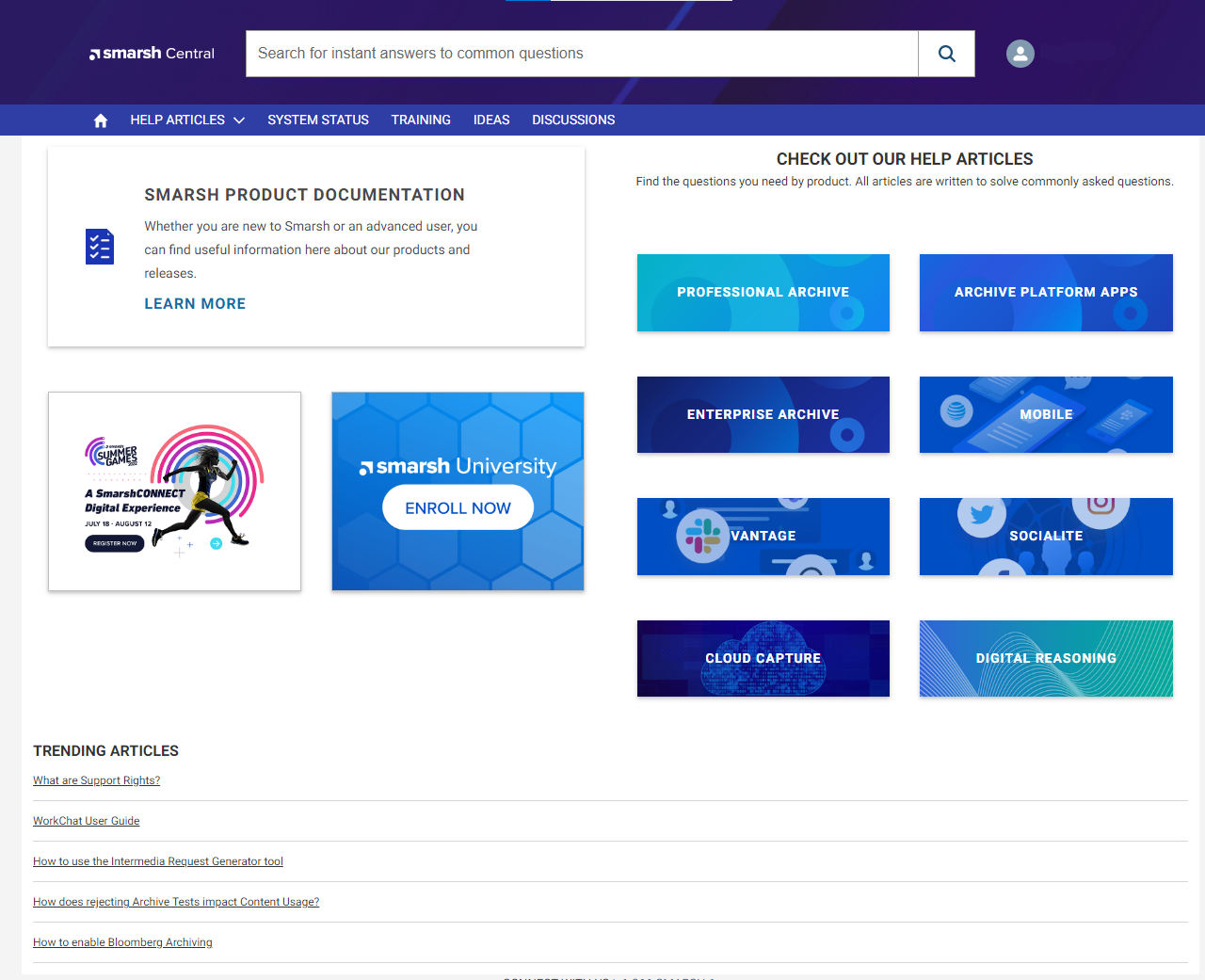
The Core Technology: How Smarsh Revolutionizes Data Archiving
The traditional method of data archiving often involved simple “email journaling,” where a copy of every sent and received email was stored on a local server. However, the rise of “Shadow IT” and the proliferation of collaboration tools like Slack, Microsoft Teams, and Zoom have made these legacy systems obsolete. Smarsh has pioneered a more robust, holistic approach to data capture.
The Capture Mechanism: Supporting 100+ Channels
One of the primary technological differentiators for Smarsh is its ability to capture content in its native format. When a user sends a message on WhatsApp or shares a file on Microsoft Teams, Smarsh does not merely convert it into a flat PDF or a text file. Instead, it captures the full context of the interaction, including metadata, emojis, reactions, and threaded replies. This is crucial for forensic analysis, as it allows investigators to see exactly how a conversation unfolded in its original digital environment.
Cloud-Native Architecture and Scalability
Unlike older on-premise solutions that struggle with the sheer scale of modern data, Smarsh is built on a cloud-native architecture. By leveraging the power of the public cloud, Smarsh can scale horizontally to meet the needs of the world’s largest multinational corporations. This architecture ensures that data ingestion remains seamless, even during peak hours when millions of messages are being generated simultaneously. Furthermore, its API-first approach allows for deep integration with an organization’s existing tech stack, ensuring that the archive is not an isolated silo but a functional part of the IT infrastructure.
Immutable Storage and WORM Compliance
From a technical and legal standpoint, the integrity of archived data is paramount. Smarsh utilizes “Write Once, Read Many” (WORM) storage protocols. This technology ensures that once a piece of data is archived, it cannot be altered, deleted, or overwritten for the duration of its retention period. This immutability is the bedrock of digital compliance, providing a “Golden Record” that can be verified in a court of law or during a regulatory audit.
Artificial Intelligence and Machine Learning in Surveillance
As the volume of digital communication grows, it becomes humanly impossible for compliance officers to manually review every message. To solve this, Smarsh integrates advanced Artificial Intelligence (AI) and Machine Learning (ML) into its platform to automate the surveillance and discovery process.
Automated Risk Detection
Smarsh’s AI engines are trained to recognize patterns that indicate potential risks, such as insider trading, money laundering, or workplace harassment. Rather than relying solely on simplistic “keyword hits”—which often generate a high number of false positives—the ML models analyze the sentiment and context of conversations. For instance, the system can distinguish between a casual mention of “making a killing” (slang for profit) and a genuine threat or illicit activity.
Natural Language Processing (NLP) for Contextual Analysis
By utilizing Natural Language Processing, Smarsh can “understand” different languages and dialects, as well as the unique jargon used within specific industries. This allows for more nuanced monitoring across global teams. The AI can flag anomalies in communication behavior, such as a sudden shift in the frequency of messages between a trader and a client, or the use of encrypted language designed to bypass standard filters.

Intelligent Review Workflows
The tech stack also includes a “Supervision” module that streamlines the workflow for human reviewers. The AI prioritizes the most high-risk alerts, allowing compliance teams to focus their energy where it is most needed. This “Human-in-the-Loop” model ensures that while the machine does the heavy lifting of sorting through petabytes of data, the final judgment is made by an expert, backed by comprehensive data visualizations and audit trails.
Navigating the Complexities of Global Digital Compliance
Technology does not exist in a vacuum; it must respond to the rigorous demands of global regulators. Smarsh is specifically engineered to help organizations satisfy the requirements of bodies such as the SEC (Securities and Exchange Commission), FINRA (Financial Industry Regulatory Authority), and the FCA (Financial Conduct Authority).
Meeting SEC and FINRA Requirements
In the United States, SEC Rule 17a-4 and FINRA Rule 3110 set high standards for how financial records must be kept. These rules mandate that communications must be archived for specific periods and must be readily accessible for examination. Smarsh provides the technological framework to meet these “books and records” requirements, offering high-speed search capabilities that allow a firm to produce specific documents in minutes rather than weeks.
GDPR, CCPA, and Data Sovereignty
In addition to financial regulations, Smarsh helps organizations navigate the complex world of data privacy laws like the GDPR (General Data Protection Regulation) in Europe and the CCPA (California Consumer Privacy Act). These laws often require that data be stored within specific geographic borders (Data Sovereignty) and that individuals have the “Right to be Forgotten.” Smarsh’s platform allows for granular control over data residency and the ability to surgically delete specific records if legally required, without compromising the integrity of the rest of the archive.
E-Discovery and Legal Hold
When litigation occurs, the “E-Discovery” process can be one of the most expensive and time-consuming aspects of a legal defense. Smarsh simplifies this by offering powerful search and export tools. Legal teams can place specific users or topics on “Legal Hold,” ensuring that relevant data is preserved and protected from standard deletion schedules. The ability to export data in a review-ready format saves thousands of hours in manual data preparation.
Cyber Security and the Future of the Digital Archive
In an era where data breaches are a constant threat, the security of the archive itself is a critical technological concern. Smarsh invests heavily in a “Zero Trust” security model to ensure that the sensitive data it holds is protected from both external hackers and internal threats.
Encryption at Rest and in Transit
All data captured by Smarsh is encrypted using industry-standard protocols (such as AES-256) both while it is moving across the network (in transit) and while it sits on the storage servers (at rest). This multi-layered encryption ensures that even if a data packet is intercepted, it remains unreadable to unauthorized parties.
Multi-Factor Authentication and Access Control
To prevent unauthorized access to the archive, Smarsh employs strict Identity and Access Management (IAM) protocols. This includes Multi-Factor Authentication (MFA) and Role-Based Access Control (RBAC). In a large enterprise, not everyone should have the power to view every message; RBAC allows administrators to restrict access so that a compliance officer in London can only see data relevant to their jurisdiction, while a global IT admin can manage the system without seeing the content of the messages.
The Evolution Toward “The Connected Archive”
As we look toward the future, the technology behind Smarsh is evolving from a reactive storage solution into a proactive business intelligence tool. The “Connected Archive” concept suggests that the data stored for compliance reasons can also be used to gain insights into employee productivity, customer satisfaction, and internal collaboration patterns. By applying Big Data analytics to the archive, companies can turn a regulatory burden into a technological asset.

Conclusion
Smarsh represents the intersection of advanced software engineering and the evolving demands of the regulatory world. By providing a scalable, cloud-native platform that leverages AI and ML, Smarsh allows modern enterprises to embrace the latest communication technologies without fearing the legal or security consequences. In a world where “everything is recorded,” Smarsh ensures that those records are not just a liability to be managed, but a secure, searchable, and intelligent foundation for the digital workplace. Whether it is protecting a firm from a billion-dollar fine or providing the evidence needed in a high-stakes lawsuit, Smarsh stands as the silent technological backbone of the modern compliant enterprise.
aViewFromTheCave is a participant in the Amazon Services LLC Associates Program, an affiliate advertising program designed to provide a means for sites to earn advertising fees by advertising and linking to Amazon.com. Amazon, the Amazon logo, AmazonSupply, and the AmazonSupply logo are trademarks of Amazon.com, Inc. or its affiliates. As an Amazon Associate we earn affiliate commissions from qualifying purchases.