
Steel, a ubiquitous material in our modern world, owes its versatility and widespread application to its remarkable ability to be manipulated and refined. While the raw form of steel possesses inherent strength, it’s through various heat treatments that its properties can be precisely tailored for specific uses. Among these, annealing stands out as a fundamental and transformative process. But what exactly is annealed steel, and why is it so crucial across diverse industries? This article delves into the heart of steel annealing, exploring its definition, the science behind it, its profound impact on material properties, and its far-reaching applications, connecting these technical aspects to the broader themes of technology, brand building, and financial efficiency.
The Science of Softening: Understanding Steel Annealing
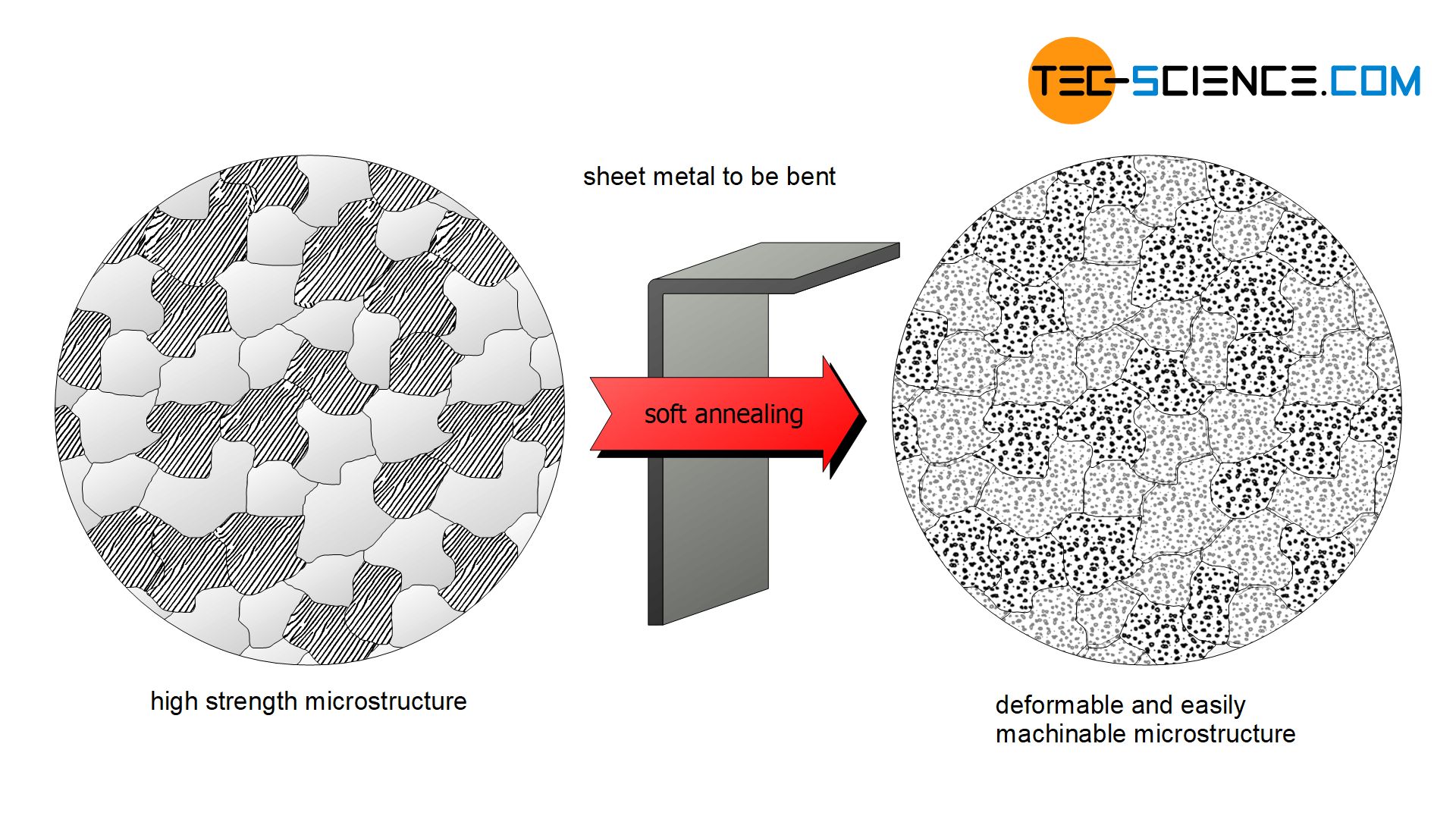
At its core, annealing is a heat treatment process designed to soften steel, reduce internal stresses, improve ductility, and enhance machinability. The process involves heating the steel to a specific temperature, holding it there for a predetermined duration, and then cooling it slowly. The exact temperatures, hold times, and cooling rates are critical and depend entirely on the type of steel being treated and the desired outcome.
The Microstructural Transformation
To truly grasp what annealed steel is, we must understand what happens at the microscopic level. Steel is primarily an alloy of iron and carbon. When heated, the crystalline structure of steel undergoes significant changes.
-
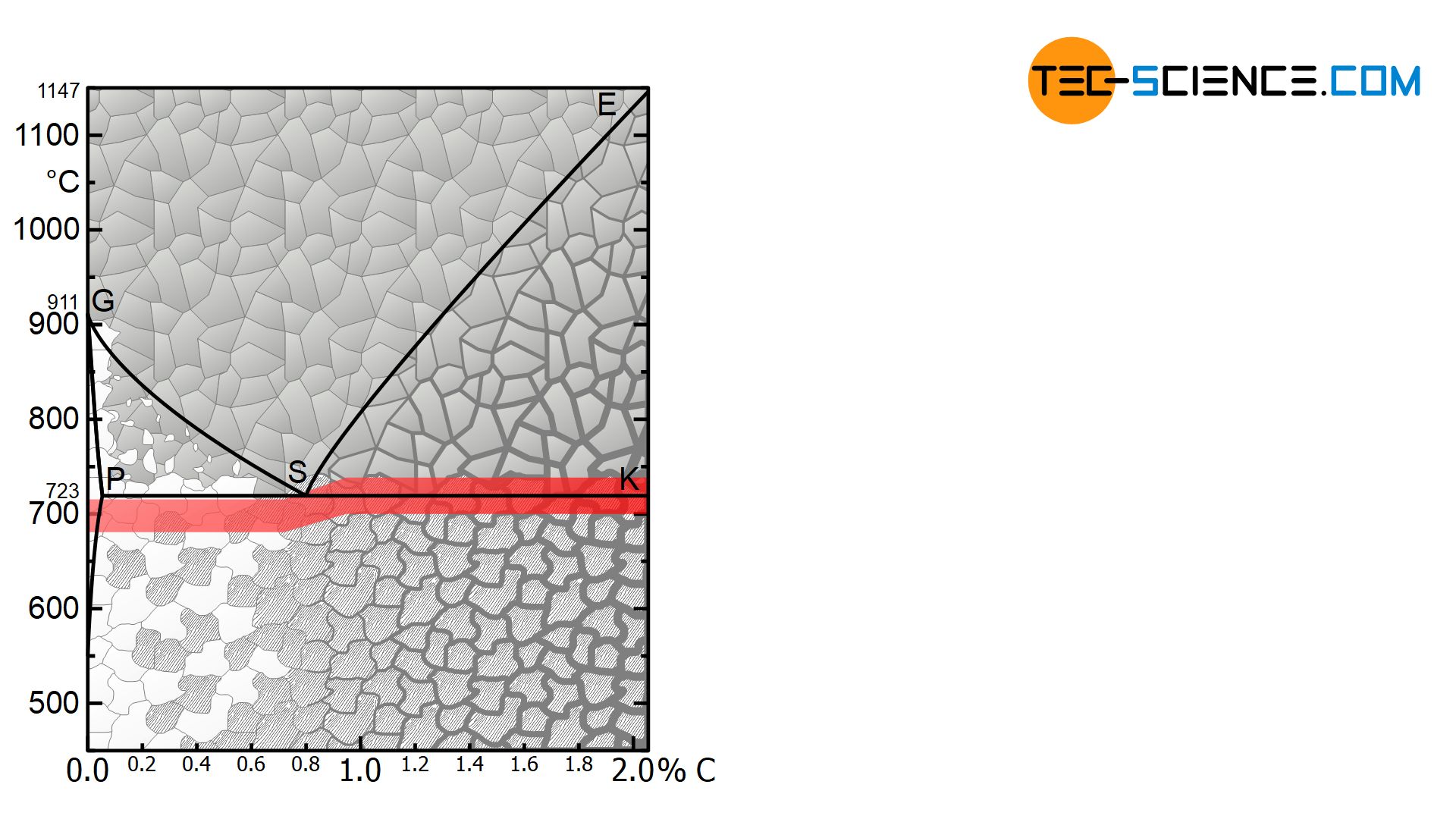
Austenitization: The first crucial step involves heating the steel to its austenitizing temperature. At this stage, the iron atoms rearrange into a face-centered cubic (FCC) lattice structure, known as austenite. Austenite is a solid solution where carbon atoms can dissolve more readily into the iron matrix compared to lower temperatures. This phase is relatively soft and ductile.
-
Holding (Soaking): The steel is then held at this austenitizing temperature for a period, known as soaking. This ensures that the heat penetrates uniformly throughout the material, allowing for complete transformation into austenite and for carbon atoms to distribute evenly within this structure.
-
Slow Cooling: The defining characteristic of annealing is the slow cooling process. This is typically achieved by allowing the steel to cool down naturally within the furnace, or sometimes by burying it in an insulating material like sand or ash. This slow cooling prevents the formation of harder, more brittle microstructures. Instead, as the steel cools, the austenite transforms into more desirable phases, such as ferrite and pearlite.
- Ferrite: This is a body-centered cubic (BCC) iron structure that is relatively soft and very ductile.
- Pearlite: This is a lamellar (layered) structure composed of alternating plates of ferrite and cementite (iron carbide). While harder than pure ferrite, it is still much softer and more ductile than structures formed by rapid cooling.
The slow cooling allows for the formation of larger, softer grains and a more uniform distribution of carbon. This microstructure is the hallmark of annealed steel, imparting the desired properties of softness, ductility, and reduced internal stresses.
Types of Annealing
While the fundamental principle remains the same, there are several specific types of annealing, each tailored for slightly different objectives:
-
Full Annealing: This is the most common type, involving heating to the austenitizing temperature followed by very slow cooling. It results in maximum softness, ductility, and refinement of grain structure. This is often applied to steels that have been previously hardened or cold-worked.
-
Process Annealing: This type is used to soften steel that has been cold-worked, but it’s performed at a lower temperature, below the lower critical temperature of the steel. It aims to relieve stresses and restore some ductility without causing a complete phase transformation.
-
Stress Relief Annealing: This process is employed to reduce or eliminate internal stresses that may have been introduced during manufacturing processes like welding, casting, or machining. It involves heating the steel to a temperature below the lower critical temperature and holding it for a period, followed by slow cooling. This relaxes the stresses without significantly altering the microstructure.
-
Spheroidizing Annealing: This is a more specialized form of annealing where the cementite particles within the pearlite structure are broken down and reformed into small, spherical shapes. This dramatically increases ductility and machinability, making the steel ideal for operations requiring significant deformation, like cold drawing.
The Transformative Impact on Steel Properties
The process of annealing doesn’t just change the appearance of steel; it fundamentally alters its mechanical and physical properties, making it suitable for a broader range of applications.
Improved Ductility and Toughness
One of the most significant benefits of annealing is the dramatic increase in ductility. Ductility refers to a material’s ability to deform under tensile stress – essentially, how much it can be stretched or drawn without breaking. Annealed steel can be bent, shaped, and worked extensively without fracturing. This is crucial for manufacturing processes that involve forming, stamping, or drawing steel into complex shapes. Coupled with improved ductility is enhanced toughness, which is the ability of a material to absorb energy and deform plastically before fracturing.
Reduced Hardness and Strength
Conversely, annealing reduces the hardness and tensile strength of steel. This might seem counterintuitive, as steel is often valued for its strength. However, for many applications, extreme hardness can be a disadvantage, leading to brittleness and difficulty in machining. By softening the steel, annealing makes it easier to cut, shape, and form.
Enhanced Machinability
Annealed steel is significantly easier to machine. The softer microstructure allows cutting tools to remove material more efficiently, with less tool wear and at higher speeds. This translates into lower manufacturing costs, faster production cycles, and the ability to achieve tighter tolerances. For components that require intricate machining, starting with annealed steel is often a prerequisite.
Relief of Internal Stresses
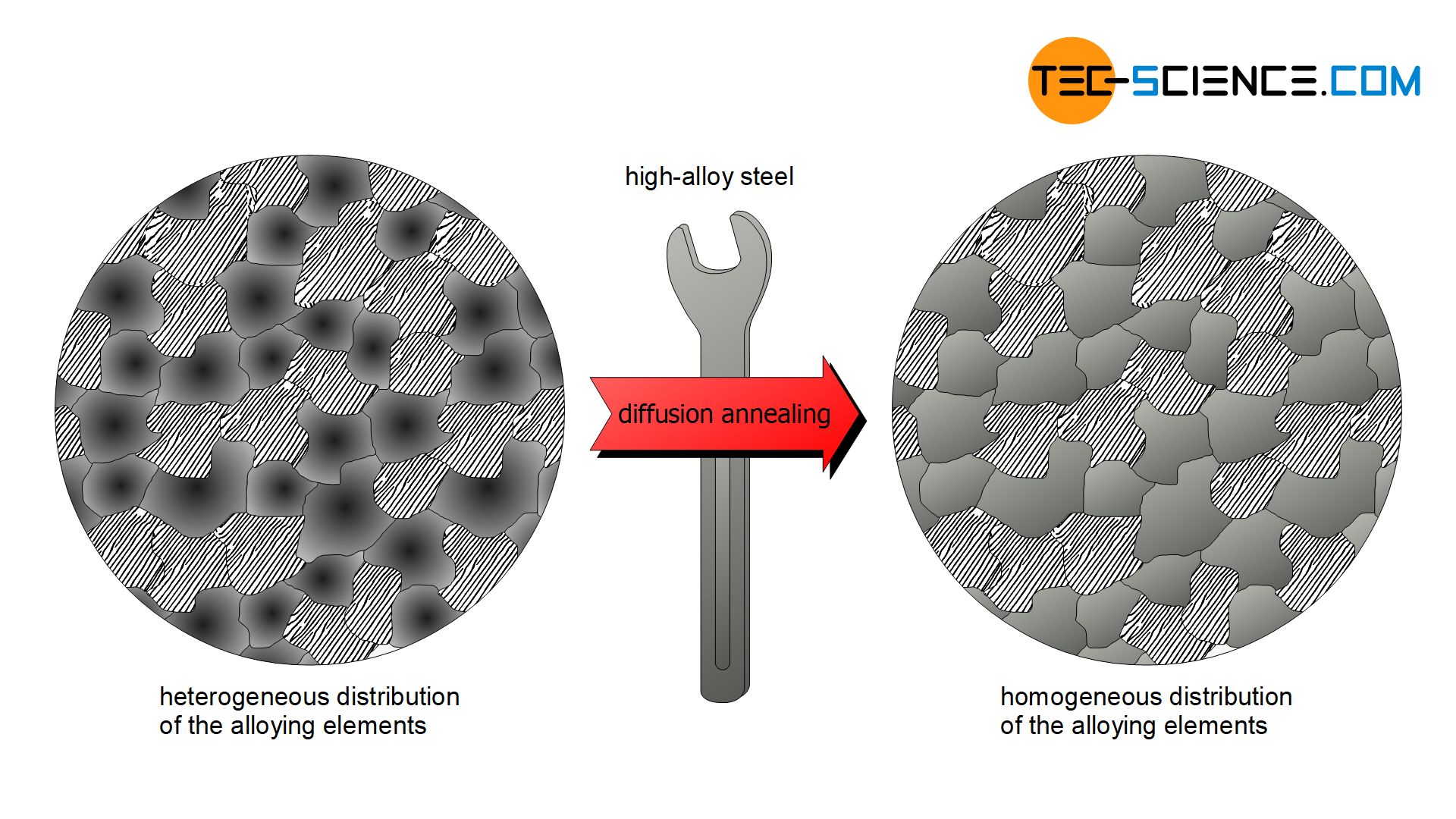
Internal stresses within steel can arise from various manufacturing processes, such as rapid cooling, welding, or cold working. These stresses can lead to warping, cracking, or premature failure of the component during use. Annealing effectively dissipates these internal stresses by allowing the material to relax and its microstructure to stabilize, thereby increasing the component’s reliability and lifespan.
Refined Grain Structure
The slow cooling process during annealing promotes the formation of a more uniform and refined grain structure. Smaller, more equiaxed (similar in all dimensions) grains generally lead to better mechanical properties, including increased strength and toughness compared to materials with large, irregular grains.
Connecting Annealed Steel to Modern Industrial Ecosystems
The principles and benefits of annealed steel are not isolated technical details; they have profound implications that resonate across the technological, branding, and financial landscapes.
Tech and Innovation: The Foundation for Advanced Manufacturing
In the realm of technology, annealed steel is an unsung hero, providing the foundational material for countless innovations.
-
AI and Robotics: The precision required for manufacturing parts used in sophisticated AI-powered robots and automated systems often necessitates materials that can be reliably shaped and machined. Annealed steel provides this necessary ductility and machinability, allowing for the creation of complex robotic limbs, intricate sensor housings, and robust structural components. Without annealed steel’s predictable properties, the widespread adoption of advanced robotics would be significantly hampered.
-
Software for Design and Simulation: The design and simulation of complex mechanical components—whether for aerospace, automotive, or consumer electronics—rely heavily on accurate material property data. Software tools that simulate stress, strain, and deformation work best when provided with precise characteristics of materials like annealed steel. This enables engineers to optimize designs for performance and longevity, reducing the need for costly physical prototypes.
-
Advanced Manufacturing Techniques: Technologies like 3D printing of metal parts and precision CNC machining owe a significant debt to annealed steel. For additive manufacturing, the post-processing often involves annealing to achieve the desired mechanical properties and relieve stresses introduced during the printing process. In CNC machining, the ease with which annealed steel can be cut allows for the production of highly intricate parts at scale.
-
Digital Security and Gadgets: Even the smallest components within our digital devices—the screws holding them together, the chassis elements, the intricate internal brackets—may at some stage have been processed through annealing. The reliability of these components, ensuring the security and functionality of our gadgets, is indirectly supported by the predictable and workable nature of annealed steel.
Brand and Reputation: The Guarantee of Quality and Durability
For brands, the quality and durability of their products are paramount to building trust and a strong reputation. Annealed steel plays a vital, albeit often unseen, role in this.
-
Product Longevity and Reliability: When a brand emphasizes the durability and long lifespan of its products—be it tools, vehicles, appliances, or construction materials—it is often relying on the inherent quality of the materials used. Annealed steel, by providing consistent and controllable properties, ensures that manufactured components are less prone to failure. This directly contributes to customer satisfaction and reduces warranty claims, bolstering the brand’s image for reliability.
-
Design and Formability: The ability of annealed steel to be shaped into intricate designs allows brands to differentiate their products aesthetically and functionally. From the sleek curves of a high-end appliance to the robust framework of a piece of industrial equipment, the ease with which steel can be formed through annealing empowers designers to create visually appealing and ergonomically superior products.
-
Case Studies in Manufacturing Excellence: Brands that highlight their manufacturing processes as a key differentiator often implicitly or explicitly showcase their mastery over material treatments like annealing. A case study demonstrating how annealing is used to achieve exceptional ductility in a critical automotive component, for instance, can serve as a powerful testament to the brand’s commitment to engineering excellence and quality.
-
Reputation for Sustainability: In an era where sustainability is a key brand concern, understanding material lifecycles is crucial. The durability imparted by properly treated steel, including annealing, means products last longer, reducing the need for frequent replacement and thus lowering overall resource consumption and waste. This can be a powerful narrative for brands focused on eco-consciousness.
Money and Business: Efficiency and Profitability
The financial implications of using annealed steel are substantial, impacting both operational efficiency and the bottom line.
-
Cost-Effective Production: The improved machinability of annealed steel directly translates to lower manufacturing costs. Faster machining speeds, reduced tool wear, and less material waste mean higher throughput and increased profitability. Companies that optimize their use of annealed steel can achieve significant cost advantages.
-
Investing in Reliable Supply Chains: Businesses that depend on steel components can make more informed investment decisions when they understand the role of annealing. Investing in suppliers who consistently provide annealed steel to specification ensures a stable and predictable input for production, minimizing costly delays and quality issues. This reliability is a key factor in maintaining a healthy cash flow.
-
Profitability of Side Hustles and Small Businesses: For entrepreneurs and small businesses involved in metal fabrication, metal art, or custom parts manufacturing, annealed steel is often the material of choice. Its workability allows for the creation of high-value, customized products that can command premium prices, offering a viable path for generating online income or building a profitable side hustle.
-
Financial Tools for Material Management: The efficient use of materials like steel is a critical aspect of business finance. Understanding the precise properties of annealed steel allows for more accurate cost estimations, inventory management, and budgeting. Financial tools and software that integrate with manufacturing processes can leverage this material knowledge to optimize spending and identify areas for cost savings.
Conclusion
Annealed steel is far more than just a term in a metallurgy textbook. It represents a fundamental process that unlocks the true potential of steel, transforming it from a raw commodity into a precisely engineered material. From the intricate components driving our technological advancements to the robust structures that form our built environment, the influence of annealed steel is pervasive. By understanding the science behind its softening, the benefits it confers on material properties, and its far-reaching impact across technology, brand building, and financial strategy, we gain a deeper appreciation for this unassuming yet indispensable material. Annealing is not just about making steel softer; it’s about making it smarter, more reliable, and ultimately, more valuable in every facet of our modern industrial ecosystem.
aViewFromTheCave is a participant in the Amazon Services LLC Associates Program, an affiliate advertising program designed to provide a means for sites to earn advertising fees by advertising and linking to Amazon.com. Amazon, the Amazon logo, AmazonSupply, and the AmazonSupply logo are trademarks of Amazon.com, Inc. or its affiliates. As an Amazon Associate we earn affiliate commissions from qualifying purchases.