
In the hyper-competitive landscape of the modern Consumer Packaged Goods (CPG) industry, brands are no longer just selling products; they are selling narratives, heritage, and identity. One of the most compelling case studies in this shift is “Pinole.” To the uninitiated, pinole is an ancient Mexican superfood made from ground toasted maize, often mixed with cocoa, cinnamon, and agave. However, to a brand strategist, pinole represents a masterclass in how to take a culturally specific, historical staple and reposition it as a premium lifestyle brand for the global wellness market.
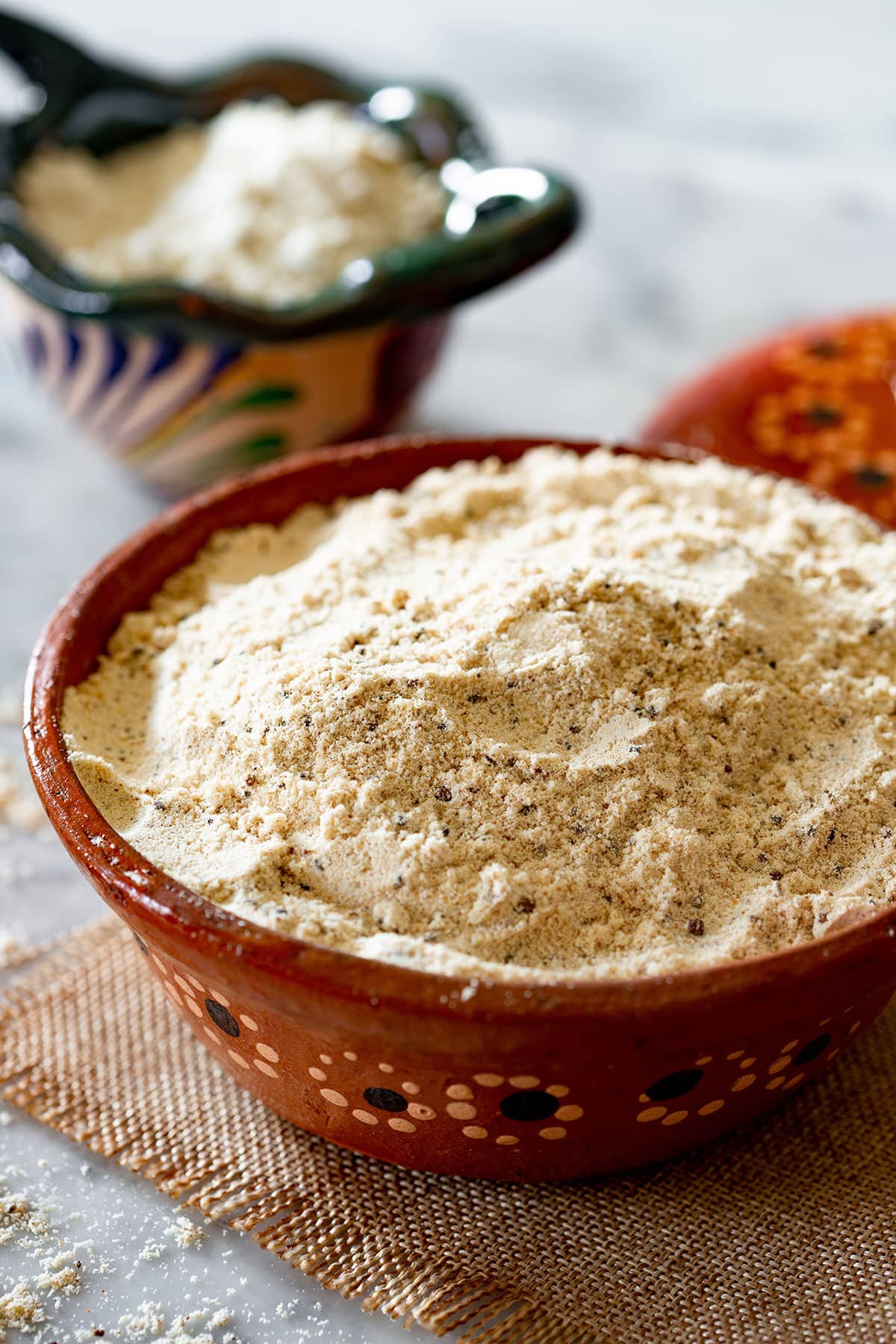
The transformation of pinole from a localized subsistence food to a globally recognized performance product offers profound insights into brand strategy, storytelling, and market positioning. By examining the “what” of pinole through a branding lens, we can uncover the mechanisms that allow heritage products to disrupt modern industries.
The Anatomy of a Heritage Brand: From Ancient Staple to Modern Superfood
The success of any brand rooted in history depends on its ability to bridge the gap between “then” and “now.” Pinole is not a new invention; it has been the primary fuel for the Tarahumara (Raramuri) people of Mexico’s Copper Canyon for centuries. The branding challenge lies in translating this historical efficacy into a value proposition that resonates with a 21st-century consumer.
Storytelling as the Core Value Proposition
In the world of branding, “The Story” is the most valuable asset. For pinole, the story is one of superhuman endurance. When Christopher McDougall published his bestseller Born to Run, he didn’t just highlight a culture; he inadvertently created a brand foundation for pinole.
Effective brand strategy leverages this narrative to move the product beyond the “cereal” or “snack” aisle and into the “performance fuel” category. By emphasizing the historical context—how these long-distance runners use pinole to traverse hundreds of miles—the brand creates an emotional connection. The consumer isn’t just buying ground corn; they are buying the “spirit of the runner.” This is a classic example of moving from functional benefits to self-expressive benefits.
Cultural Authenticity vs. Commercial Appeal
One of the most delicate aspects of branding pinole is the balance between authenticity and commercialization. Brand managers must navigate the fine line between cultural appreciation and appropriation. A successful brand strategy in this niche involves deep collaboration with the source culture or, at the very least, a commitment to transparent sourcing.
Authenticity acts as a shield against market commoditization. When a brand can prove its lineage—perhaps through fair-trade partnerships with indigenous farmers or by adhering to traditional roasting methods—it builds “Brand Equity” that generic competitors cannot replicate. This authenticity allows for a premium price point, as consumers are willing to pay more for a product that feels “real” and ethically grounded.
Strategic Positioning: Carving a Niche in the Crowded Wellness Sector
The wellness market is saturated with “superfoods,” from açaí to quinoa. For a pinole brand to survive, it must utilize a “Blue Ocean Strategy”—finding an uncontested market space where the competition is irrelevant.
Identifying the “Active Enthusiast” Persona
The primary target for pinole-based branding is the “Active Enthusiast.” This demographic includes marathoners, ultra-runners, CrossFit athletes, and hikers. Unlike the general health-conscious consumer, the Active Enthusiast is looking for specific performance metrics: sustained energy, low glycemic index, and digestive ease.
Brand strategy here focuses on “functional positioning.” Marketing materials don’t focus on weight loss; they focus on “fueling the journey.” By narrowing the target audience, the brand can speak a more specialized language, using terms like “complex carbohydrates,” “slow-burn energy,” and “bioavailability.” This technical precision builds trust with a sophisticated consumer base.
The “Tarahumara Effect” and Influencer Synergy
In modern branding, the messenger is often as important as the message. Pinole brands have successfully utilized “expert-led” influencer marketing. Rather than traditional celebrities, they partner with ultra-marathoners and outdoor adventurers who embody the product’s benefits.
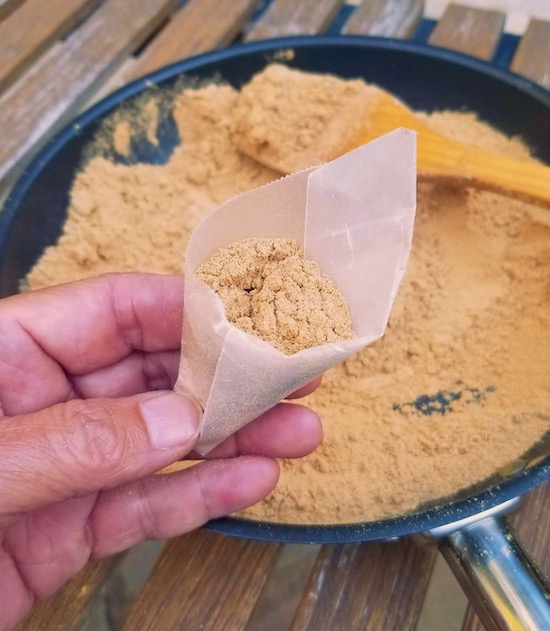
This creates a “halo effect.” When an elite athlete credits their performance to a pinole-based diet, the brand gains immediate credibility. This isn’t just an endorsement; it is a proof-of-concept. The strategy here is to build a community of advocates who provide social proof, reducing the perceived risk for new customers.
Visual Identity and Packaging: Translating Tradition into Design
A brand’s visual identity is the first point of contact with the consumer. For pinole, the design must communicate two things simultaneously: ancient wisdom and modern performance.
Minimalist Modernity vs. Folk Aesthetics
Many successful pinole brands opt for a design language that blends traditional Mexican motifs with clean, minimalist typography. This “Neo-Heritage” aesthetic signals to the consumer that the product is rooted in tradition but manufactured to modern quality standards.
The color palettes often lean toward earth tones—terracottas, deep ochres, and maize yellows—to evoke the natural, unprocessed origin of the product. At the same time, the use of sans-serif fonts and high-quality matte finishes on packaging positions the product as a luxury or high-end performance item. This visual duality is essential for capturing the attention of a demographic that values both history and high-tech performance.
Communicating Functionality Through Form
Packaging design for pinole also addresses the “how-to” barrier. Because many Western consumers are unfamiliar with how to consume ground maize, the packaging must serve as a tutorial.
Smart brand design incorporates clear icons and infographics on the back of the pouch: “Shake it,” “Bake it,” “Blend it.” By reducing the “cognitive load” required to understand the product, the brand lowers the barrier to entry. This is a crucial tactical move in brand strategy—ensuring that the product’s versatility is a selling point rather than a source of confusion.
The Future of Pinole Brands: Scaling Without Losing Soul
As a brand grows, it faces the “founder’s dilemma”: how to scale production and reach a mass market without diluting the brand’s core identity. For pinole, the transition from a niche startup to a household name requires a rigorous focus on brand integrity.
Supply Chain Transparency as a Brand Pillar
In the modern era, a brand’s supply chain is its brand. As pinole brands scale, they must resist the temptation to switch to lower-quality, mass-produced corn that lacks the nutritional profile of heritage varieties.
A “Money” perspective might suggest cutting costs, but a “Brand” perspective understands that the product’s unique selling proposition (USP) is its specific type of heirloom maize. By making supply chain transparency a core pillar of the marketing strategy—sharing stories of the farmers and the land—the brand protects itself from becoming just another “cornmeal” product on the shelf. This transparency builds long-term brand loyalty, which is more valuable than short-term margin gains.
Diversification and the Lifestyle Brand Evolution
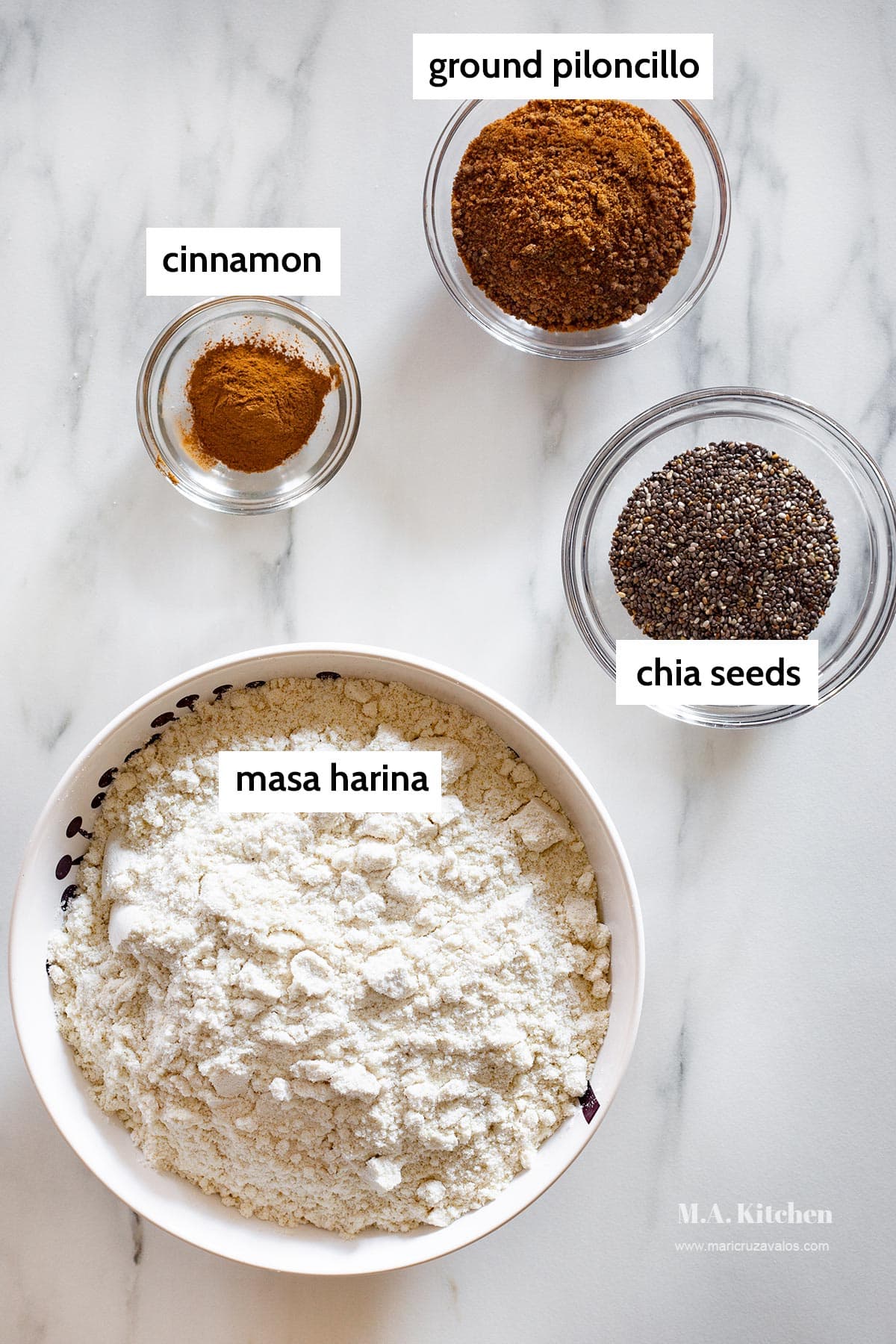
The ultimate goal of any brand strategy is to evolve from a single product into a lifestyle. We are already seeing pinole brands expand into energy bars, protein powders, and even ready-to-drink beverages.
This diversification allows the brand to capture more “share of wallet” from the consumer. However, the strategy must remain cohesive. Every new product must tie back to the original promise of “Natural Endurance.” If a pinole brand starts selling high-sugar gummy bears, the brand equity collapses. Success lies in “vertical expansion”—creating different formats of the same core promise, ensuring that the brand remains the go-to authority on ancient, performance-based nutrition.
In conclusion, “Pinole” is more than just an ingredient; it is a blueprint for the future of heritage branding. By combining a powerful historical narrative with sophisticated market positioning, authentic visual identity, and a commitment to integrity, pinole brands have shown how to turn a traditional staple into a modern powerhouse. For brand strategists, the lesson is clear: the most potent innovations often come from looking backward, provided you have the vision to move them forward.
aViewFromTheCave is a participant in the Amazon Services LLC Associates Program, an affiliate advertising program designed to provide a means for sites to earn advertising fees by advertising and linking to Amazon.com. Amazon, the Amazon logo, AmazonSupply, and the AmazonSupply logo are trademarks of Amazon.com, Inc. or its affiliates. As an Amazon Associate we earn affiliate commissions from qualifying purchases.